In the global toy import business, market demand often changes with seasons, holidays, and short-term trends. Buyers who focus mainly on Europe, North America, or Southeast Asia may experience strong seasonal sales during peak periods, but they may also face slower turnover when the market cools down.
For many small and medium toy buyers, this creates a common challenge: how to build a product mix that can support more stable orders throughout the year.
This is why African markets deserve more attention.
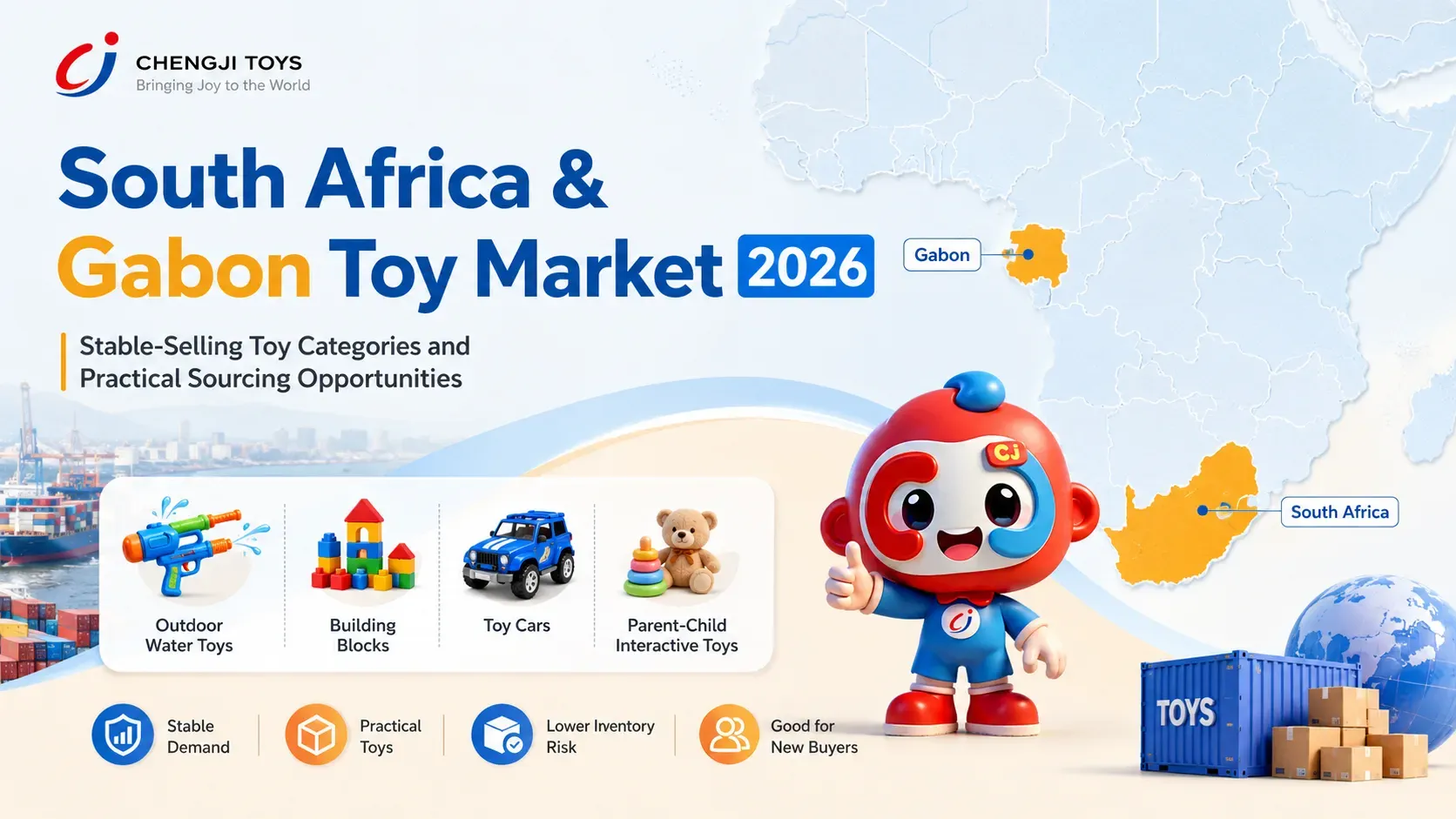
With a large young consumer base, consistent demand for children’s products, and strong outdoor play habits in many regions, Africa has become an important market for buyers looking for steady toy categories. Among different African markets, South Africa and Gabon are two regions that show practical, stable, and repeatable toy demand.
For buyers who are new to toy importing, these markets can be easier to enter because demand is less dependent on fast-changing trends. The best-selling products are usually practical, durable, affordable, and easy to understand.
In this article, we will look at the key consumption features of South Africa and Gabon, the toy categories that sell consistently, and practical sourcing advice to help buyers reduce inventory and after-sales risk.
Understanding the Market Logic in South Africa and Gabon
To succeed in these markets, buyers should not apply the same product selection logic used for Europe or North America. African toy markets are often more practical and value-focused. Products need to match real usage scenarios, local purchasing habits, and long-term consumer demand.
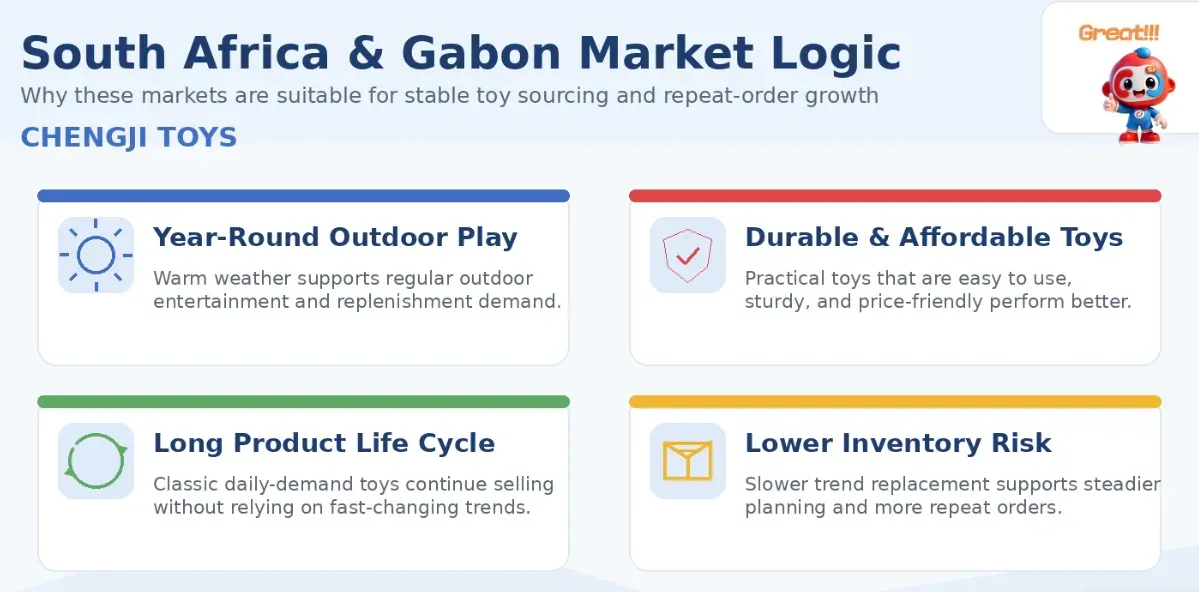
South Africa and Gabon share several important market characteristics.
First, outdoor play demand is relatively stable. In many areas, warm weather supports outdoor activities throughout the year. This makes water toys, outdoor play items, and simple interactive toys more suitable for regular restocking.
Second, consumers often prefer products that are affordable, durable, and easy to use. Toys with complicated structures, too many accessories, or higher after-sales risk may not perform as well, especially when local service support is limited.
Third, classic daily-demand toys usually have a longer product life cycle. Basic building blocks, outdoor water toys, vehicle toys, and parent-child interactive toys can continue selling without relying heavily on short-term online trends.
Finally, the market has a slower trend replacement speed compared with some developed retail markets. This reduces the risk of products becoming outdated too quickly, making these markets more suitable for steady product planning and long-term replenishment.
Core Toy Categories That Sell Consistently
Based on common buyer demand and long-term export experience, the following categories are especially suitable for South Africa and Gabon. They are practical, easy to sell, and suitable for repeat orders.
Outdoor Water and Bubble Toys
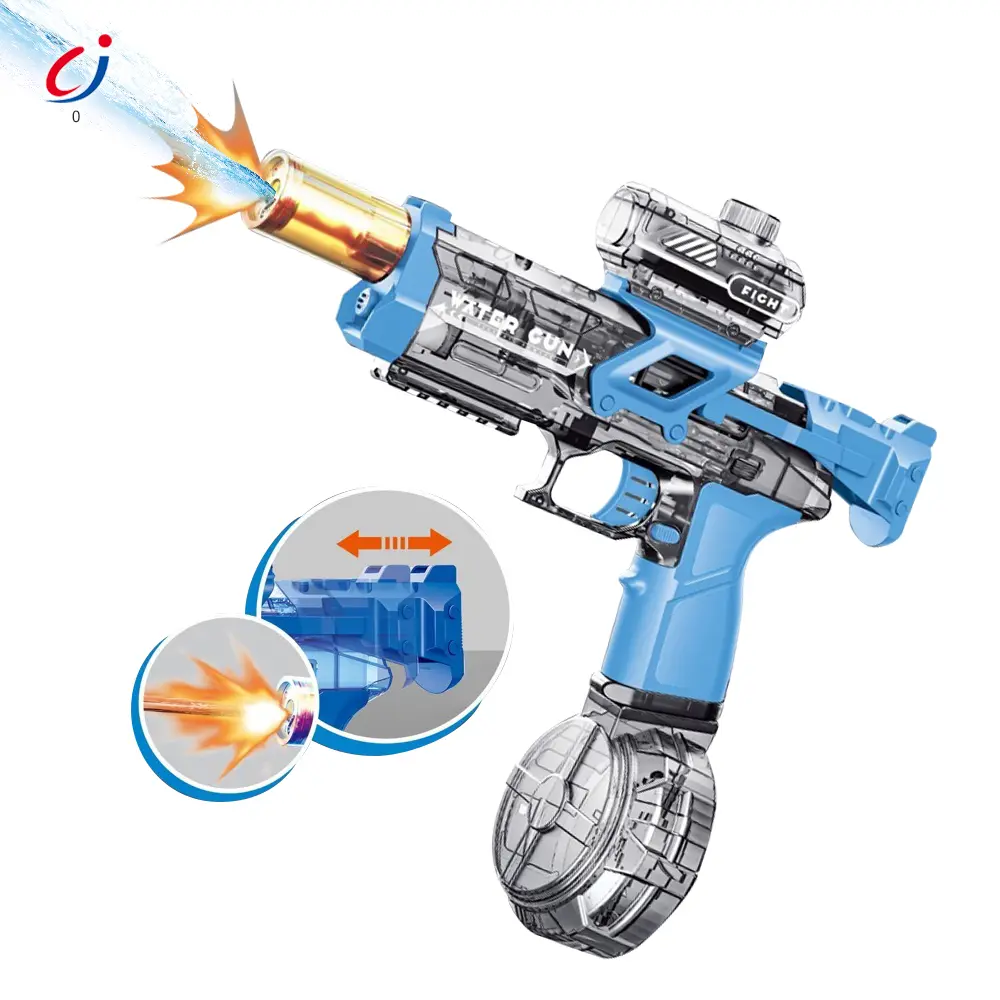
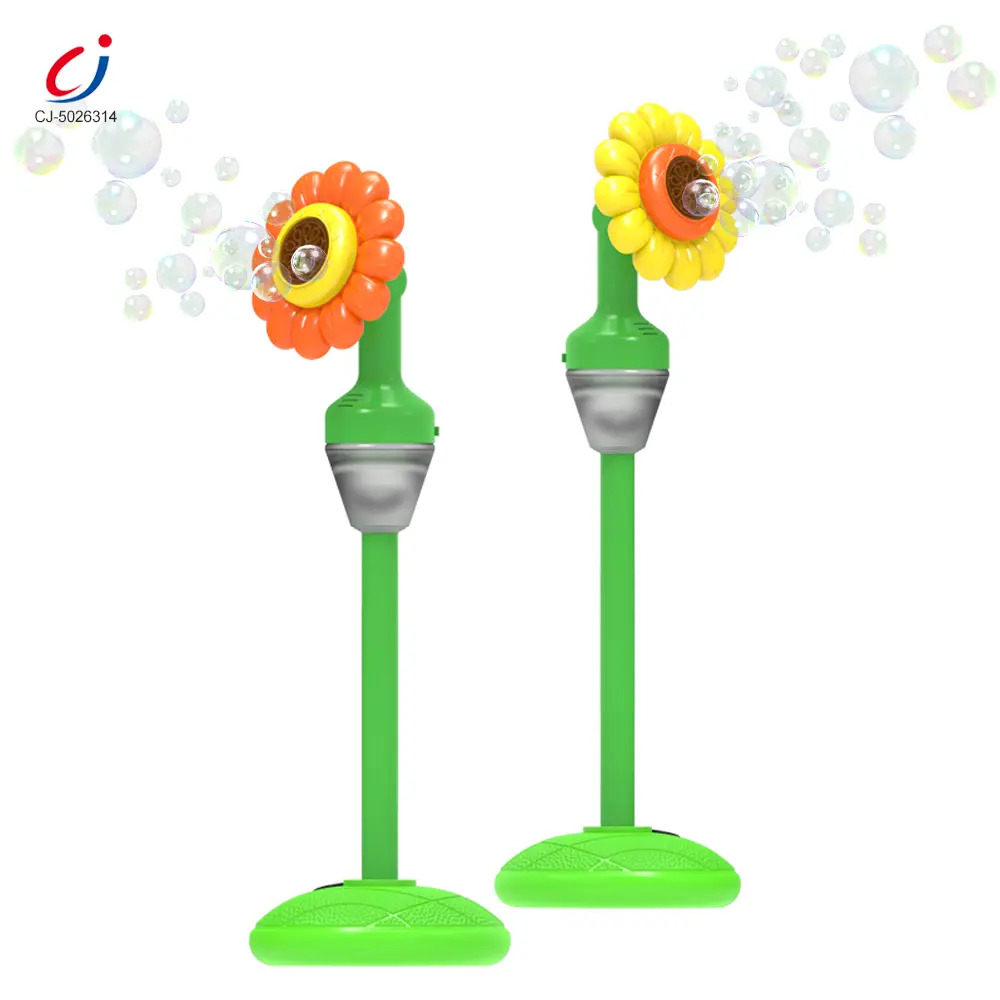
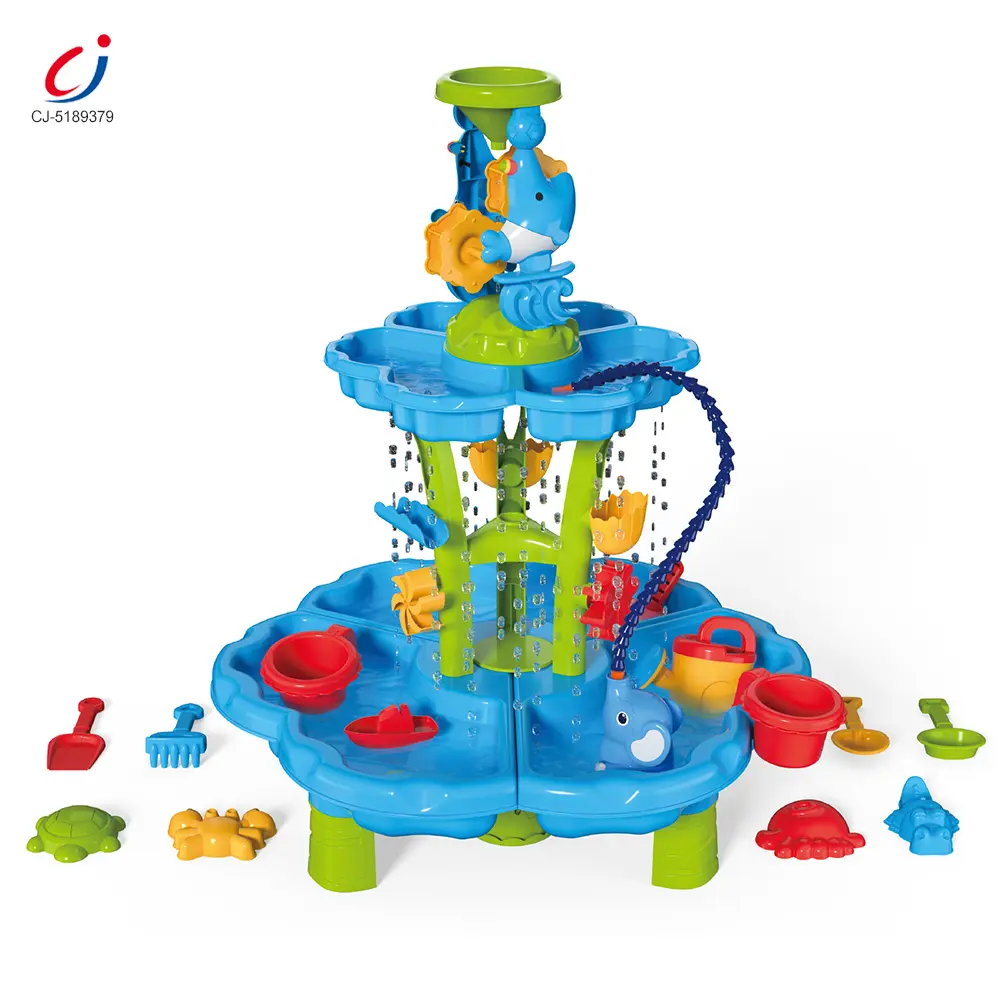
Outdoor water toys remain one of the most stable categories for African markets. This category includes basic water guns, automatic bubble machines, water play sets, and other simple outdoor play items.
These products work well because they are easy to understand, suitable for different age groups, and match daily outdoor play scenes. They are also generally affordable and easy for retailers to promote.
For new buyers, this category is a good starting point because it has broad demand and relatively low product education cost. Consumers can quickly understand how the toy works, and retailers can display it easily in stores or market stalls.
Key advantages include:
- strong outdoor usage scenarios
- simple play logic
- affordable price positioning
- wide age coverage
- stable repeat demand
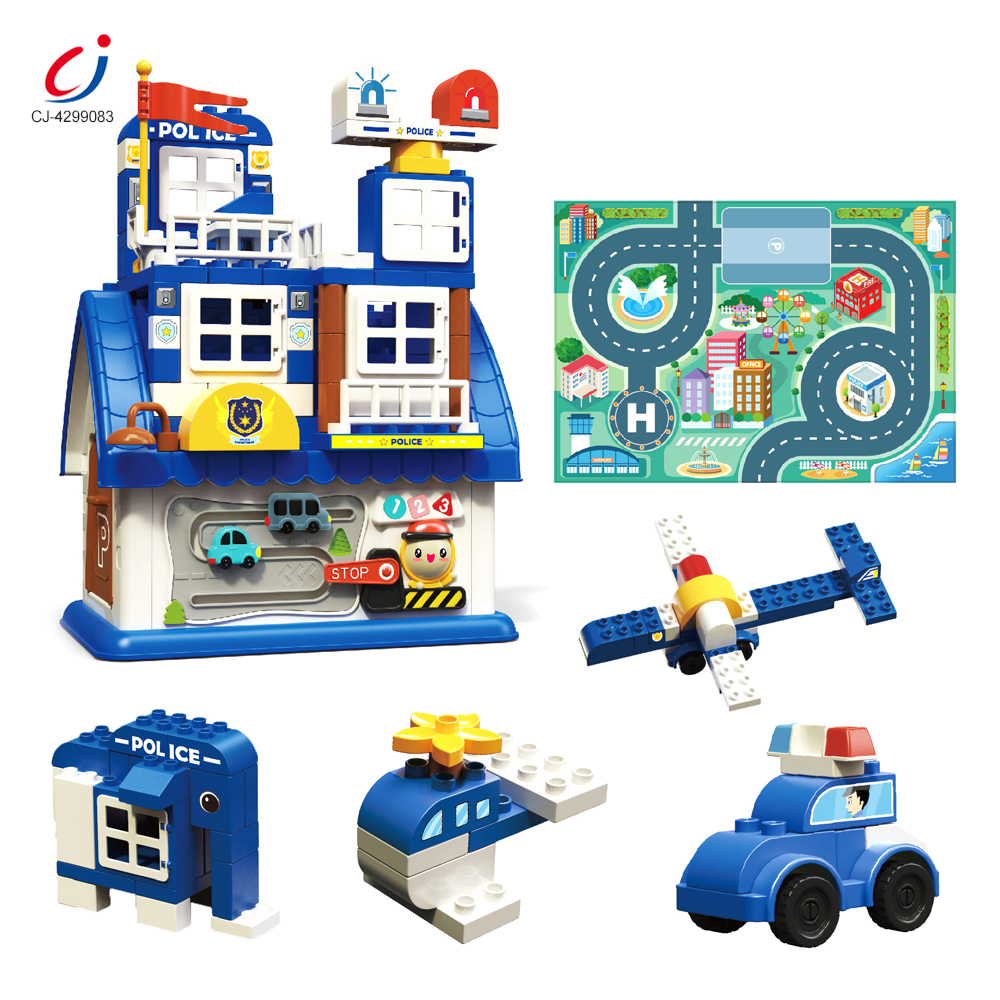
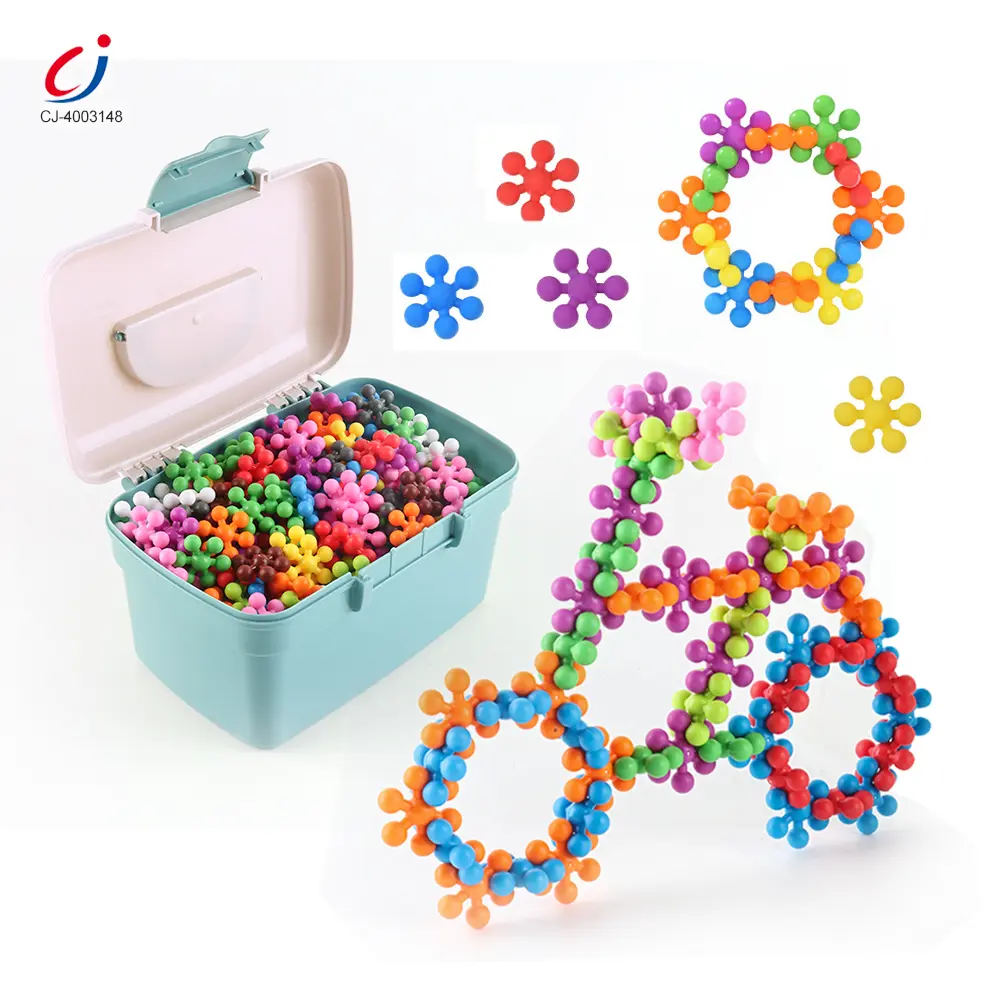
Basic Educational Building Toys
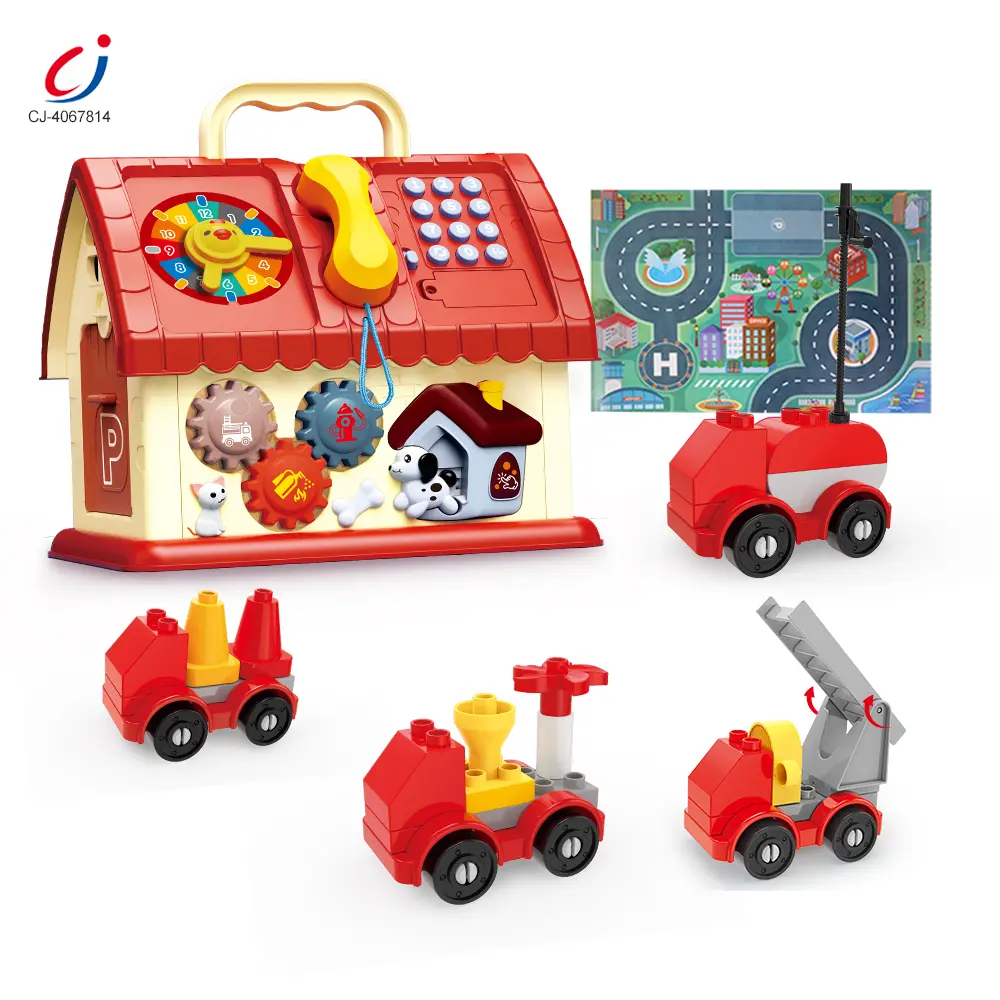
Basic building toys are another reliable category. Unlike complex construction sets that require higher budgets or detailed instructions, basic building blocks are easier for parents and children to accept.
They combine entertainment with early learning value, helping children develop creativity, hand-eye coordination, and basic spatial thinking. At the same time, they are usually durable and suitable for different retail channels.
This category works well for supermarkets, mother-and-baby stores, small toy shops, and general retail channels. For buyers, it is also easier to manage because the products usually have lower after-sales risk and longer shelf life.
Key advantages include:
- educational value
- structure durable
- wide consumer acceptance
- strong repeat potential
- suitable for multi-channel sales

Friction Cars and Simple Remote-Control Vehicles
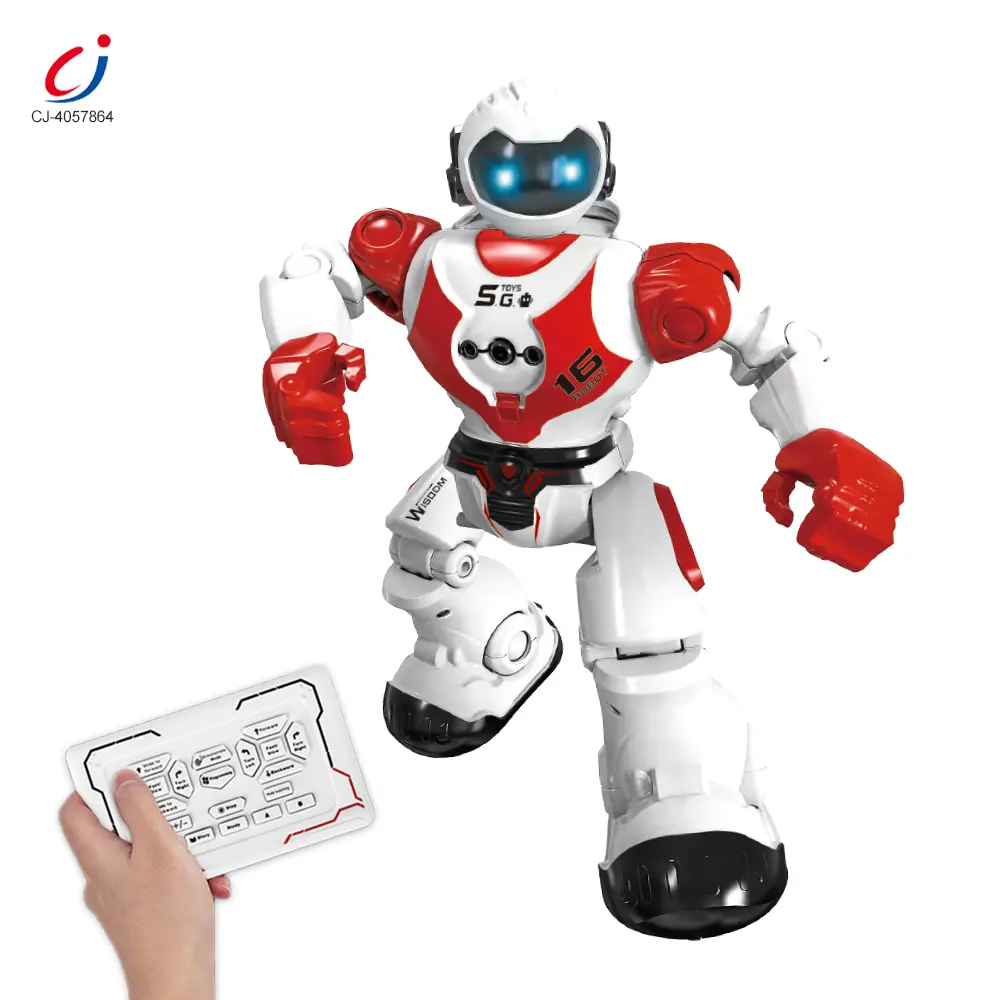
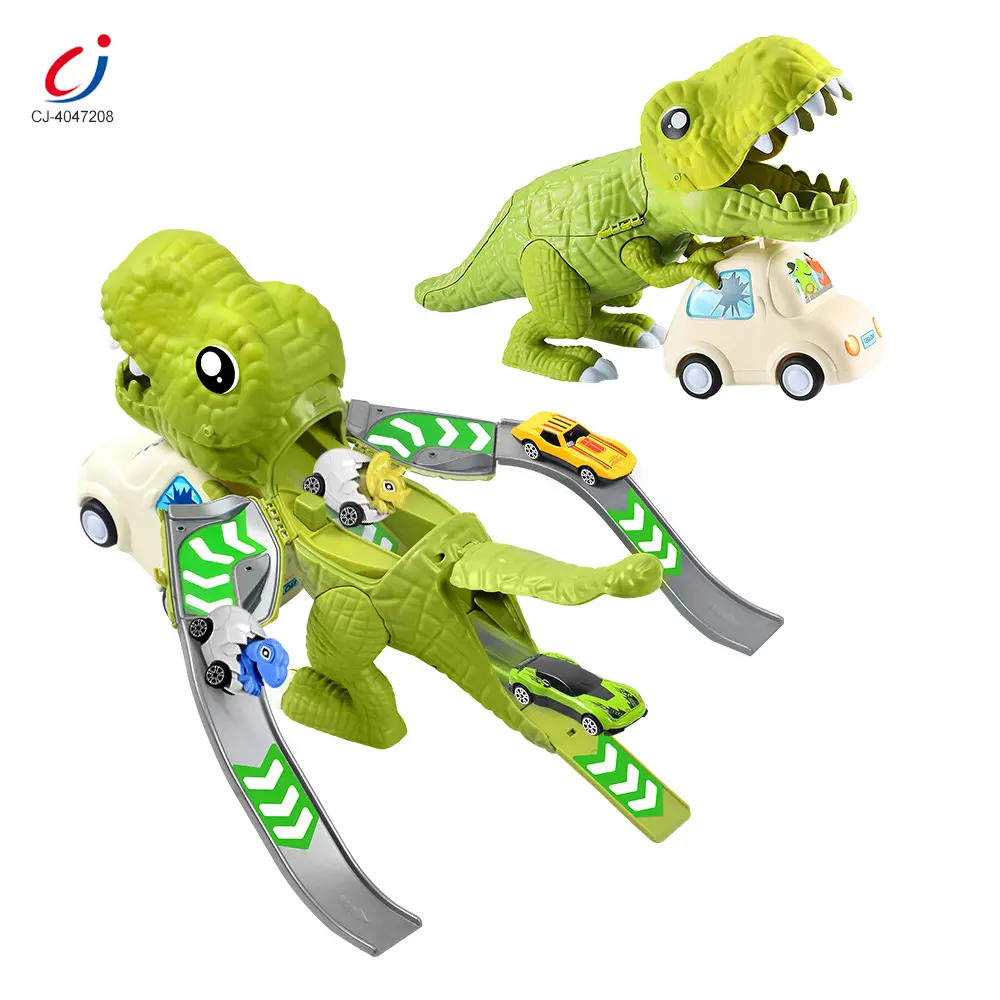
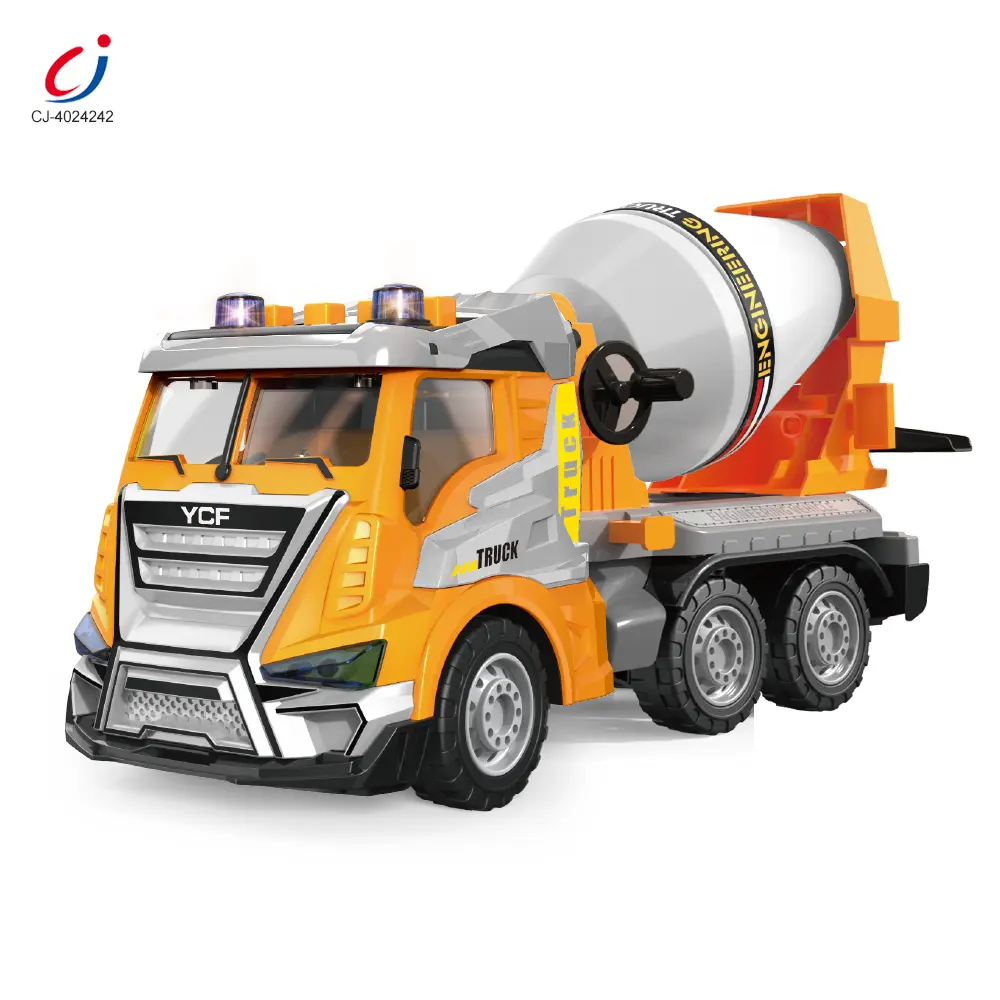
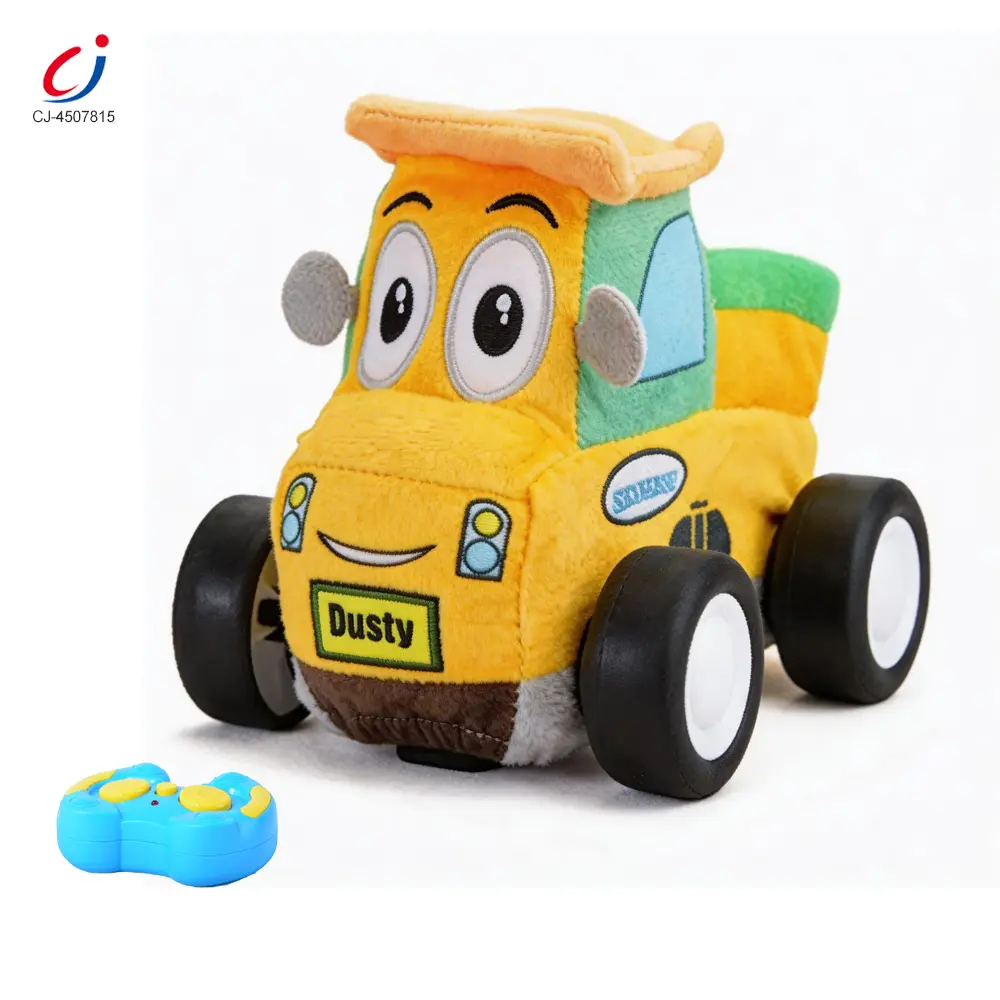
Vehicle toys are classic children’s products in many markets, and South Africa and Gabon are no exception. Friction cars, simple remote-control cars, small trucks, and durable vehicle playsets can perform steadily because they are easy to sell and familiar to consumers.
For these markets, buyers should prioritize simple structure and durability over complicated functions. Products that are too delicate, expensive, or difficult to repair may create after-sales pressure.
Friction cars and entry-level remote-control vehicles are especially practical because they provide strong play value while keeping the price more accessible.
Key advantages include:
- classic children’s toy demand
- strong play value
- simple product logic
- structure durable
- suitable for repeat restocking

Affordable Parent-Child Interactive Toys
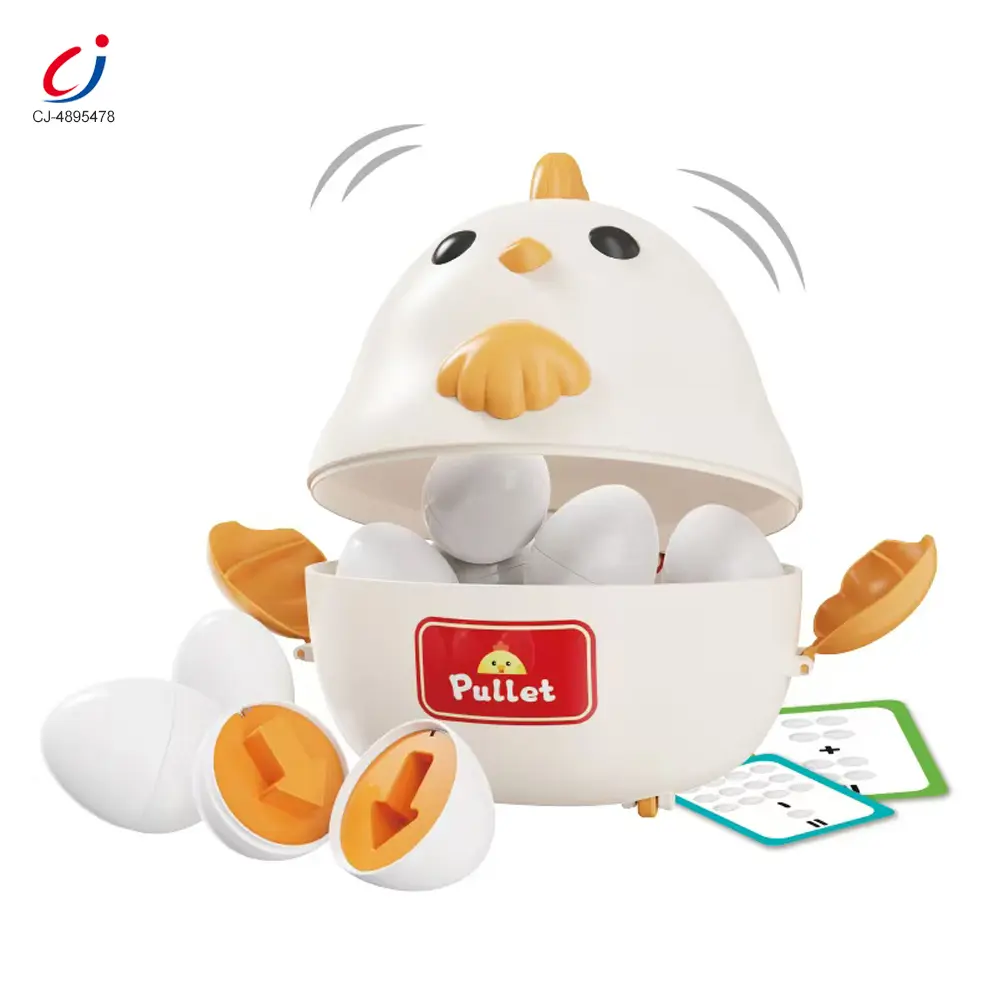
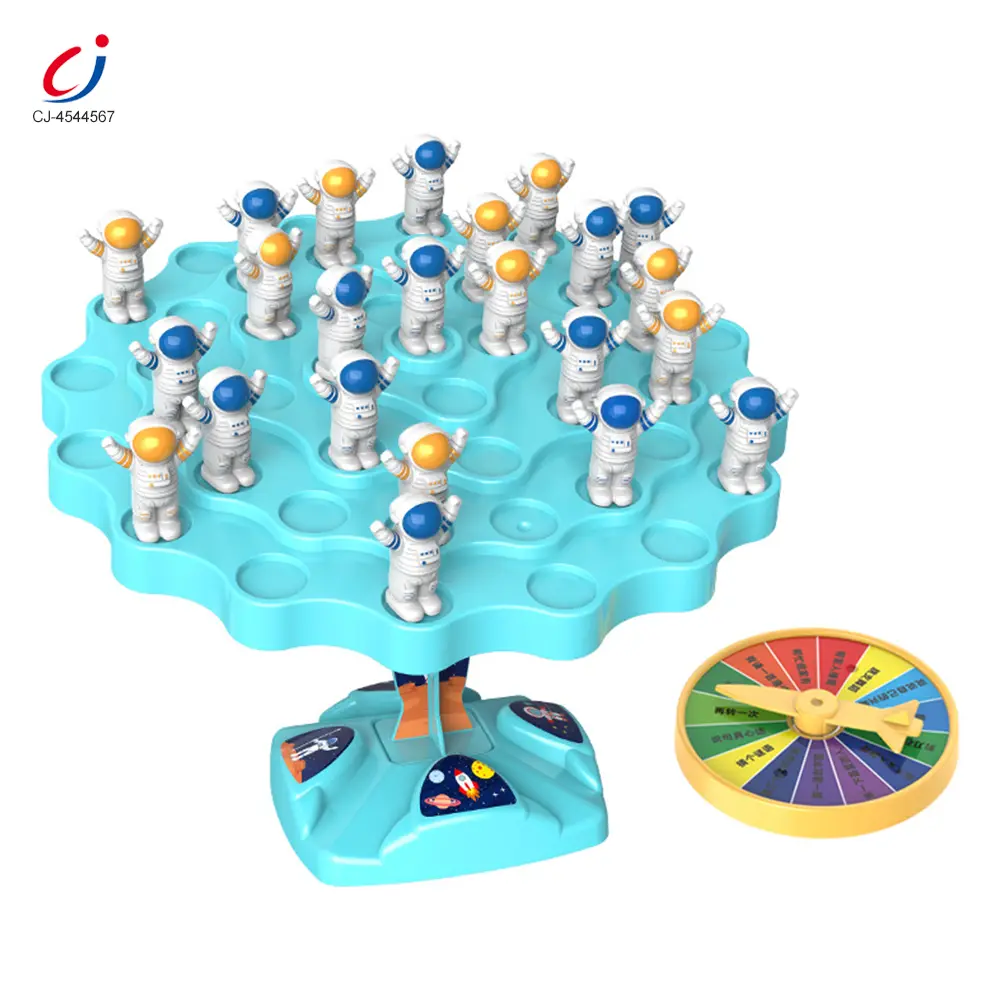
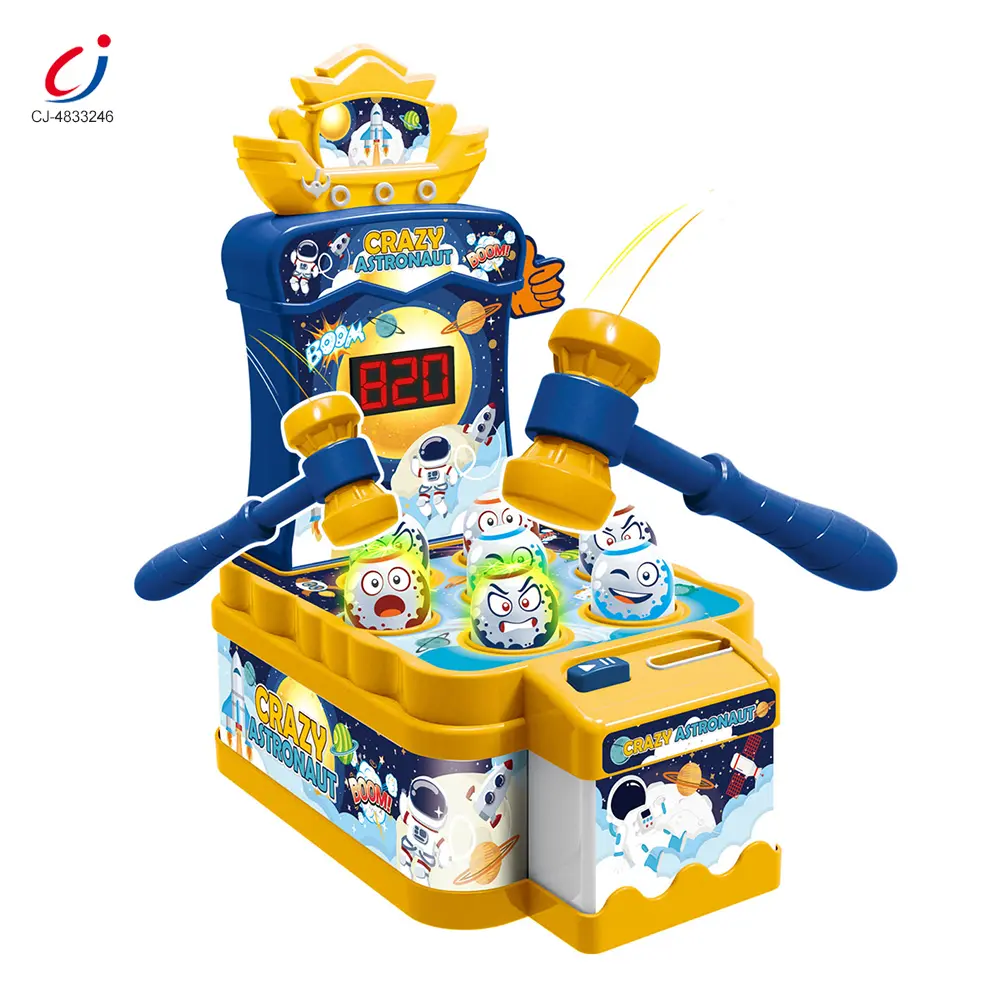
Simple parent-child interactive toys are also suitable for African markets. These products are usually designed for two-player or multiplayer interaction and can be used in family gatherings, small parties, or daily home entertainment.
The most suitable items are those with simple rules, affordable pricing, and low damage risk. This type of product can help retailers enrich their product mix and increase overall sales without carrying too much inventory pressure.
For buyers, parent-child interactive toys can also work as gift items, especially when the product is easy to display and suitable for different age groups.
Key advantages include:
- family play value
- simple and easy-to-understand gameplay
- gift potential
- flexible retail scenes
- lower inventory pressure
Sourcing Guide: How to Reduce Slow-Moving Stock and After-Sales Risk
Although South Africa and Gabon offer stable demand, buyers still need to choose carefully. The wrong product mix can still lead to slow sales, stock pressure, or after-sales problems.
Here are several practical sourcing suggestions.
Avoid Overbuying Complex High-End Electronic Toys
High-end electronic toys may look attractive, but they are not always the safest choice for these markets. Products with complicated functions, fragile parts, or high prices can be harder to sell and may create more after-sales issues.
For buyers who are still testing the market, it is safer to start with practical, affordable, and durable products before expanding into higher-end categories.
Choose Simple, Durable, and Easy-to-Restock Products
Products with fewer accessories and stronger structures are usually more suitable. Simple toys are easier for consumers to understand and easier for retailers to sell.
Buyers should pay attention to material durability, packaging strength, and product structure. These details directly affect customer satisfaction and repeat orders.
Use Stable Daily-Demand Products as the Main Stock
For African markets, the main inventory should focus on stable daily-demand items rather than short-term trend products. Trend items can be tested in small quantities, but they should not take up too much stock budget.
A safer product structure is:
- larger quantity for proven daily-demand items
- smaller quantity for new or trend-based items
- regular replenishment based on actual sales feedback
This helps buyers control inventory risk while still keeping product variety.
Secure Supply Capacity Early
Because demand for practical toys can be steady throughout the year, buyers should maintain stable supply and replenishment planning. If a product sells well but restocking is delayed, retailers may lose customer trust or miss repeat sales opportunities.
Working closely with a reliable supplier can help buyers confirm production schedules, control quality, and maintain more consistent delivery.
Why These Markets Are Suitable for New Toy Buyers
South Africa and Gabon are especially suitable for new or small toy buyers because the market does not require chasing every fast-changing trend. Instead, buyers can build around practical product categories with longer selling cycles.
For new buyers, this means:
- easier product selection
- lower risk of fast obsolescence
- more predictable repeat demand
- stronger suitability for small-batch testing
- better opportunity to build stable sales gradually
The key is to choose products that match local demand instead of simply copying product strategies from other markets.
Réflexions finales
South Africa and Gabon offer strong potential for toy buyers who want stable, practical, and repeatable product demand. These markets are not only suitable for experienced importers, but also for new buyers who want to start with safer, easier-to-manage categories.
Outdoor water toys, basic educational building toys, friction and simple remote-control vehicles, and affordable parent-child interactive toys are all worth long-term attention. They are practical, durable, easy to sell, and less dependent on short-term trends.
For buyers planning to enter or expand in African toy markets, the best strategy is not to chase complicated or expensive products first. Instead, start with reliable daily-demand categories, test the market step by step, and build stable replenishment over time.
If you would like to receive a dedicated South Africa and Gabon toy sourcing list, product recommendations, or a customized stock plan, Chengji Toys is ready to support your sourcing needs.
Site web : chengjitoy.com
Courriel : [email protected]
Téléphone / WhatsApp / WeChat : +86-13715966567