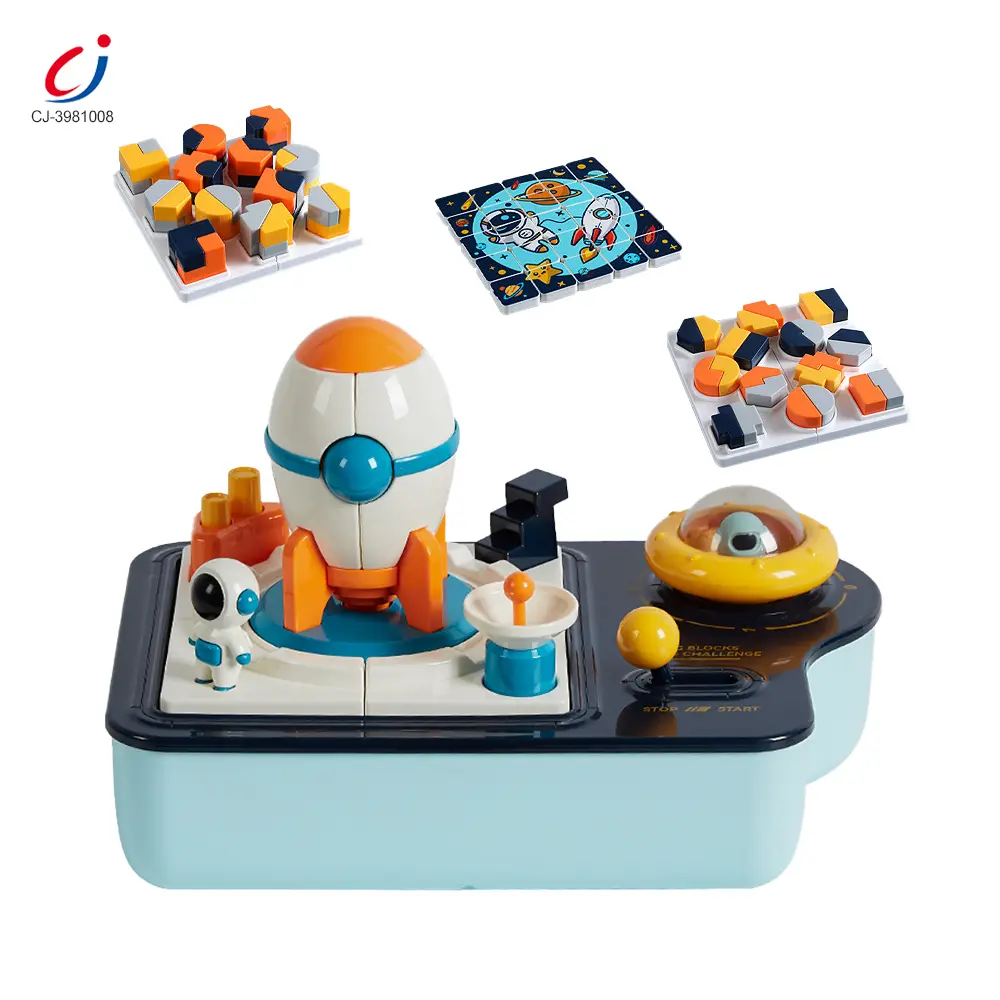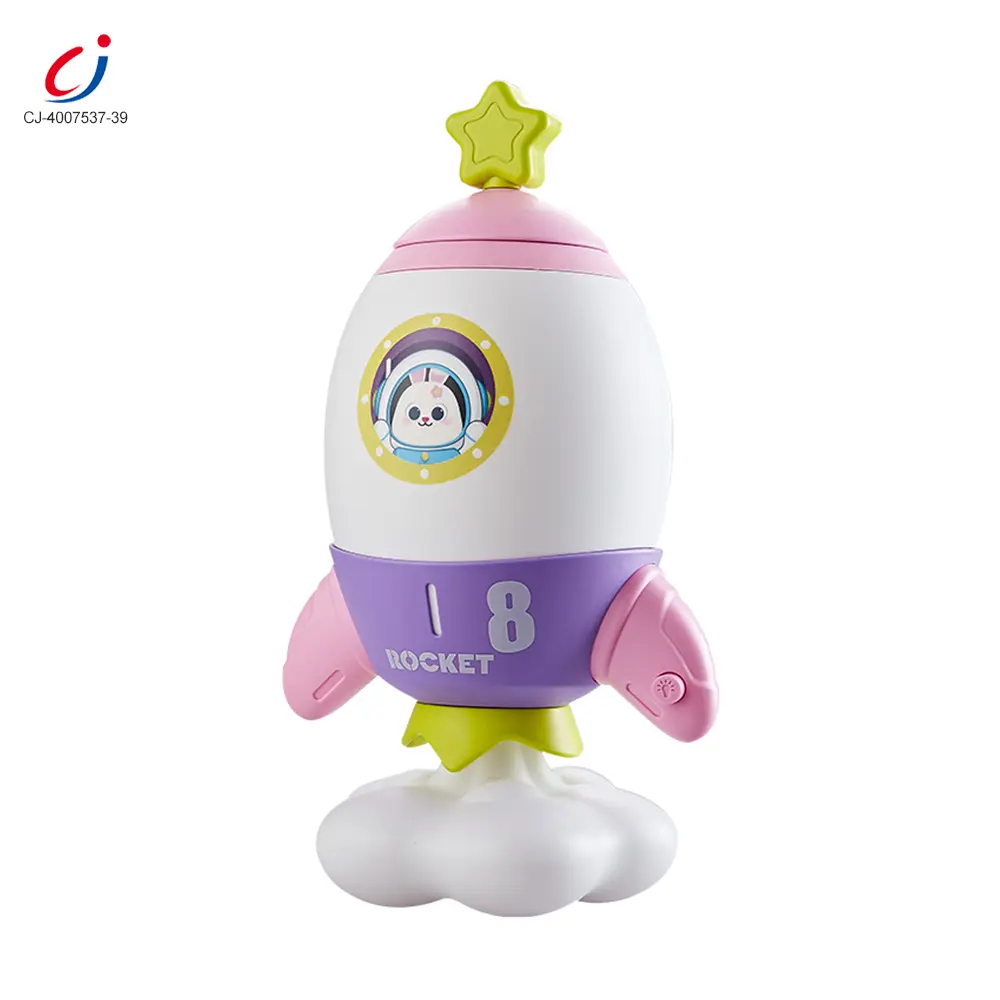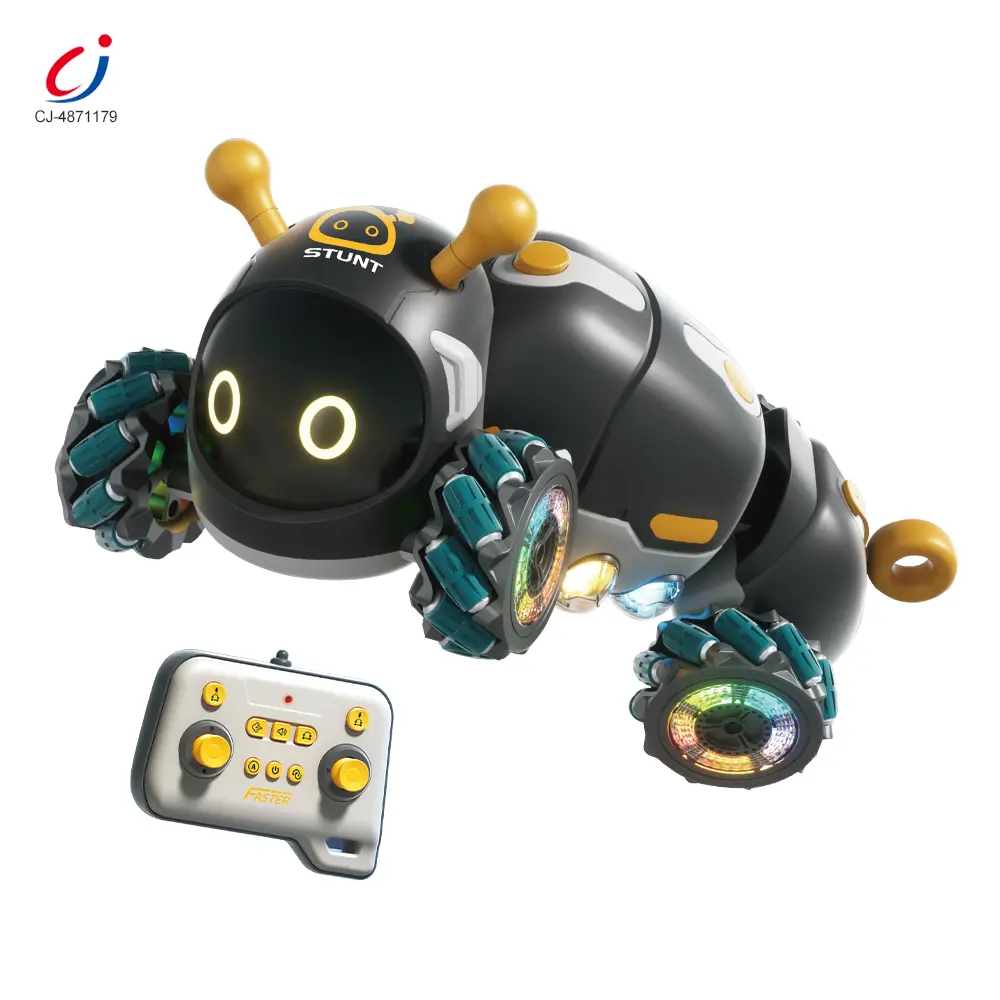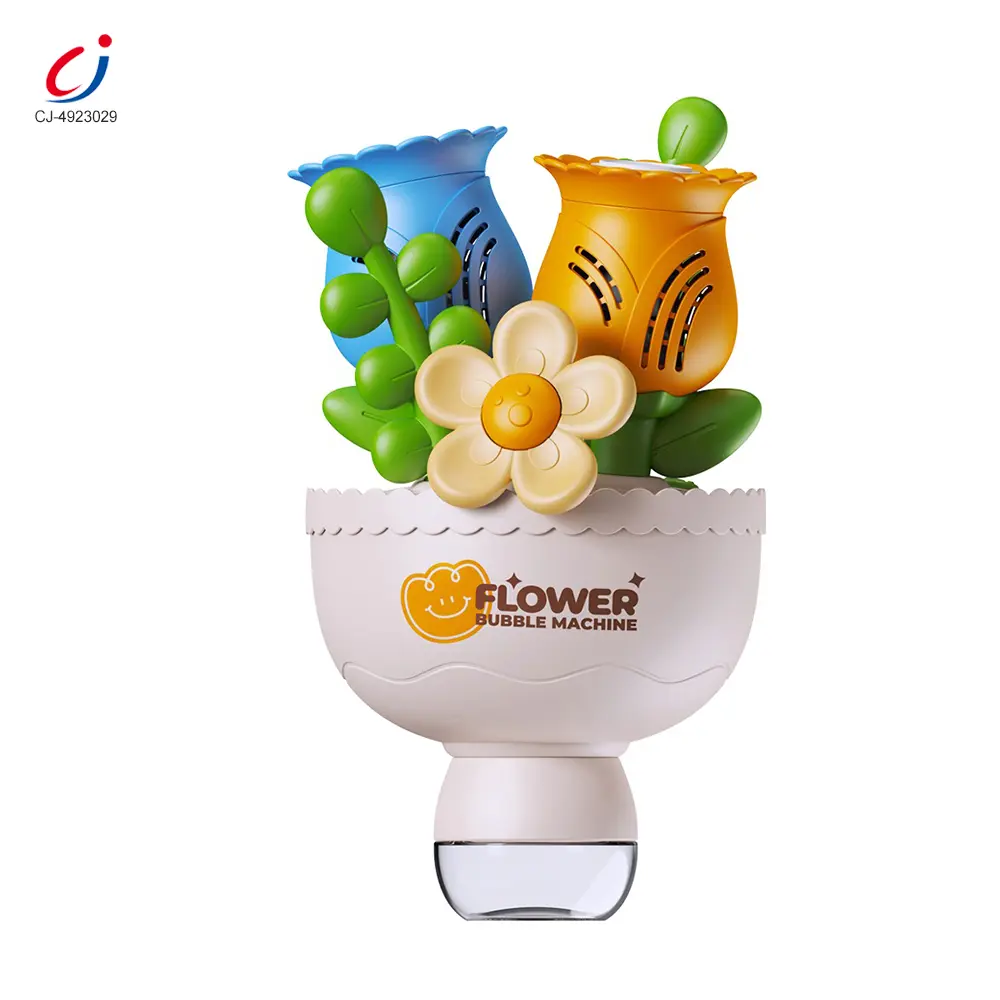
Robot toys are no longer novelty gadgets — they are core SKUs that span gift aisles and e-commerce bestseller lists. For buyers (wholesalers, retailers, and brands), the critical decision is product type: pre-programmed units that perform fixed routines, or programmable models that invite coding and customization. Each has distinct commercial dynamics.
Based on years of experience in robot toy projects and channel sales practices, this guide, provided by top toy supplier Chengji, will share practical insights from key dimensions such as product definition, business advantages and disadvantages, pricing and profit considerations, and common mistakes, to help you choose the right robot toys for different sales channels.
What Does It Mean Pre-programmed and Programmable
Pre-programmed robot toy
A product with fixed behaviors built in by the manufacturer: walk/dance/sing routines, light sequences, or simple remote-control actions. No user coding; plug-and-play experience.
Programmable robot toy
A product whose behavior the end user can modify: sequence builders, block-coding apps, button-based logic editors, or scriptable controllers. Often includes sensors (distance, light, touch) and app connectivity.
Why the Distinction Matters to Buyers
- Positioning: Programmable models typically sell as educational/STEM products; pre-programmed models sell as mass entertainment or impulse buys.
- Support: Programmable products require stronger after-sales support (apps, firmware, documentation).
- Lifecycle: Programmable models often have longer engagement curves and higher lifetime value; pre-programmed models usually have faster turnover and shorter product life cycles.
- Pricing & margins: Programmable units command higher ASPs but higher development and support costs.
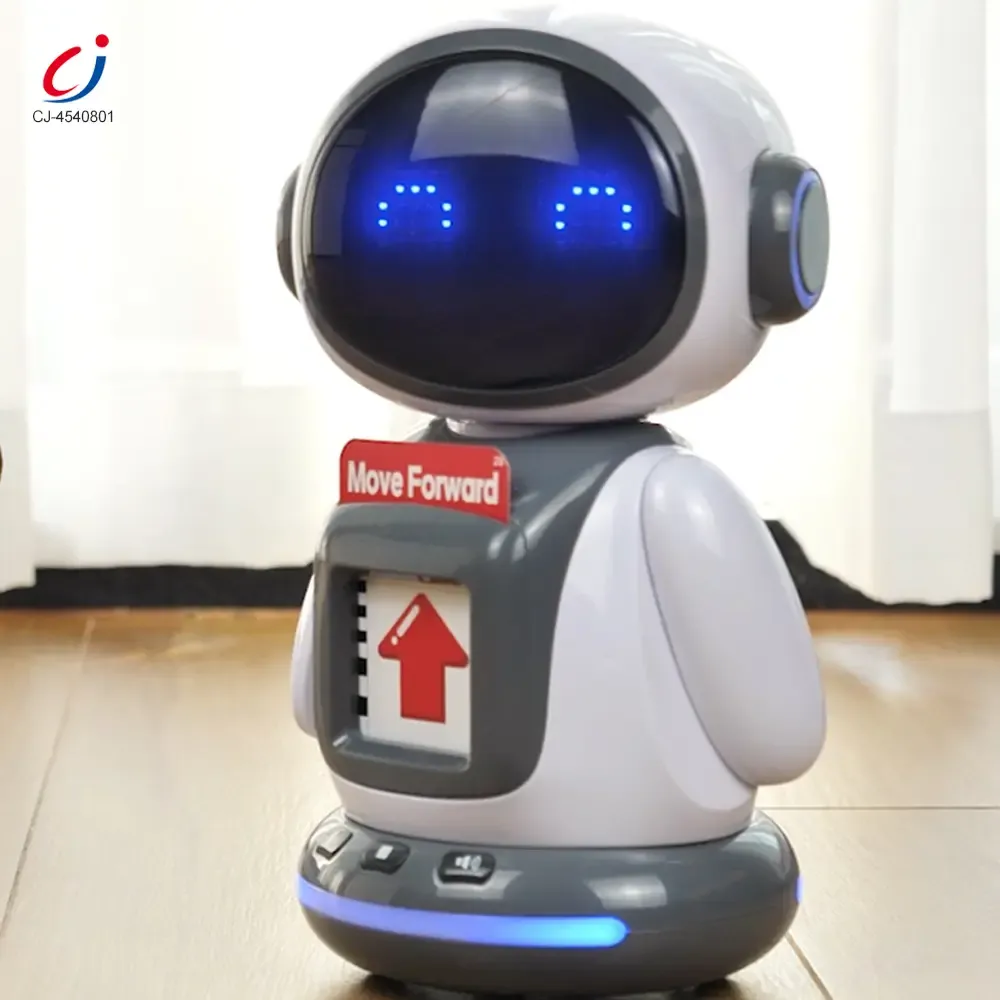
Pre-Programmed Robot Toy — Pros & Cons for Buyers
Advantages
- Lower unit cost: Simpler BOM and firmware reduce manufacturing expenses.
- Lower operational overhead: Minimal customer support and fewer app/firmware dependencies.
- Faster time-to-shelf: Less development and shorter certification cycles.
- Mass market appeal: Easier to market to broad audiences (gifts, supermarkets, discount channels).
Limitations
- Shorter engagement: Kids exhaust the built-in routines faster.
- Limited educational value: Hard to justify a STEM price premium.
- Commoditization risk: Easy for competitors to replicate similar behaviors.
- Lower upsell opportunities: Scarce scope for accessory packs or software monetization.
Best fit: Discount retailers, supermarkets, holiday impulse buys, volume seasonal orders.
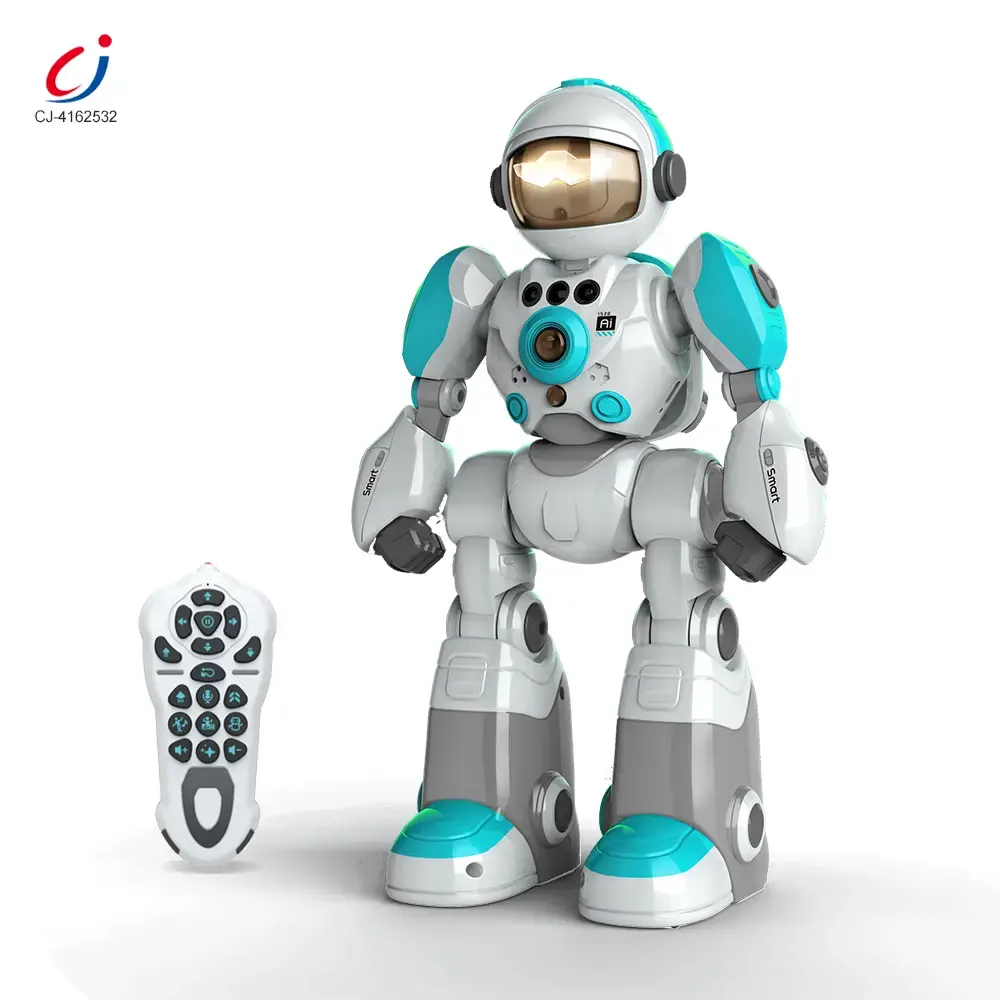
Programmable Robot Toy — Pros & Cons for Buyers
Advantages
- Stronger value proposition: Marketable as an educational toy with measurable learning outcomes.
- Higher ASP and margins: Buyers can position programmable robots at mid-to-premium price points.
- Longer retention & repeat purchases: Firmware updates, expansion modules, and curriculum packs extend lifecycle.
- Channel diversity: Appeals to specialty toy stores, educational suppliers, and online marketplaces targeting engaged parents.
Limitations
- Higher entry costs: More expensive BOM (sensors, microcontrollers), higher R&D, and certification complexity (EMC, wireless).
- After-sales demand: Apps, OTA updates, and localization increase operational complexity.
- User experience risk: Poor UX or buggy apps quickly generate returns and negative reviews.
- Longer lead times: Prototyping, testing, and software validation extend time to market.
Best fit: STEM education channels, specialty retailers, subscription boxes targeting engaged families, and brands building technical credibility.
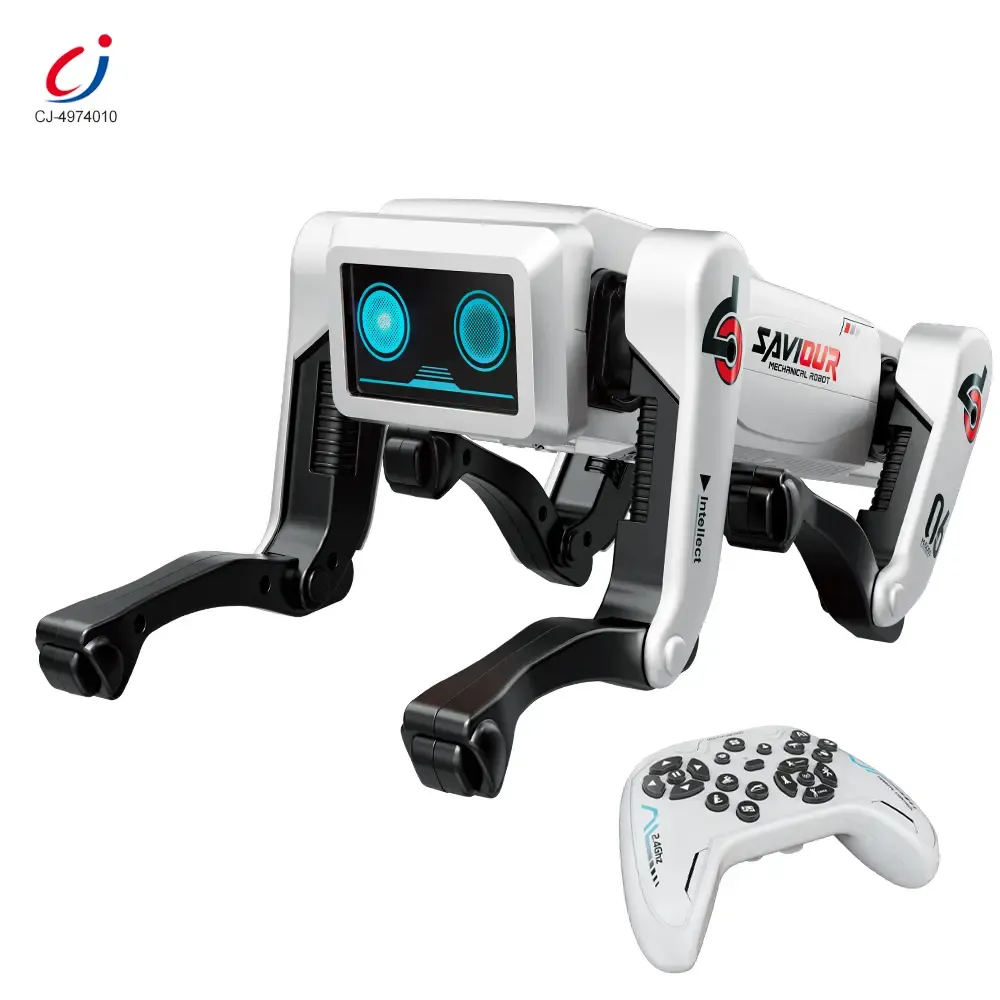
Hybrid & Semi-Programmable Models: The Pragmatic Middle Ground
Hybrid robot toy models combine simple programmability (button sequencing or block coding with limited commands) with the reliability of pre-programmed behaviors. For many buyers, hybrids deliver the best tradeoff:
- Lower technical risk than full app-driven robots
- Higher perceived educational value than dumb toys
- Easier support model (no complex app ecosystems)
Hybrid units are ideal for buyers testing the category or for retailers serving mixed customer segments.
MOQ and Margin Considerations
- MOQ impact: Programmable BOMs often increase MOQ due to higher per-unit tooling and component sourcing constraints.
- Certification costs: Allocate budget for EMC, radio approvals, and additional battery/transport tests (Li-ion/LiPo) for programmable units.
- Packaging & manuals: Programmable products need better manuals and multilingual app support — plan packaging cost accordingly.
Buyers should model margin not just on unit cost but on return rate, customer support cost, and potential for accessory sales.
Short Decision Matrix
| Channel / Goal | Pre-Programmed | Programmable | Hybrid |
|---|---|---|---|
| Supermarkets / Discount | Excellent | Poor | Good |
| Specialty / STEM Retail | Moderate | Excellent | Excellent |
| E-commerce (video driven) | Good | Excellent | Excellent |
| Educational Contracts | Poor | Excellent | Good |
| Low support capacity | Good | Poor | Good |
Quick Sourcing Checklist for a Robot Toy
- Ask the supplier for sample firmware & demo app.
- Verify EMC, radio, and battery test reports.
- Confirm spare-part MOQ and lead times.
- Request BOM and component ledger (to understand cost drivers).
- Pilot small MOQ before full roll-out; test returns and support response.
結論
There is no universally “better” robot toy — the right choice depends on your market positioning, operational readiness, and margin model:
- If you need fast, low-risk inventory for mass retail, choose pre-programmed models.
- If you sell to educators, specialty stores, or position for premium margins, invest in programmable models — but budget for support and validation.
- If you want to test the programmable segment with lower risk, start with hybrid models.
For buyers uncertain which route fits their strategy, request side-by-side sample testing (pre-programmed vs programmable vs hybrid) and simulate the first 30-day post-launch support load. The data from that pilot—returns, help tickets, and reviews—will be your best guide.
成吉について
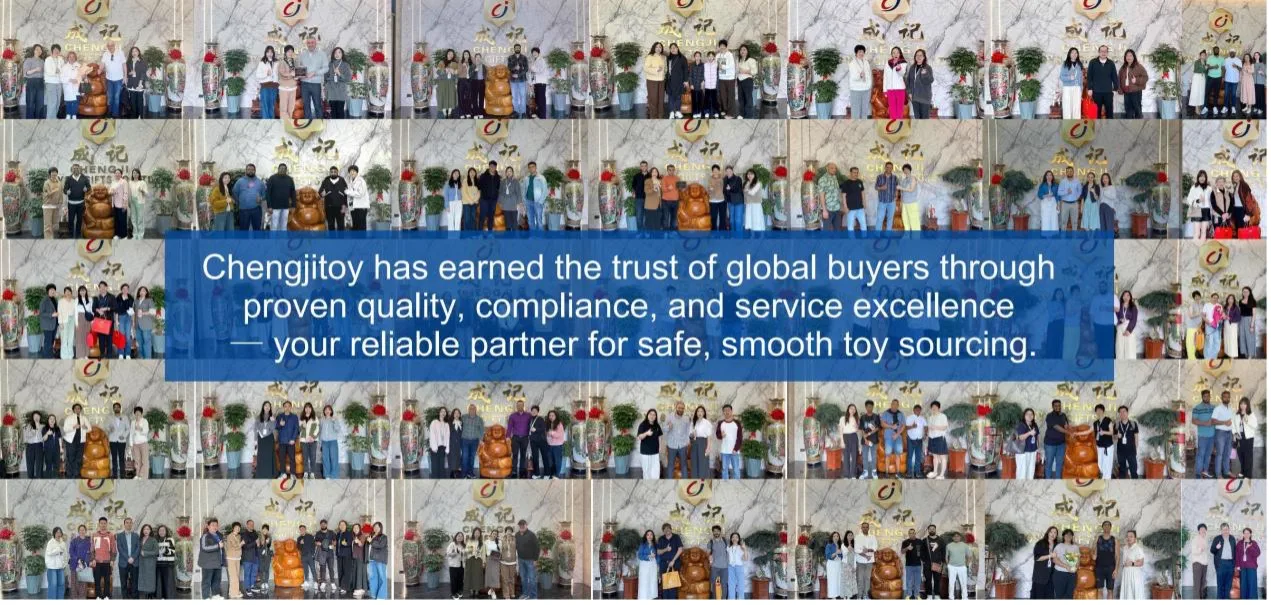
Since it was 1998 that Chengji has been founded and has been selling plastic toys. But now, Chengji has the capacity to offer wholesale robot toy supply そして custom robot toy solutions, pre-programmed or programmable, for retailers and brands, backed by our competitive factory and R&D department.
For years, we have helped many of our clients with our competitive toys. Recognized by our global clients, Chengji is a trustworthy トップ・トイ・サプライヤー for brands and retailers seeking safe, creative, and market-ready toys.
Wholesale Buyer FAQs
Q1: Can I source a programmable robot toy without technical support?
A: Not recommended. Programmable models require firmware support, app localization, and after-sales handling. Ensure you have demo firmware, a working app, and a clear return/support process before bulk orders.
Q2: Can a pre-programmed robot be marketed as “educational”?
A: Only with proof. Avoid STEM claims unless learning outcomes are validated. Use accurate messaging and request educational verification before promotion.
Q3: What certifications are critical for programmable robot toys?
A: Beyond toy safety (EN71 / ASTM), request EMC, wireless/RF, and battery transport (UN38.3) reports before shipment to avoid compliance risks.
Q4: Why is UX so important for robot toys?
A: Poor onboarding or buggy apps lead to fast negative reviews. Always test demo apps, user flow, and localization during sampling.
Q5: Do I need spare parts and battery planning?
A: Yes. Programmable units have higher service needs. Negotiate spare parts, replacement batteries, pricing, and lead times in advance.