The fondness for magnetic building block toys and the popularity of this kind of toy are growing at a skyrocketing speed nowadays because they combine low-friction assembly with open-ended possibilities, according to the report from our expert sales team.
For parents and educators who prioritize autonomy, sustained engagement, and creative thinking, these sets offer a reliable way to turn free time into meaningful skill-building.
In this blog, Chengji, a トップ・トイ・サプライヤー, explains why magnetic building blocks outperform many single-purpose toys for independent and creative play — and offers practical guidance for adults who want to maximize learning without taking over.
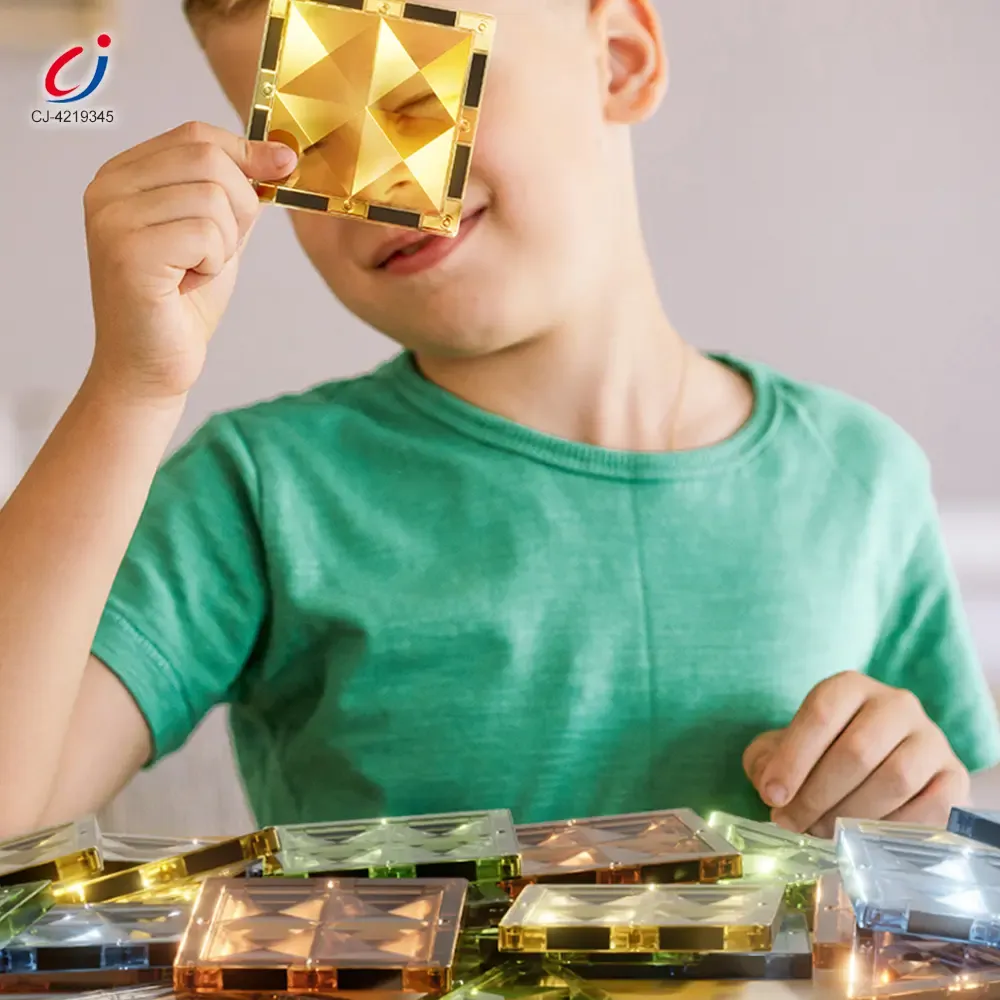
What We Mean by Independent and Creative Play
Independent play is a child-initiated activity that requires little or no adult direction.
Creative play refers to its open-ended nature, which means that there are multiple ends to a toy rather than a single solution.
Together, these modes of play support intrinsic motivation, problem-solving, and the ability to persist through failure.
A well-designed magnetic building block set supports both: children can start playing immediately, iterate designs without adult intervention, and invent endless scenarios from the same pieces.
The Open-ended Advantage of Magnetic Building Block Design
Three design features make magnetic building blocks especially suited to independence and creativity:
- Immediate success: Magnets snap together easily, reducing initial frustration and encouraging experimentation.
- モジュール性: Uniform connector geometry enables many configurations from the same inventory of parts.
- Safe reversibility: Failed builds collapse gracefully and can be reassembled, which invites trial-and-error learning.
This combination lets children test ideas quickly and see immediate consequences — a critical condition for self-directed learning.
How They Promote Independent Play
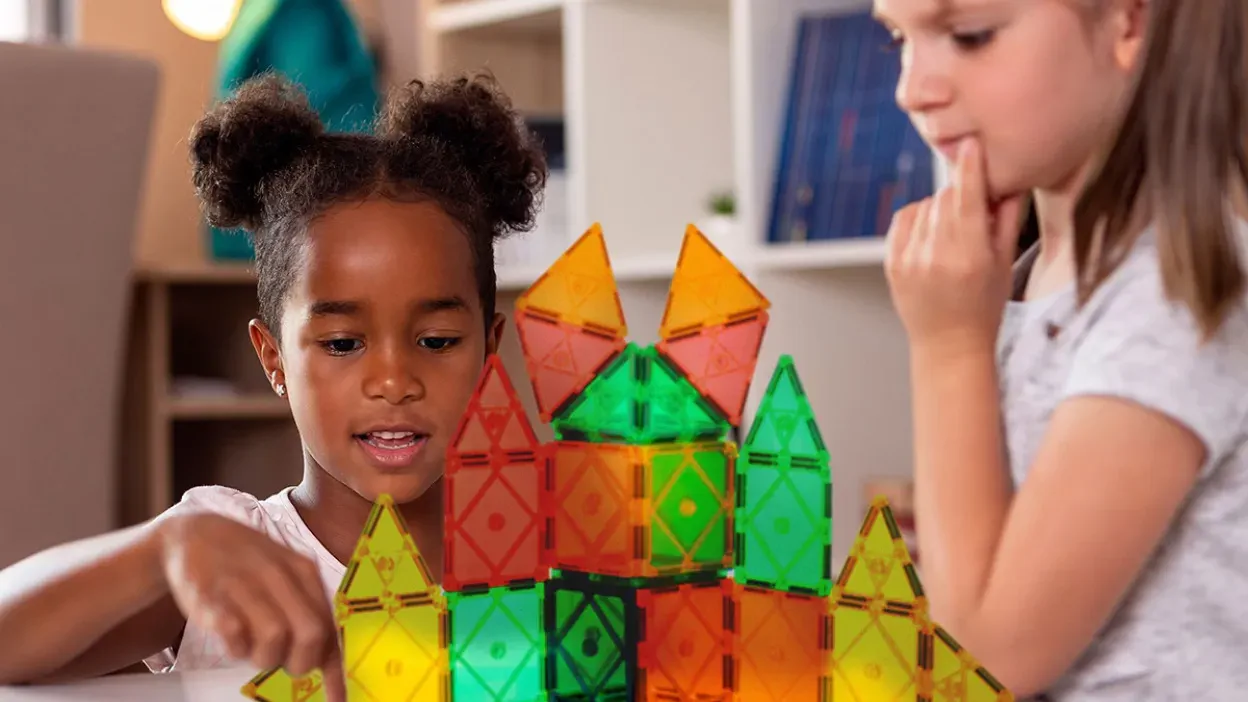
Confidence through accessibility. Because pieces join reliably, even very young children can build without help or intervention from parents. That early autonomy increases willingness to explore more complex constructions later.
Low-supervision learning loops. A child can design, test, observe, and iterate independently. These closed loops — design → test → refine — are self-reinforcing. Adults can provide one prompt (e.g., “Build a tall tower”) and let the child run multiple cycles without ongoing instruction.
Error-friendly environment. Magnetic connections remove many mechanical frustrations (stubborn snaps, misaligned pegs). When the obstacle is conceptual (how to support a bridge) rather than mechanical, children practice reasoning rather than manual brute force.
How They Stimulate Creative Thinking
Abstract-to-concrete translation. A child who imagines “a castle”, “a cottage”, or ” a tower with a spire” can quickly translate that mental image into a physical structure using magnetic building blocks. The toys encourage symbolic substitution — a block can be a wall, a wing, or a wheel depending on context.
Divergent possibilities. Because configurations are not pre-defined, children explore multiple solutions for the same challenge (e.g., how to make a taller tower stable). This exploration fosters flexible thinking and lateral creativity.
Narrative extension. Magnetic builds easily integrate with role-play: a child constructs a vehicle, assigns a character, and invents a route. Combining engineering with storytelling amplifies engagement and deepens imaginative play.
Cognitive Skills Developed Through Construction Play
Playing with magnetic building blocks develops a range of cognitive competencies:
- Spatial reasoning: Visualizing complex 3D relationships and predicting structural integrity and behavior. This is the foundation of geometry and architecture.
- Sequential logic: Planning assembly steps and understanding order dependencies.
- Problem-solving: Diagnosing instability, experimenting with supports, and choosing trade-offs.
- ワーキングメモリー: Holding a multi-step plan while manipulating pieces.
- Fine motor control: Precise placement and gentle alignment of magnetic faces.
These skills build a foundation for later STEM learning because they emphasize experimentation, measurement, and systematic iteration.
Age-appropriate Progression: How Sets Grow with the Child
A major strength of magnetic building blocks is their lifespan across developmental stages:
Toddlers (2–3 years): Large, simple shapes support stacking, color recognition, and cause-and-effect learning.
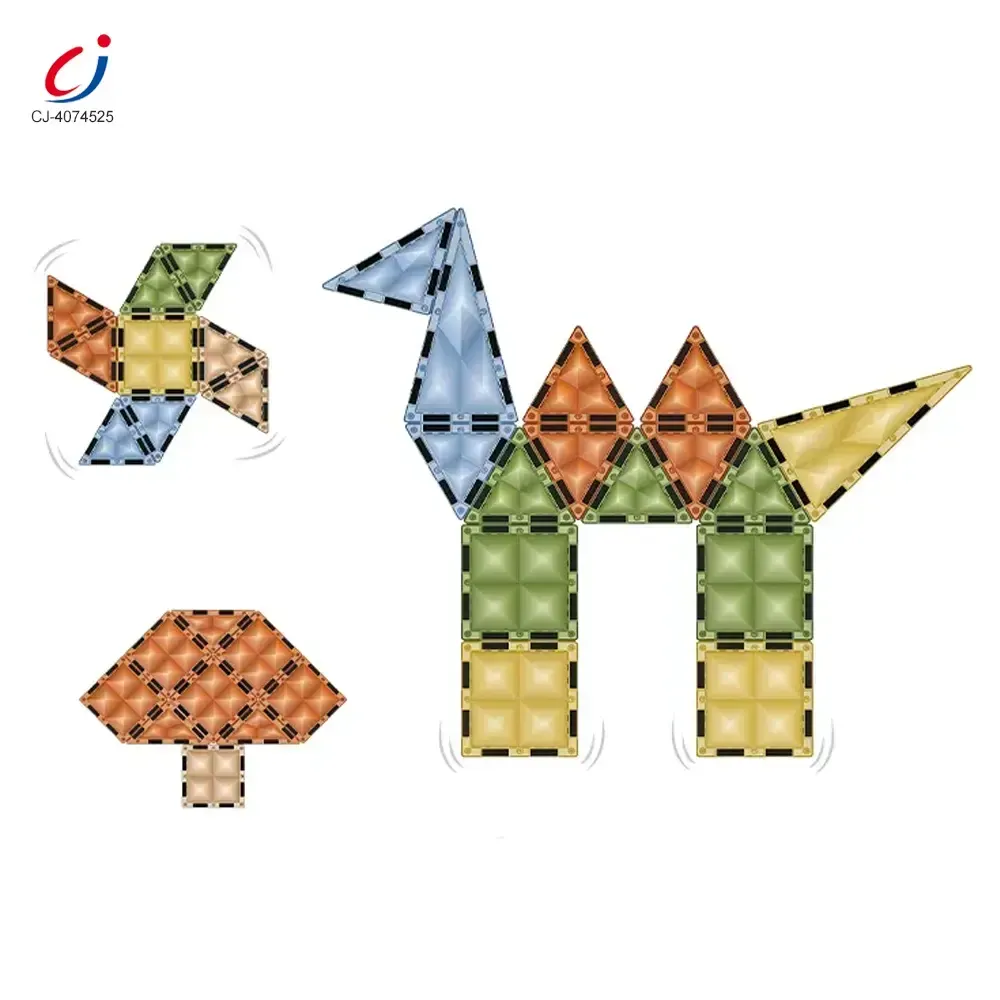
Preschool (3–5 years): Basic structures, ramps, and imaginative scenarios support symbolic play and cooperative sharing.
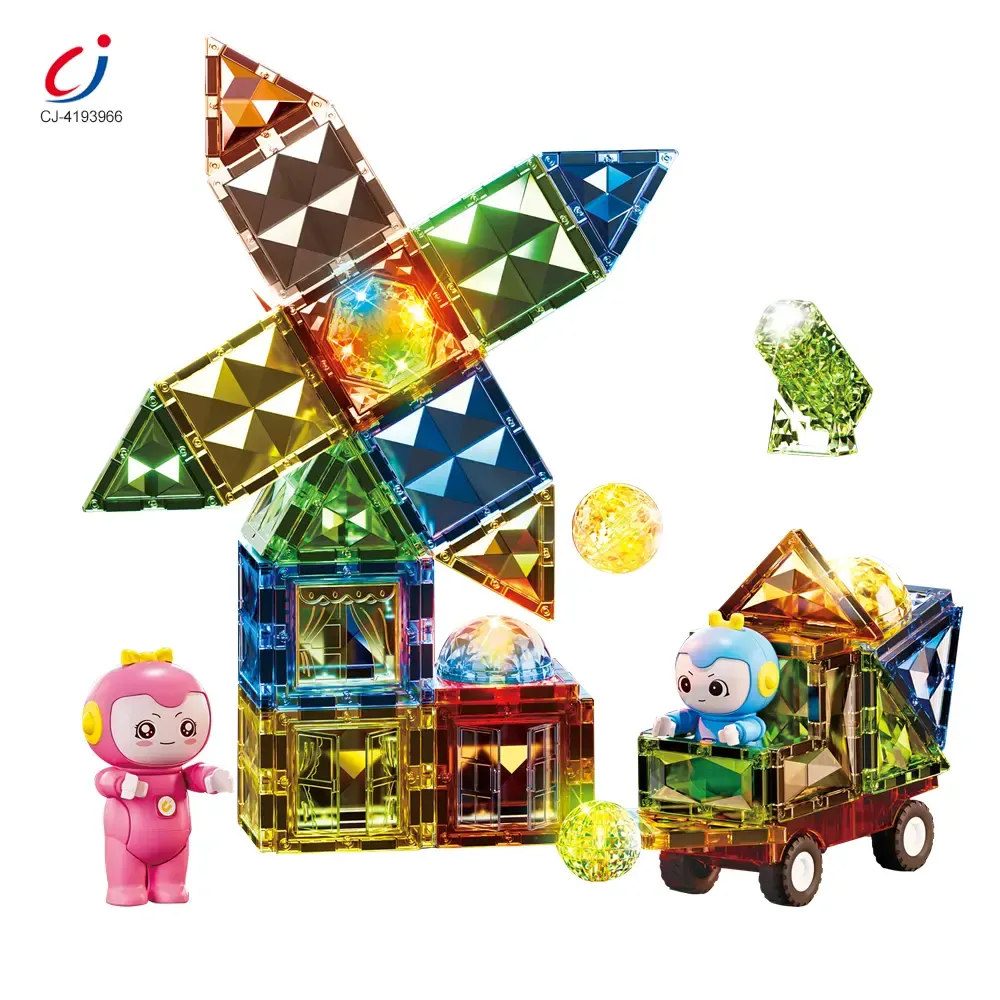
Early school age (5–8 years): Complex constructions that require planning, balance, and problem-solving. Introduction of simple engineering concepts (arches, cantilevers).
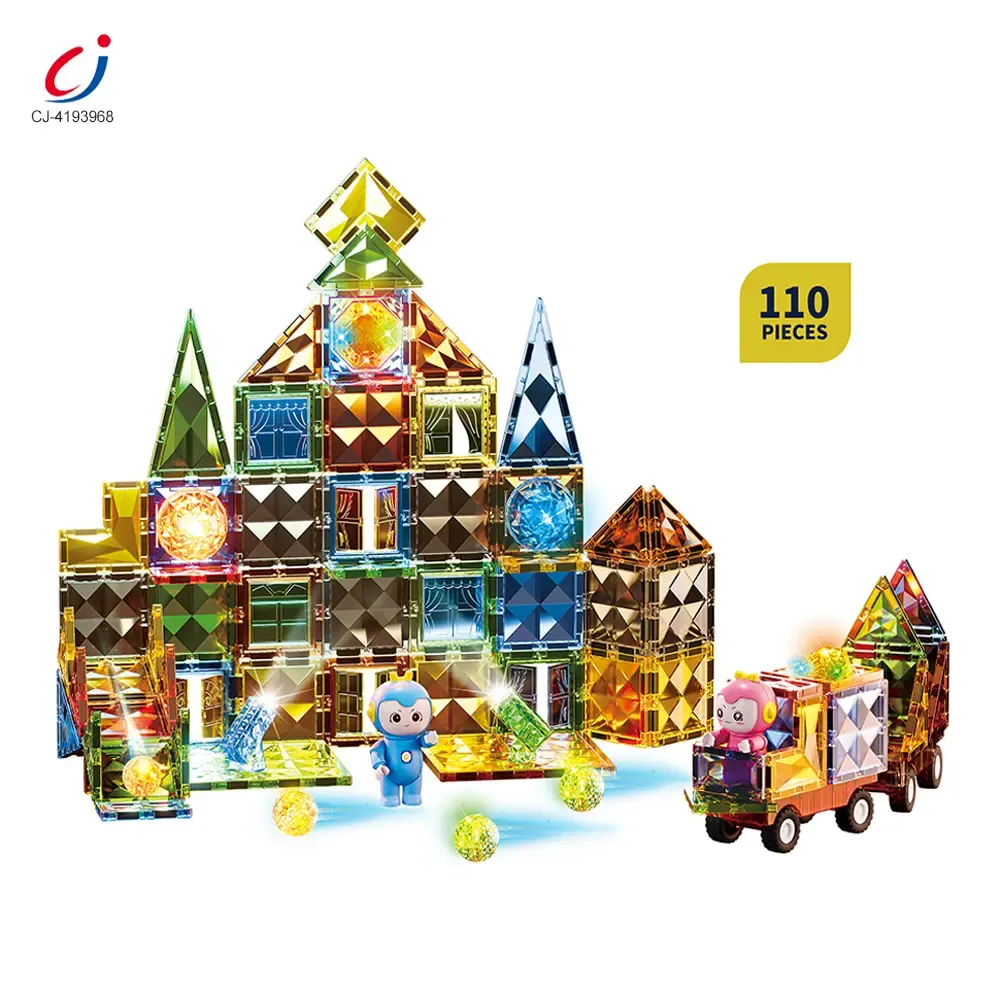
Older kids (8+ years): Advanced kits with gears, motorized modules, or integration into larger maker projects provide ongoing challenge and relevance.
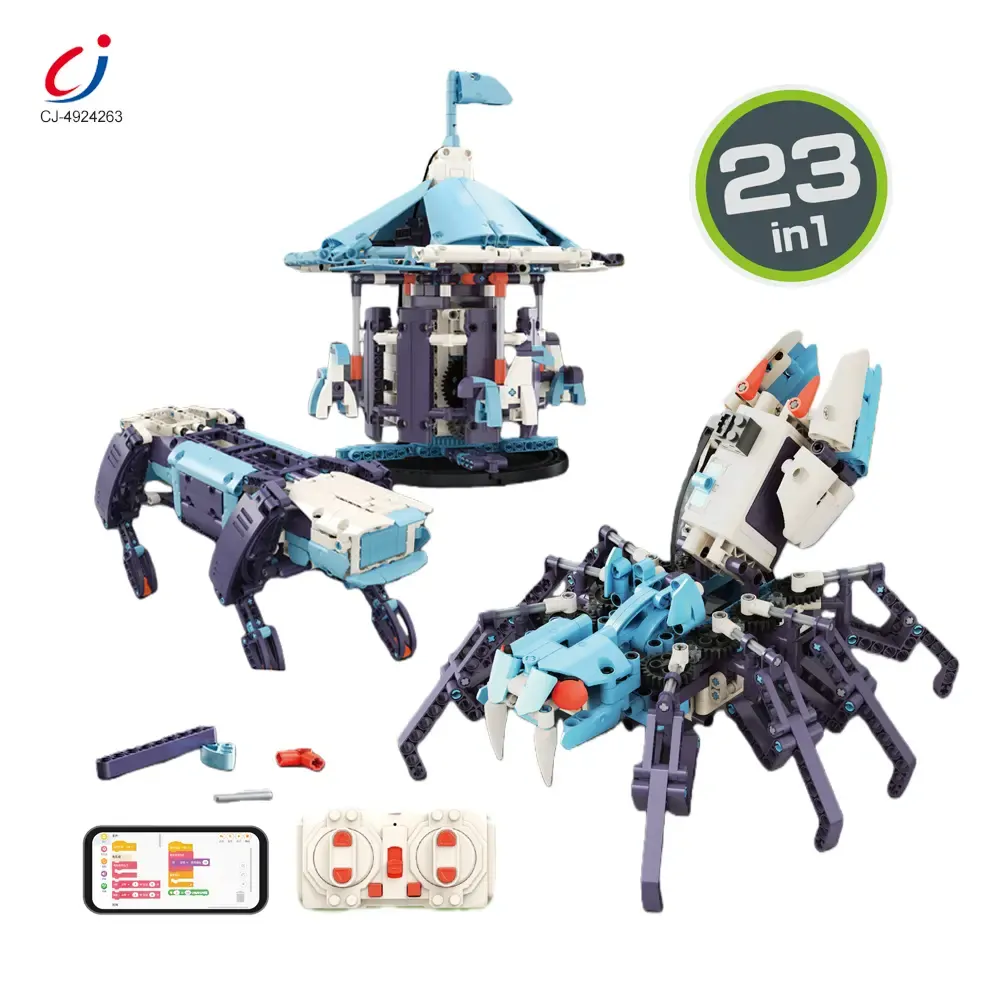
Designing assortments and expansions that match these stages keeps a magnetic building block product line commercially resilient.
From Solo Exploration to Collaborative Creativity
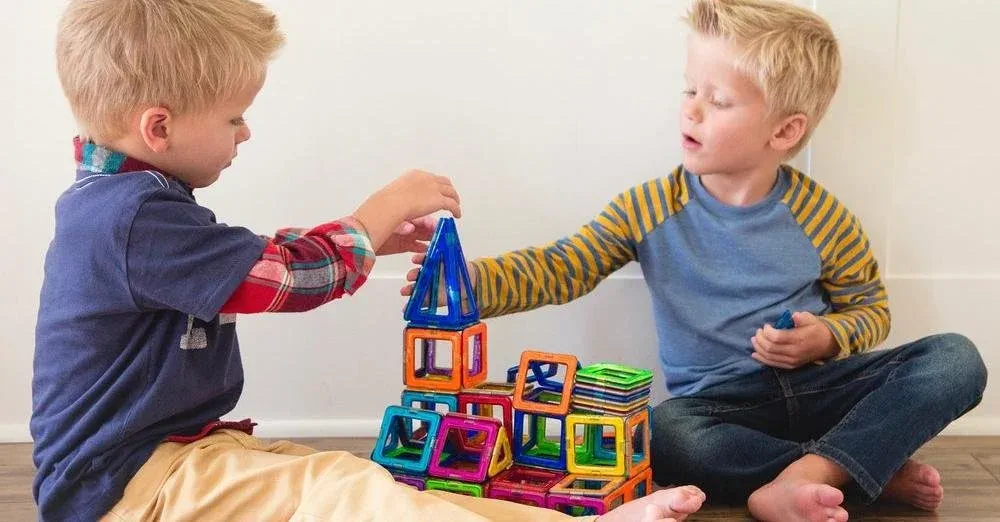
Independent play often seeds collaborative play. A child who has developed a structure alone will later invite peers to expand it, assign roles, or organize challenges. Magnetic building blocks naturally scaffold this transition:
- Solo builds lead to show-and-tell.
- Peers contribute alternative solutions, increasing complexity.
- Group projects teach negotiation, role allocation, and division of labor.
In classrooms and playgroups, sets with more pieces encourage cooperative problem-solving and social learning.
Practical Tips for Parents, Educators, and Buyers
- Start with just enough pieces. A small set fosters creativity without overwhelming a novice builder. Add expansions as competence grows.
- Use challenges, not instructions. Prompt children with a task (“build a bridge for the car”) rather than step-by-step instructions.
- Encourage one-variable testing. Ask children to change only one element before re-testing, supporting scientific reasoning.
- Provide a safe workspace. Flat surfaces and shallow bins make construction and cleanup easier, preserving momentum.
For buyers and educators, evaluate sets for durability, magnet strength, and interchangeability — features that sustain long-term independent play.
結論
A magnetic building block set is more than a toy; it’s a compact learning environment that privileges autonomy and imagination. By lowering mechanical barriers and emphasizing modularity, these toys let children take charge of their play, practice iterative problem-solving, and express creativity without waiting for adult direction.
For parents, educators, and buyers seeking high return on developmental value, magnetic building blocks are a durable, scalable, and research-aligned choice — a simple investment that yields substantial cognitive and creative dividends over years of play.
Reliable Magnetic Building Blocks Toy Supplier – Chengji

In recent years, Chengji has sniffed the change in the educational toy industry, which is steering towards toys that support open-ended play. As a トップ・トイ・サプライヤー with experience of more than 20+ years, our sales team and R&D department work together quickly to update our product catalog. We are able to provide wholesale educational toy supplies and a custom educational toy solution.
Cooperate with Chenji, you can get:
✅Low MOQ with factory price
✅Certified toys supply
✅Expert toy design team
✅Pragmatic industry tips from professionals