Sustainability has moved from a marketing nicety to a procurement requirement. Retailers, regulators, and parents increasingly demand credible environmental claims—and the toy category is no exception.
For wholesalers and buyers, understanding when and how to include sustainable toy SKUs is now a strategic business decision.
このガイドでは、チェンジーという人物が トップ・トイ・サプライヤー from China, explains what wheat straw plastic toy materials are, why they work for toys, commercial trade-offs, compliance points, and a practical supplier checklist to use before you commit.
Sustainable Toy is a Market Trend
Four market forces are making sustainability mandatory for toy assortments:
- Retailer requirements: Large chains and e-commerce platforms prioritize sustainable ranges for listing and promotional programs.
- Consumer preference: Parents favor products that appear safer and more responsible—especially in preschool and pretend-play categories.
- Regulatory pressure: Green procurement rules, Extended Producer Responsibility (EPR), and single-use plastic policies are expanding in major markets.
- Brand risk: Greenwashing penalties and reputation damage from unsupported claims are real costs.
A credible, sustainable toy strategy reduces regulatory exposure and unlocks premium positioning.
What Is a Wheat Straw Plastic Toy?
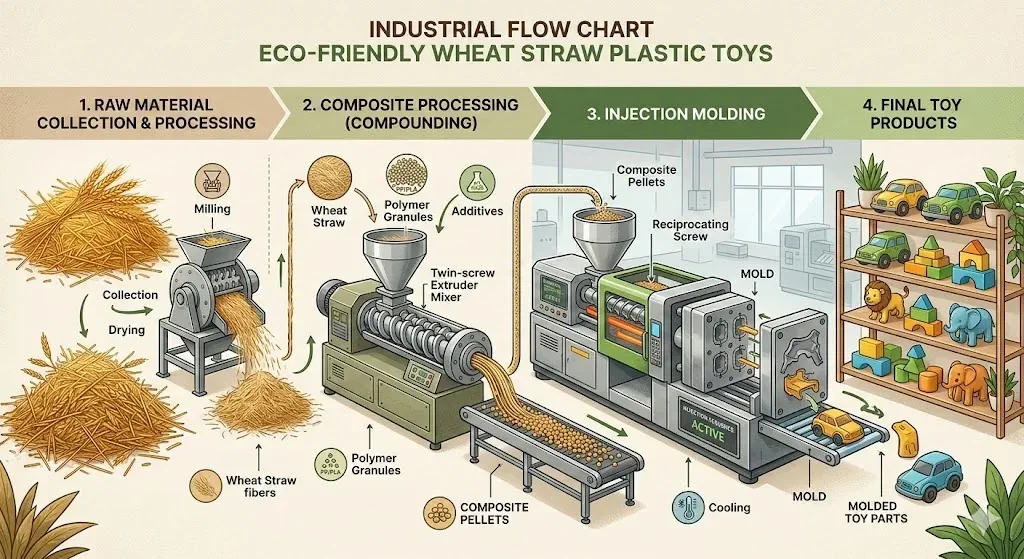
A wheat straw plastic toy is produced from a biocomposite that replaces part of the virgin polymer with processed agricultural residue—wheat straw fiber. The straw is dried, milled, compounded with a polymer (commonly PP or PLA blends), pelletized, and then injection-molded into parts.
Key manufacturing steps:
- Collect and clean post-harvest straw.
- Mill to control particle sizes; dry to target moisture.
- Compound straw with polymer and additives into pellets.
- Injection mold final parts on standard tooling with adjusted cycle parameters.
Because compounding and molding align with standard injection workflows, suppliers can often introduce wheat straw plastic toy SKUs without major capital changes.
Why Wheat Straw Composites Are Considered Sustainable
- Waste valorization: Converts agricultural residue that is otherwise burned or discarded.
- Lower fossil content: Reduces the share of petroleum-based plastics per part.
- Potential carbon reduction: Life-cycle analyses often show lower embodied carbon versus pure virgin plastics.
- Circular messaging: Supports narratives around resource efficiency and lower plastic intensity.
These characteristics make wheat straw plastic toys attractive to retailers needing verifiable sustainability claims.
How Wheat Straw Plastic Material Benefits Sustainable Toy Manufacturing
Lower environmental impact
Wheat straw reduces reliance on virgin resins and can improve a brand’s overall material profile.
Safe and non-toxic
Many toy buyers are asking whether wheat straw plastic is safe. Chengji can tell that high-quality wheat straw plastic compounds can meet BPA-free, phthalate-free standards and, in many cases, be formulated to food-contact or teether-safe specifications when tested.
Lightweight and durable
When properly compounded, wheat-straw parts provide adequate stiffness and impact resistance for many toy categories—especially rigid, non-transparent components.
Best Product Fits for Wheat Straw Toys
Wheat straw composites work best where optical clarity and ultra-smooth finish are not required. Strong category fits include:
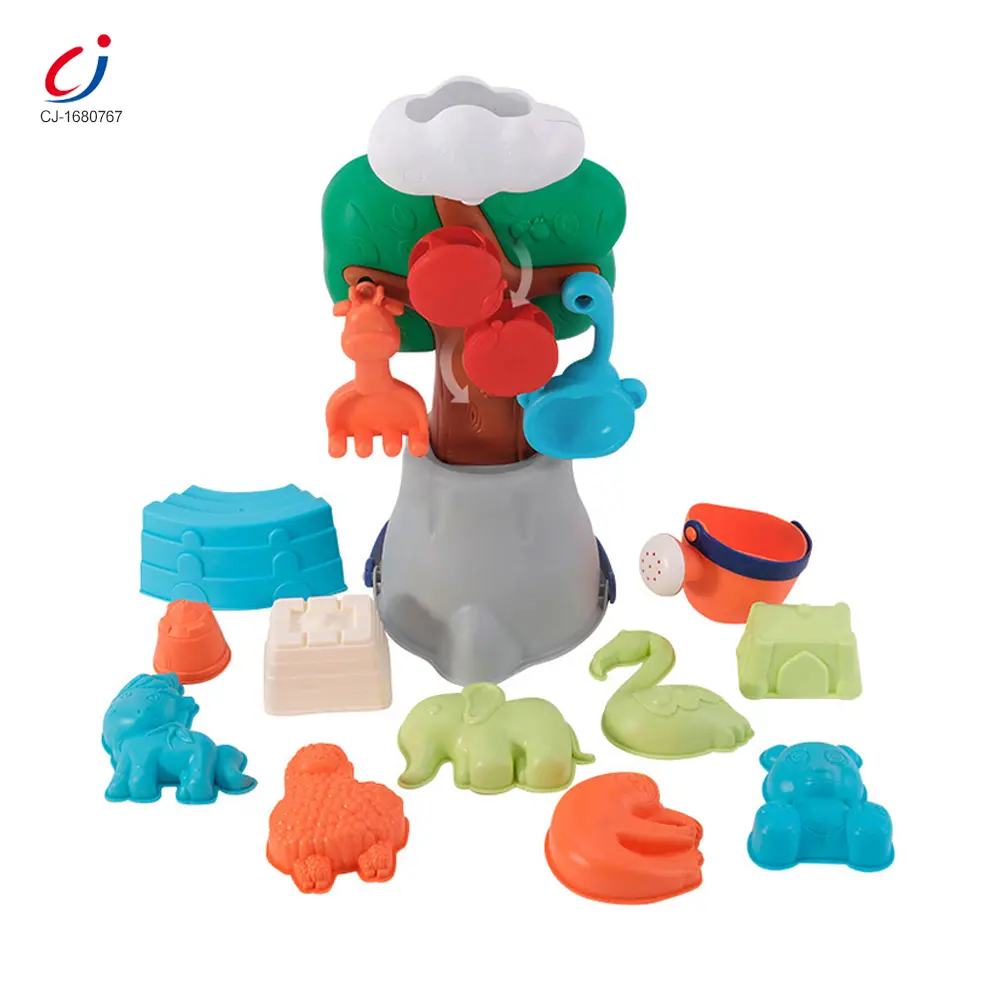
- Educational stacking toys and shape sorters
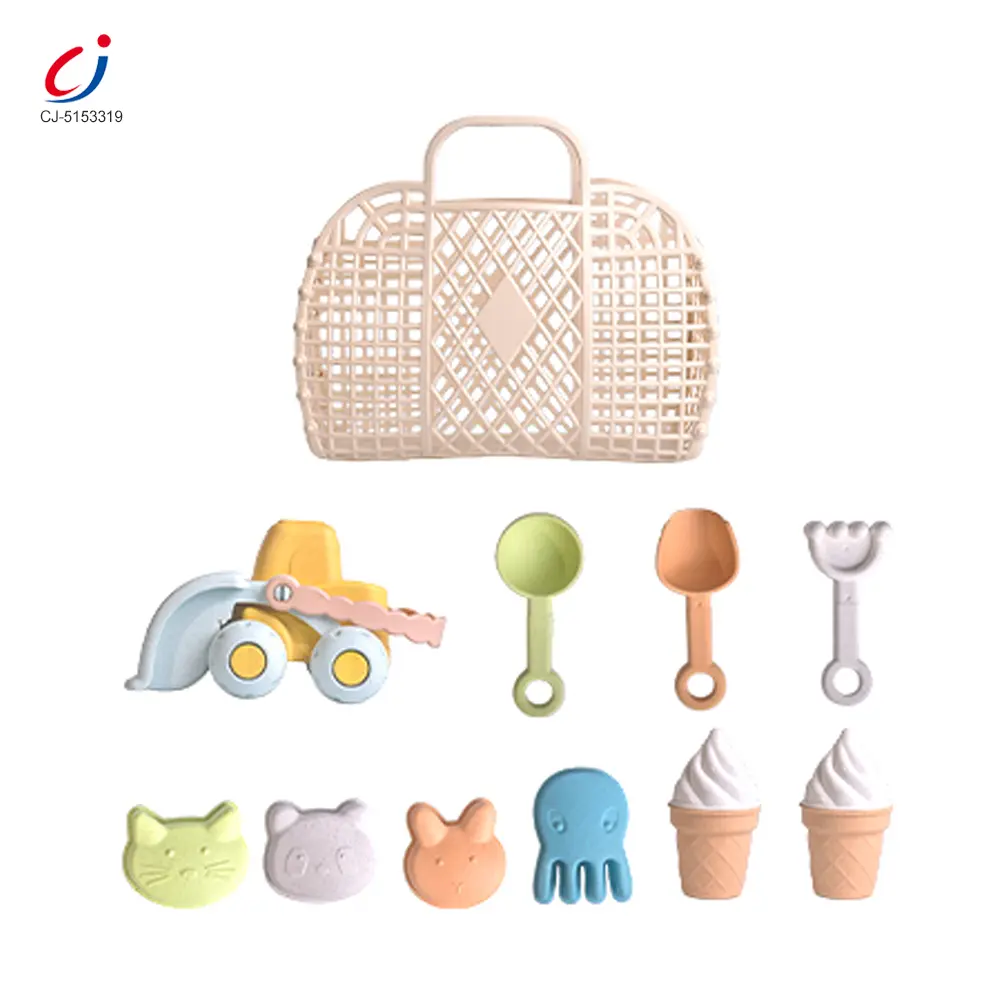
- Pretend-play accessories (play food, plates, utensils)
- Molded figures and role-play parts (non-flexible)
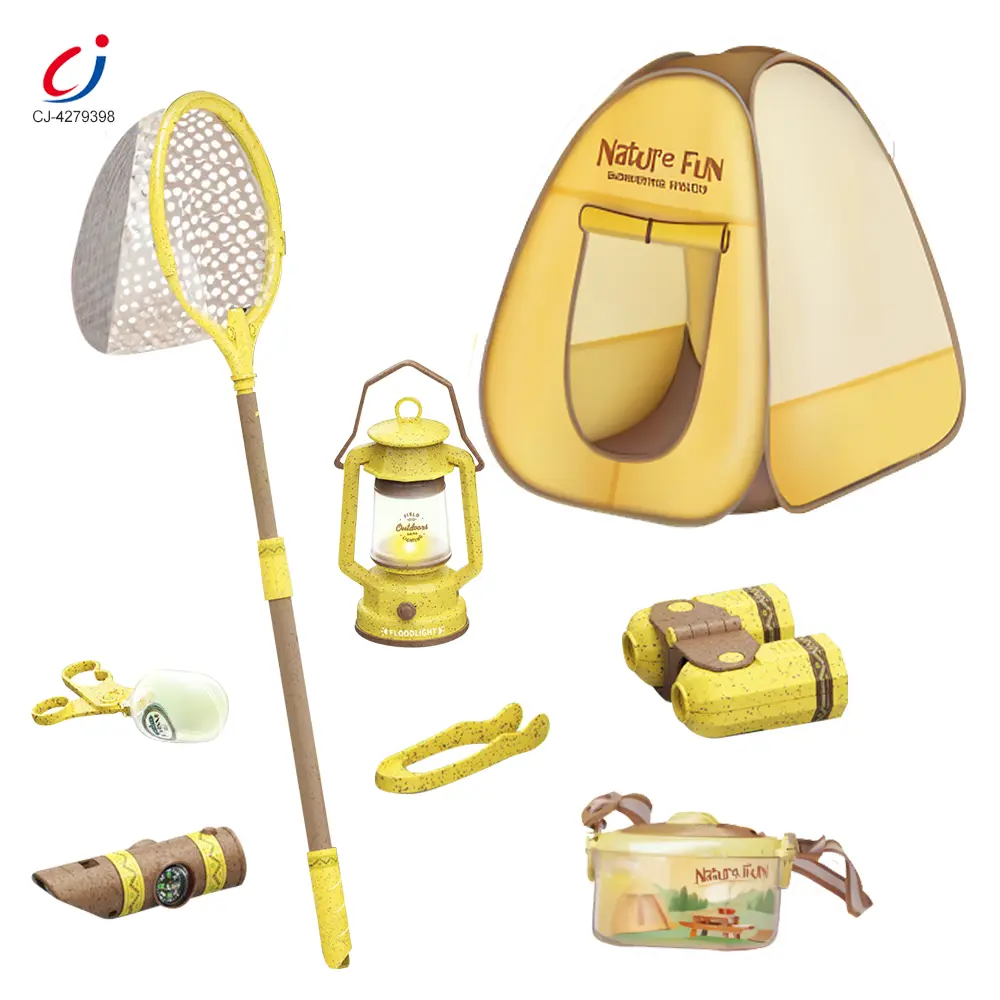
- Outdoor exploration tools (compass housings, bug kits)
Avoid wheat straw for thin flexible clips, transparent windows, or high-precision mechanical gears unless material testing confirms suitability.
Wheat Straw Plastic Sustainable Toy Definitely Requires Compliance and Certification
A sustainable toy still must be a safe toy. Require production-batch test reports for target markets:
- EN71 (EU): mechanical, flammability, chemical migration
- ASTM F963 / CPSIA (US)
- REACH compliance, where applicable
- UN38.3 and transport documentation for any battery-powered SKUs
Insist that lab reports are batch-linked—i.e., run on samples from the supplier’s compound batch scheduled for your PO—rather than generic certificates.
Trade-off Table of Sustainable Toy Material
| Factor | Traditional Plastic | Wheat Straw Composite |
|---|---|---|
| Raw material cost | Stable | Slightly higher (varies) |
| Molding process | Standard | Standard (compounding step added) |
| Retail price potential | Standard | Often supports small premium |
| Consumer perception | Neutral | Positive (eco/health cues) |
Although raw cost may be slightly higher, sustainable toy positioning commonly permits higher retail prices and better placement—offsetting incremental production cost.
Practical Limitations and Mitigations
- Surface texture & color: Wheat-straw parts often have matte, slightly textured finishes. Mitigate by embracing natural palettes and tactile design.
- Transparency & gloss: Not ideal for clear components—use traditional polymers where needed.
- Mechanical extremes: For high-stress internals, hybrid designs (wheat-straw housings + engineering-plastic internals) work best.
- Supplier variability: Qualify at least two compounders and require pilot production runs.
These mitigations keep product quality high while retaining the sustainability story.
Wheat Straw Plastic Toy Supplier Evaluation Checklist
Before placing a PO, require the following from suppliers:
- Material spec sheet: straw/polymer ratio, additives, particle size.
- Batch-linked test reports: EN71/ASTM and chemical migration results for your compound batch.
- Compounding records: moisture control, dispersion, pellet quality evidence.
- Production samples: molded parts from the factory line with intended color and finish.
- Durability tests: drop, UV, and repeated use appropriate to the SKU.
- Traceability: lot numbers and raw material logs.
- Sustainability claims evidence: third-party verification if claiming recycled content or biobased percentage.
- Packaging alignment: eco packaging options and correct on-pack language.
Require all documentation to be tied to the PO and to production timestamps.
Commercial Rollout Playbook
- Pilot small: launch 200–1,000 units across two channels (education retailer + online).
- Measure: returns, reviews, and durability feedback over 60 days.
- Iterate: fix any compounding or tooling issues, then scale.
- Position: emphasize safety and testing in product pages; use lifestyle imagery that supports natural aesthetics.
- Bundle: upsell expansion packs or accessories to increase AOV.
This staged approach reduces risk and builds retailer confidence.
Sustainable Toy Outlook For 2026
Macro trends favor the adoption of wheat straw plastic toys:
- Broadening sustainability rules in key markets.
- Retailer eco programs are expanding SKU requirements.
- Parents demand perceived safer, natural toys.
- Agricultural waste valorization is gaining policy and supply incentives.
These drivers point to steady growth for sustainable toy SKUs across mainstream and specialty channels.
結論
A credible, sustainable toy strategy that incorporates wheat straw plastic toys offers wholesalers a practical way to meet retailer standards, satisfy consumer preferences, and differentiate assortments. The material’s compatibility with existing injection processes, combined with strong marketing and compliance discipline, makes wheat-straw composites one of the most realistic sustainability levers for toy buyers in 2026. Use the supplier checklist, pilot method, and category guidelines above to introduce eco SKUs without sacrificing quality or operational readiness.
成吉について
Chengji is a global B2B 玩具サプライヤー from Chenghai, the Town of Toys in China. We are able to control key production stages—from material compounding and injection molding to finishing and quality inspection—ensuring stable quality across large production batches.
With decades of experience in toy manufacturing, Chengji supports sustainable toy development while maintaining strict compliance with international safety standards.
For distributors, retailers, and private labels, the company provides OEM/ODM services, including product design, material selection, branding, and packaging customization, delivering a reliable sustainable toy supply for scalable toy programs.