Magnetic building blocks are widely praised for their educational value, but safety concerns are real and deserve attention. As a 최고의 장난감 공급업체 from China, Chengji’s answer is that yes, when they are high-quality, properly certified, and used according to age recommendations.
This article explains the risks, the safety standards to check, how to choose secure sets, and practical supervision tips so parents can make informed purchases without losing the developmental benefits.
Safety is the Priority of Playing with Magnetic Building Blocks
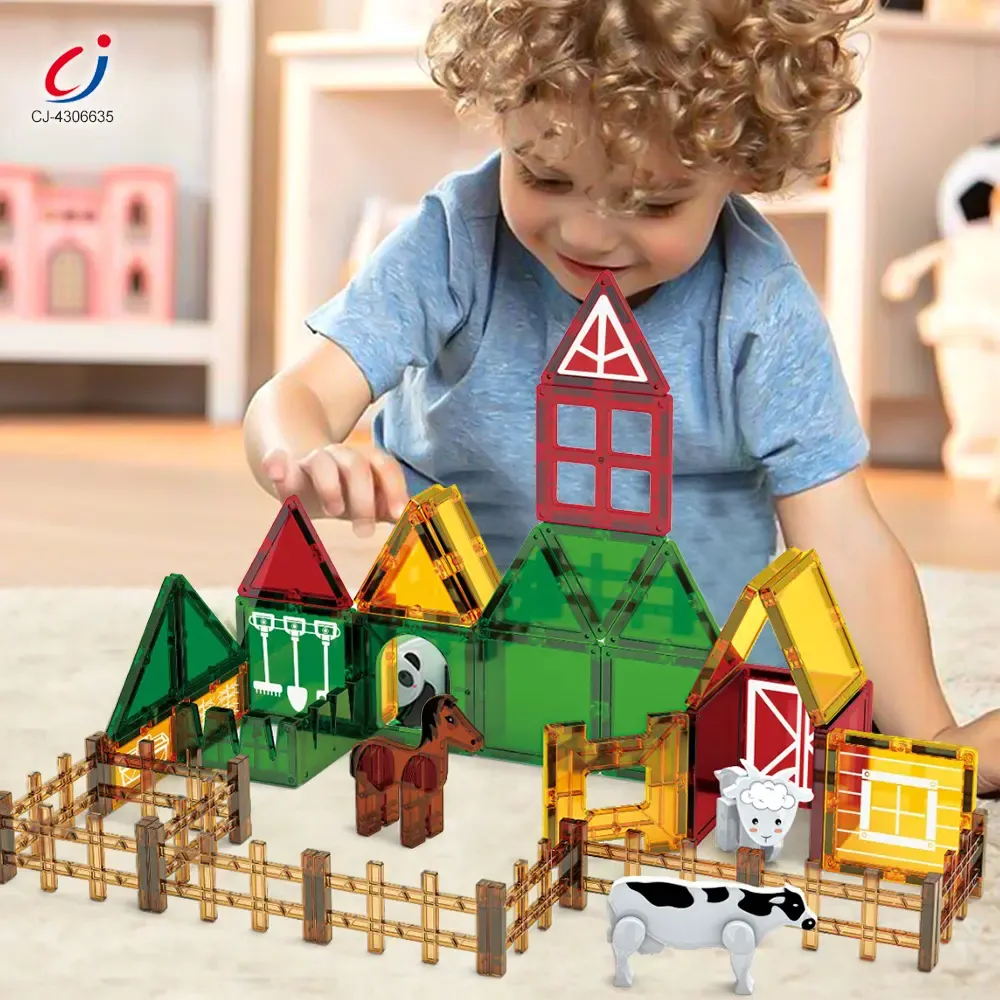
Magnets enable easy, open-ended construction that supports spatial reasoning and early STEM thinking. The same property—strong attraction between parts—creates the hazard: if magnets detach or small magnetic pieces are accessible, a child who swallows more than one magnet risks severe internal injury.
The hazard is not theoretical: multiple swallowed magnets can attract across intestinal walls, causing perforation, obstruction, or necrosis. Safety, therefore, depends on product design, manufacturing quality, and age-appropriate selection.
Key Risks that Magnetic Toys can Cause to Understand
- Detached magnets: Poor encapsulation or brittle shells allow magnets to come loose during play.
- Choking on small parts: Small accessories or thin plastic inserts can be swallowed by toddlers.
- Low-quality materials: Cheap plastics may crack or split, exposing internal magnets.
- Misleading piece counts: “100 pieces” may include non-magnetic filler parts that add clutter but not safe play value.
These risks are avoidable when sets are designed and tested to appropriate standards.
Relevant Safety Standards For Magnetic Building Blocks
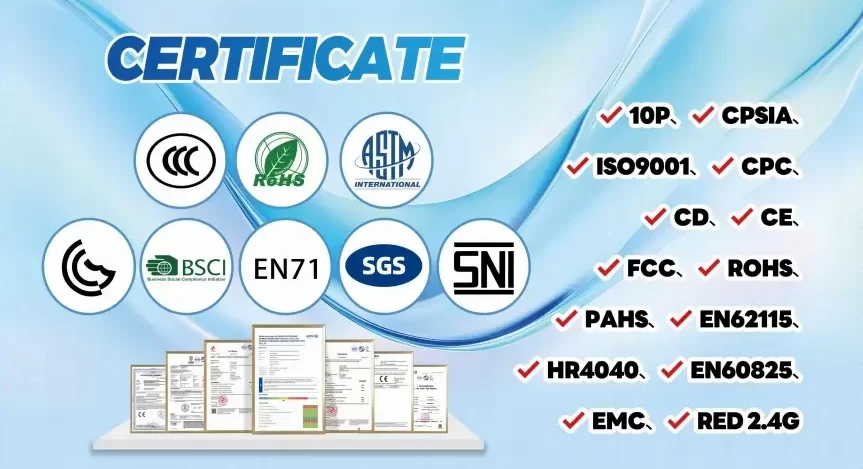
Look for evidence of compliance with reputable standards in your market. These standards address mechanical integrity and magnetic retention of the magnetic building blocks toy:
- EN71 (EU toy safety standard) — key for products sold in the European Union. It covers mechanical tests and small-part assessments.
- ASTM F963 (US standard) — widely applied in the United States market; includes magnet testing protocols.
- CPSIA / CPSC — U.S. legal requirements and consumer protection enforcement; check for documentation from the CPSC.
- CPSIA (toy chemical restrictions and tracking) and other national regulations — verify the product’s test reports for the specific country you live in. (When shopping, ask vendors for batch-linked lab reports rather than generic certificates.)
A set that lists standards but cannot produce batch-linked test reports is a red flag.
How to Evaluate a Magnetic Building Block Set Before Buying
- Check the magnet encapsulation method. Good designs use ultrasonic welding or chemical bonding plus a double-shell, not simple glue. Ask the seller how magnets are secured.
- Ask for retention and impact test results. Request lab reports showing magnets remain enclosed after specified drop and torque tests.
- Confirm usable piece count. Verify the number of magnetic building pieces, not counting filler accessories.
- Verify material safety and finish. Smooth, rounded edges and dense plastic reduce cracking risk. Avoid brittle materials.
- Look for recognized third-party testing labs. Independent lab reports (and photos of production samples used in testing) are more trustworthy than supplier-only claims.
- Buy from reputable brands or retailers. Established brands are more likely to invest in robust QC and traceability.
If a seller resists sharing test data or sample photos, do not buy.
Age Guidance For Parents
This is a general recommendation for parents, with the perspective of an 교육용 장난감 공급업체:
- Under 3 years: Avoid standard magnetic sets. Many are not appropriate due to small parts and the swallowing risk.
- Ages 3–5: Choose large-piece sets specifically rated for preschool, with sealed magnets and no detachable small accessories. Supervise all play.
- Ages 6+: Standard 자기 빌딩 블록 sets are generally appropriate if certified; children can better follow safety rules and manipulate pieces without breaking them.
Manufacturer age labels matter, but verify that the set’s design matches the age claim (large parts, welded seams, and strong shells for younger kids).
Practical Safety Habits for Parents and Caregivers
- Supervise younger children until you confirm that a child can play safely alone.
- Inspect toys regularly for cracks, loose seams, or weakened parts and discard damaged pieces immediately.
- Teach rules early: “No putting blocks in your mouth” should be repeated and enforced.
- Store sets safely: Keep them in a box off the floor when not in use to prevent younger siblings from accessing them.
- Keep spare parts on hand: If your set is repairable, maintain a local spare kit (glue is not acceptable for securing exposed magnets).
- Act fast on ingestion: If a child swallows a magnet or you suspect ingestion, seek emergency medical care immediately—time is critical.
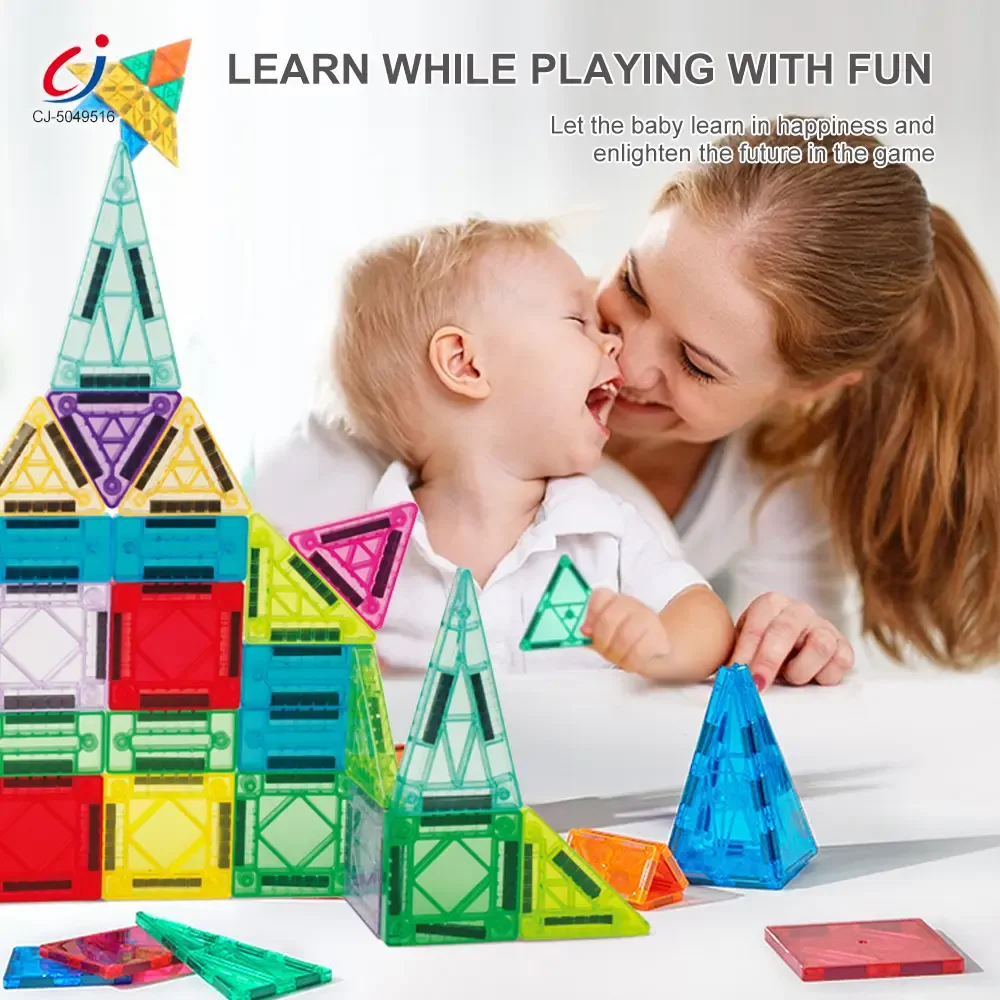
Benefits Outweigh Risks When Sets Are Chosen Correctly
When designed, manufactured, and certified properly, 자기 빌딩 블록 sets deliver meaningful benefits: improved spatial reasoning, early engineering concepts, fine-motor practice, and cooperative play. The difference between safe and unsafe magnetic toys is almost always traceable to manufacturing quality and honest testing.
Magnetic Building Block Toy Buyer Quick Checklist (Summary)
When buying magnetic building block toys for kids, check these items quickly:
- Verify batch-linked EN71 / ASTM test reports.
- Confirm robust magnet encapsulation (welded double-shell preferred).
- Confirm real magnetic-piece count.
- Prefer larger-piece preschool sets for ages 3–5.
- Buy from reputable brands and request production-sample photos.
- Inspect periodically and supervise young children.
결론
Magnetic building blocks are not inherently dangerous; poorly designed ones are. Use standards, documentation, and simple inspection to distinguish well-engineered sets from risky imports. With the right purchase choices and basic supervision, parents can safely use 자기 빌딩 블록s to support rich, creative, and developmentally valuable play.
청지 소개

Chengji is a professional toy supplier from China. We offer wholesale educational toys that focus on safe, educational construction toys for global brands and distributors. Chengji designs and provides magnetic toys that comply with international safety standards such as EN71 and ASTM, supporting reliable distribution in global markets.
For B2B customers, Chengji offers flexible OEM/ODM toy services, including custom piece counts, packaging design, branding, and product development tailored to specific market needs.