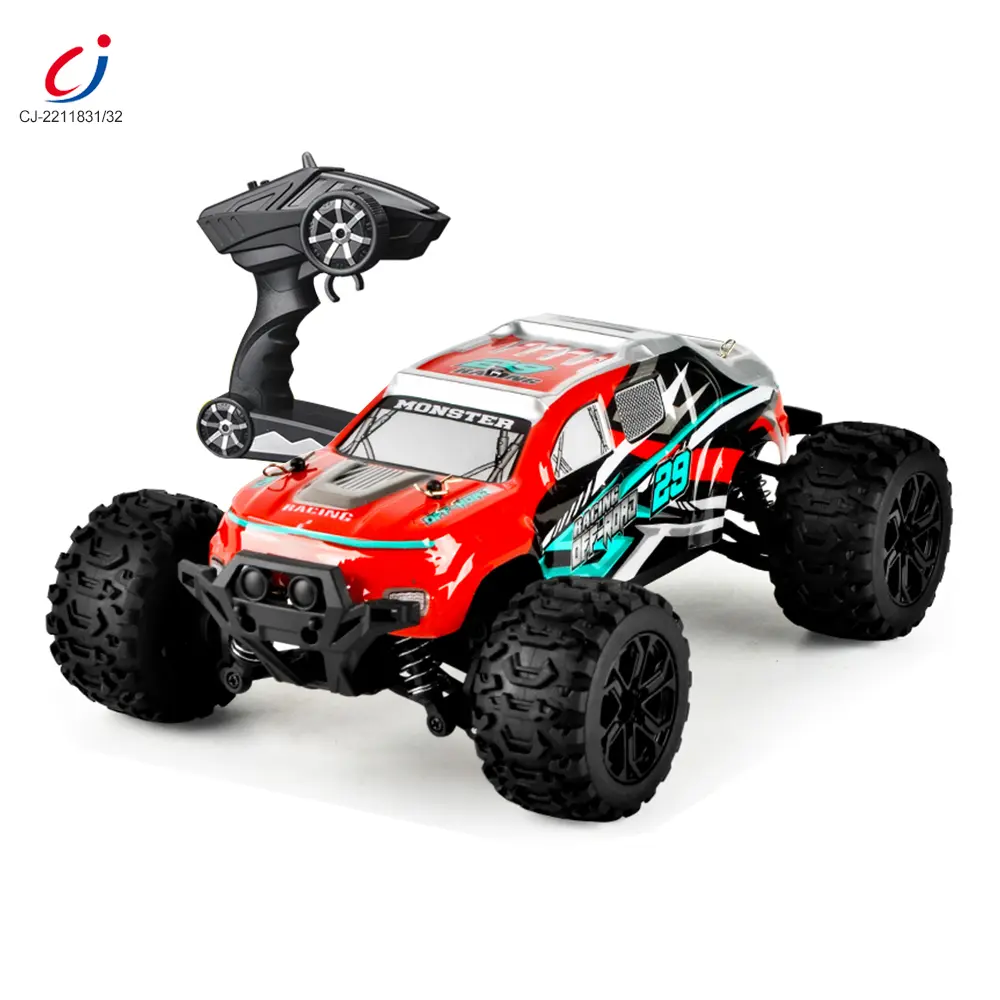
As a top toy supplier from China, Chengji understands that RC cars wholesalers are in a rock and the hard place to process their business. Deciding between brushed and brushless RC cars needs a clear commercial framework — price, performance, and after-sales risk drive different choices. Chengji Toy offers this guide that translates the technical differences into a purchasing strategy so you can position SKUs by channel, margin, and customer segment.
Why Understand Brushed and Brushless RC Car Important
- Market signal: searches for brushless models and premium RC cars are rising in developed markets.
- Key tradeoffs wholesalers face: price vs performance, return rate exposure, and customer targeting.
- Goal: decide when to source brushed units for volume and when to invest in brushless for margin and reputation.


Technical Foundation of Brushed and Brushless Motors
Brushed motor
- Uses carbon brushes and a commutator for electrical switching.
- Mechanical contact conducts current and reverses polarity.
- Pros: simple, low BOM cost, easy repair. Cons: brush wear, electrical arcing, lower efficiency.
Brushless motor
- Electronic switching (via ESC) controls current; no brushes.
- Pros: higher efficiency, higher RPM capability, longer life. Cons: higher component cost (motor + ESC), requires firmware integration.
Efficiency comparison (conceptual formula):
Efficiency = Output Power / Input Power
Practical point: brushless systems convert a higher share of battery power into wheel power, reducing heat and improving run time per charge. It is targeting premium markets with added value, like engineering and scientific assembly.
Cost Structure Comparison
Manufacturing cost difference
- Brushed motors are typically 20–40% cheaper per unit in mass production.
- Brushless requires an ESC and sometimes a higher-spec battery and connectors; BOM rises accordingly.
Retail pricing impact
- Brushed models sit in the entry retail band.
- Brushless fits mid-to-premium bands, where hobbyists expect performance.
Margin analysis
- Brushed: lower unit margin but faster turnover; suitable for price-sensitive retail and gift channels.
- Brushless: higher ASP and margin; supports specialty channels and loyal customers willing to pay for performance.
| Hobbyists/enthusiasts | Brushed RC car wholesale | Brushless RC car wholesale |
|---|---|---|
| Cost | Low | Higher |
| Price band | Entry | Mid–Premium |
| Margin | Moderate | High |
| Target customer | Children / gift buyers | Hobbyists / enthusiasts |
Brushed motors remain cheaper, but the overall system gap has narrowed: good brushless motor + ESC combos from China are now very competitive. Retail bands are realistic but shifting downward for the brushless entry threshold.
Durability & After-Sales Risk
Wear & tear
- Brushed: predictable brush wear; common failure mode, easy to explain and replace.
- Brushless: fewer mechanical failure points; failures are often electronics-related (ESC, sensor), which require higher skill to diagnose.
Return-rate implications
- Entry channels: novice users cause higher returns on both types, but brushed motors are easier to fix locally.
- Hobby channels: returns are lower, but complaints are more technical and affect reputation.
Spare-parts strategy
- For brushed motor RC car lines, stock brush sets, spare gears, and basic motors.
- For brushless motor RC car lines, secure ESC modules, replacement rotors, and firmware support from suppliers.
Procurement note: E-commerce channels amplify after-sales costs. If selling on marketplaces, account for support staffing and spare inventory in margin models.
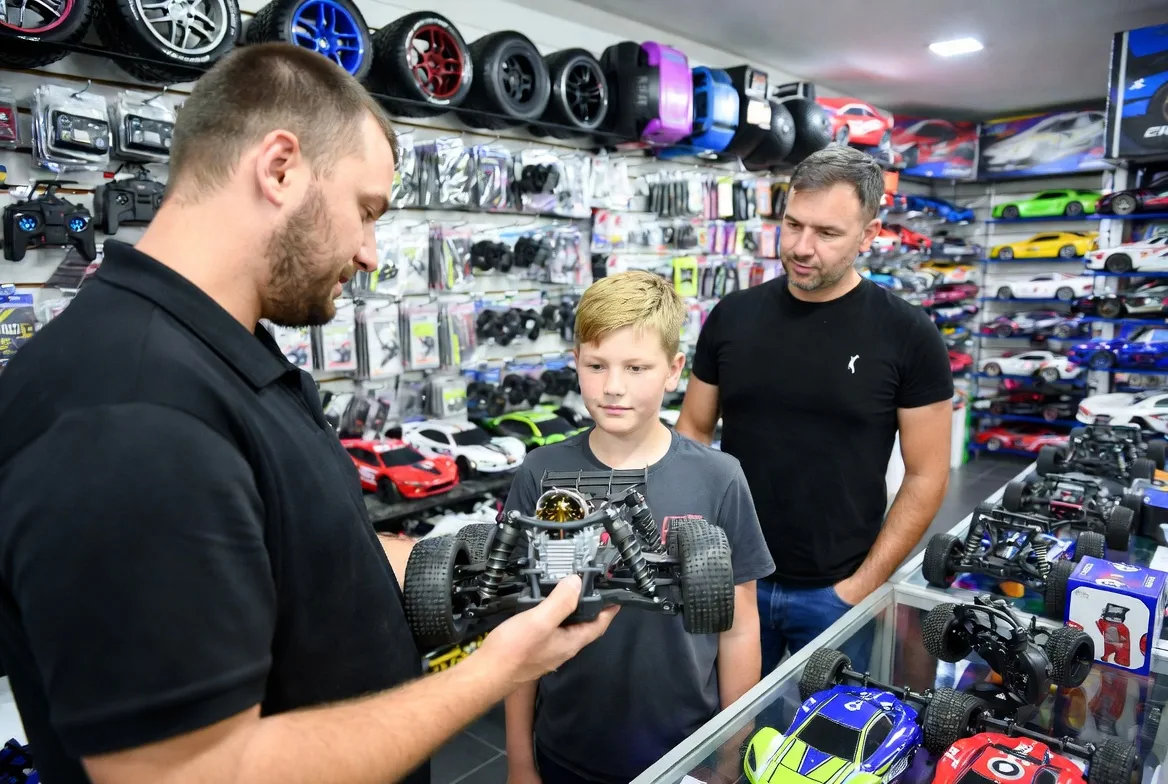
Market Segmentation
Choose brushed when:
- Targeting mass retail, supermarkets, or emerging markets.
- Price sensitivity dominates purchasing decisions.
- You need high SKU velocity with simple after-sales handling.
Choose brushless when
- Selling to North America, Europe, or specialist hobby channels.
- Your brand or reseller can support higher ASP, technical documentation, and firmware updates.
- You want a premium SKU that sustains higher ratings and repeat buyers.
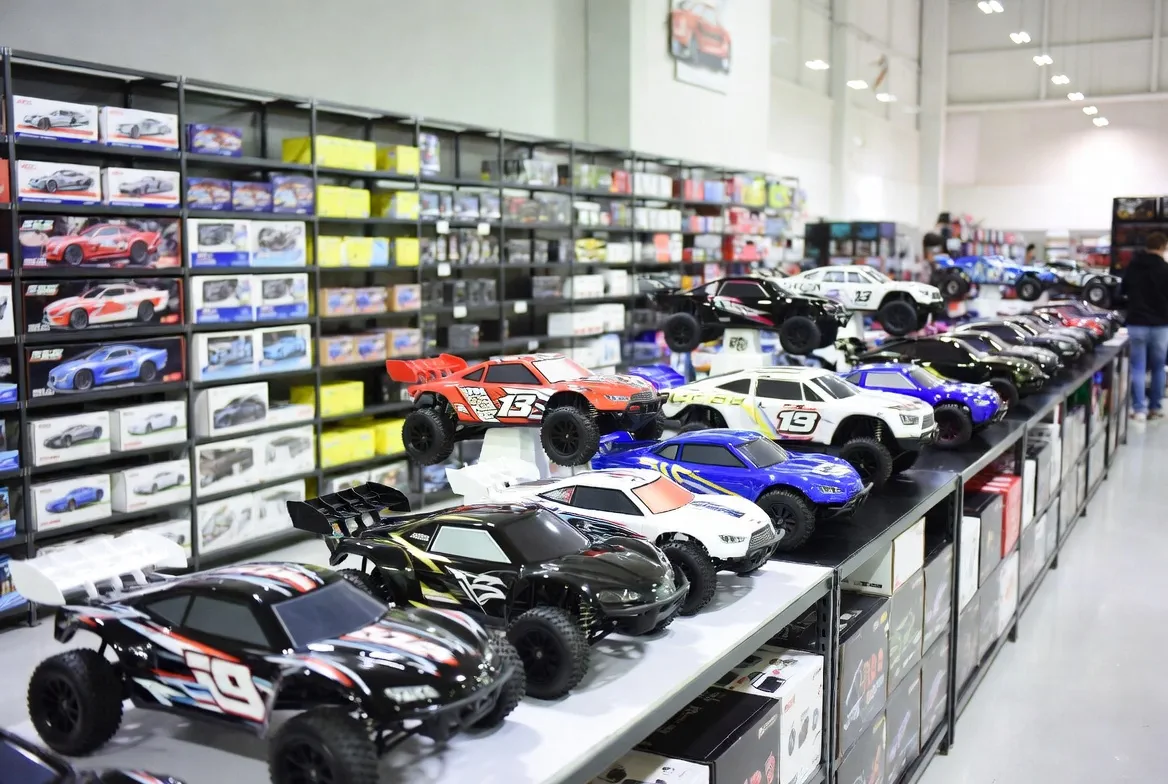
Performance Comparison: Torque, Speed, and Battery Efficiency
Key relation:
Power = Torque ∗ Angular Velocity
Practical implications:
- Brushless motors maintain higher power at high RPMs with less thermal degradation.
- For competitive RC cars (off-road, racing), brushless is the clear technical advantage.
- For casual play, brushed motors provide acceptable performance at much lower cost.
Battery efficiency differences: brushless setups typically deliver longer usable runtime from the same battery capacity and generate less heat — an important customer selling point.
OEM & Product Positioning Implications
If you build private-label lines:
- Low-end series (brushed): target popularity-oriented retail. Emphasize affordability, safety, and colorful design. Keep the kit simple and parts modular.
- Pro series (brushless): target the premium hobbyist market. Emphasize performance specs, battery runtime, ESC features, and upgradeability. Offer spare parts and firmware support.
Product line stratification increases cross-sell opportunities and lets you serve both volume and premium segments.
Decision Framework for RC Car Wholesalers
Use this checklist to choose the product type:
- Are you prioritizing turnover or margin? → turnover = brushed; margin = brushless.
- Is your channel DIY/support ready (tutorials, firmware updates)? → if no, favor brushed.
- Is your core market price-sensitive or performance-driven? → price = brushed; performance = brushless.
- Are logistics and battery compliance handled? Brushless often pairs with higher-spec batteries — confirm UN38.3 and transport rules.
Rule of thumb: if you sell on Amazon with video demos and active support, brushless offers better ROI. If you supply discount stores or volume supermarkets, brushed is lower risk.
Conclusion
In wholesale strategy, the choice between brushed and brushless RC car models should be driven by channel economics, customer expectations, and after-sales capability — not by specifications alone. Brushed systems deliver volume and price competitiveness, while brushless platforms support higher margins and long-term brand positioning. A balanced product portfolio that aligns motor type with the target market is the most sustainable approach for RC car wholesalers.
About Chengji

Chengji Toy is a direct RC car manufacturer with in-house development and quality control systems dedicated to B2B supply. By managing motor integration, chassis production, and electronic configuration internally, Chengji ensures stable batch performance across brushed and brushless platforms. Production runs follow standardized BOM control and testing procedures, supporting consistent reorders for distributors and private-label programs.
Our factory provides OEM/ODM services for RC cars, including custom specifications, branding, packaging, and performance tuning aligned with target markets. Chengji focuses on scalable manufacturing, controlled quality output, and long-term wholesale partnerships rather than short-term trading supply.