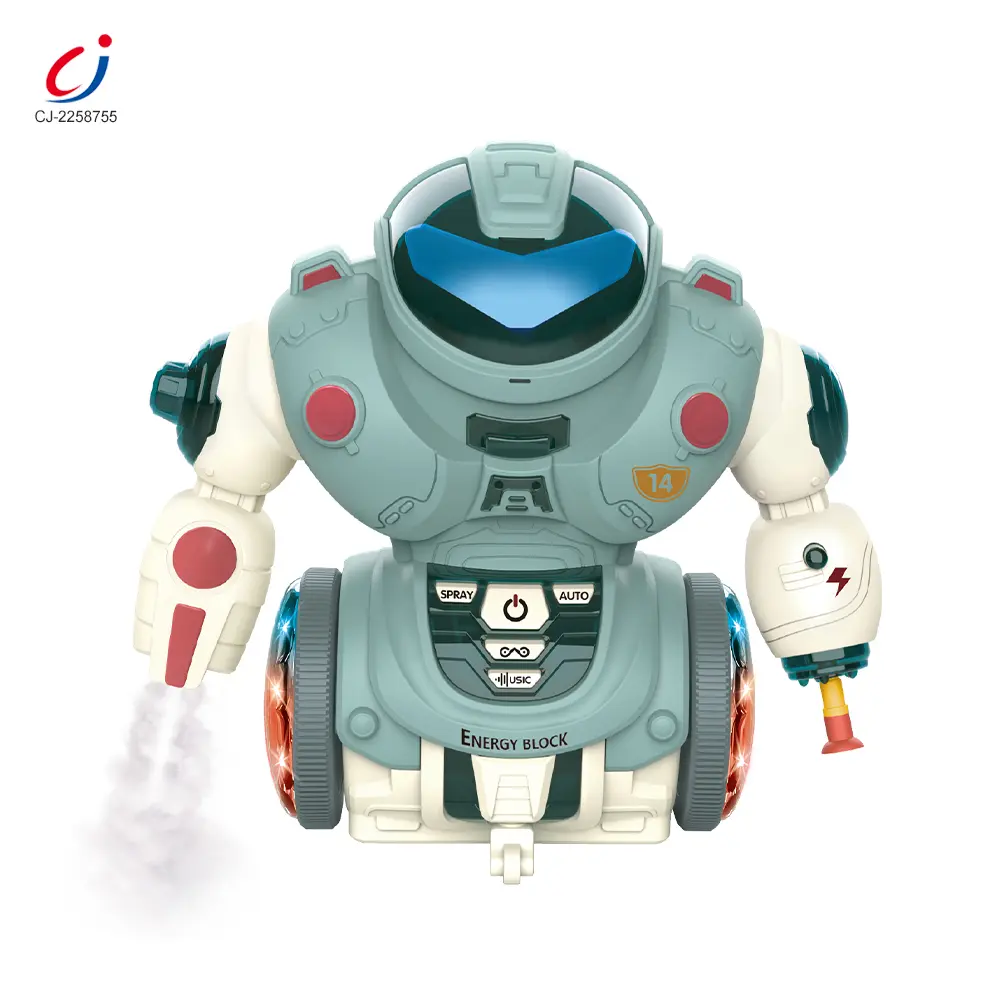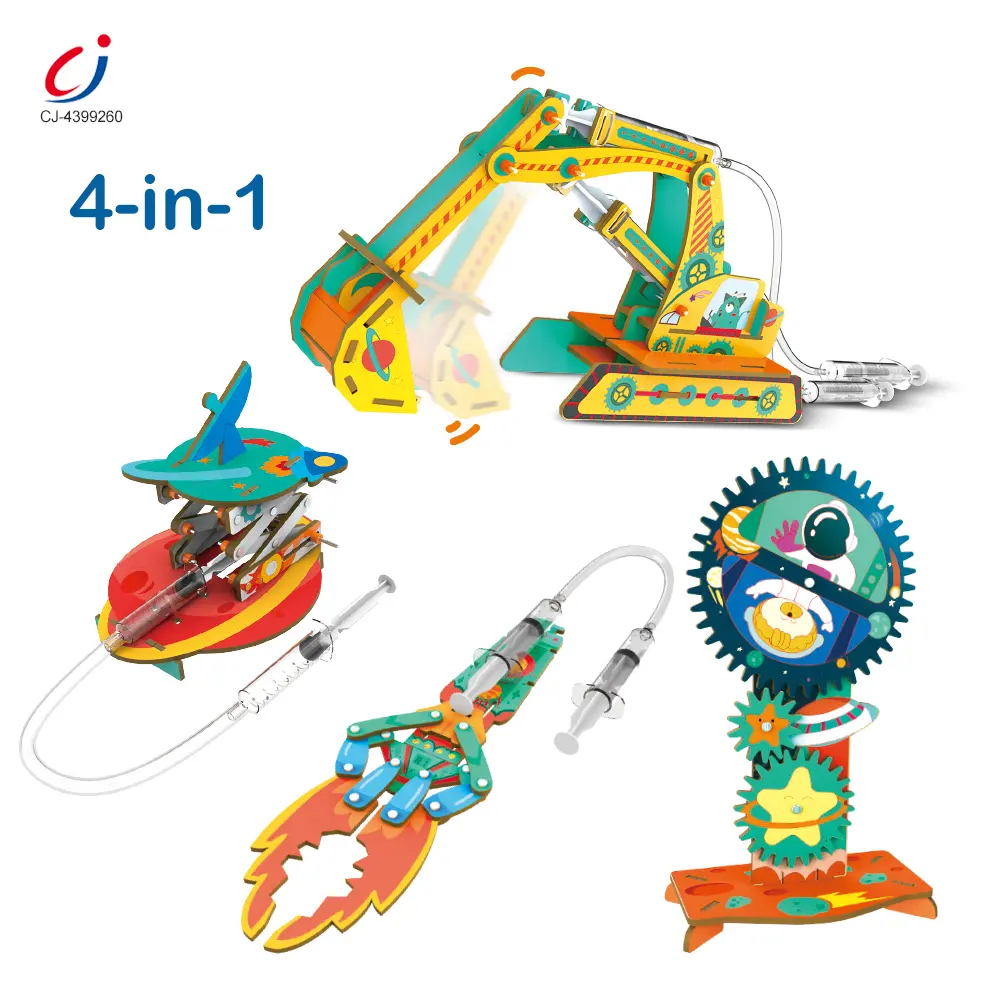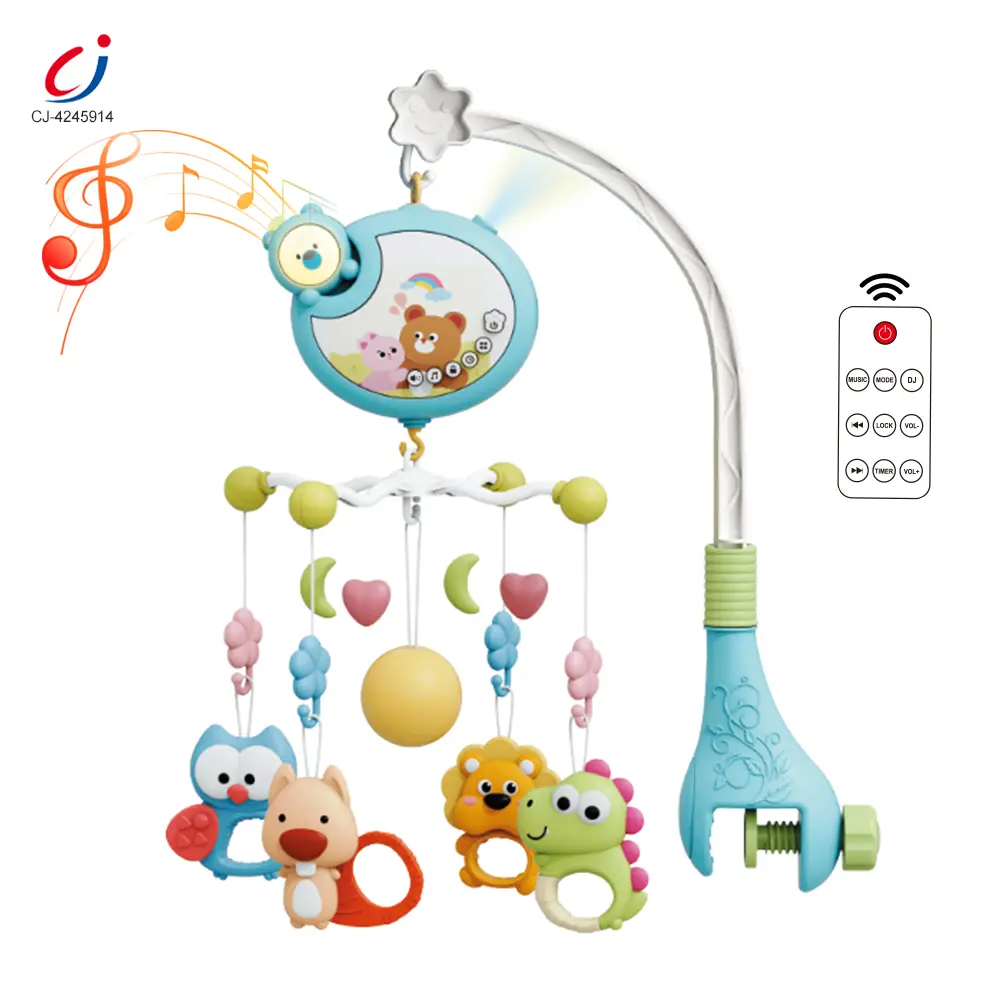
There are loads of robot toys on the toy market, from the spinning dancing gadgets to programmable mech dog toys. They cannot be called just one category, “robot toy.” This will blur their significant differences that whether it is for education and fun or just for entertainment.
In this blog, Chengji, a top toy supplier, defines the two categories, compares their strengths and weaknesses, and gives practical procurement guidance so buyers can match product choice to intended use and buyer capacity.
Defining the Categories
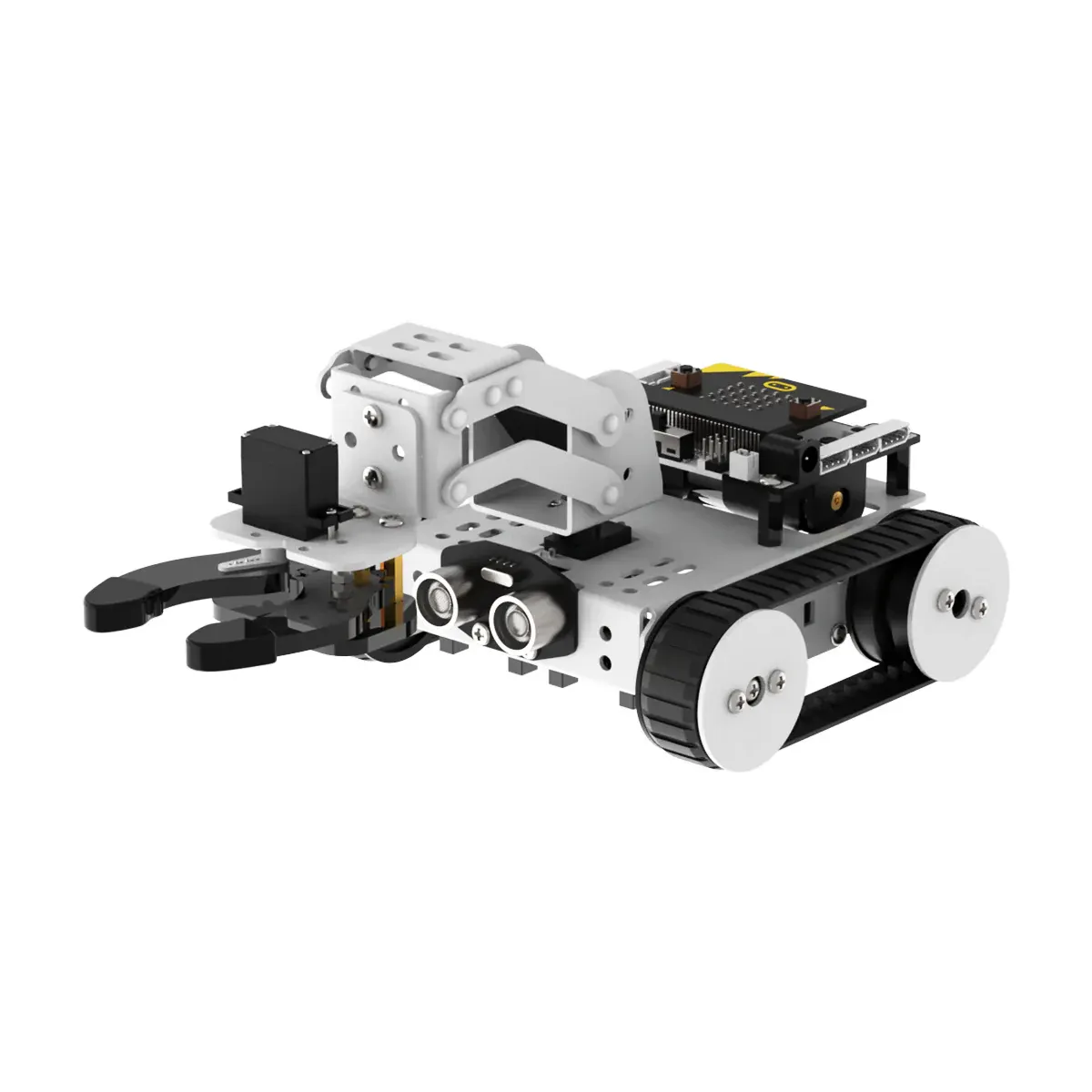
Educational robot toys
Products intentionally designed to teach: sequencing, logic, computational thinking, sensor-based experimentation, or engineering principles. Typical attributes include block- or text-based programming interfaces, lesson plans or teacher guides, measurable tasks, and progressive difficulty.
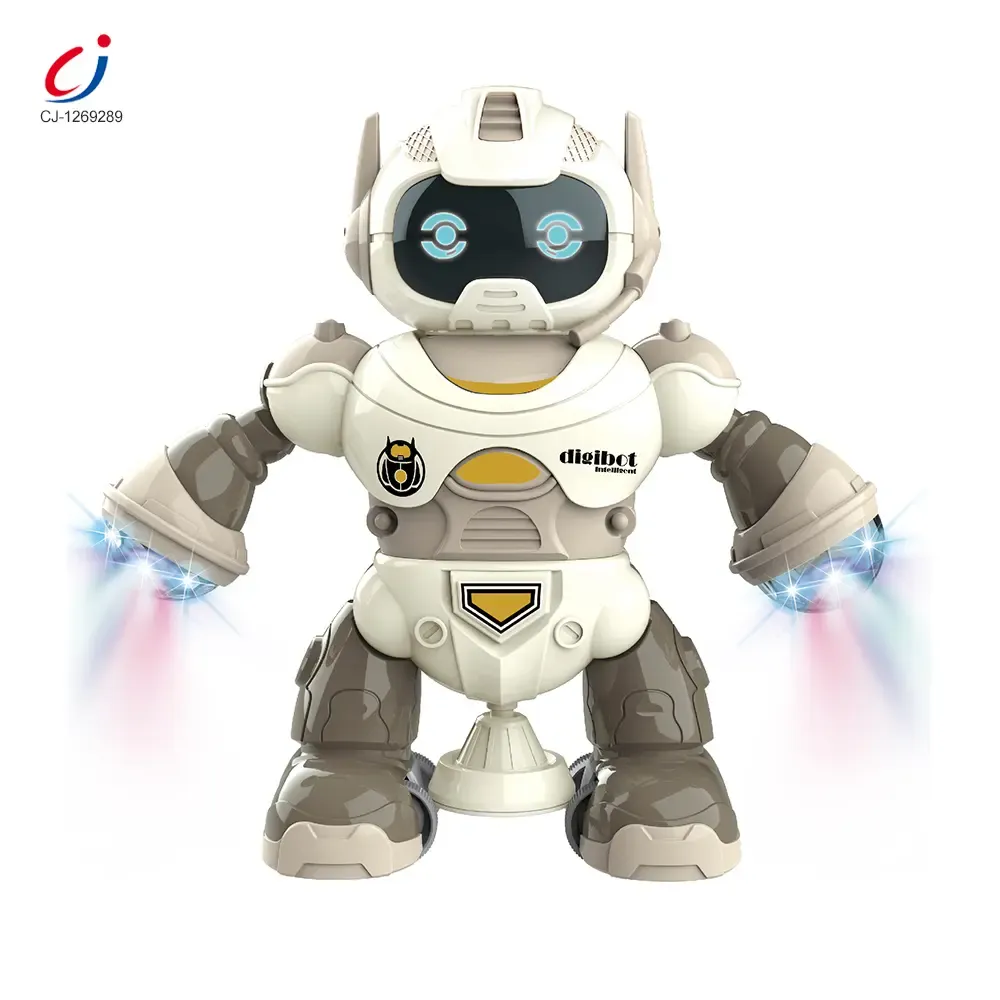
Entertainment robot toys
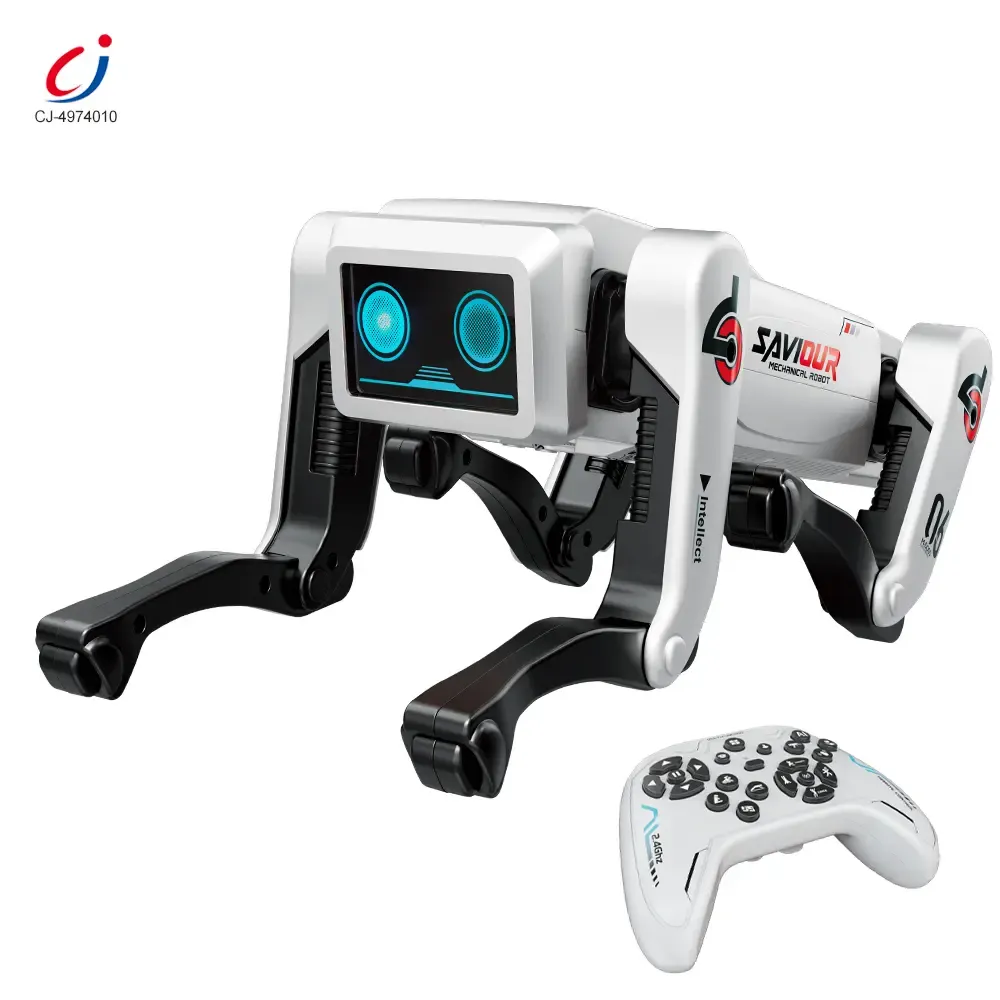
Products engineered primarily for play: pre-programmed routines (dance, sound, light), simple remote-control behaviors, or pet-like interaction. They prioritize immediate engagement and low user effort over structured learning outcomes.
Both are valid market segments; the key for buyers is to select the type that aligns with learning objectives, channel strategy, and after-sales capacity.
Core Differences at a Glance
| Dimension | Educational Robot Toys | Entertainment Robot Toys |
|---|---|---|
| Primary objective | Measurable learning outcomes | Instant engagement and fun |
| Interaction depth | User-programmed, problem-driven play | Fixed behaviors or remote control |
| Play longevity | Progressive, multi-session use | High initial interest, short lifecycle |
| Support requirements | Training, curriculum integration, firmware updates | Low after-sales and technical support |
| Best-fit sales channels | Schools, edtech platforms, specialist retailers | Mass retail, gift, and impulse channels |
Understanding this distinction helps buyers select the right product for the right channel and avoid costly positioning mistakes.
Why Educational Robot Toys Succeed in Classrooms
- Curriculum alignment. Good educational robots are built to map directly to learning objectives (e.g., sequencing, control flow, measurement), and they include lesson plans and assessment rubrics that teachers can implement.
- Scaffolded progression. Platforms typically allow beginners to start with visual block programming and advance to text coding, maintaining relevance across grades.
- Measurable outcomes. Tasks such as having the robot follow a route or respond to sensor input can be assessed objectively, enabling teachers to track progress and differentiate instruction.
- Collaboration and communication. Group-based programming exercises encourage role distribution, peer review, and verbalization of problem-solving steps — skills valuable across curricula.
For procurement teams targeting educational outcomes, these characteristics define classroom suitability beyond product marketing.
The Role of Entertainment Robot Toys — Appropriate Uses
Entertainment robot toys bring value in contexts where engagement and low friction are priorities:
- Introductory exposure. They can spark interest in robotics among younger children who may not yet be ready for programming.
- Motivation & rewards. Useful as incentives or in free-play blocks to sustain engagement between structured lessons.
- Retail velocity. Strong impulse appeal for gifts and holiday seasonal sales.
However, entertainment robots should not be purchased as a substitute for educational platforms if the goal is measurable learning. Treat them as complementary products.
Hybrid Models: Bridging Engagement and Instruction
Hybrid models: bridging engagement and instruction. Hybrid robot toys offer a pragmatic middle ground — combining consumer-level AI interaction with an optional logic-building mode. Hybrids are valuable when:
- Teacher readiness is limited, and a phased introduction is necessary.
- Budgets require a single SKU to service both play and introductory learning markets.
- Buyers want lower technical risk while testing demand for programmable platforms.
When evaluating hybrids, insist on a clear separation between “play mode” and “learn mode,” and verify the strength of teacher-facing documentation.
Age-appropriate Suitability (Practical Guidance)
- Preschool (3–5): Durable, cause-and-effect robots with large controls. Entertainment features are acceptable when coupled with a robust design.
- Primary (6–9): Block-based programmable robots that teach sequencing and conditional logic are ideal. Sessions of 30–45 minutes fit classroom schedules.
- Upper primary / middle (10–14): Robots with sensors, modular components, and pathways to textual coding (e.g., Python or C++) support project-based learning.
- Secondary (15+): Advanced robotics kits that integrate electronics, mechanics, and algorithmic complexity suit coursework and competition tracks.
Selecting the correct complexity reduces frustration and improves pedagogical impact.
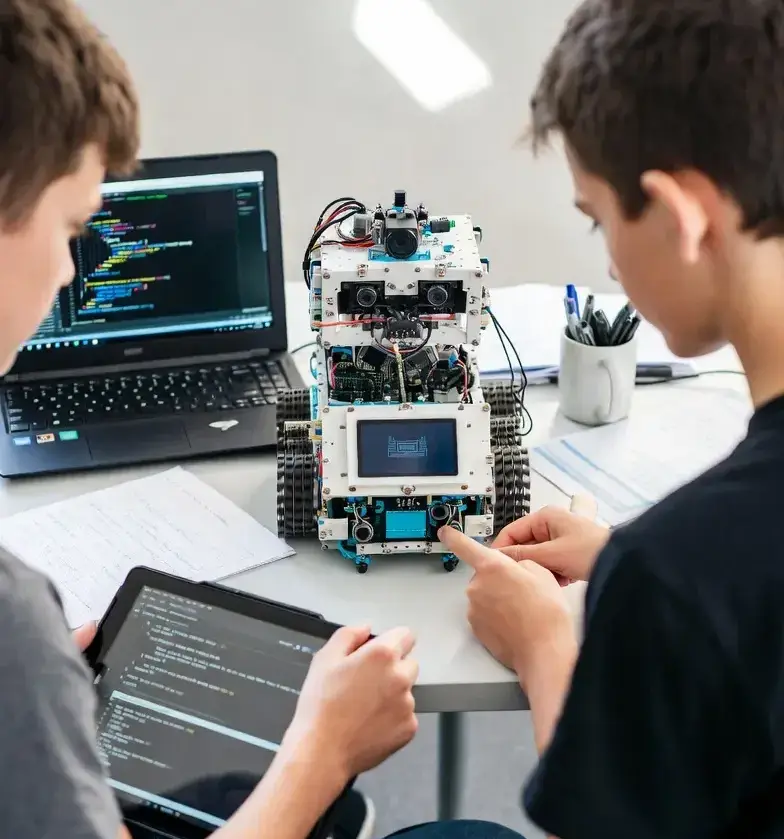
Buyer checklist: evaluate a robot toy for classroom or retail purchase
Before committing to procurement, verify the following:
- Learning objectives & lesson resources: Does the product include teacher guides, lesson plans, and assessment rubrics?
- Teacher training & onboarding: Are short professional development modules or quick-start guides available?
- Durability & maintenance: Are parts classroom-grade? Are spare parts and repair pathways available?
- User experience & localization: Is the software intuitive? Does it run on commonly used devices and support the required languages? Does it offer long-term software update guarantees and firmware stability? (rule for educational robot toy)
- Compliance & safety: Confirm toy safety (EN71 / ASTM / CPSIA), EMC and radio approvals for connected devices, and battery transport certificates if applicable.
- Total cost of ownership: Account for training, spares, battery longevity, software licenses, and support contracts.
- Pilot capacity: Can you run a small-scale pilot with evaluation criteria before a large-scale purchase?
A structured pilot (6–8 weeks) with pre-defined success metrics (teacher adoption, student engagement, measurable learning outcomes) is the most reliable risk-reduction strategy.
Conclusion — Match the Robot Toy to the Real Objective
A robot toy can be either a durable educational asset or an entertaining novelty. The difference is design intent, teacher resources, and integration strategy. For schools and serious buyers, choose educational or well-documented hybrid platforms that provide curriculum alignment, classroom durability, and teacher support. For retail assortments, segment SKUs clearly so customers can choose by purpose: “classroom-grade” for instruction and “play & gift” for entertainment.
About Chengji – A Reliable Robot Toy Supplier

Chengji has been a reliable toy supplier since 1998. Nowadays, our R&D department and our connected factories, more than 3000, work together to bring excellent robot toys for our global clients. We can offer wholesale robot toy supply and custom robot toy solutions for customers all over the world.
Most of our wholesale robot toys are the hybrid ones, which combine AI interaction, RC control, gesture interaction, and pre-programming function together. Let kids explore their interests in programming while having fun.
FAQ: Common Procurement Mistakes for Robot Toys
Q1: Can I choose a robot toy based on looks or hype?
A1: No. Focus on documented learning outcomes, not glossy packaging.
Q2: How important is teacher capacity?
A2: Very. Allocate brief professional development to ensure smooth classroom integration.
Q3: Should I worry about spares and service?
A3: Yes. Plan for maintenance and spare parts to reduce downtime and extend product life.
Q4: Do I need to pilot the robot toy before full deployment?
A4: Absolutely. Small trials reveal UX, connectivity, and classroom management issues early.
Q5: How can I avoid these procurement mistakes?
A5: Use vendor-provided pilot kits, demo apps, and references from schools with prior experience.