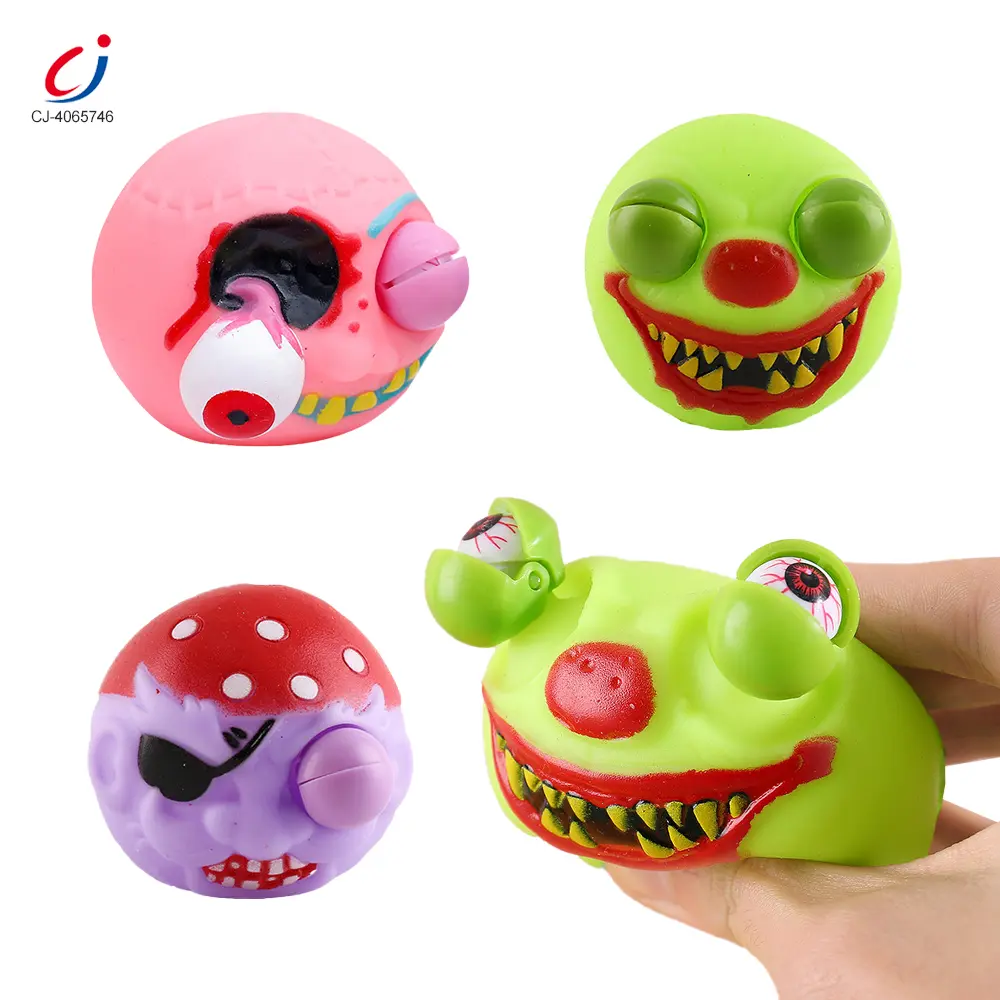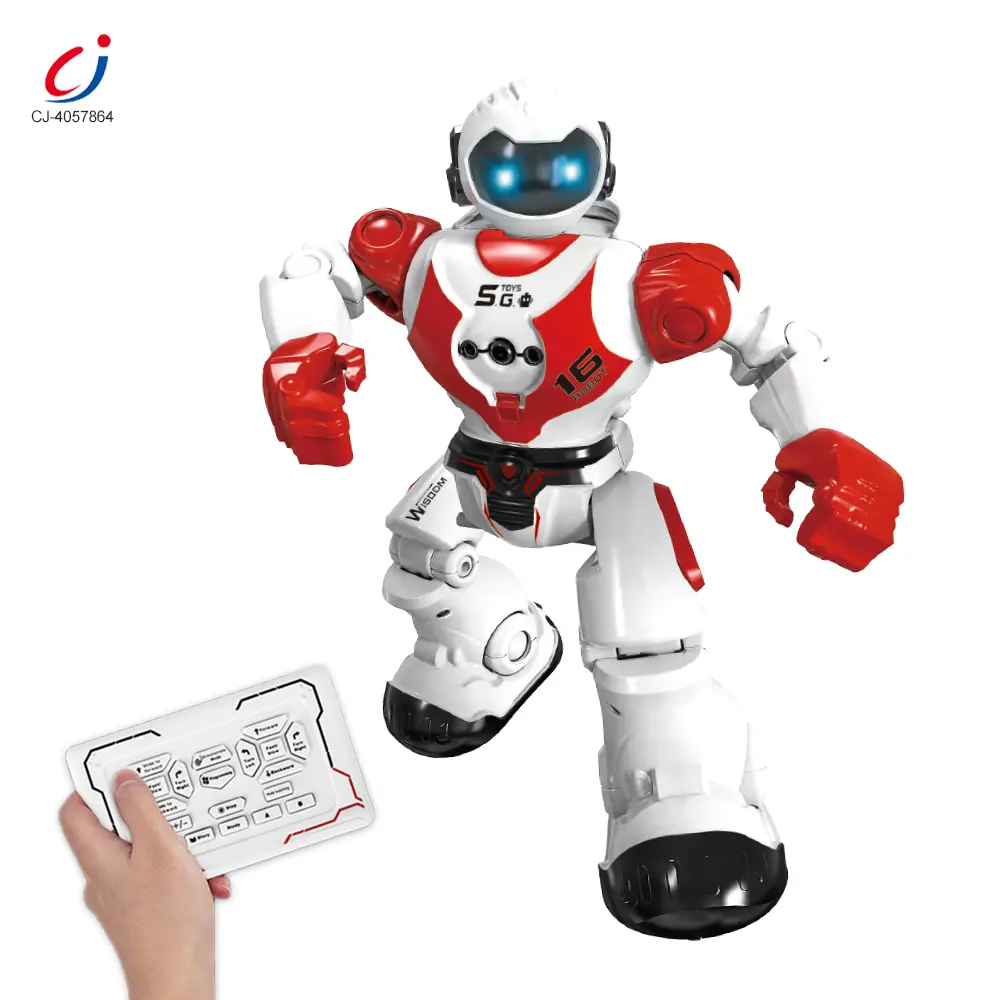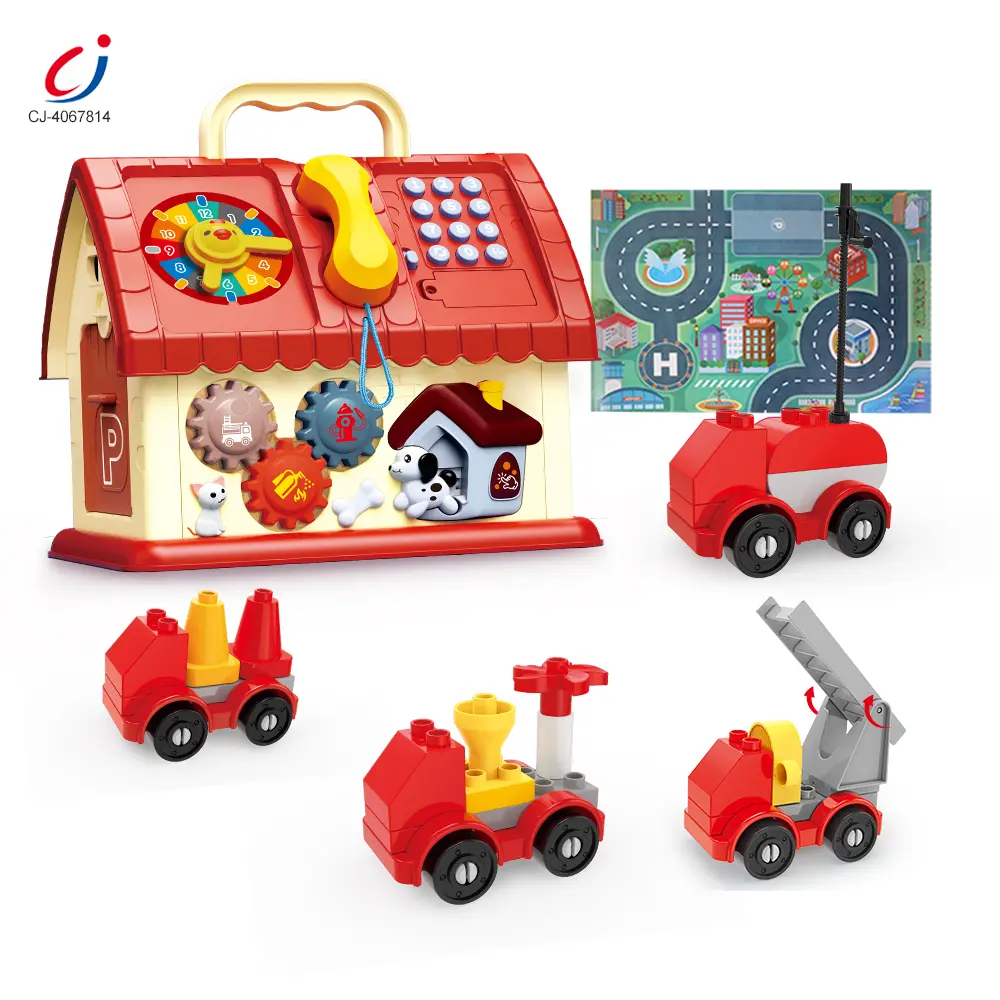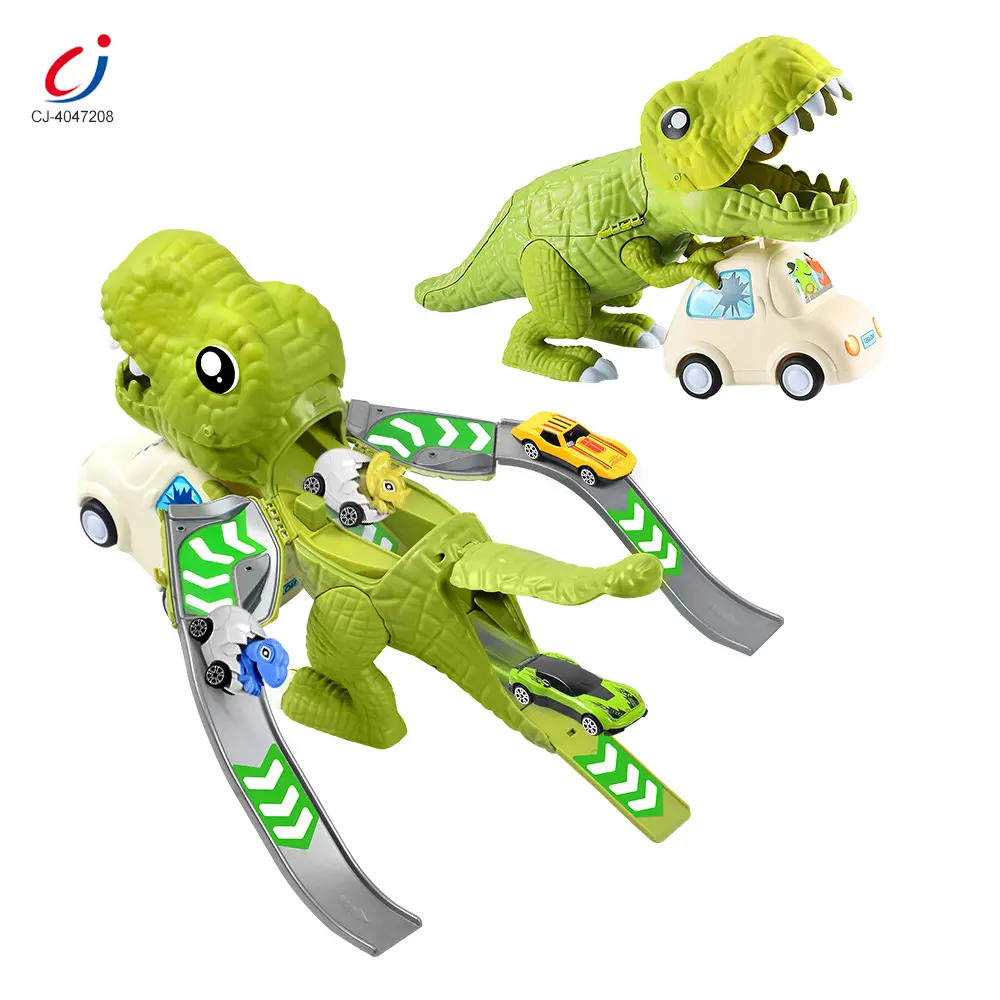
На рынке игрушек происходит переход от количества к качеству. Родители и педагоги все чаще отдают предпочтение игрушкам, которые поддерживают интерес и развивают навыки, а не однофункциональным гаджетам, которые достигают своего пика и исчезают. На сайте открытая игрушка-один без единственного “правильного” использования или результата - отвечает этой потребности и образовательной необходимости.
В качестве лучший поставщик игрушек, Чэнцзи может сказать, что для покупателей и продавцов позиционирование открытая игрушкаВ результате, если вы будете покупать товары в правильных каналах, это приведет к повышению уровня удержания, увеличению числа повторных покупок и снижению риска, связанного с запасами.
Что делает игрушку “открытой”?
An открытая игрушка Не имеет фиксированной конечной точки или единого решения. Она определяется тремя эксплуатационными свойствами:
- Множественность: одни и те же детали поддерживают множество различных конфигураций;
- Масштабируемость: сложность возрастает по мере развития навыков ребенка;
- Возможность многократного использования: игра остается образовательной и содержательной на протяжении многих занятий.
Магнитные строительные блоки, модульные системы и простые детали - это архетипы. открытая игрушкапотому что они отвечают этим критериям без сложной механики.
Четыре причины, по которым открытые игрушки имеют более высокую игровую ценность
Бесконечные творческие возможности
Дети придумывают новые способы использования и повествования, а не следуют инструкциям. Сайт открытая игрушка превращает одну покупку в набор инструментов для воображения: строения, транспортные средства, персонажи или абстрактные скульптуры. В результате вместо одноразового открытия коробки вы получаете многократную, разнообразную игру.
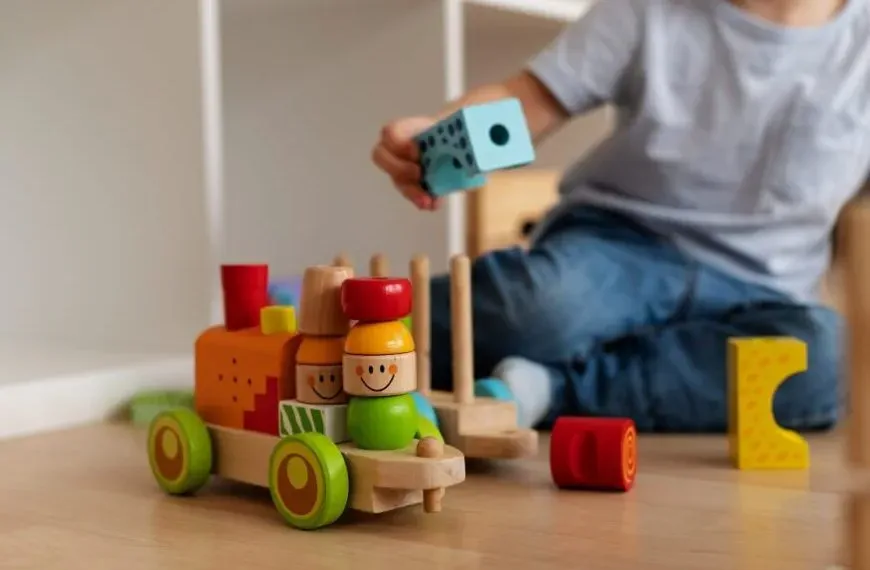
Многоступенчатая развивающая утилита
Хорошо продуманный открытая игрушка поддерживает различные стадии развития. Малыши учатся складывать и сортировать цвета, дошкольники изучают симметрию и простые конструкции, а дети постарше решают инженерные задачи. Такой жизненный цикл снижает отток и повышает пожизненную ценность продукта.
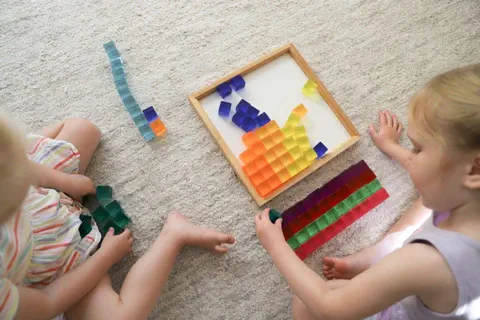
Глубокое обучение методом проб и ошибок
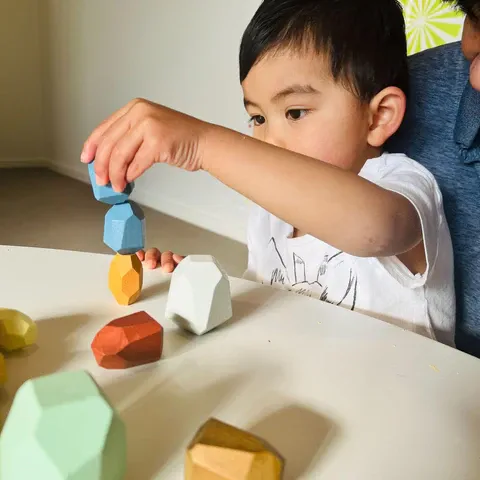
Открытая игра поощряет проверку гипотез: что произойдет, если я добавлю вес, изменю соединитель или изменю баланс? Эти итерационные циклы развивают пространственное мышление, умение решать проблемы и настойчивость. Поскольку крах скорее поучителен, чем конечен, дети учатся самокоррекции и упорству.
Социальный и совместный потенциал
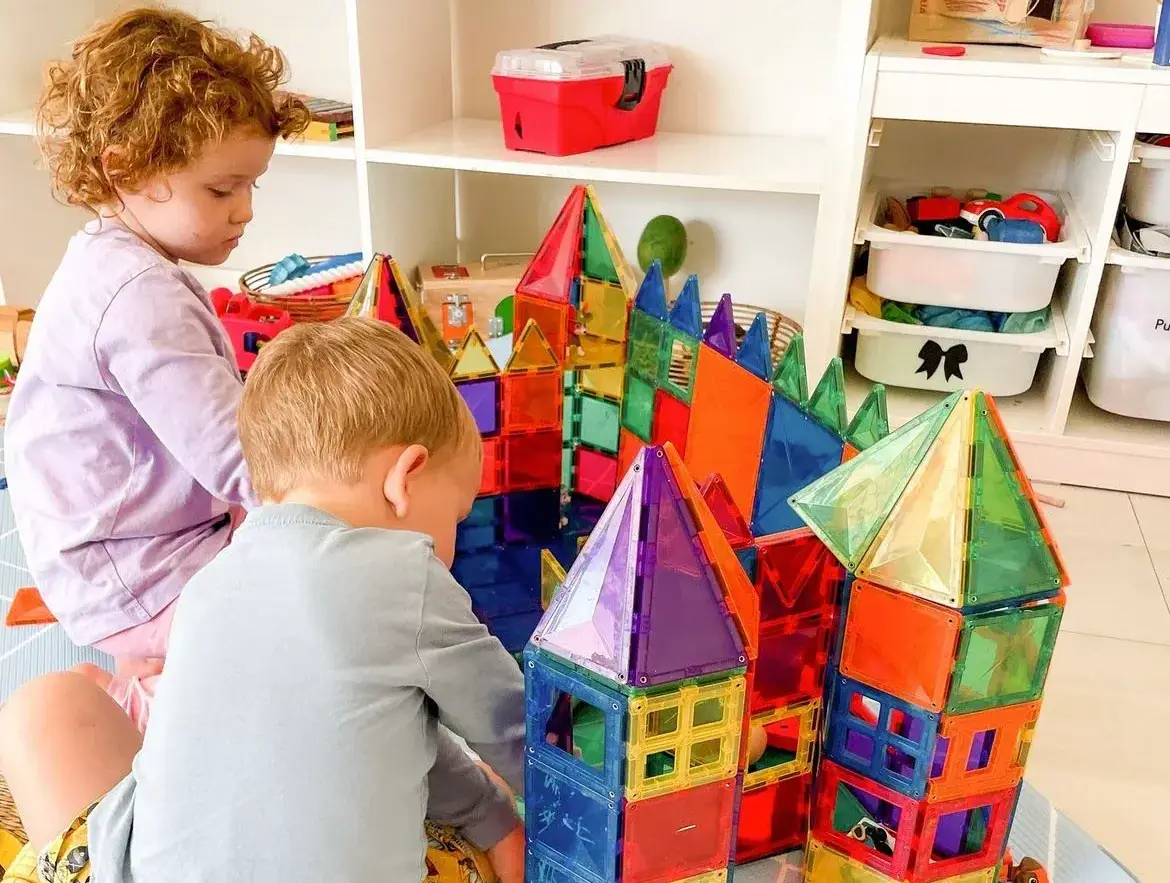
Наборы, которые предполагают расширение, естественным образом способствуют групповой игре - братья и сестры, друзья или классные коллективы вносят детали, договариваются о ролях и решают проблемы дизайна вместе. На сайте открытая игрушка превращается в социальную платформу, увеличивая время пребывания в демонстрационной среде и конвертируя наблюдателей в покупателей.
Открытые и закрытые концы: Практическое сравнение
Игрушки закрытого типа (одноразовые гаджеты, лицензионные электронные игрушки с фиксированным режимом работы) могут обеспечить быстрый рост продаж, но, как правило, рано устаревают. В отличие от них открытая игрушка генерирует устойчивый спрос, поскольку адаптируется к меняющимся интересам пользователей. Для покупателей это различие означает разные ассортиментные стратегии:
- Поместите закрытый товары в сезонных, импульсных или подарочных витринах.
- Резерв открытая игрушкадля образовательных, специализированных и премиум-ассортиментов, в которых приоритет отдается пожизненной ценности.
Сегментирование запасов таким образом снижает риск затоваривания причудливыми товарами и одновременно максимизирует прибыль от долговечных активов.
Почему предпочтительнее открытые игрушки
Современным воспитателям нужны игры без экрана, развивающие и долговременные. Открытая игрушкасоответствуют философиям Монтессори, Вальдорфа и STEAM, позволяя ребенку самостоятельно исследовать и учиться на практике. Кроме того, они уменьшают беспорядок в доме: меньшее количество игрушек с более высокой ценностью создает более содержательную игру, что находит большой отклик на рынках, где экологичность и минимализм становятся все более важными факторами покупки.
С коммерческой точки зрения, открытая игрушкаснижают количество возвратов и поддерживают продажи дополнительных товаров. Расширительные пакеты, наборы аксессуаров и тематические обновления создают прямые пути повышения продаж. Розничные продавцы могут рекламировать основные наборы с четкими лепестками для обновления - такой подход повышает среднюю стоимость заказа (AOV) и стабилизирует циклы повторных заказов.
Порекомендуйте игрушки с открытым концом
При выборе открытая игрушка Категории, которые соответствуют философиям Монтессори, Вальдорф и STEAM, несколько классических форматов неизменно доказывают свою долгосрочную ценность как в образовании, так и в игре.
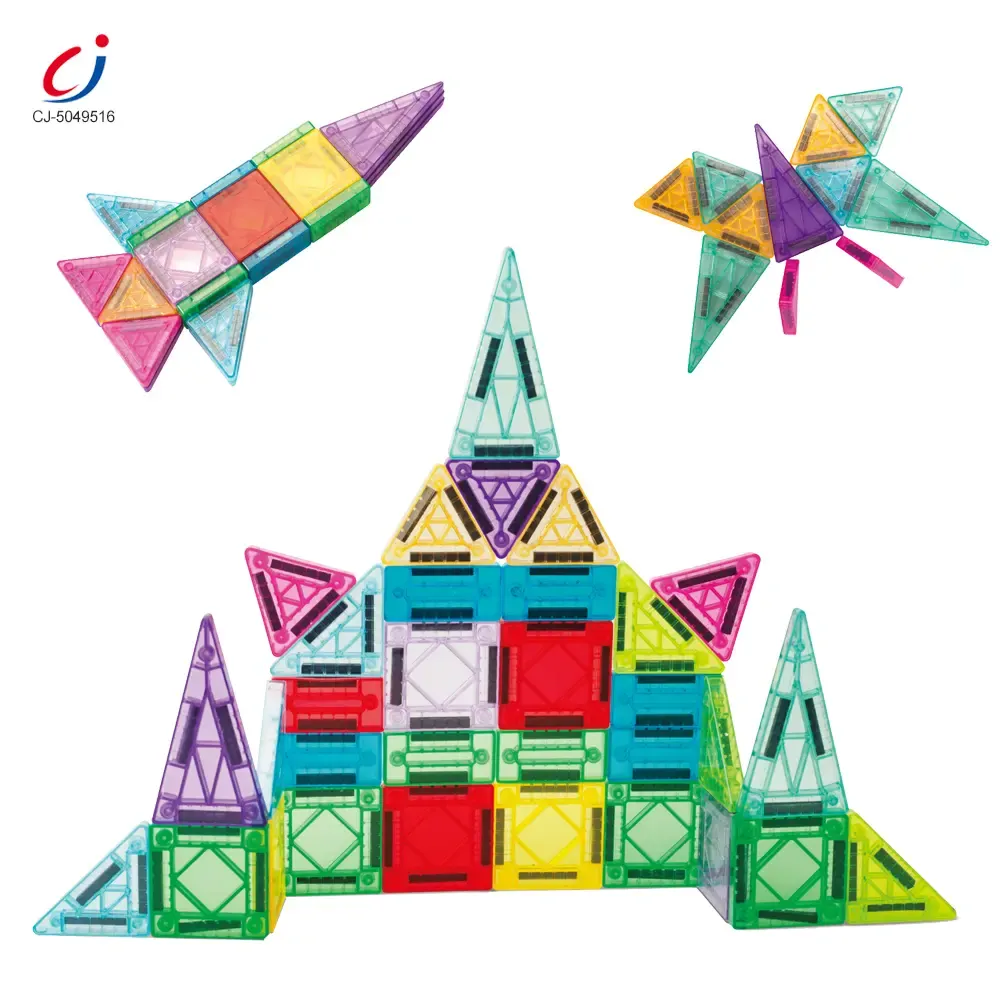
1. Магнитные строительные блоки
Эти игрушки поддерживают самостоятельное обучение в стиле Монтессори, позволяя детям переходить от простых форм к сложным конструкциям через повторение. В то же время их открытая конструкция соответствует вальдорфскому принципу развития воображения, а изучение баланса, симметрии и пространственной устойчивости естественным образом развивает инженерное мышление, связанное со STEAM.
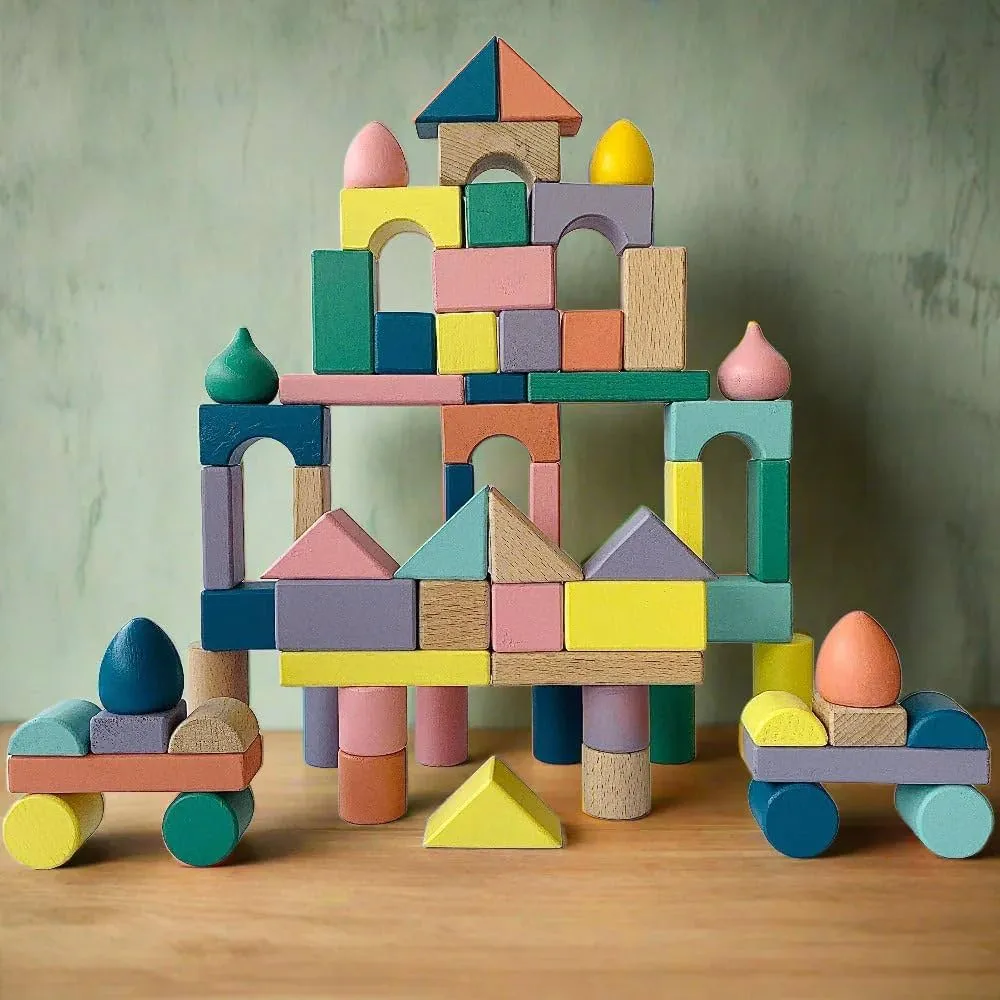
2. Деревянные блоки с открытыми концами
Деревянные блоки, не имеющие заранее определенных правил и результатов, способствуют развитию абстрактного мышления и рассказыванию историй, что является одним из основных вальдорфских принципов. Их тактильная природа укрепляет мелкую моторику и понимание порядка, что подчеркивается в Монтессори-образовании, а элементарное складывание и балансировка вводят ранние структурные и физические понятия, которые ценятся в STEAM-обучении.
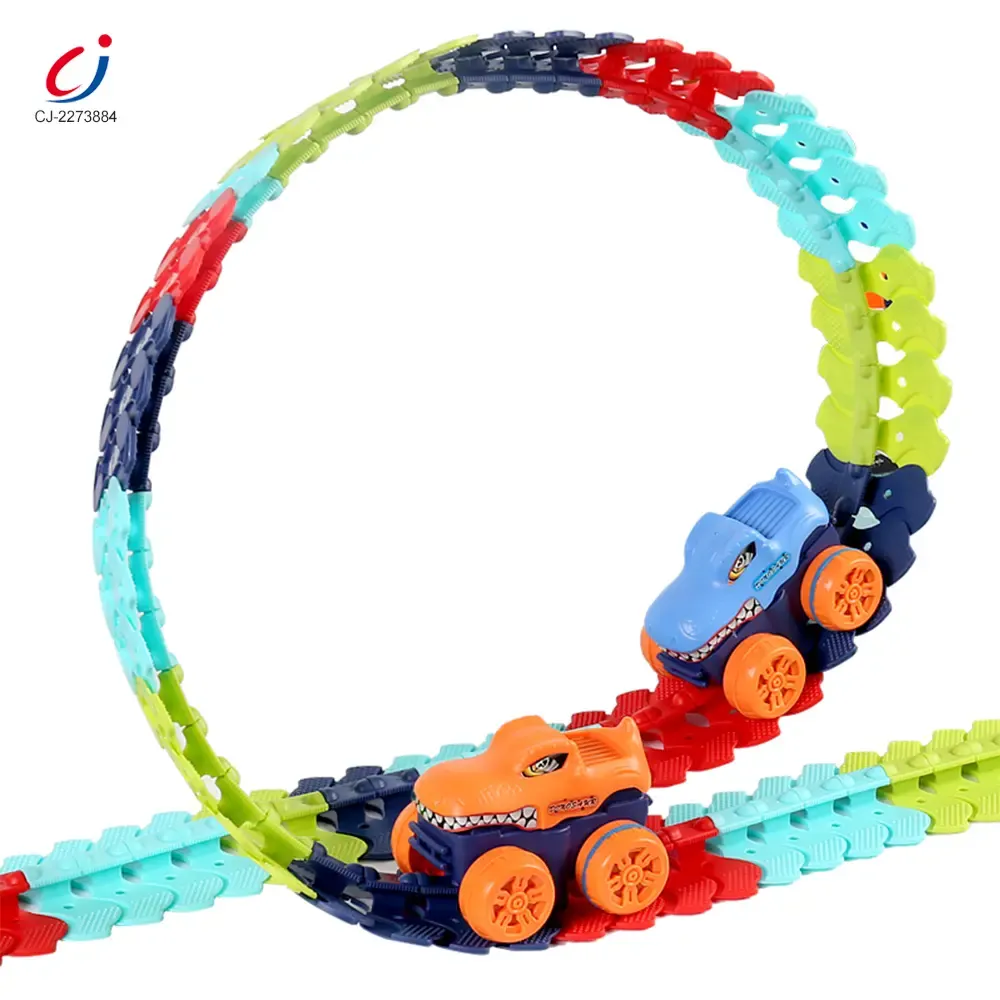
3. Модульные игрушки-треки
Системы треков помогают детям понять причинно-следственные связи через планирование пути и многократные эксперименты. Свобода перепроектирования маршрутов способствует развитию воображения, а такие понятия, как гравитация, скорость и системная логика, делают эти игрушки особенно эффективными для решения проблем на основе STEAM и совместного обучения.
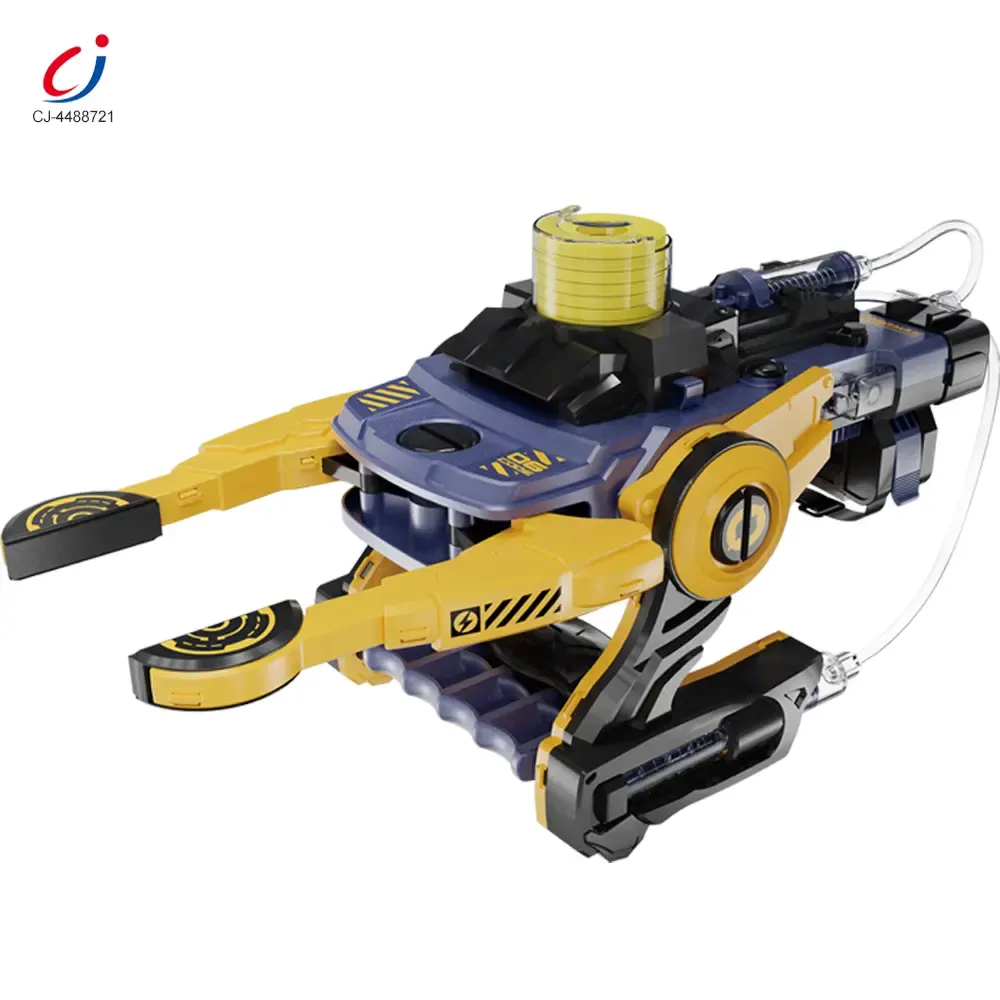
4. Наборы простых механических конструкций (неэлектронные)
Сосредоточившись на ручной сборке, а не на экранах, эти наборы укрепляют веру Монтессори в самокоррекцию и механику реального мира. Упор на практическое конструирование отражает вальдорфскую концепцию “обучения через руки”, а шестеренки, рычаги и системы передач знакомят с основополагающими принципами машиностроения, важными для STEAM-образования.
Оперативные рекомендации для покупателей и продавцов
- Мерчендайзинг: Представляйте стартовый набор с явными возможностями расширения. Демонстрируйте примеры прогрессивных сборок, чтобы донести информацию о долгосрочной ценности.
- Содержание: Используйте короткие, достоверные демонстрационные видеоролики, показывающие различные этапы игры. Покажите, как малыши, дошкольники и дети постарше используют один и тот же набор.
- Упаковка: Делайте акцент на возрастном диапазоне, возможностях расширения и результатах обучения, а не только на количестве деталей.
- Цены и комплекты: Предлагайте многоуровневые SKU - стартовые, семейные и классные пакеты - с четкими стимулами для перекрестных продаж.
- Послепродажное обслуживание: Запаситесь запасными частями и четкими руководствами по сборке - это сократит количество возвратов и повысит удовлетворенность клиентов.
Эти оперативные действия преобразуют концептуальные преимущества открытая игрушкав измеримые коммерческие результаты.
Заключение
An открытая игрушка это не просто тип продукта, это коммерческая стратегия. Отдавая предпочтение модульности, долговечности и обучению, покупатели и продавцы могут создать ассортимент, который превзойдет краткосрочные тенденции. Для оптовиков и розничных торговцев вывод очевиден: нужно выбирать меньшее количество товаров с высокой ценностью. открытая игрушка SKU, поддерживайте их опциями расширения и аутентичным контентом, и ваша категория обеспечит более высокую маржу, снижение оттока и длительную лояльность покупателей.
О Чэнцзи

Чэнцзи - это лучший поставщик игрушек специализирующийся на оптовая продажа развивающих игрушек и оптовая продажа игрушечных наборов для трека для глобальных покупателей. Как надежный оптовый продавец игрушек, мы поддерживаем нестандартные решения для игрушек которые адаптируются к различным возрастным группам, сценариям игры и требованиям рынка.
Все игрушки разрабатываются и производятся в соответствии с действующими нормами безопасности игрушек и стандартами сертификации, что гарантирует неизменное качество и соответствие законодательству. Благодаря широкому ассортименту продукции и стабильным поставкам компания Chengji является надежным партнером для брендов, розничных продавцов и дистрибьюторов, которые ищут надежные источники поставок игрушек.