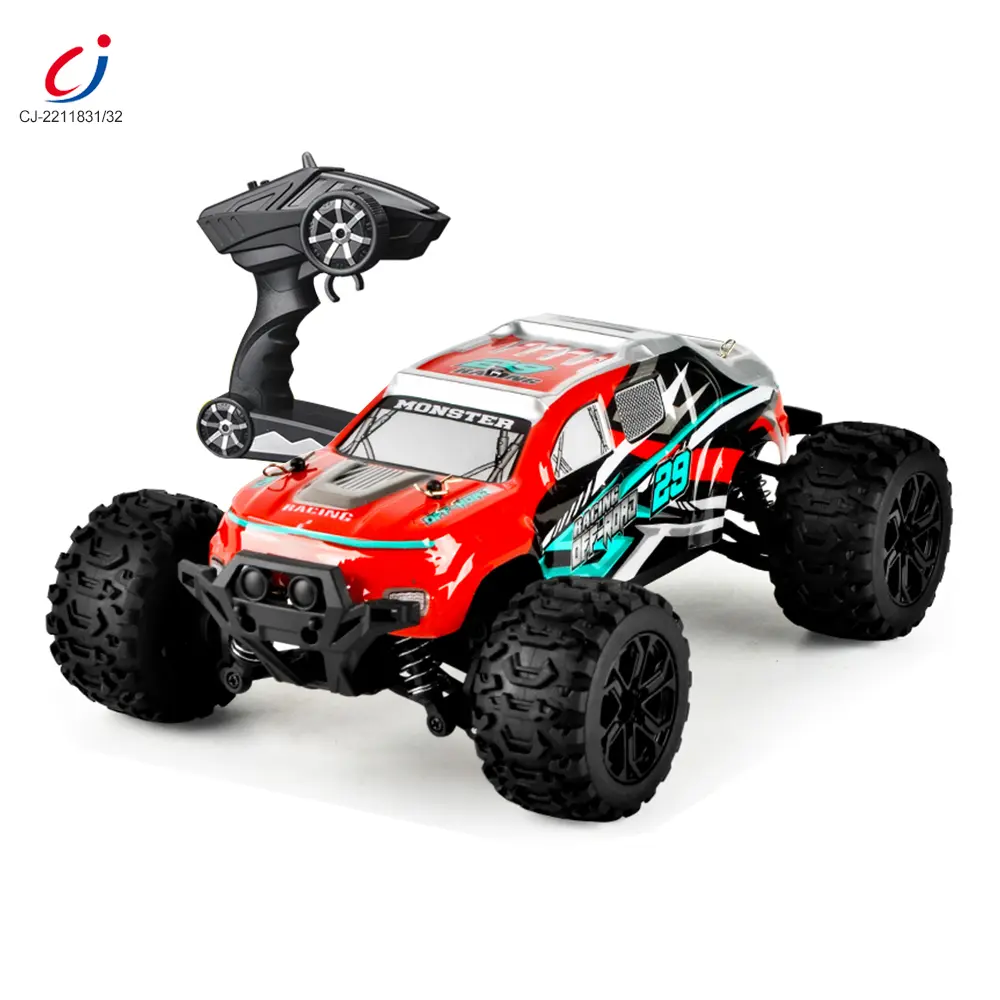
Selecting the right RC car category is a commercial decision, not a technical one. The product you source must match local demand, channel economics, and your after-sales capacity. As a top toy supplier, Chengji would like to share a concise, operational framework that converts market signals into a defensible sourcing strategy with RC car brands and distributors.
Core Product Types
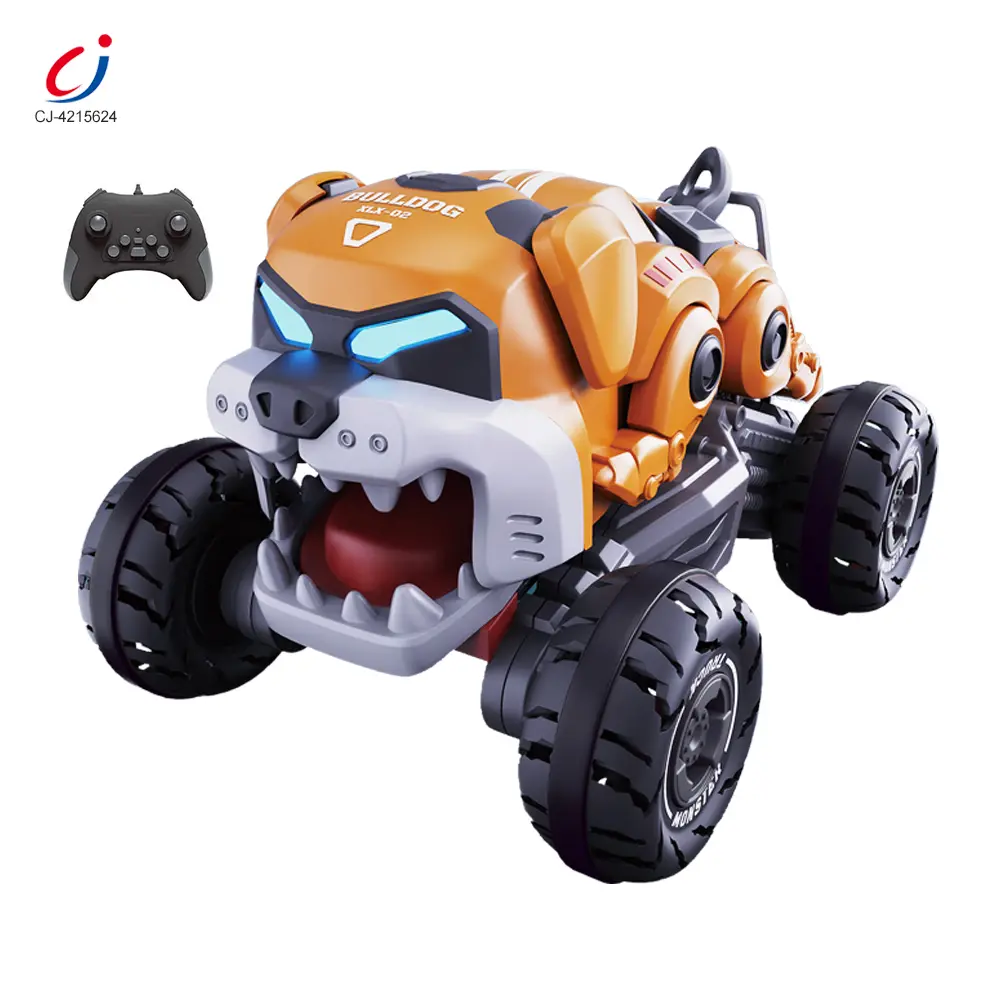
Our sales team categorizes our RC cars by the commercial concept:
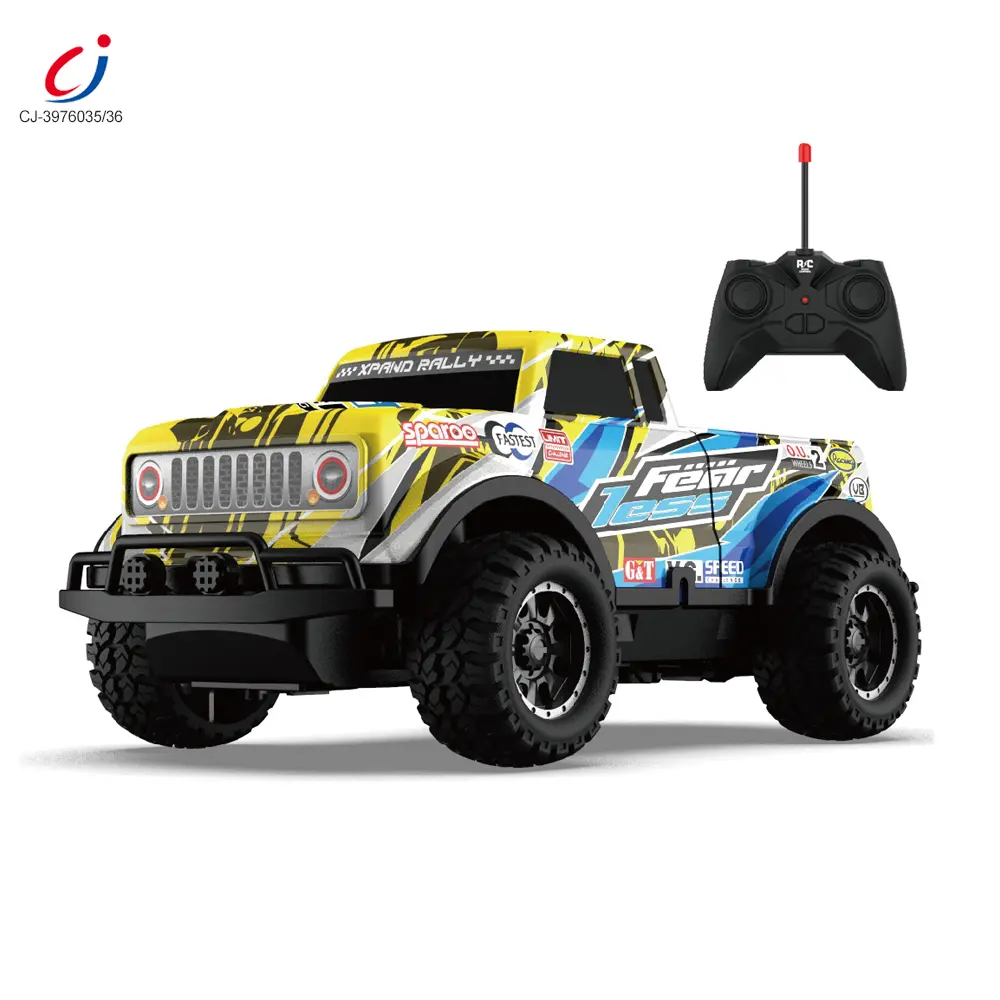
- Toy-grade — low speed, sealed components, low price, high volume.
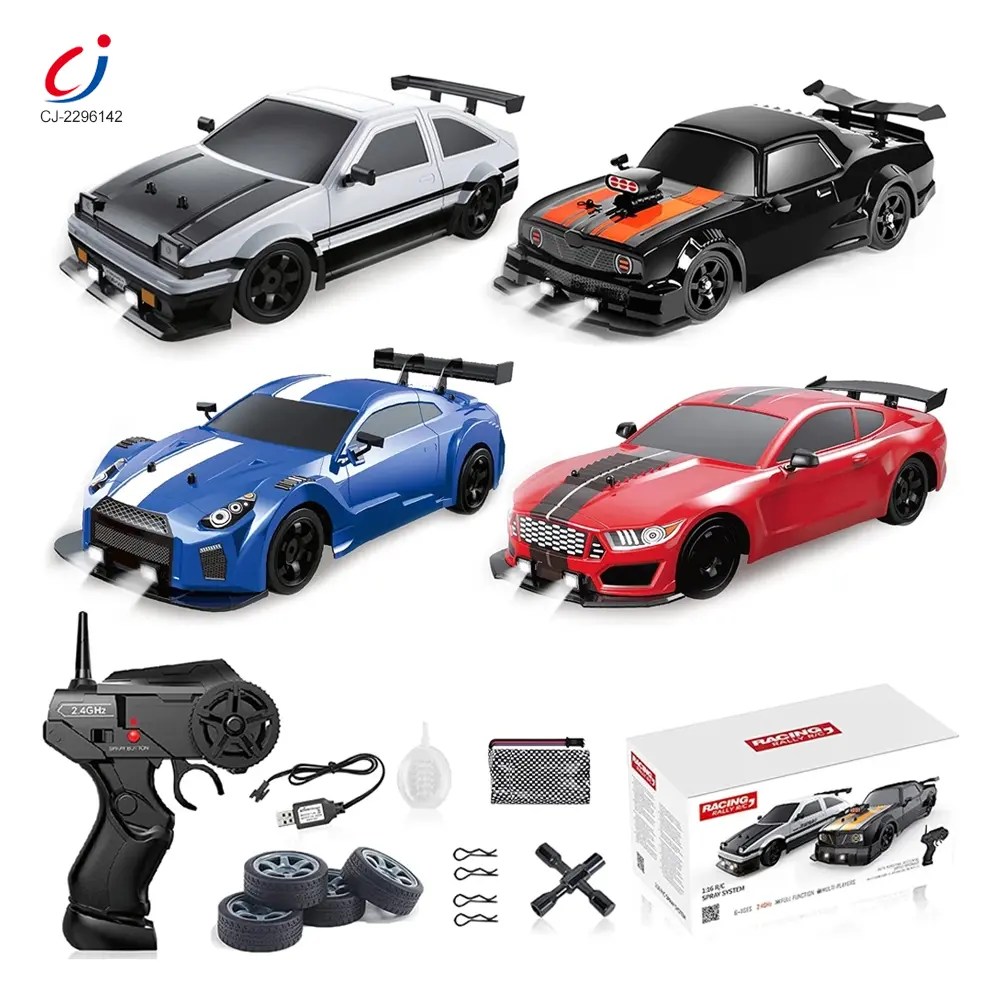
- Entry hobby-grade — replaceable parts, rechargeable batteries, moderate performance.
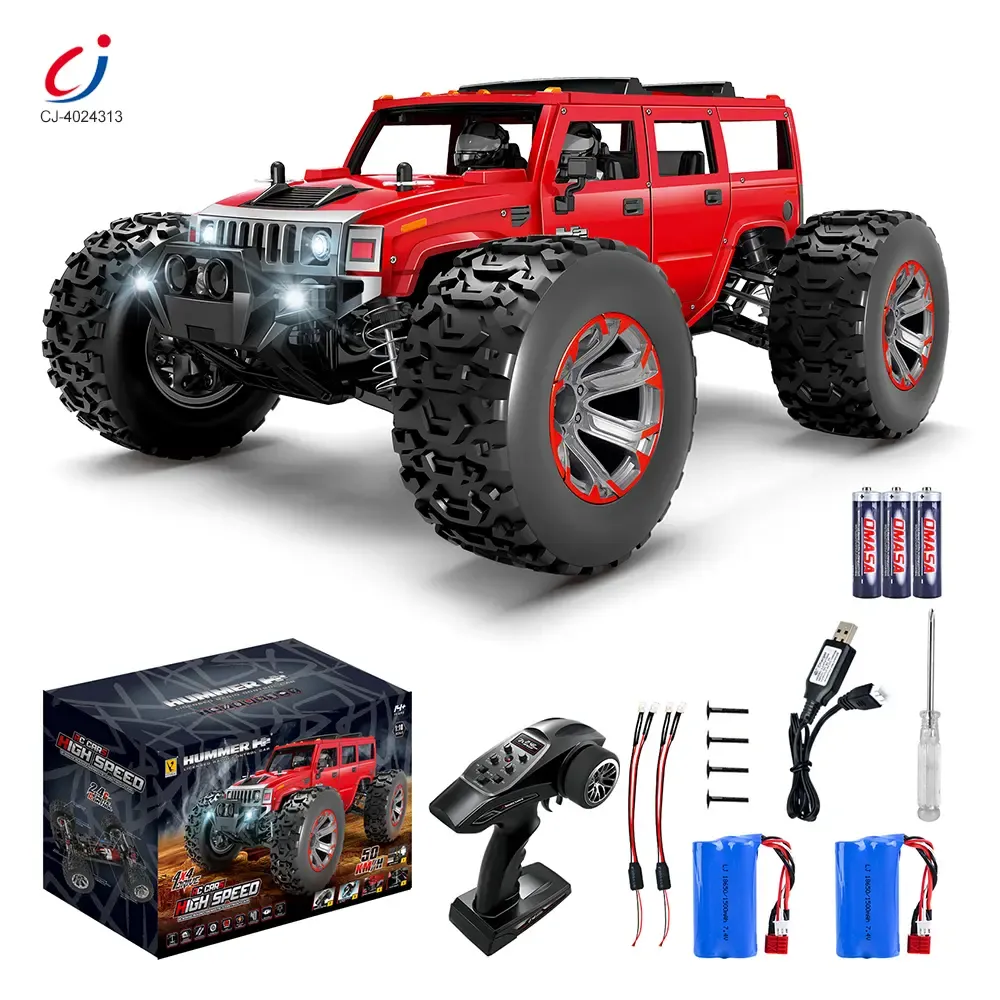
- Pro hobby-grade — brushless motors, ESC, upgradeable components, competition performance.
Each type implies different MOQ, BOM complexity, warranty exposure, and margin expectations.

Regional Preference and Go-to Strategy
North America
- Demand: performance and hobby culture.
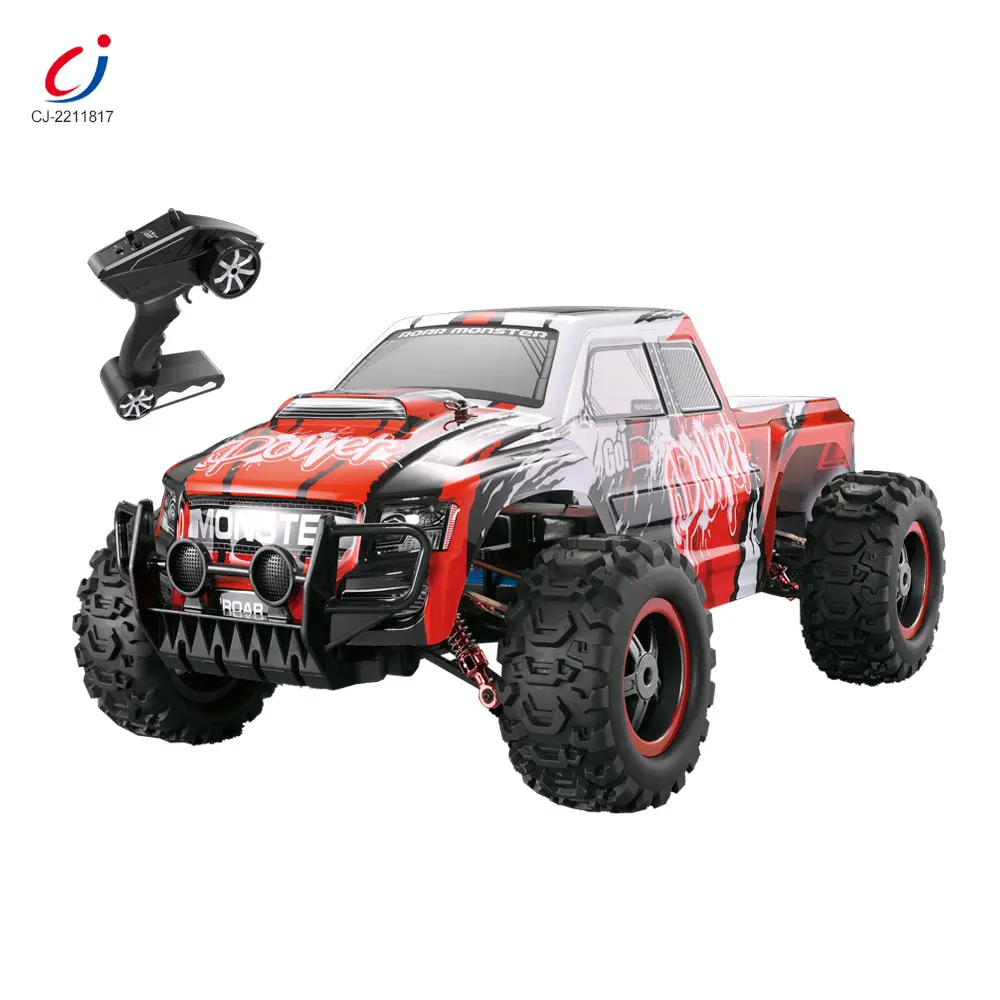
- Preference: brushless off-road trucks, 1:10 scale kit models.
Strategy: prioritize RC cars with spec sheets, spare parts, and US/Canada technical support. Sell via specialty retailers and premium e-commerce.
South America
- Demand: price and durability.
- Preference: rugged toy-grade and robust mid-range off-road models.
Strategy: reduce landed cost, favor simple designs with few electronic failure points.
Europe
- Demand: quality, safety compliance, club racing.
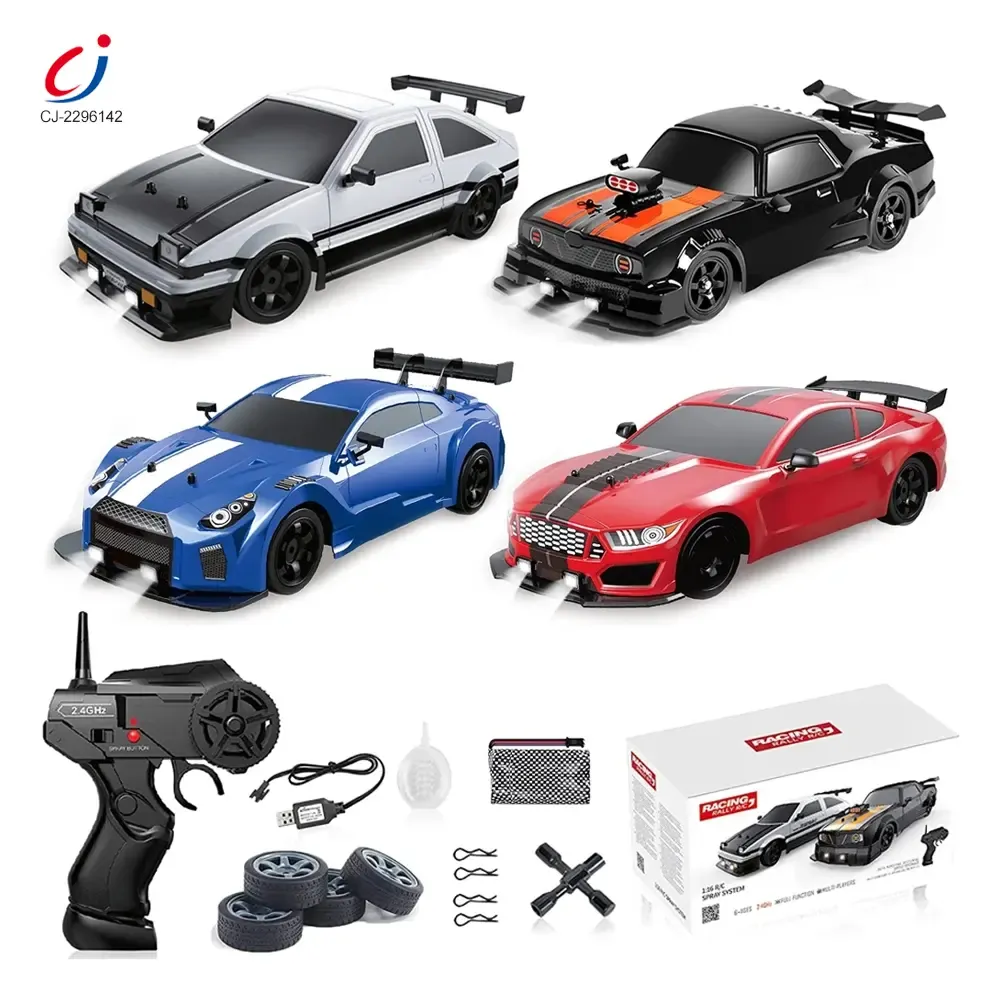
- Preference: certified hobby models, drift cars.
Strategy: enforce CE/EN71 documentation, emphasize durability, and local warranty fulfillment.
Asia
- Demand: mixed — Japan/Korea premium; Southeast Asia price sensitive.
- Preference: compact indoor racers, stunt cars, mid-range hobby models.
Strategy: segment SKUs by sub-region; offer local language manuals and competitive shipping options.
Africa
- Demand: very price sensitive, rough terrain.
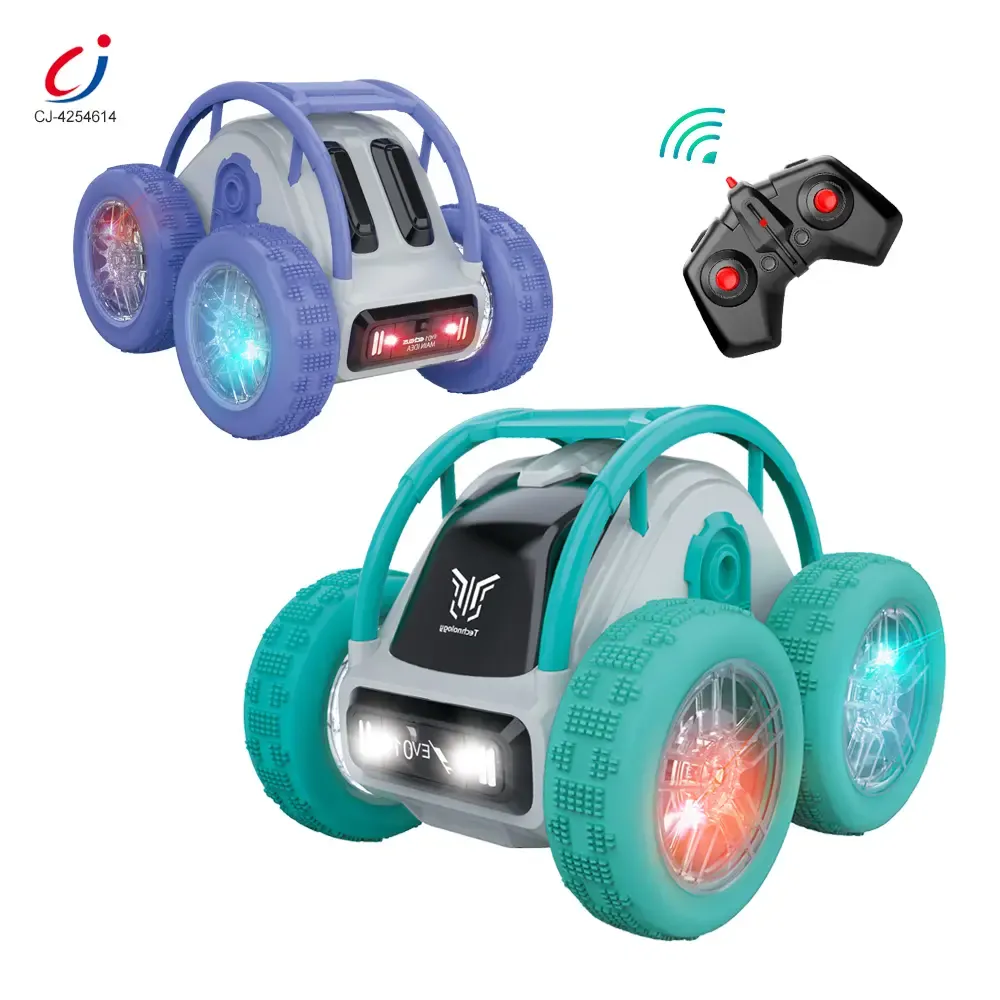
- Preference: large-wheel toy-grade, low-maintenance models.
Strategy: minimize spare-part dependency, use tougher housings and simpler batteries.
Customer Segments and Product Fit
Children (3–8 yrs)
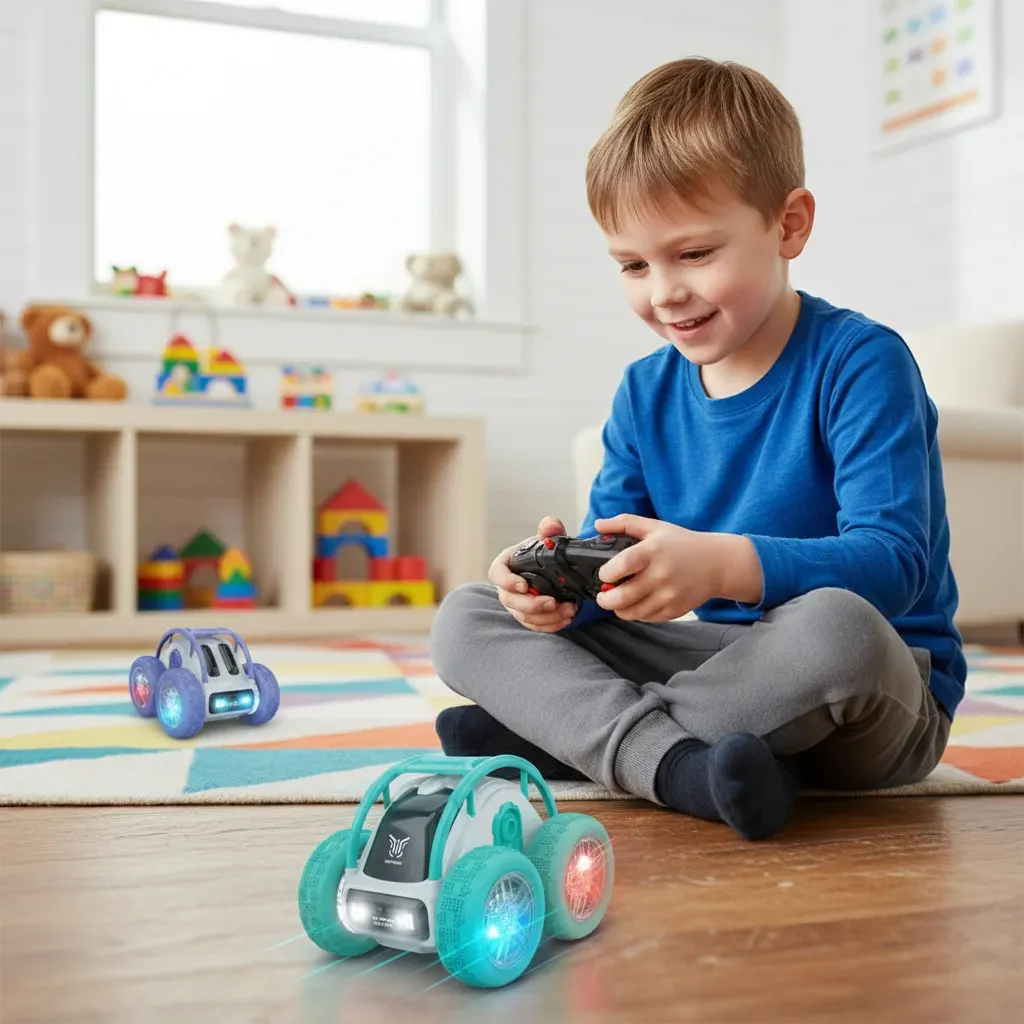
- Attributes: safety, easy control, low top speed.
- SKU choice: toy-grade RC car with sealed batteries or AA.
Commercial logic: high units, low margin, impulse channels.
Teens (9–15 yrs)
- Attributes: desire for performance, aesthetics, rechargeable battery.
- SKU choice: entry hobby-grade.
Commercial logic: balanced margin, suitable for school holiday promos and online video demos.
Hobbyists
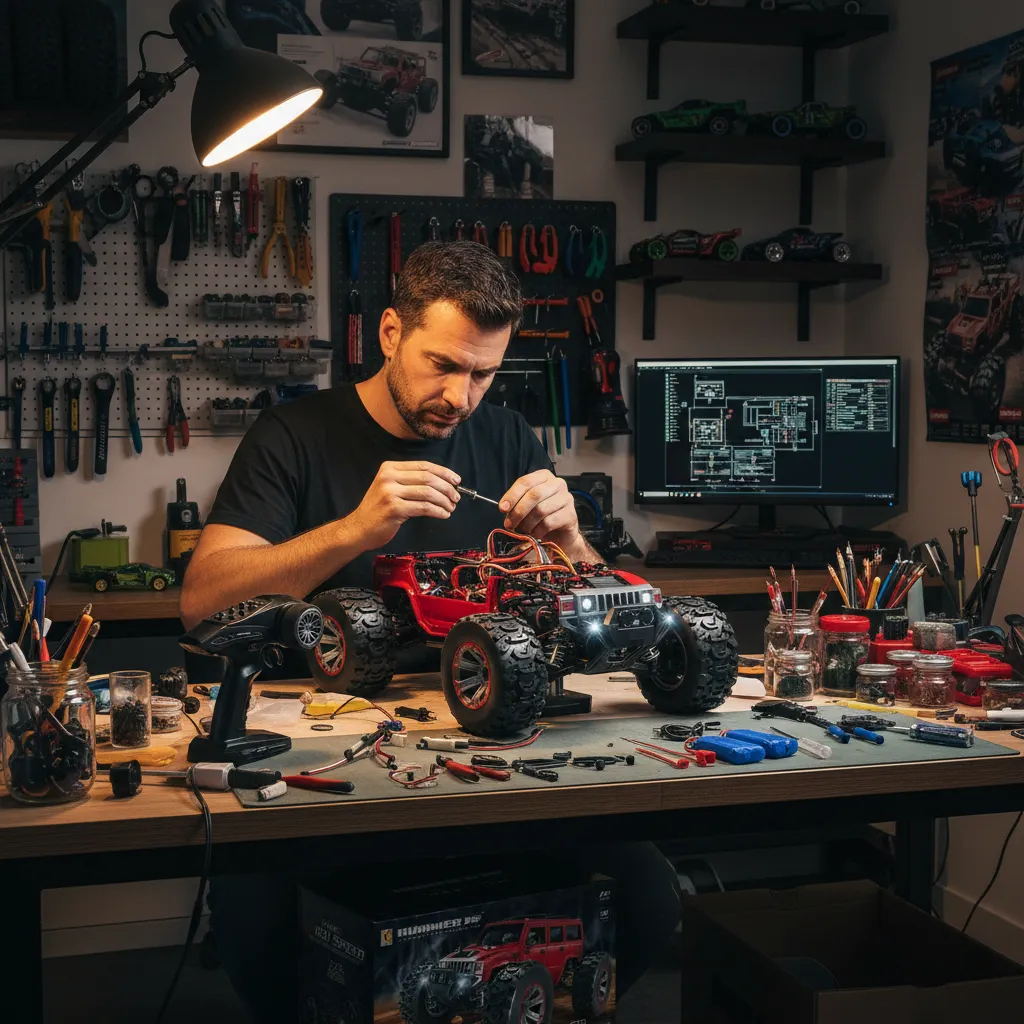
- Attributes: upgradeability, parts availability, and technical specs.
- SKU choice: brushless, pro hobby-grade.
Commercial logic: high margin, repeat spare parts sales, lower return rates if supported.
Enthusiasts / Competitors
- Attributes: customizability, performance tuning, community support.
- SKU choice: premium kits, tunable ESCs, high-C LiPo batteries.
Commercial logic: brand positioning, accessories ecosystem, long lifetime value.
Recommended Market Profit Structure
- Toy-grade: low unit cost, high velocity, narrow gross margin; inventory risk mitigated by rapid turns.
- Entry hobby-grade: moderate BOM, better margins, higher conversion with demo content.
- Pro hobby-grade: highest ASP and margin, lower turnover, significant after-sales and spare parts revenue.
Profitability is driven as much by return rate and support costs as by gross margin. Model your profit and loss statement, including average return rate, spare parts replenishment, and support labor hours.
After-sales Complexity & Operational Risk
- Toy-grade: easier to support (simple failures), but higher breakage returns.
- Entry hobby: moderate support (battery, motor replacements).
- Pro hobby: low misuse returns but high technical support needs (ESC, firmware).
- Batteries (LiPo) increase regulatory and logistics complexity (UN38.3, air transport restrictions).
Operational rule: if you cannot supply spare parts locally within 7–14 days, do not sell high-performance brushless models in that market.
Channel Mapping and SKU Mix
Map product tiers to channels — don’t expect one SKU to serve all channels.
- Mass retail/supermarkets: toy-grade RC cars, low price, bright packaging.
- E-commerce (video-driven): entry hobby + selected pro SKUs with strong video demos and clear spec calls-outs.
- Specialty hobby stores & clubs: pro hobby, spare parts, upgrade kits, training materials.
- Education/events: modular kits for clubs, durable off-road models for outdoor demos.
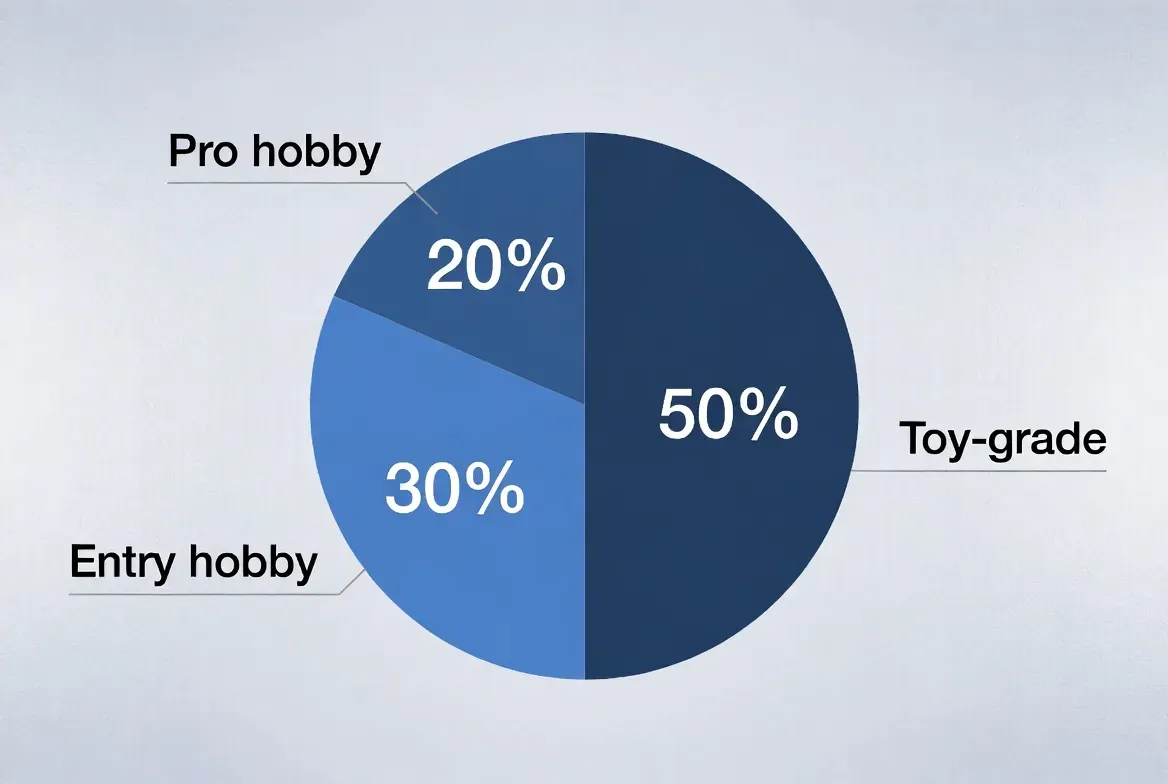
Recommended starter portfolio for a balanced wholesaler:
- 50% toy-grade (cash flow)
- 30% entry hobby (core margin)
- 20% pro hobby (brand & long-term LTV)
Adjust by region: shift to more pro SKUs in NA/EU; more toy-grade in price-sensitive regions.
RC Car Wholesale Sourcing Checklist
- Confirm motor type (brushed vs brushless) and ESC specs.
- Verify battery type and UN38.3 certificates for Li-ion/LiPo.
- Require sample run-in tests: runtime, heat, drop, and interference tests.
- Request BOM with replaceable part list and part numbers.
- Agree on spare parts MOQ, pricing, and lead time.
- Confirm labeling, manuals (local language), and warranty terms.
- Pilot with 100–500 units in the target channel before full roll. Collect returns and CS metrics.
Pricing & Positioning Tactics
- Use clear tiered SKUs and bundle spare parts to increase AOV (e.g., battery + charger + spare wheels).
- For mid/high tiers, sell extended warranties and maintenance kits.
- Price brushless RC cars to reflect the total cost of ownership (higher ASP + support buffer).
Final Decision Framework
Answer these in order:
- Is the market performance-driven (hobby/club) or price-driven (mass retail)?
- Can you deliver spare parts and technical support within 7–14 days?
- Will your channel accept higher ASP and longer sales cycles?
- Do you have logistics/packaging to handle battery compliance?
If yes to 1 for the performance sector and yes to 2–4 → prioritize entry/pro hobby RC cars. Otherwise → prioritize toy-grade and entry hobby with a clear expansion path.
Conclusion
Selecting the right RC car category is about matching product complexity to market capability. Be explicit: choose the motor type and battery chemistry with the supply chain you can support, not the product that looks good on paper. A disciplined SKU mix and operational readiness for spare parts and battery compliance are the commercial levers that turn trending products into repeatable profit.
About Chengji
Chengji is known as a top toy supplier with structured RC car wholesale production control across toy-grade, entry hobby, and brushless platforms. Each batch follows standardized testing and durability checks to maintain consistent performance and defect rates.
Beyond catalog supply, Chengji develops OEM/ODM toy programs for wholesalers, distributors, and private labels, covering packaging design, branding, and spare-parts planning. With stable lead times and scalable capacity, we support B2B clients seeking predictable quality, configurable specifications, and long-term supply continuity across regional markets.