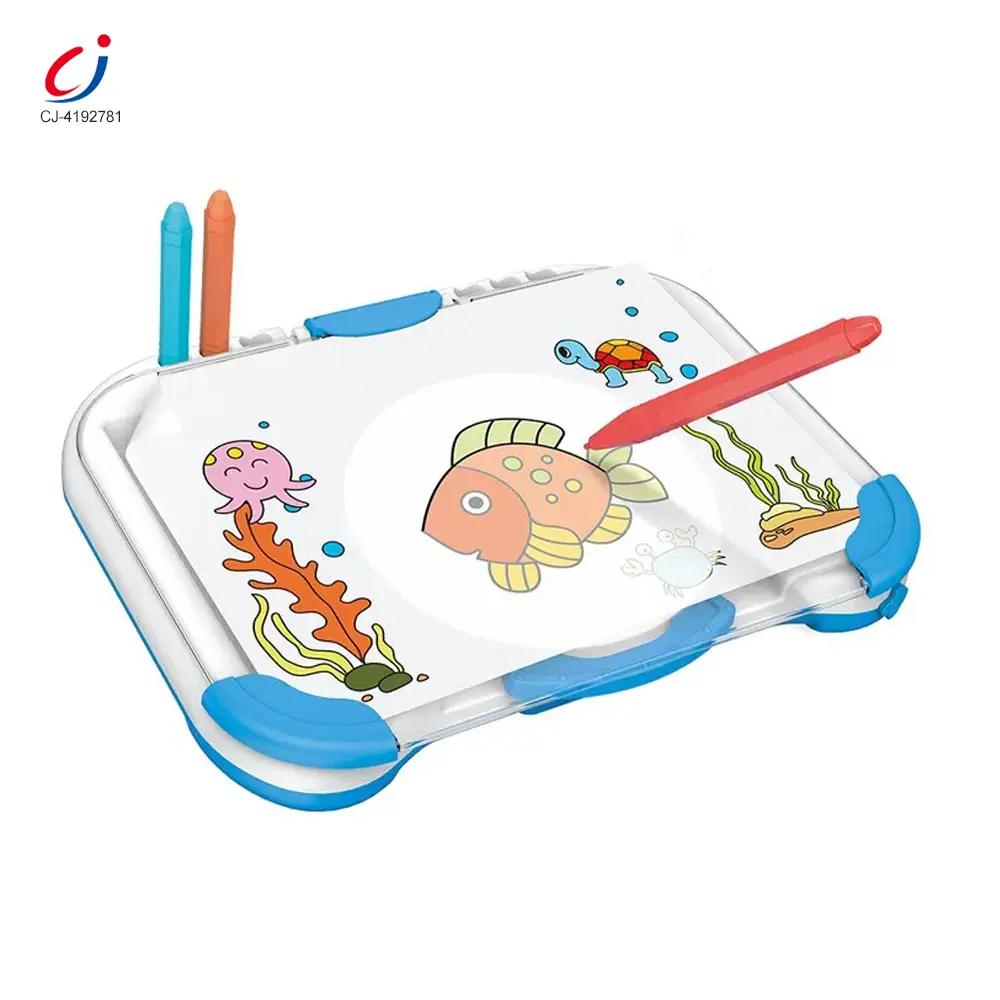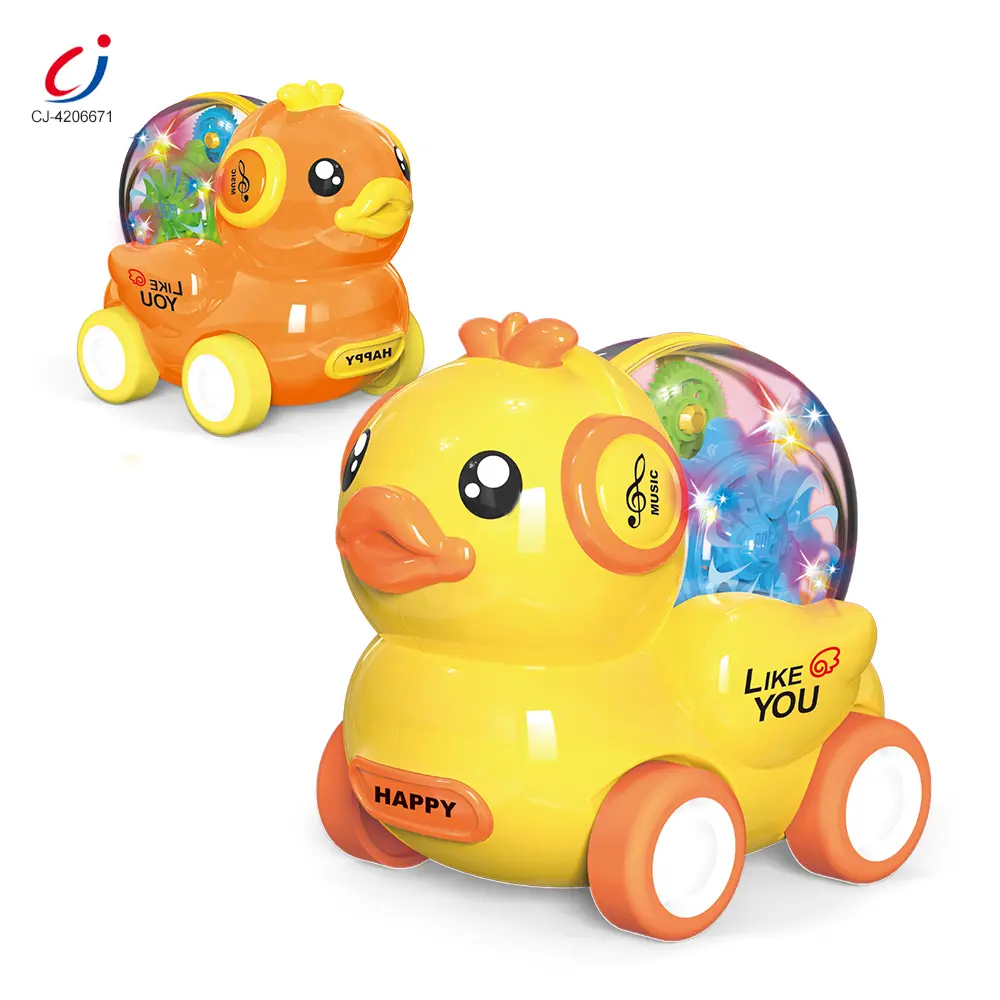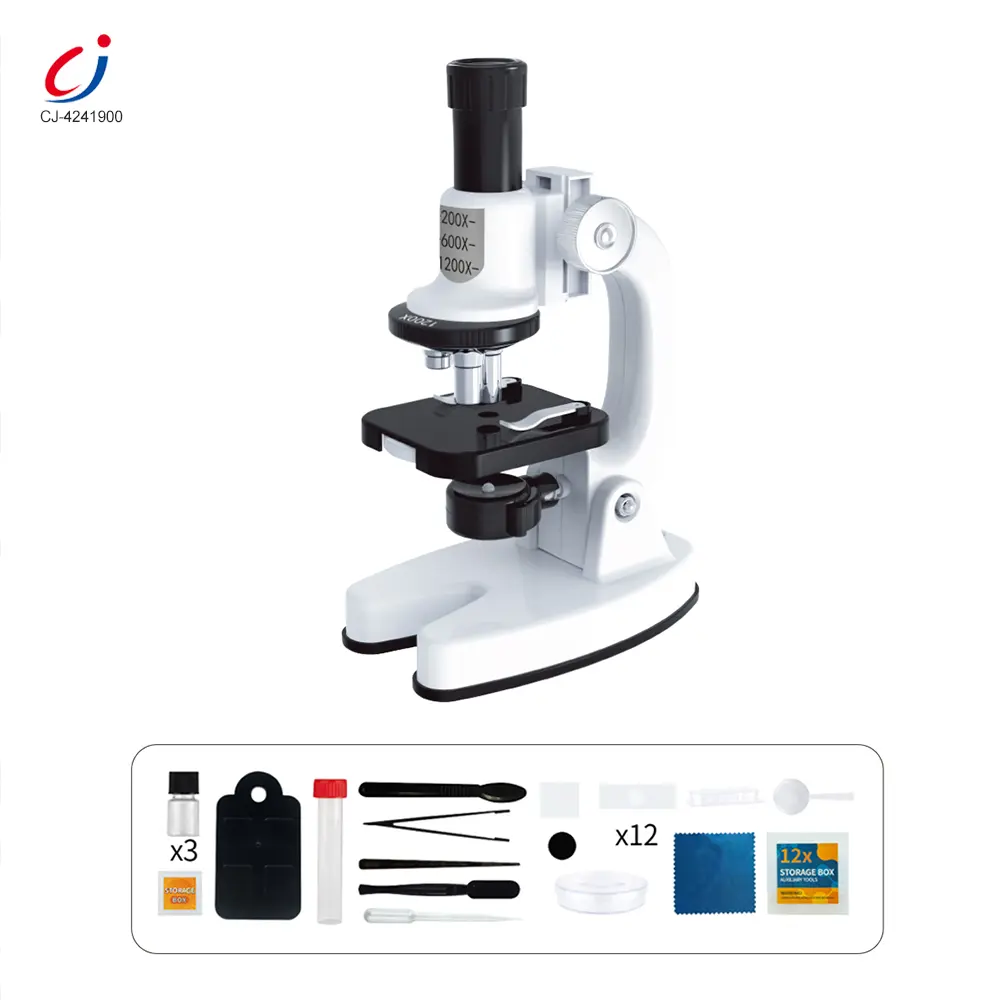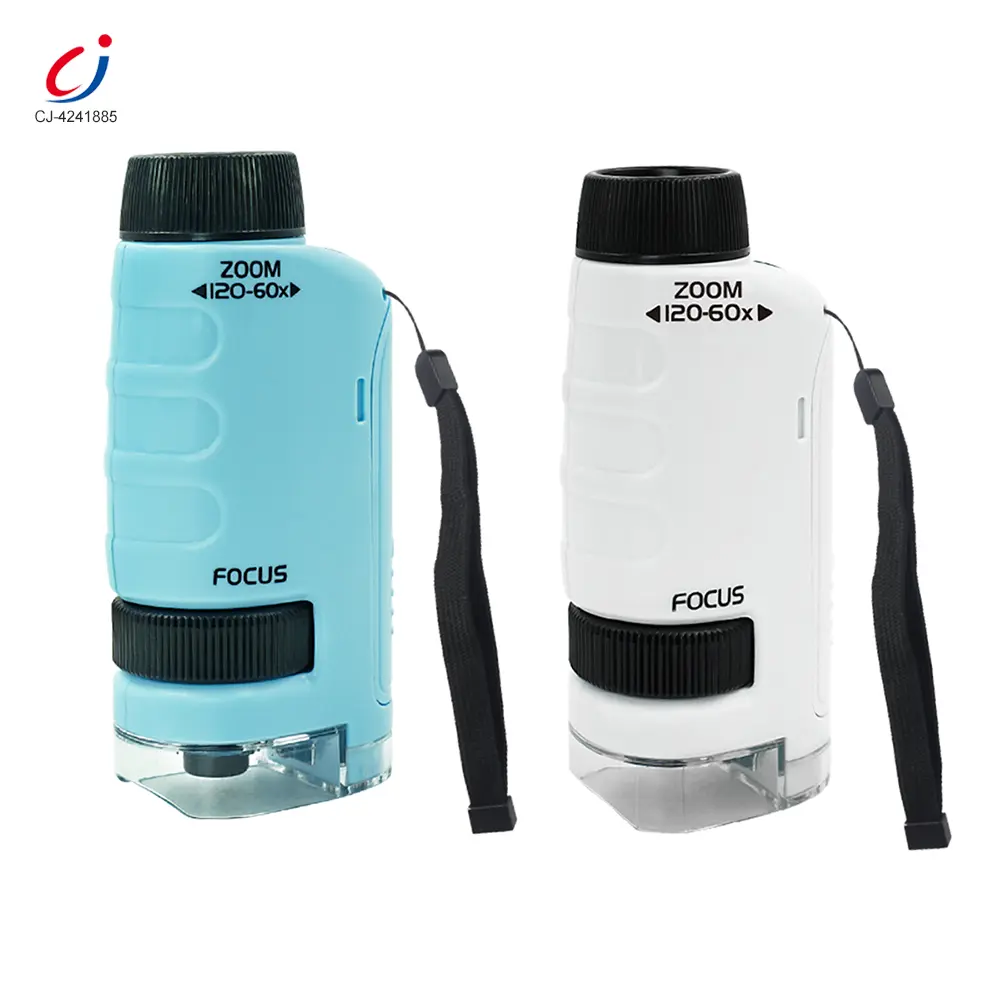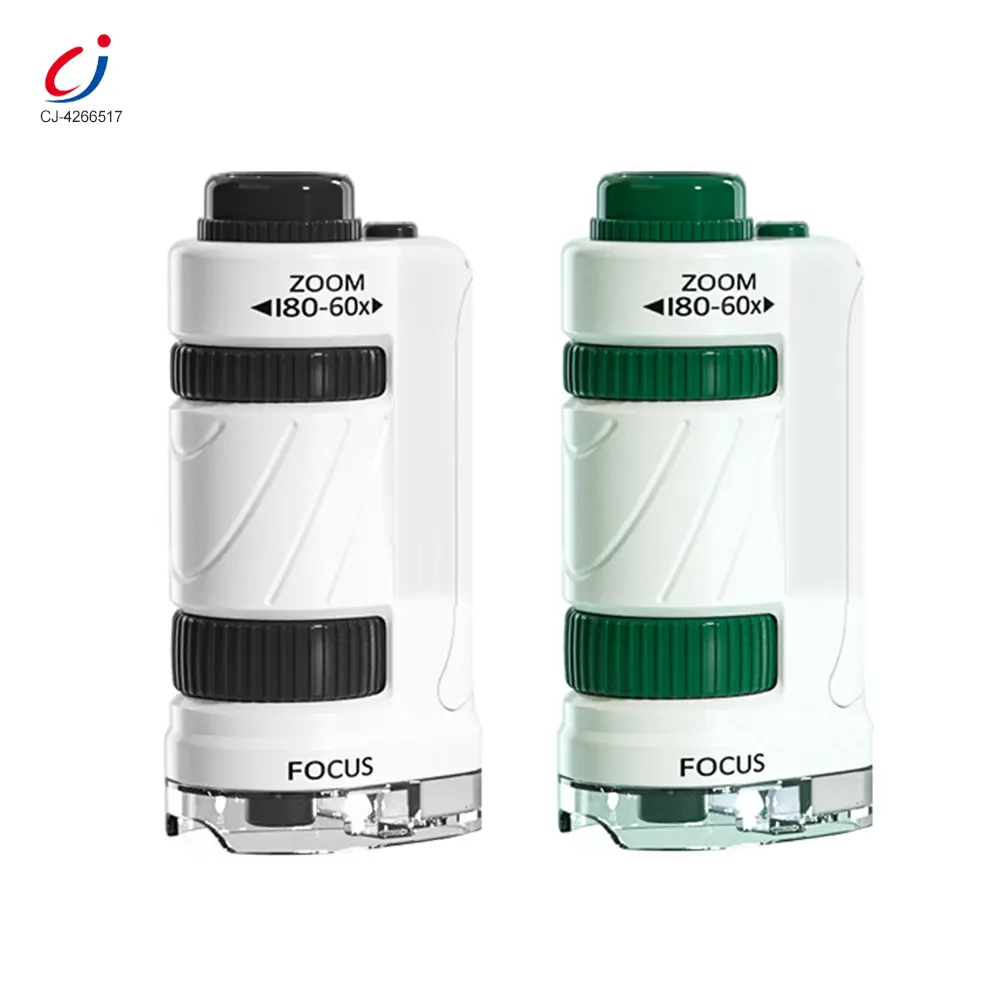
The phrase “STEM toy” is everywhere, but the market has abused it. Many products are labeled STEM simply because they look educational, use bright colors, or come in a box with science-themed graphics. That is not a useful standard for parents or buyers.
The real question is not whether a product is called a STEM toy. The real question is whether it actually helps children learn through interaction, problem-solving, and experimentation.
As a professional stem toy supplier, we are familiar with the types of stem toy, and I will provide you with a practical method for judging them.
What Is a STEM Toy?
STEM stands for Science, Technology, Engineering, and Math. A real STEM toy is not defined by the subject it mentions on the packaging. It is defined by the way a child uses it.
A real STEM toy should require active engagement. The child should have to build, test, adjust, compare, or solve something. If the toy only entertains without requiring thought, it may be fun, but it is not doing real STEM work.
The best way to think about it is simple: a STEM toy is a learning tool disguised as play.
The 4 Core Criteria of a Real STEM Toy
Not every product with a STEM label deserves the name. To judge whether something is a true STEM toy, look for four things.
1. Open-Ended Play
A real STEM toy should allow multiple outcomes. Children should be able to use it in different ways, not follow one fixed script.
A single-function toy has one correct outcome. An open-ended toy has many. That difference matters because open-ended play keeps children thinking longer and gives them room to explore.
2. Cause-and-Effect System
A good STEM toy should create a clear loop:
action → feedback → adjustment
The child does something, sees what happens, and then changes the design or approach. This is how experimentation begins. Without feedback, there is no learning loop.
3. Problem-Solving Requirement
A true STEM toy should ask the child to think, not just press a button and watch a response.
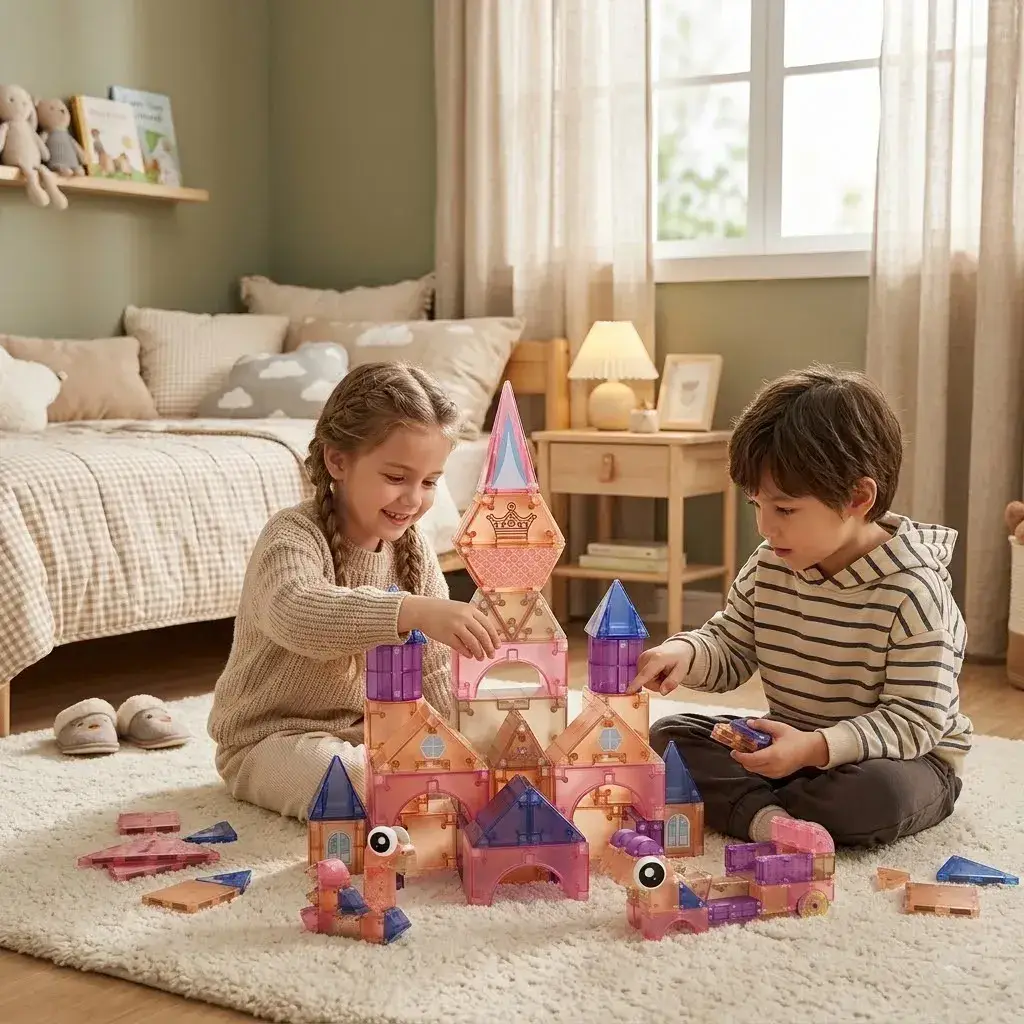
The toy should create small challenges: How do I make this structure stable? Why did this path fail? What happens if I change the sequence? If the child can use it without making decisions, it is not really a STEM experience.
4. Scalable Complexity
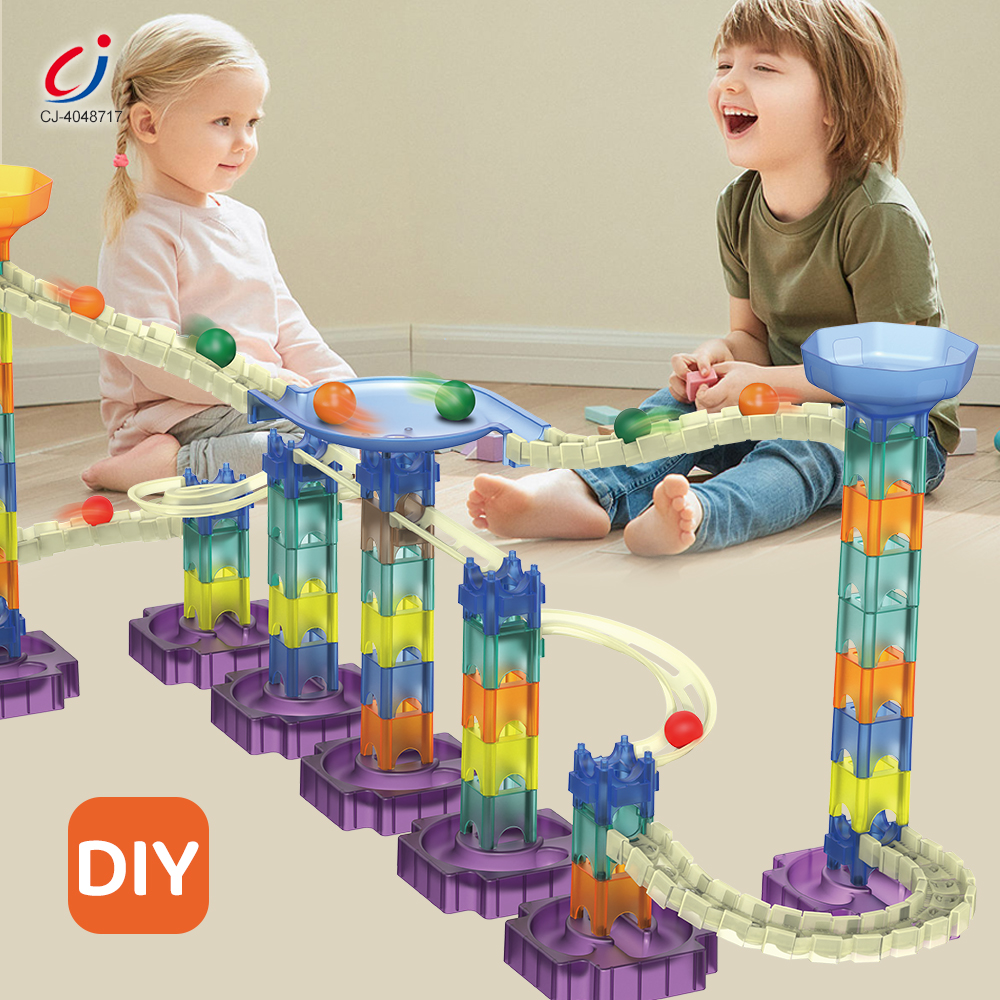
A strong STEM toy should grow with the child. The same product should work for simple play at a younger age and more complex problem-solving later.
That is the difference between a toy that is “used once” and a toy that remains useful for years.
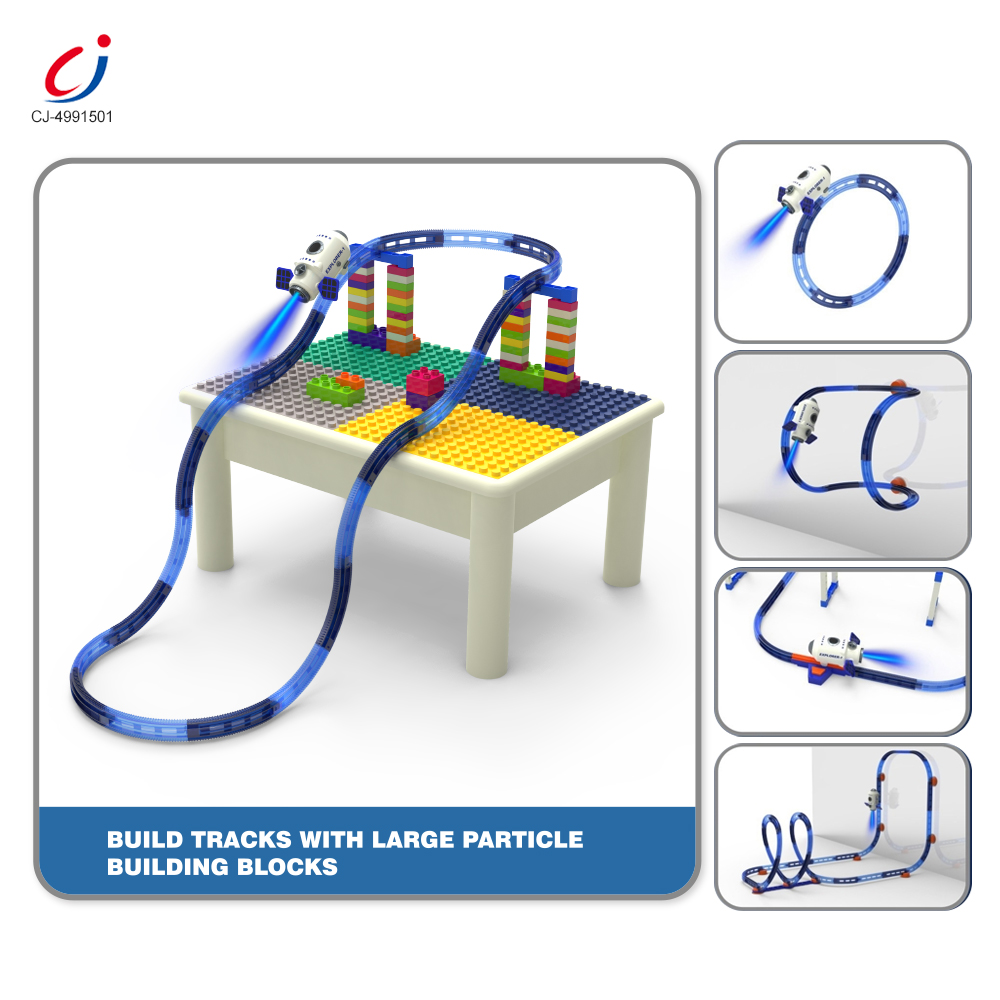
STEM Toy Categories
The market uses the STEM label too loosely, so it helps to divide products into categories.
| Category | Typical Products | Main Skills Built | Best Age Range | Main Risk |
|---|---|---|---|---|
| Construction-Based Toys | magnetic building blocks, LEGO-like systems | spatial reasoning, structure, balance | 4+ | safety, piece size, magnet retention |
| Logic & Puzzle Toys | puzzles, brain games | sequencing, pattern recognition, patience | 3+ | too easy or too hard |
| Coding & Tech Toys | programmable robots, coding kits | logic, sequencing, computational thinking | 7+ | complexity, user frustration |
| Science Exploration Kits | chemistry kits, physics experiments | observation, hypothesis testing, curiosity | 8+ | safety, supervision, missing context |
The table shows an important point: each STEM toy category supports a different kind of thinking. There is no one-size-fits-all product.
How STEM Toys Support Child Development
A STEM toy matters because of how it supports learning, not because of how it is marketed.
Spatial Reasoning
Construction toys improve the ability to understand shapes, directions, and 3D relationships. When children build with blocks or magnetic pieces, they are learning how parts fit together in space.
Logical Sequencing
Coding toys and puzzle toys improve the ability to put steps in order. Children learn that one action leads to another, and that sequence matters.
Hypothesis Testing
Science kits are powerful because they encourage children to predict outcomes. They learn to ask: What happens if I change this? Why did that result happen? This is the foundation of scientific thinking.
Persistence and Self-Correction
A strong STEM toy also teaches failure tolerance. When a design falls apart or a puzzle does not fit, children must try again. That repetition builds patience and resilience.
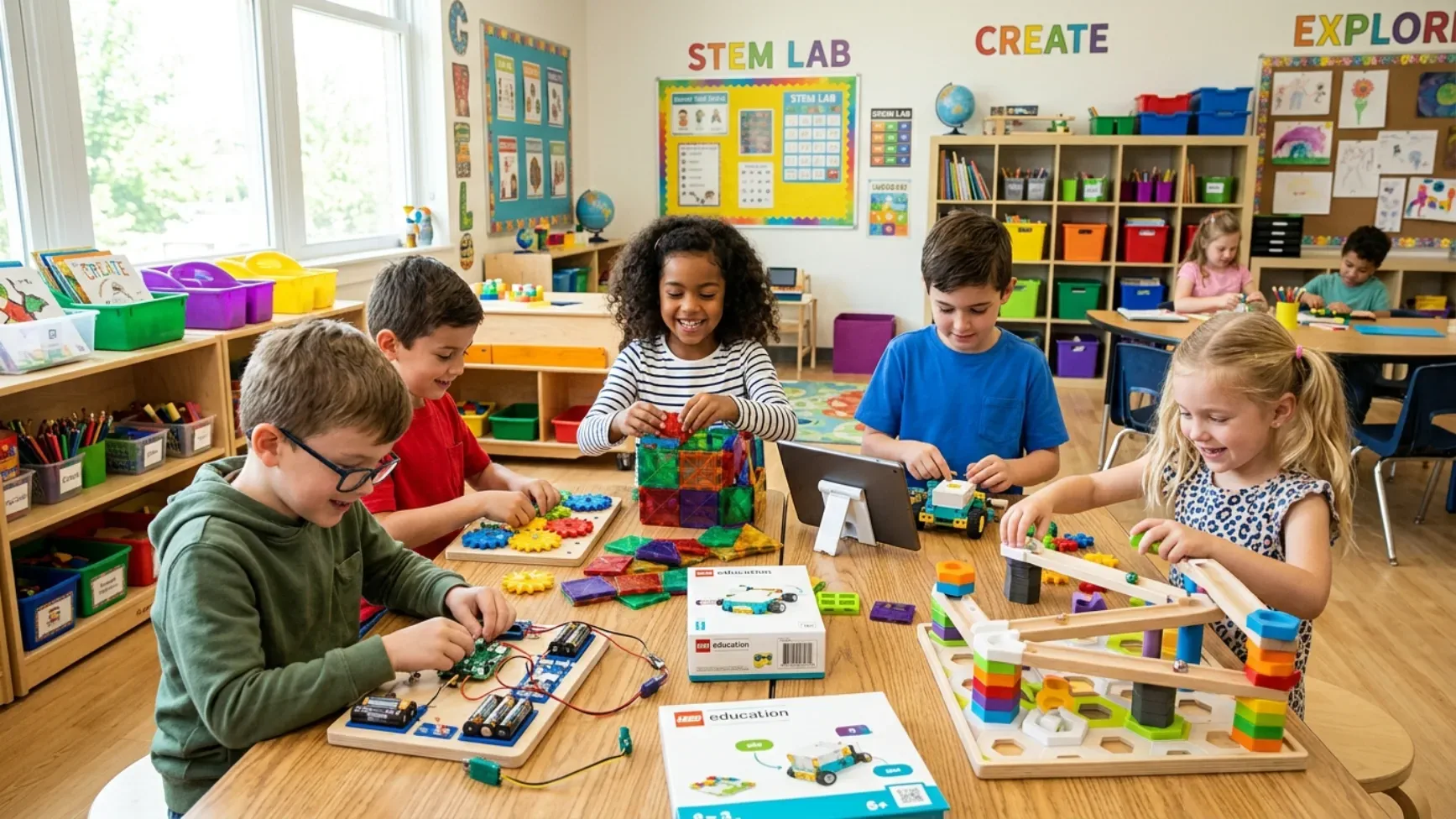
Age-Based Selection Strategy
Choosing the right STEM toy depends on the child’s developmental stage, not just the age printed on the box.
| Age | Cognitive Stage | Recommended Type |
|---|---|---|
| 2–3 | Sensory exploration | simple stacking and shape play |
| 4–6 | Structure understanding | magnetic blocks, basic construction toys |
| 7–9 | Logic and sequencing | puzzles, beginner coding toys |
| 10+ | Systems thinking | robotics, advanced science kits |
This framework helps buyers and parents avoid two common mistakes: giving a toy that is too simple or giving one that is too complex.
Common Misconceptions About STEM Toys
There are several myths in the market.
- “More expensive means better.”
Not true. A high-priced toy can still be passive and low-value.
- “Electronic toys are STEM toys.”
Not necessarily. Lights and sounds do not equal learning.
- “One toy fits all ages.”
Also false. A STEM toy should match the child’s developmental level.
These misconceptions are exactly why the category gets misunderstood and overmarketed.
What Toy Buyers and Wholesalers Should Pay Attention To
For buyers, a STEM toy is not just a product category. It is a sales strategy.
First, check whether the toy is truly open-ended. If the play pattern is fixed, the educational value is limited.
Second, consider return rates. Complex products can create frustration if the target age is wrong. Simple products may sell easily but lack repeat play value.
Third, look at safety certification carefully, especially for magnetic or electronic toys. A poor-quality STEM toy can create compliance and reputation problems.
Finally, study market preference. In many Western markets, parents actively search for STEM value. In other markets, price and play appeal may matter more than educational terminology.
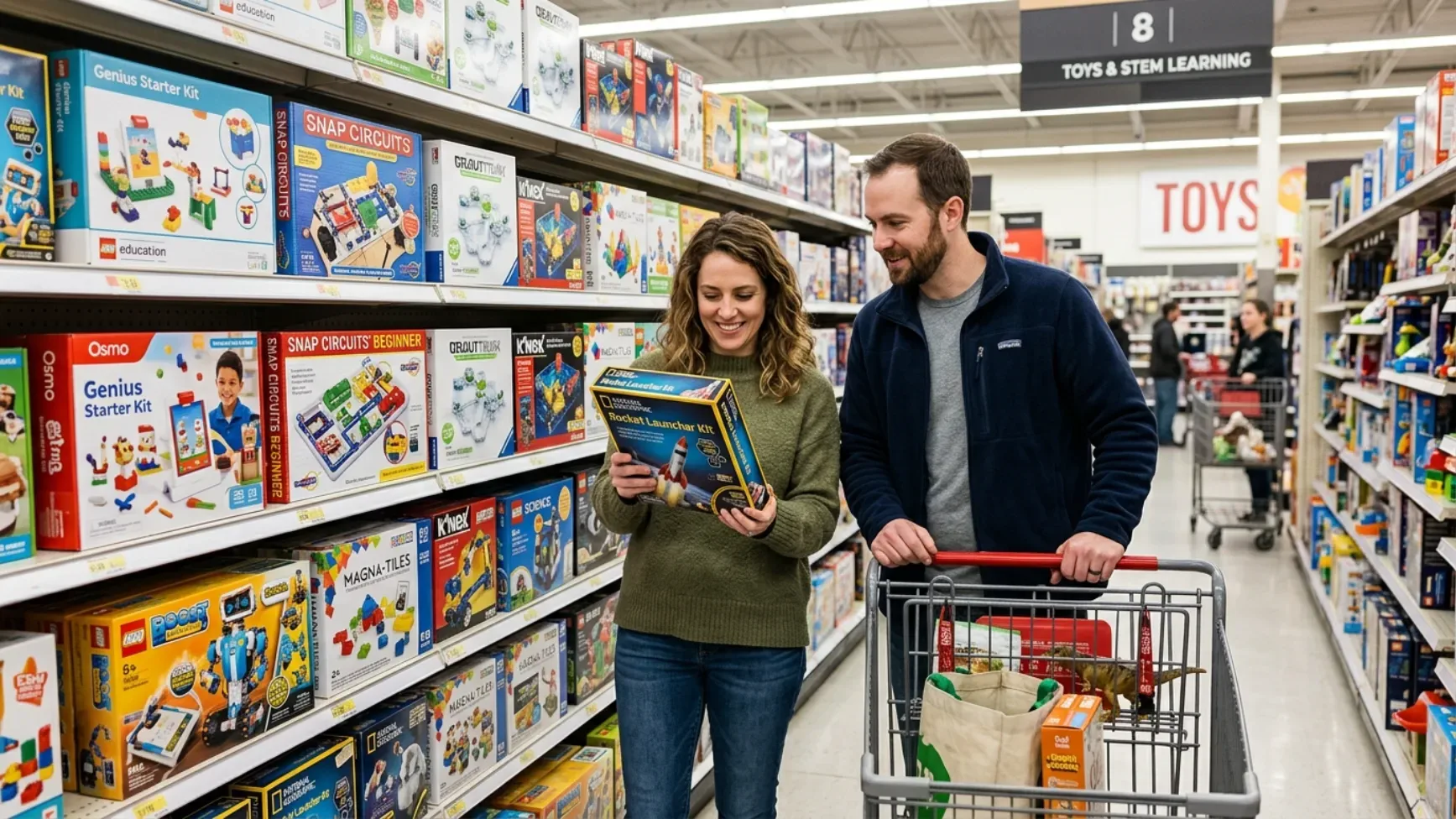
How to Identify Fake STEM Toys
It is not difficult to spot fake STEM products once you know what to look for.
A toy is probably not a true STEM toy if:
- It has only one way to play
- It relies mainly on lights and sounds
- It requires no decision-making
- It gives no feedback when the child changes something
- It looks educational, but it does not create any learning challenge
In simple terms: if the toy entertains more than it teaches, the STEM label is probably decorative.
Conclusion
A STEM toy is not a marketing label. It is a design logic.
The best STEM products are open-ended, interactive, and capable of growing with the child. They create feedback loops, require problem-solving, and support real cognitive development. For parents, that means choosing toys that challenge children in a productive way. For buyers, that means selecting products based on learning structure, safety, and market fit—not just packaging.
If you understand what makes a true STEM toy, you stop buying labels and start buying value.
About Chengji
Chengji is a dedicated toy supplier focused on delivering reliable service and consistent value to B2B clients worldwide. With a diverse portfolio covering educational toys like magnetic building blocks and STEM toys, pretend play toys, and other RC toy products, Chengji emphasizes durable quality, safety compliance, and long-term play value.
We prioritize customer needs with flexible OEM toy and ODM toy services, supporting custom designs, packaging, and product development. Backed by stable production and supply capabilities, Chengji helps importers, wholesalers, and brands build competitive product lines with dependable quality and responsive service.