“STEM” is one of the most overused labels in the toy market. Many products are branded as educational, but the label alone proves nothing. Parents and buyers do not care about marketing language; they are asking whether a toy actually helps children think, build, solve, and grow.
After discussing what a STEM toy is, we need to focus more on what value it delivers at each stage of development.
作为 教育玩具供应商, Chengji concludes that the strongest benefits of STEM toy play are not universal. They depend on age, complexity, and how the toy is designed.
A real STEM toy should do three things: it should require active engagement, create a problem to solve, and allow open-ended exploration. When those conditions are present, play becomes learning.
1. Ages 2–4: Building Foundational Cognitive Skills
At the earliest stage, the main value of a STEM toy is building foundational cognitive skills that kids will use later, not advanced science or engineering. Sensory exploration, repetition, and simple cause-and-effect help children understand how the world responds to their actions.
Stacking toys and simple construction blocks are great helpers for kids at this moment. A child learns that one piece fits on top of another, that shapes differ, and that balance matters. These are small moments, but they are powerful. They strengthen early reasoning, attention, and motor coordination.
At this stage, the benefits of stem toy play are basic but important. The child is not “learning STEM” in a formal sense. They are building the brain infrastructure that will support later STEM thinking.
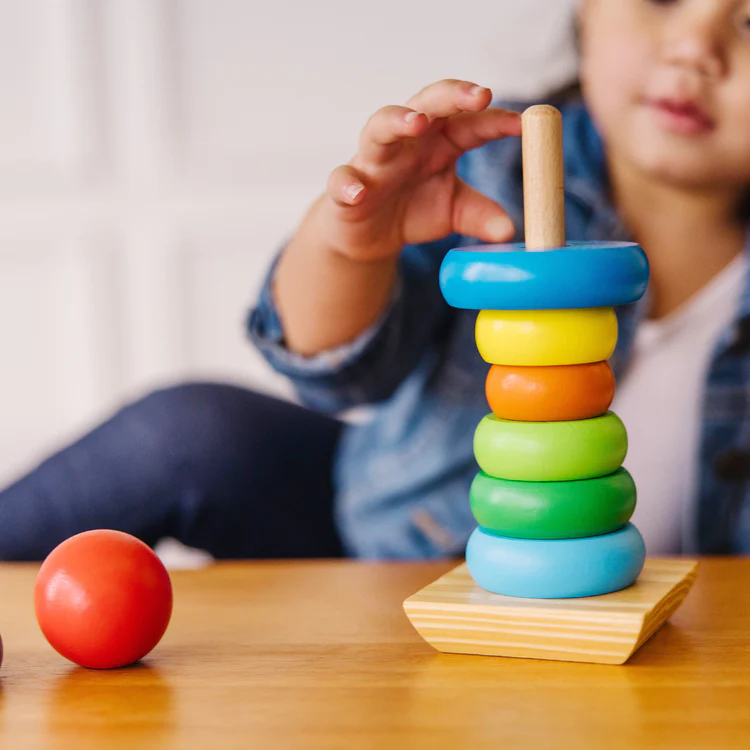
2. Ages 4–6: Enhancing Spatial Reasoning and Creativity
By ages four to six, children begin to think more visually. They start imagining what they want to build before they build it. This is where open-ended construction toys become especially valuable.
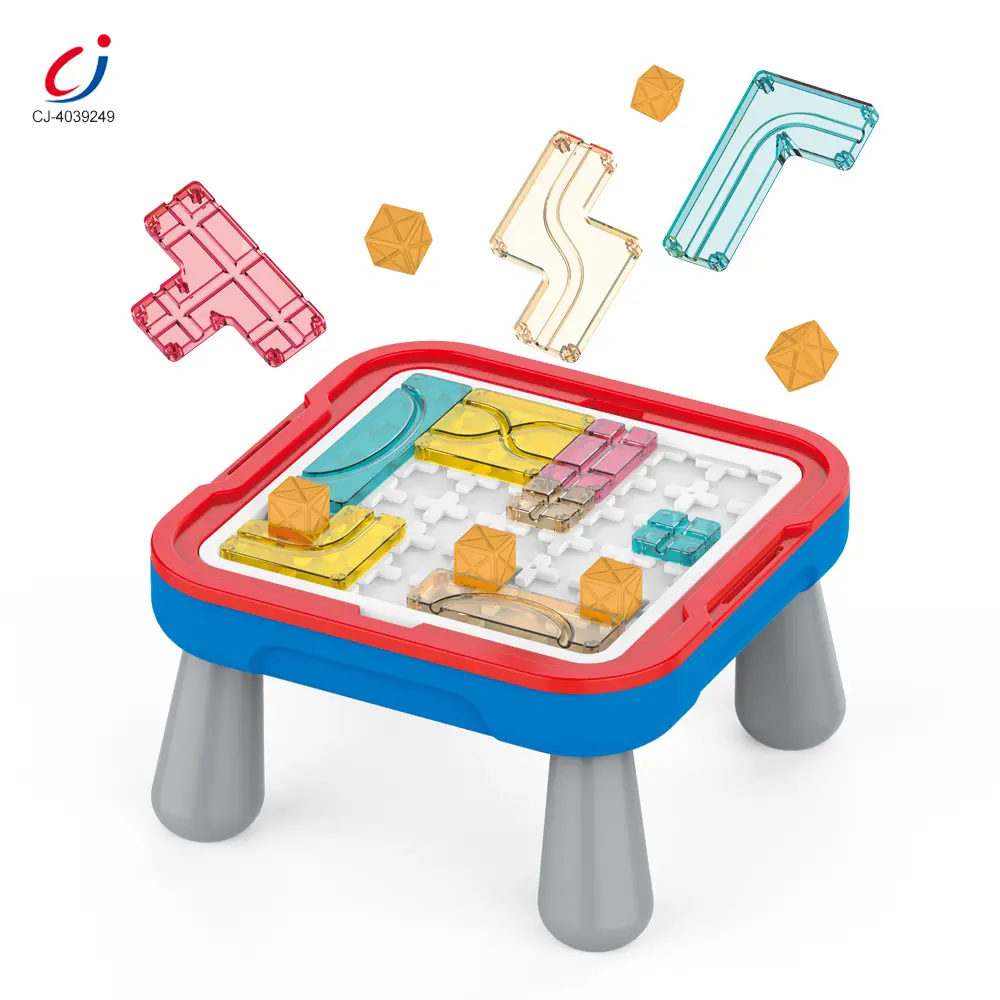
Toys like magnetic tiles, blocks, and simple engineering toys perfectly fit children at the age of 4-6, allowing them to test ideas and revise them.
The key benefit here is spatial reasoning. Children learn how shapes fit together, how structures rise, and why some designs are stable while others fall apart. That directly supports later math and engineering ability.
The real value is not the toy itself. It is the loop it creates: build, fail, adjust, rebuild. This is where the benefits of STEM toy play become more visible. Children are not just playing with objects; they are experimenting with ideas.
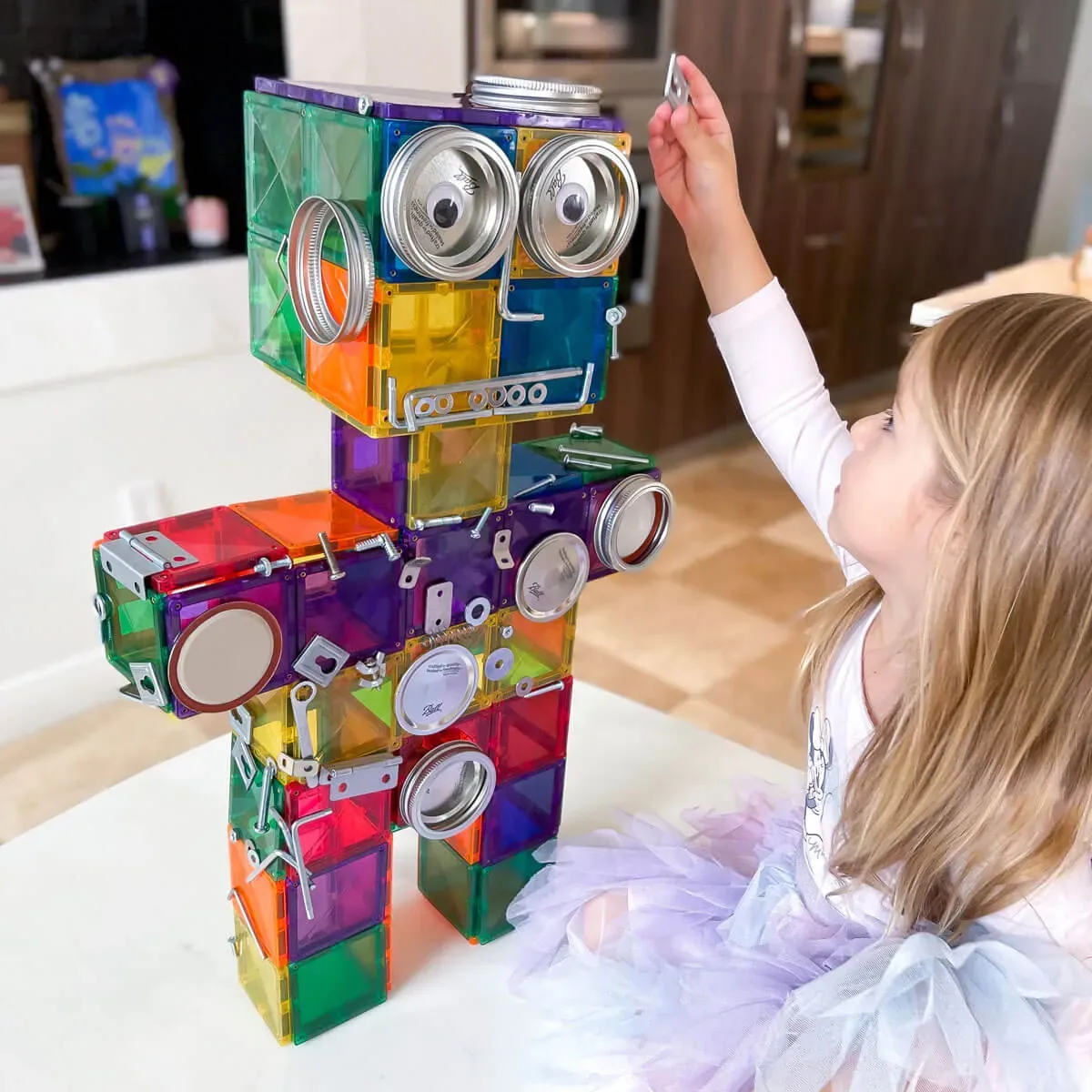
3. Ages 6–8: Developing Logical Thinking and Problem-Solving
At the age of 6-8, children are ready for more structured challenges. They can follow rules, notice patterns, and solve tasks step by step.
Puzzle toys, logic games, and beginner coding toys fit this stage well because they require children to think in sequence.
This is the point where a STEM toy shifts from simple play to guided thinking. The child has to predict outcomes, compare possibilities, and correct mistakes. That is a very different cognitive task from pressing a button and watching a response.
The benefits of STEM toy use here are stronger because the child must actively solve a problem. The toy should not do the thinking for them. It should create a challenge that is just difficult enough to require effort but not so hard that the child gives up.
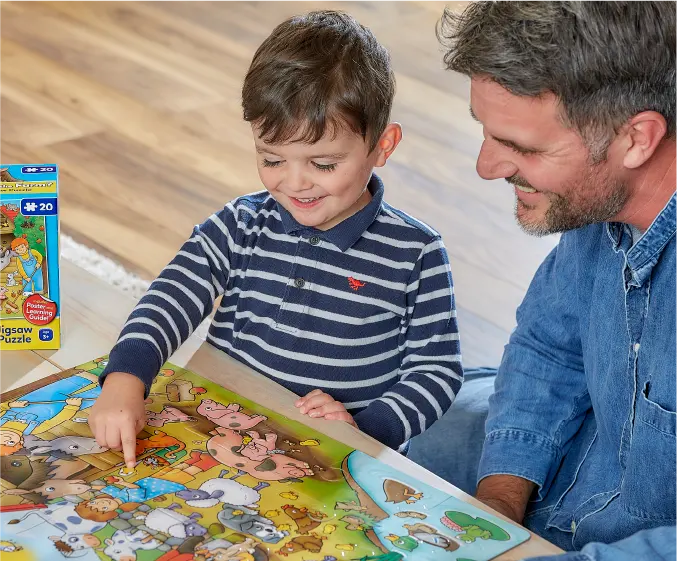
4. Ages 8–10: Introducing Systems Thinking
Older children begin to understand that objects do not work alone. They start to know how parts interact and how a fluent system is built. Systems behave in ways that depend on multiple inputs.
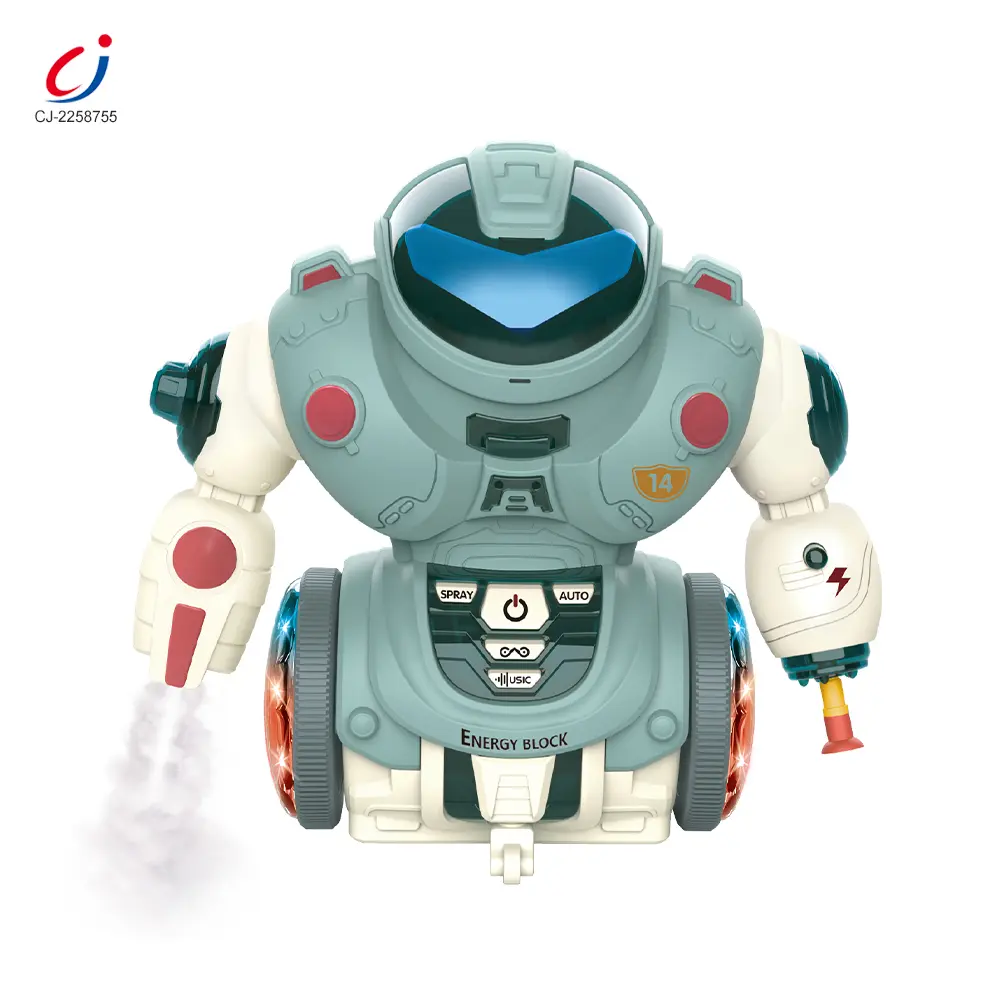
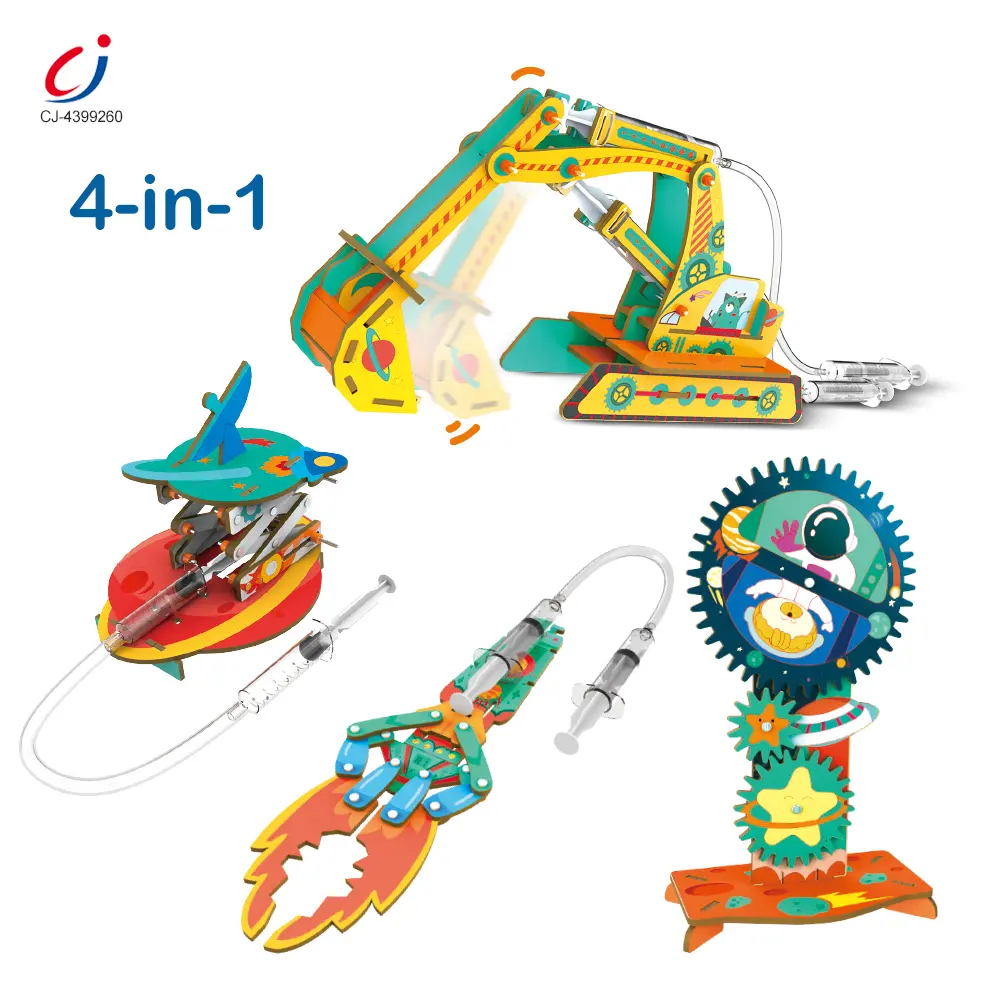
Robotics kits and machinery kits are useful and draw kids’ attention at this stage
A robot that moves, reacts, or responds to commands helps children see how one action affects another. A gear system shows how motion transfers. A mechanical build teaches sequencing and interaction. This is no longer just problem-solving; it is systems thinking.
The most important part of the benefits of STEM toy experience at this stage is that children begin to think in relationships rather than isolated pieces. They are no longer asking only, “How do I fix this?” They are asking, “How does this whole system work?”
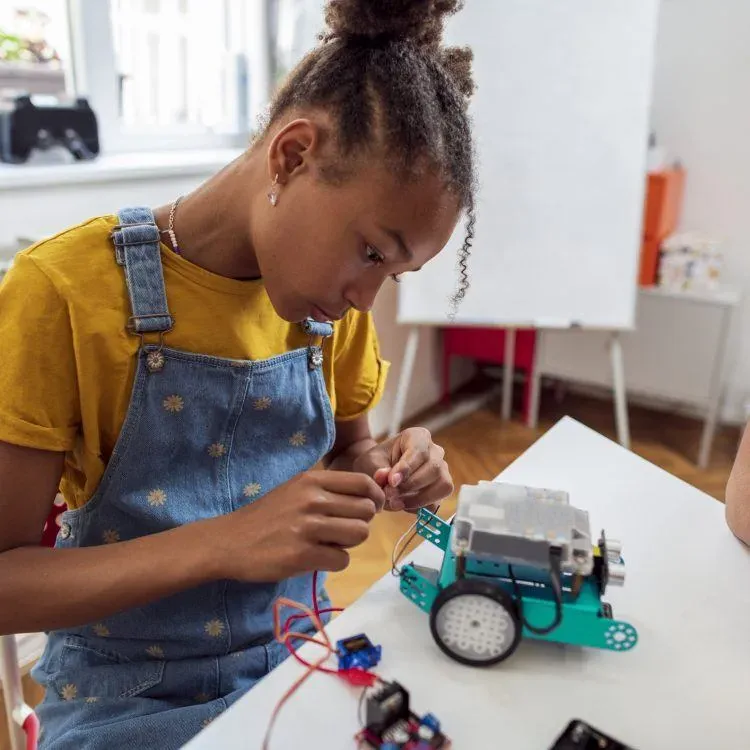
5. Ages 10+: Building Real-World Application Skills
At ten and above, children can handle more abstract tasks. They can test hypotheses, debug failures, and apply what they have learned to more realistic challenges.
Advanced robotics, science kits, and programming platforms are effective because they feel like projects rather than simple toys.
This is where STEM play becomes closer to real-world learning. Children can build something, test it, improve it, and explain why it works. That process strengthens confidence, collaboration, and technical understanding.
The benefits of STEM toy play at this age are not just educational. They are practical. Children learn how to think through a problem and move from idea to result.

Age-Based STEM Toy Recommendation Summary
| Age Range | Core Development | Primary Benefit | Recommended STEM Toy Type |
|---|---|---|---|
| 2–4 | Sensory and motor growth | Basic cognition | Stacking toys, simple blocks |
| 4–6 | Spatial awareness | Creativity and structure | Magnetic tiles, building toys |
| 6–8 | Logical thinking | Problem-solving | Puzzles, logic games |
| 8–10 | Systems thinking | Understanding interactions | Robotics, mechanical kits |
| 10+ | Abstract reasoning | Real-world application | Coding kits, science sets |
STEM Toy Design Matters More Than the Label
The benefits of STEM toys are embedded in their design.
The strongest toys share three traits:
- open-ended use,
- increasing complexity,
- feedback-driven interaction.
If a toy has only one action, no challenge, and no progression, it may entertain a child, but it will not deliver real developmental value.
That is why the benefits of STEM toy products depend on design, not branding. A toy becomes valuable when it makes children think, not when it merely looks educational.
Why Understanding the Benefits of STEM Toys Matters for Buyers
For retailers, brands, and wholesalers, this distinction affects long-term sales. Toys that grow with the child tend to produce better repeat play value and lower return risk. Toys that are too simple lose interest quickly. Toys that are too complex create frustration.
Western markets especially reward products that offer genuine educational value. In that environment, “STEM” is no longer the differentiator. Outcomes are.
Quick Buying Tips for Parents
Choose a STEM toy based on how your child actually plays and learns, not what the package claims.
- Match difficulty to ability: too easy leads to boredom, too hard leads to frustration
- Focus on open-ended play: avoid toys with fixed outcomes or one-button results
- Look for replay value: the toy should be usable in multiple ways over time
- Prioritize thinking over features: lights and sounds do not equal learning
- Ensure safety: especially avoid small parts for younger children
The real benefits of STEM toys come from sustained engagement, not short-term excitement.
结论
STEM toys are not a category defined by packaging. They are a development tool defined by how children use them. The true benefits of STEM toys play come from engagement, challenge, and progression. When a toy scales with age and forces thinking, it does more than entertain. It helps children build the skills they will use for years.
关于成吉思汗
成吉思汗是 顶级玩具供应商 focused on delivering real developmental value for B2B clients. Our products are produced under strict quality control systems and comply with relevant international safety certifications, ensuring reliability and child safety.
We emphasize customer-oriented service, helping buyers select age-appropriate, well-designed STEM toys that support engagement and learning outcomes. With strong OEM toy and ODM toy capabilities, Chengji offers toy customization in design, materials, and packaging, enabling brands, distributors, and retailers to build differentiated and market-aligned educational toy lines.