Importing toys into the UAE involves more than choosing products and arranging shipping. UAE toy importers also need to prepare relevant toy documentation before the goods arrive.
For wholesalers, distributors, retailers, and brands sourcing toys from China, missing or inconsistent documentation can lead to customs delays, additional costs, or problems with product clearance.
The exact requirements depend on the product and applicable UAE regulations, so importers should verify the requirements for each shipment in advance. A toy supplier that can coordinate product information and export documents can make the process considerably easier.
What Documents Do You Need to Import Toys into the UAE?
Toy import documentation generally falls into two categories: commercial and shipping documents und product compliance documents.
| Document | Main Purpose | Usually Provided By |
|---|---|---|
| Commercial Invoice | Declares the transaction and shipment value | Supplier |
| Packing List | Details the shipment contents | Supplier |
| Bill of Lading | Confirms the ocean shipment | Shipping carrier/forwarder |
| Ursprungszeugnis | Identifies the country of origin | Supplier / relevant authority |
| Test Reports | Provides evidence of product testing | Supplier/testing laboratory |
| Conformity Documentation | Supports applicable regulatory compliance | Manufacturer / importer |
| Product & Packaging Information | Supports compliance and customs procedures | Supplier + Importer |
Not every toy shipment will require exactly the same supporting documents. Importers should confirm the applicable requirements before production and shipment rather than assuming that documents from a previous order will automatically apply.
Commercial and Shipping Documents UAE Toy Importers Need
Commercial Invoice
The commercial invoice records the transaction between the buyer and seller.
It normally includes information such as:
- Buyer and seller details
- Product description
- Product quantity
- Unit price
- Total value
- Trade terms
The information should accurately describe the goods being shipped. Inconsistent product descriptions, quantities, or values can create unnecessary questions during customs processing.
For customized or private-label toys, it is particularly important to make sure the product information on the invoice matches the actual shipment.
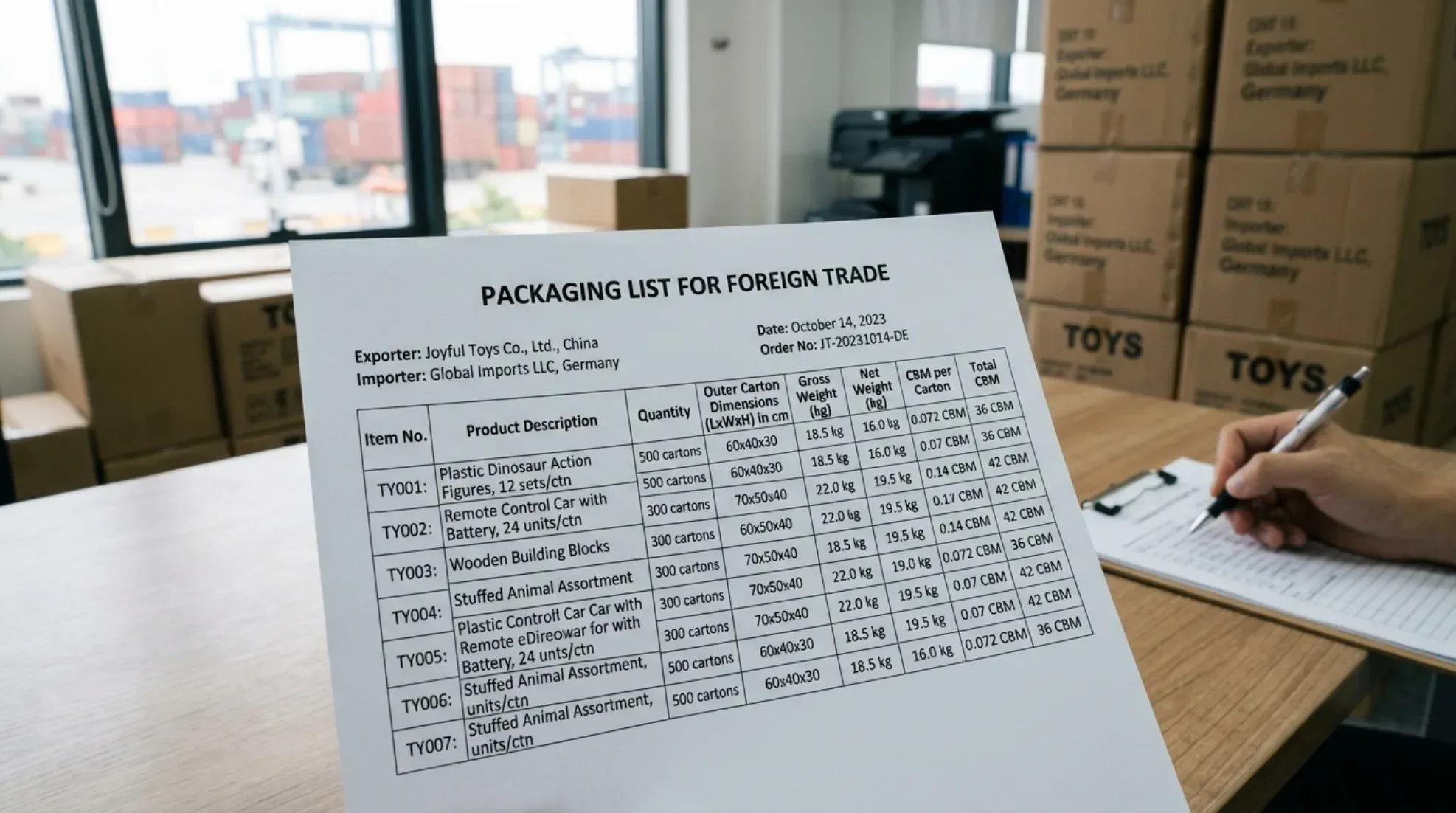
Packing List
The packing list provides detailed information about how the products are packed.
It may include:
- Number of cartons
- Product quantities
- Gross and net weight
- Carton dimensions
- Packaging details
A clear packing list helps the buyer, freight forwarder, and customs authorities verify the shipment.
For large wholesale orders containing multiple toy models, accurate carton and product information becomes particularly important.
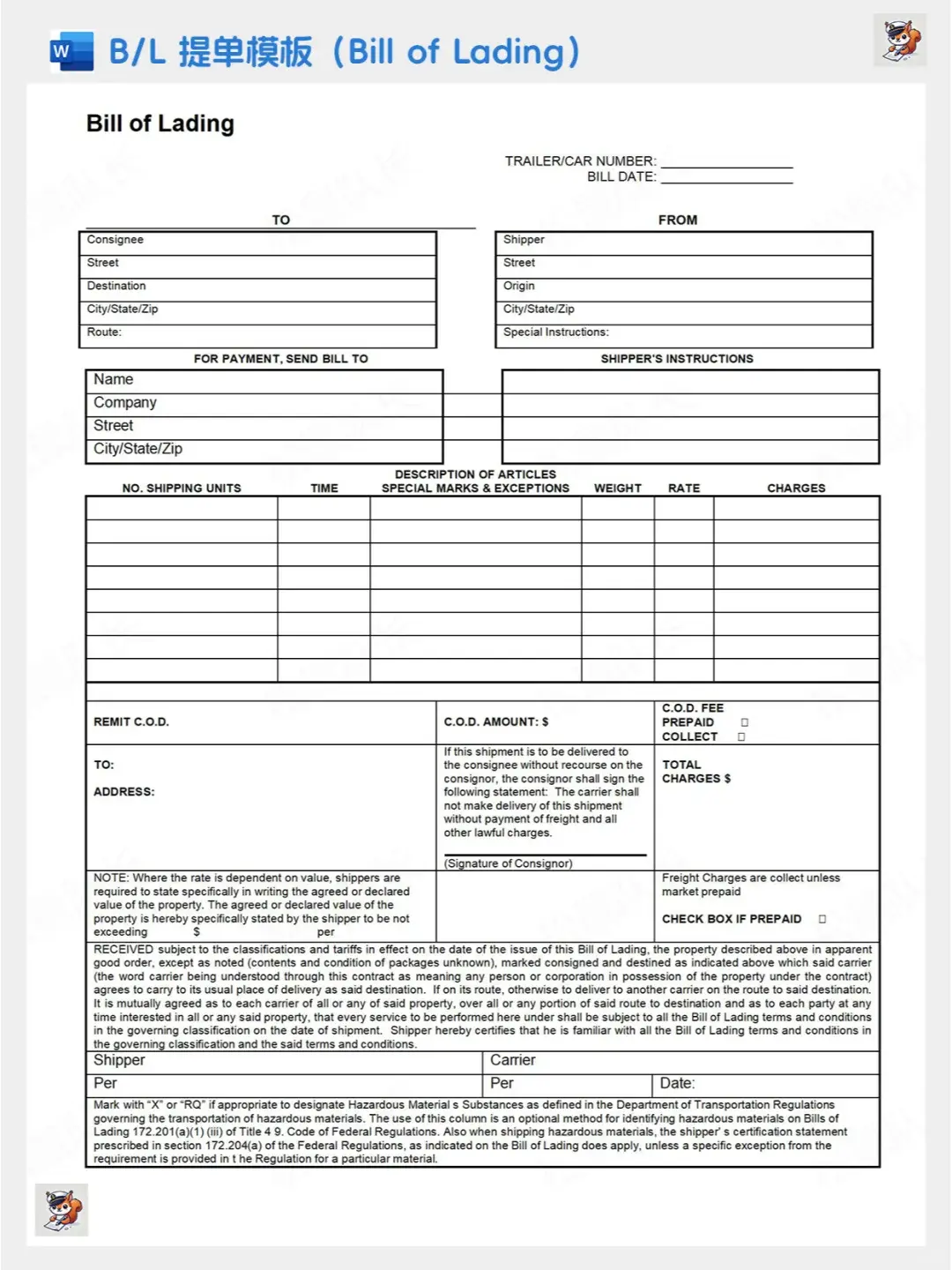
Bill of Lading
For ocean shipments, the Bill of Lading is a key shipping document issued by the carrier or freight forwarder.
It contains information such as:
- Shipper
- Consignee
- Cargo
- Port of loading
- Destination
- Shipping details
The information needs to correspond with the commercial and shipment records to avoid unnecessary complications during cargo release.
Ursprungszeugnis
A Certificate of Origin identifies where the goods were manufactured.
For toys sourced from China, it can provide evidence of Chinese origin when required for customs or other import procedures.
Whether a specific Certificate of Origin is required depends on the shipment and applicable UAE procedures, so buyers should confirm this before shipment.
Product Compliance Documents for Toys
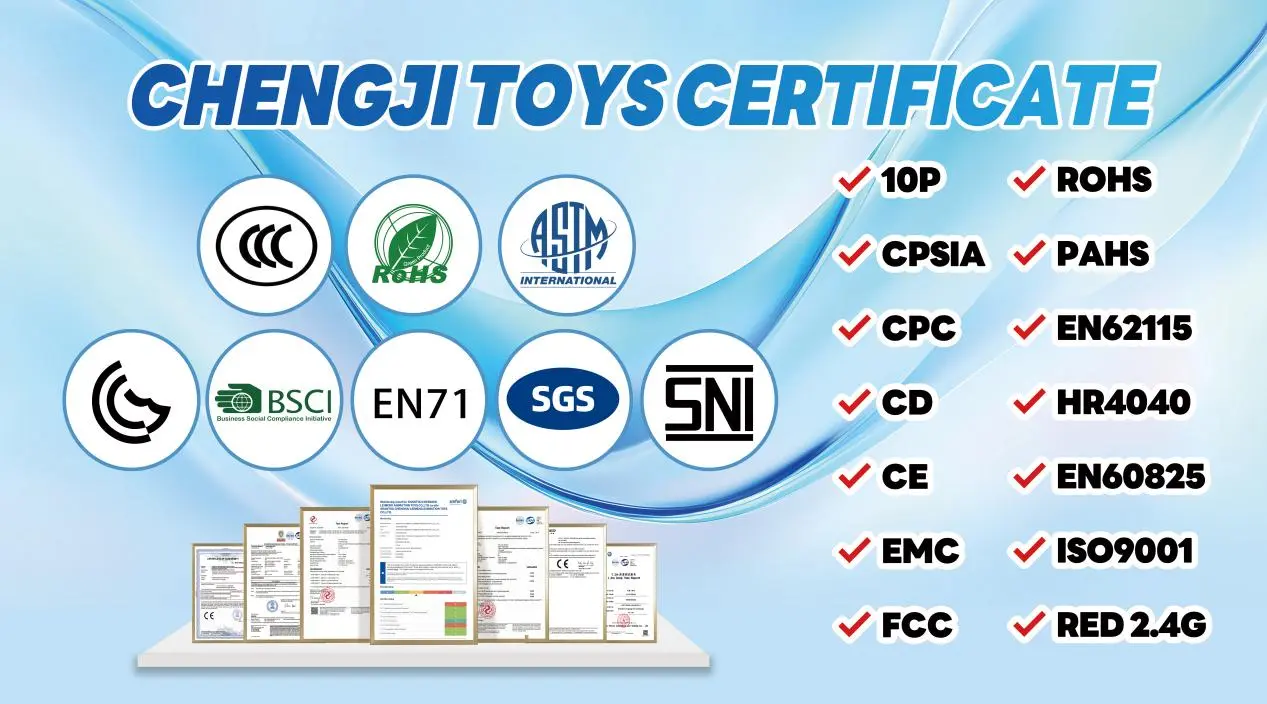
Commercial documents show what is being imported, but they do not by themselves demonstrate that a toy meets applicable safety and regulatory requirements.
Toy Testing Reports
Toy testing reports provide evidence that a product has been tested against applicable safety requirements.
Depending on the product, testing may cover areas such as:
- Physical and mechanical safety
- Materialien
- Flammability
- Chemical safety
- Other applicable toy safety requirements
A testing report should be relevant to the actual product being imported. Buyers should not assume that a report for one toy automatically covers another product.
For new products and customized toys, compliance requirements should ideally be discussed before mass production.
Conformity and Regulatory Documentation
Depending on the product and applicable UAE/GCC requirements, importers may also need conformity-related documentation.
These documents can involve:
- Product identification
- Manufacturer information
- Applicable standards
- Test reports
- Technical product information
The important point for importers is that test reports and conformity documentation are not necessarily the same thing. A test report demonstrates test results, while conformity documentation supports the applicable regulatory compliance process.
Importers should confirm the current requirements for their specific toy category before placing an order.
Product Labeling and Packaging Information
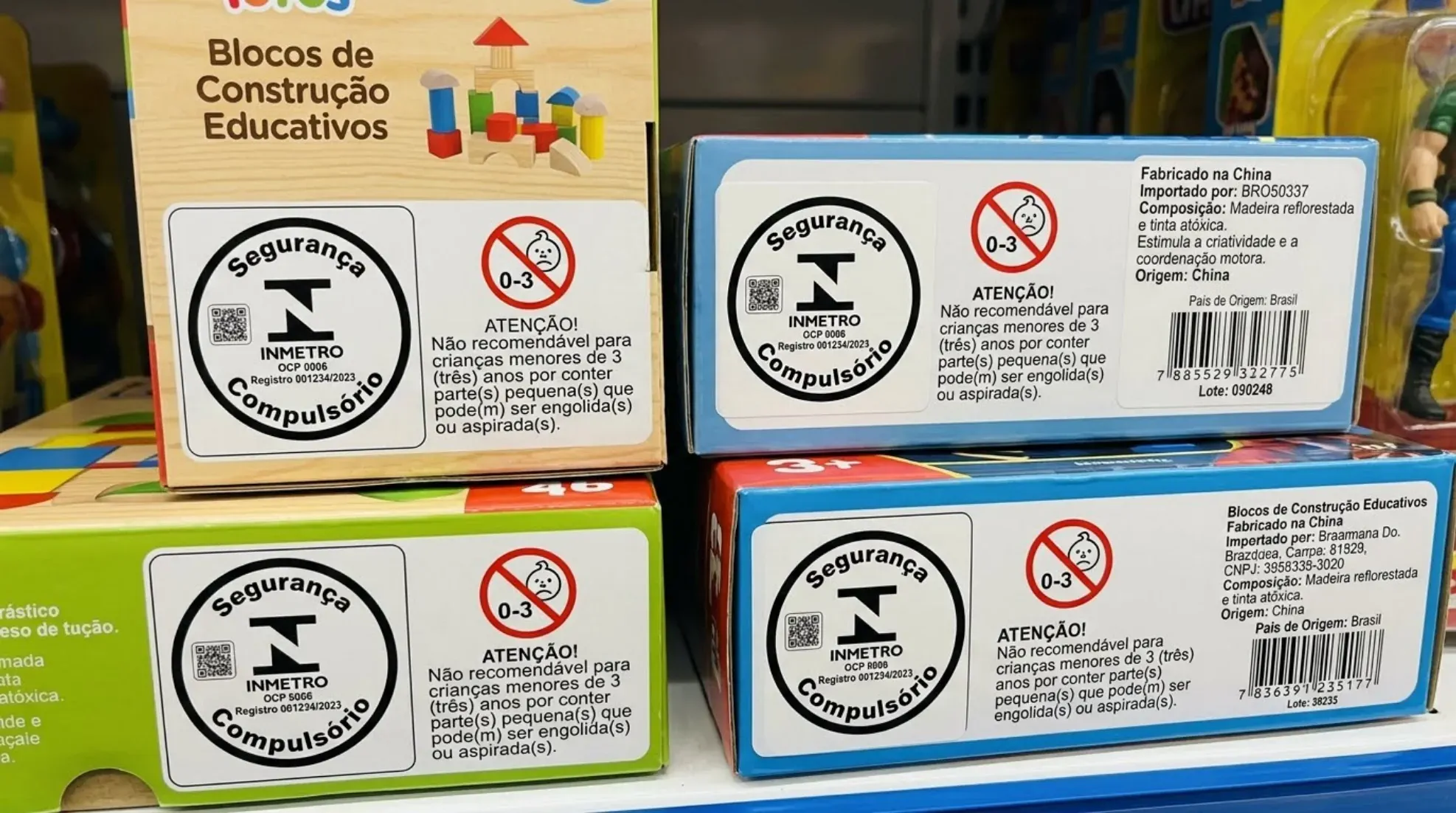
Toy packaging should also be considered part of the documentation and compliance process.
Depending on the applicable requirements, packaging may need information such as:
- Product name
- Manufacturer information
- Importer information
- Age grading
- Safety warnings
- Country of origin
- Required language or other information
This is particularly important for OEM and private-label products.
If required information is discovered only after the packaging has already been printed, changing the packaging can increase production costs and delay the shipment.
Which Documents Should Your Chinese Toy Supplier Provide?
One common mistake is assuming that the supplier is responsible for every part of the UAE import process.
Responsibilities are normally shared.
Supplier-side documents and information may include:
- Handelsrechnung
- Packliste
- Product specifications
- Relevant test reports
- Product compliance information
- Certificate of Origin where applicable
- Shipping information
Importer-side responsibilities may include:
- Import registration or licensing where applicable
- Customs declaration
- Local compliance procedures
- Importer information
- Verification of applicable UAE requirements
The importer remains responsible for ensuring that the shipment complies with UAE requirements, even when the supplier provides supporting documents.
For this reason, buyers should communicate documentation requirements to their toy supplier before production starts.
How Chengji Helps UAE Buyers Prepare Toy Documentation
Documentation should not be treated as something that starts when the container is already ready for shipment.
Chengji supports buyers by coordinating product, factory, and export information throughout the sourcing process.
Confirm Documentation Requirements Before Production
For standard products, OEM projects, and private-label toys, Chengji can communicate with buyers about product requirements before production begins.
This gives buyers an opportunity to confirm:
- Product specifications
- Packaging information
- Labeling requirements
- Testing requirements
- Required supporting documents
Addressing these points before mass production helps reduce the risk of expensive changes later.
Provide Product and Compliance Information
When buyers need supporting product information, Chengji can coordinate with the relevant manufacturing partners to provide information such as:
- Product specifications
- Material information
- Product testing reports where available
- Packaging information
- Manufacturer details
This is particularly useful when buyers are sourcing customized products and need accurate information for their own import procedures.
Als experienced toy supplier, Chengji can coordinate these details between the buyer and production side rather than leaving the importer to communicate with individual factories.
Coordinate Export Documents
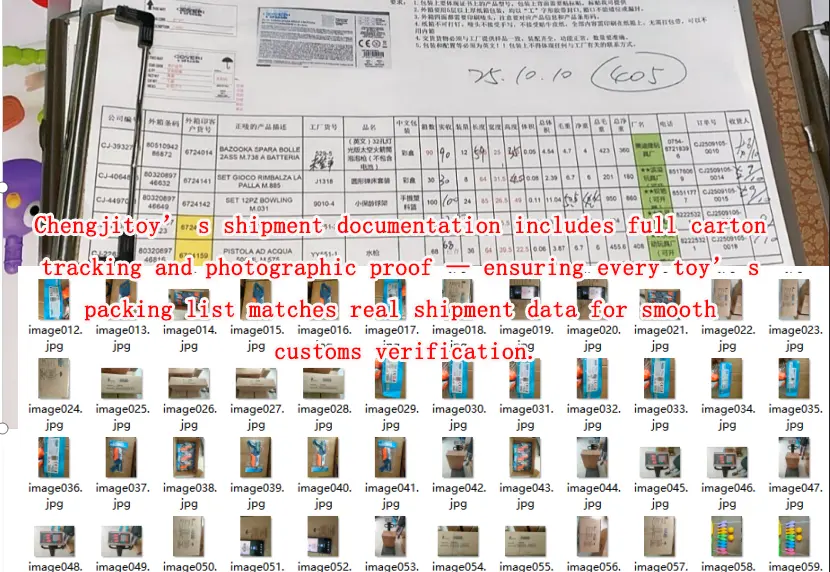
Chengji can also coordinate the commercial and export documentation associated with orders, including:
- Commercial invoices
- Packing lists
- Certificate of Origin where applicable
- Shipping information
- Export-related documentation
The objective is to ensure that the information used for production, packing, and shipping remains consistent.
Coordinate Multiple Factories Through One Supplier
This becomes especially valuable when buyers source different toy categories from different manufacturing partners.
China’s toy industry is distributed across multiple manufacturing regions, and Chengji connects buyers with suitable factories according to product category and project requirements.
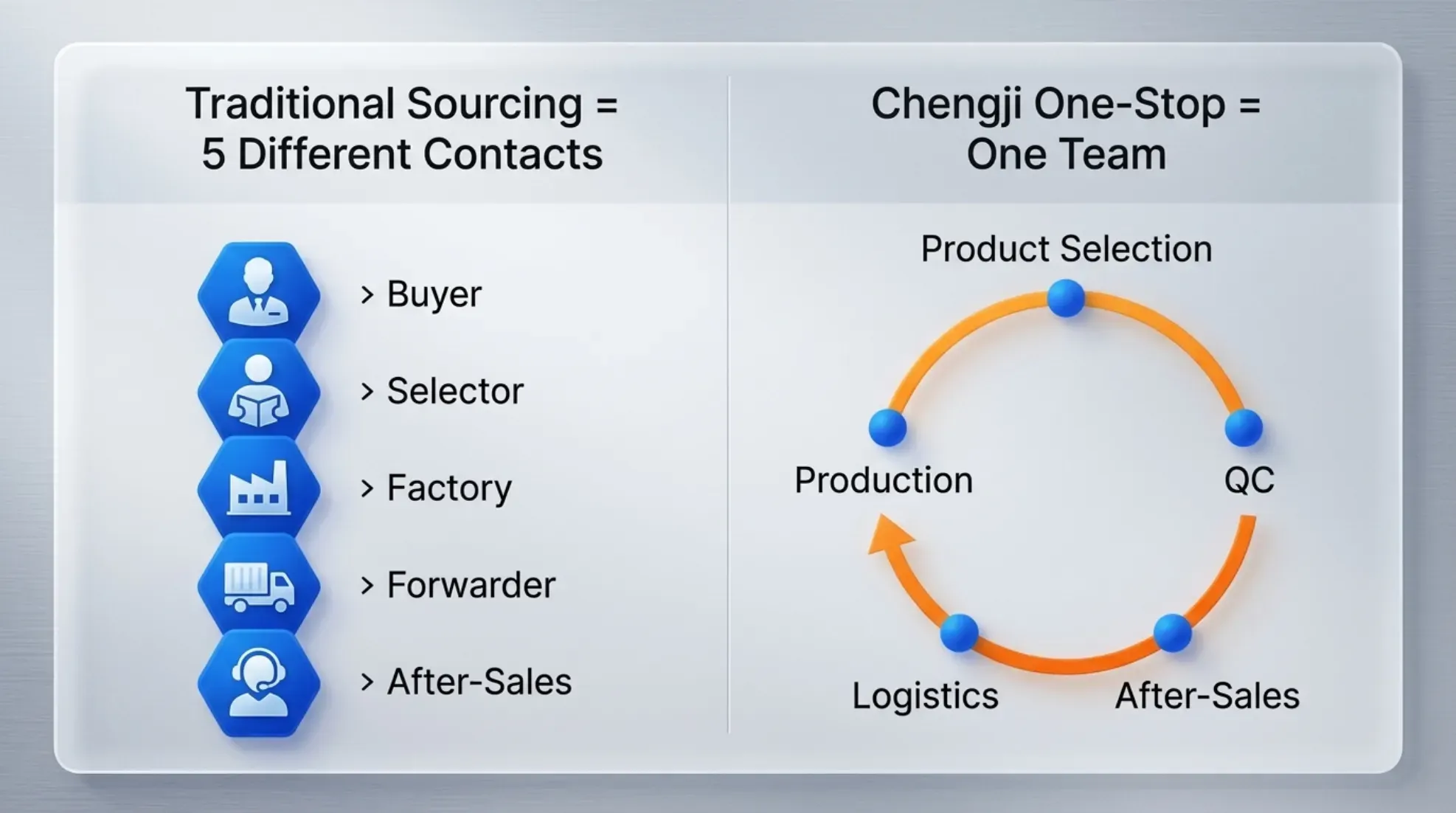
Instead of communicating separately with several manufacturers about product specifications, testing information, packaging, and shipping, buyers can coordinate through Chengji as a single sourcing partner.
This reduces communication complexity and helps maintain more consistent documentation across an order.
How to Avoid Documentation Problems Before Shipment
UAE importers can reduce documentation risks by checking the following before production and shipment:
- Confirm applicable UAE requirements
- Check product specifications
- Confirm testing requirements
- Approve packaging and labeling
- Verify manufacturer information
- Check commercial invoice details
- Check packing list details
- Make sure product names are consistent across documents
- Prepare customs information before shipment
For large or customized orders, these checks should be completed before mass production whenever possible.
Schlussfolgerung
Documentation is not simply an administrative task at the end of the supply chain.
It can directly affect:
- Product design
- Verpackung
- Testing
- Labeling
- Production schedules
- Shipping
- Customs clearance
This is particularly important for customized toys. If a buyer discovers a required label or testing requirement after production, correcting the products may require additional manufacturing work, repackaging, or testing.
Arbeiten mit einem Hersteller von kundenspezifischem Spielzeug that discusses these requirements before production can therefore reduce both time and sourcing risk.
FAQs About UAE Toy Import Documentation
What documents are required to import toys into the UAE?
Common documents include a commercial invoice, packing list, Bill of Lading, Certificate of Origin where applicable, and relevant product testing and conformity documentation. Exact requirements depend on the product and applicable regulations.
Does every toy need a conformity certificate?
Not necessarily; the same documentation applies to every product. Requirements depend on the toy category and applicable UAE/GCC regulations. Importers should verify the requirements for their specific products.
Who provides toy testing reports?
Testing reports are generally issued by qualified testing laboratories. A manufacturer or supplier may provide existing relevant reports or coordinate testing for products when required.
Does the supplier or importer prepare the commercial invoice?
The seller typically issues the commercial invoice, while the importer is responsible for using the documentation correctly as part of the import and customs process.
Is a Certificate of Origin required for toy imports?
It may be required depending on the shipment and applicable customs procedures. Buyers should confirm the current requirement before shipment.
What happens if toy import documents are incomplete?
Incomplete or inconsistent documentation can cause customs delays, additional administrative work, or other import complications. Preparing documents before shipment helps reduce these risks.