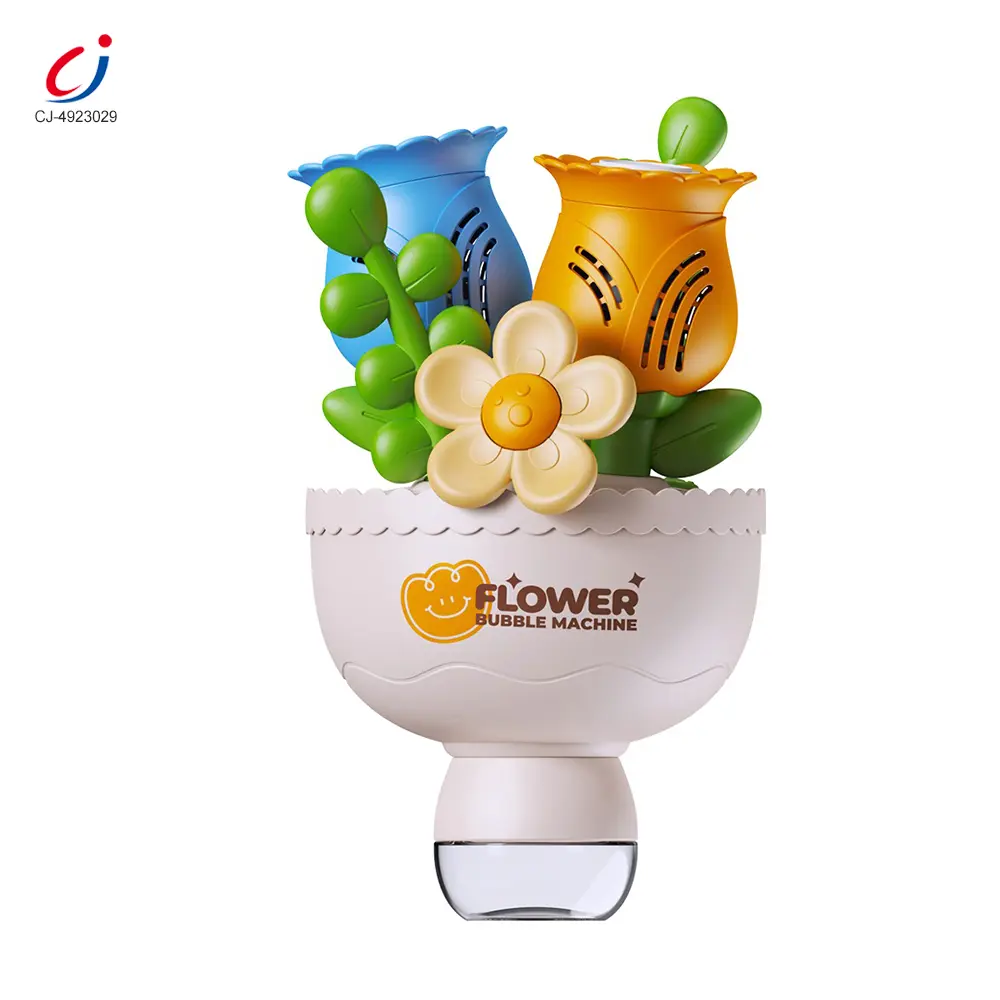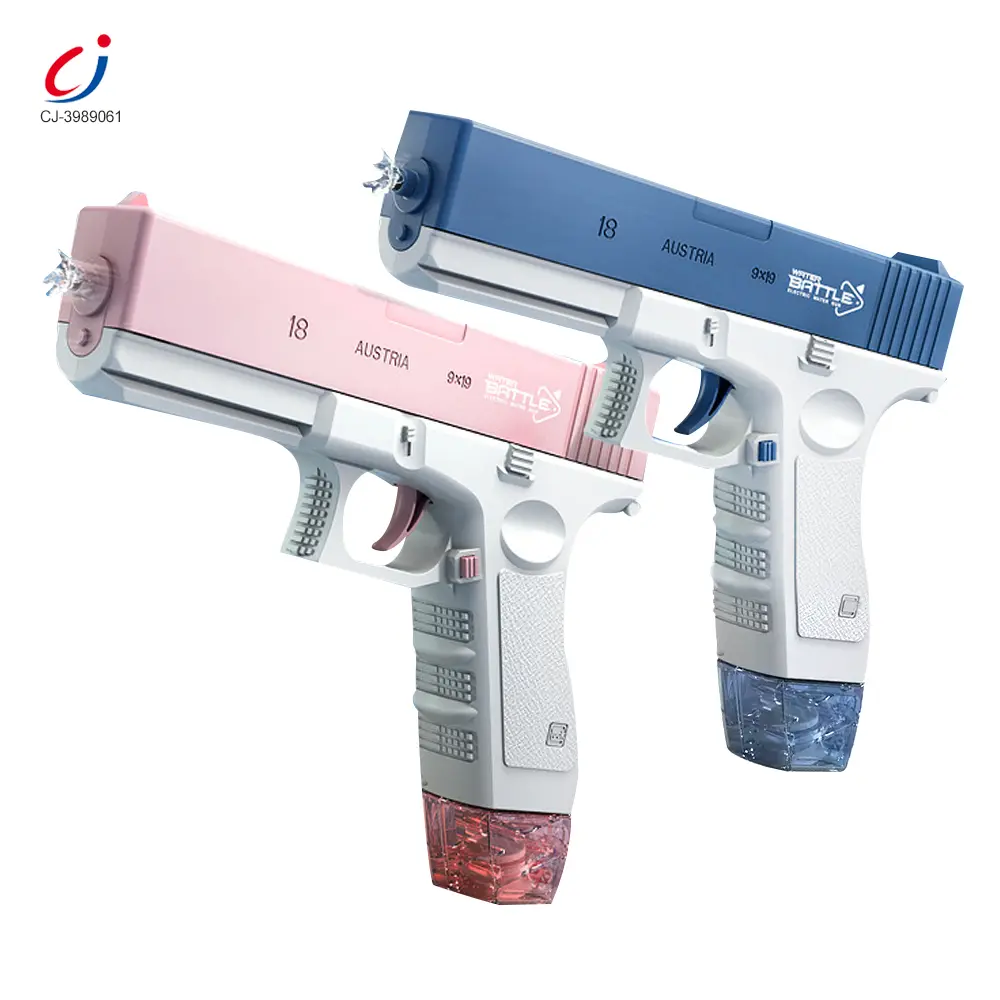
Across Europe, North America, and increasingly in Asia, retailers and distributors are under pressure to reduce plastic usage, improve product safety perception, and align with environmental standards. This shift is directly influencing toy sourcing decisions.
However, there is a persistent misconception: eco-friendly materials are always expensive and difficult to scale. That assumption is outdated.
Wheat straw composite has emerged as a practical alternative. It allows manufacturers to reduce plastic content while maintaining compatibility with standard injection molding processes without switching machinery. More importantly, it offers a realistic entry point for brands that want to launch eco-positioned toy lines without disrupting their entire supply chain.
From the perspective of a wholesale kids’ toys supplier, this guide will introduce you to how to launch your wheat straw toy with a custom toy factory.
Step 1 — Define Your Product Strategy Before Manufacturing
Most failed product launches are not caused by factories. It is caused by an unclear strategy.
Target the Sustainable Toy Market & Channel
Start with where the product will be sold:
- Mass retail → price-sensitive, high volume
- E-commerce → differentiation and reviews matter
- Education channels → safety and learning value prioritized
It is a wise choice to promote different product features and use different pricing logic based on your selling channel.
Product Positioning
Wheat straw toys can be positioned in three ways:
- Eco-friendly alternative (mainstream pricing)
- Premium sustainable product (higher perceived value)
- Cost-controlled eco option (entry-level markets)
Without clear positioning, product development becomes inconsistent.
Custom Toy Category Selection For Wheat Straw Toy
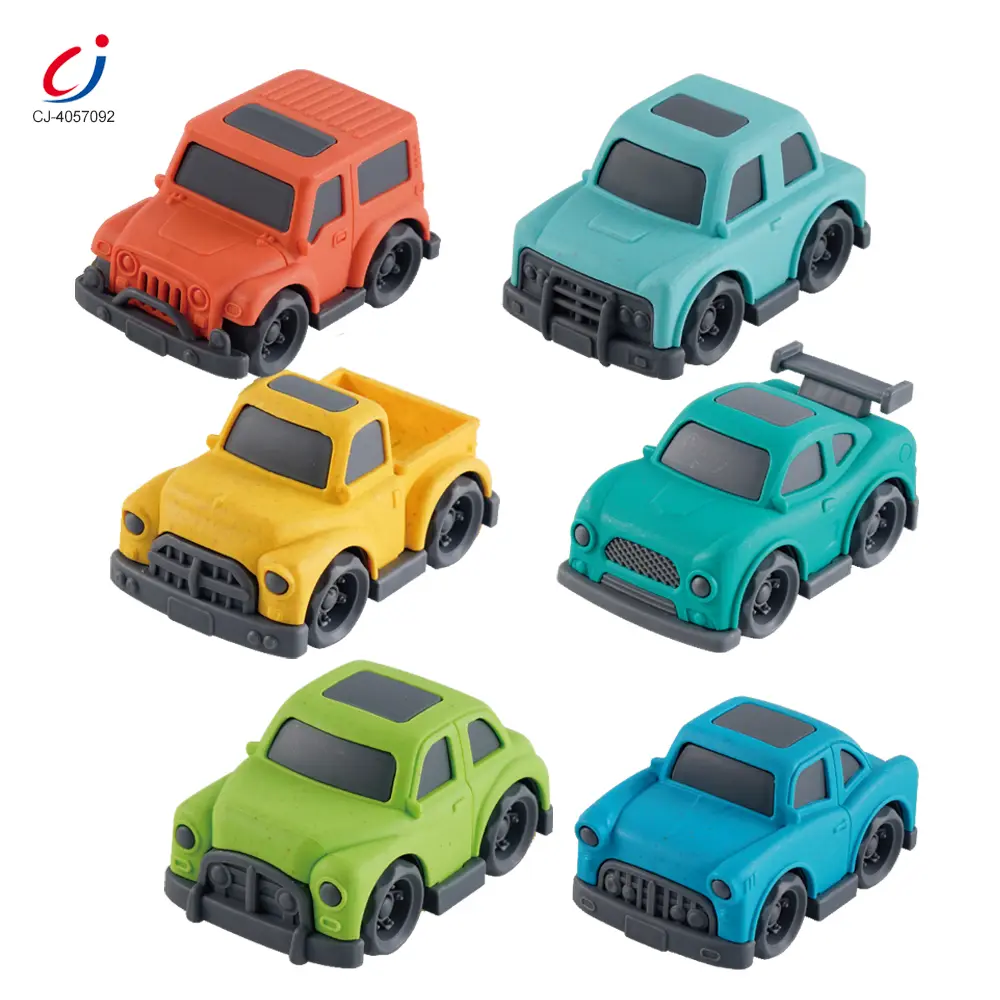
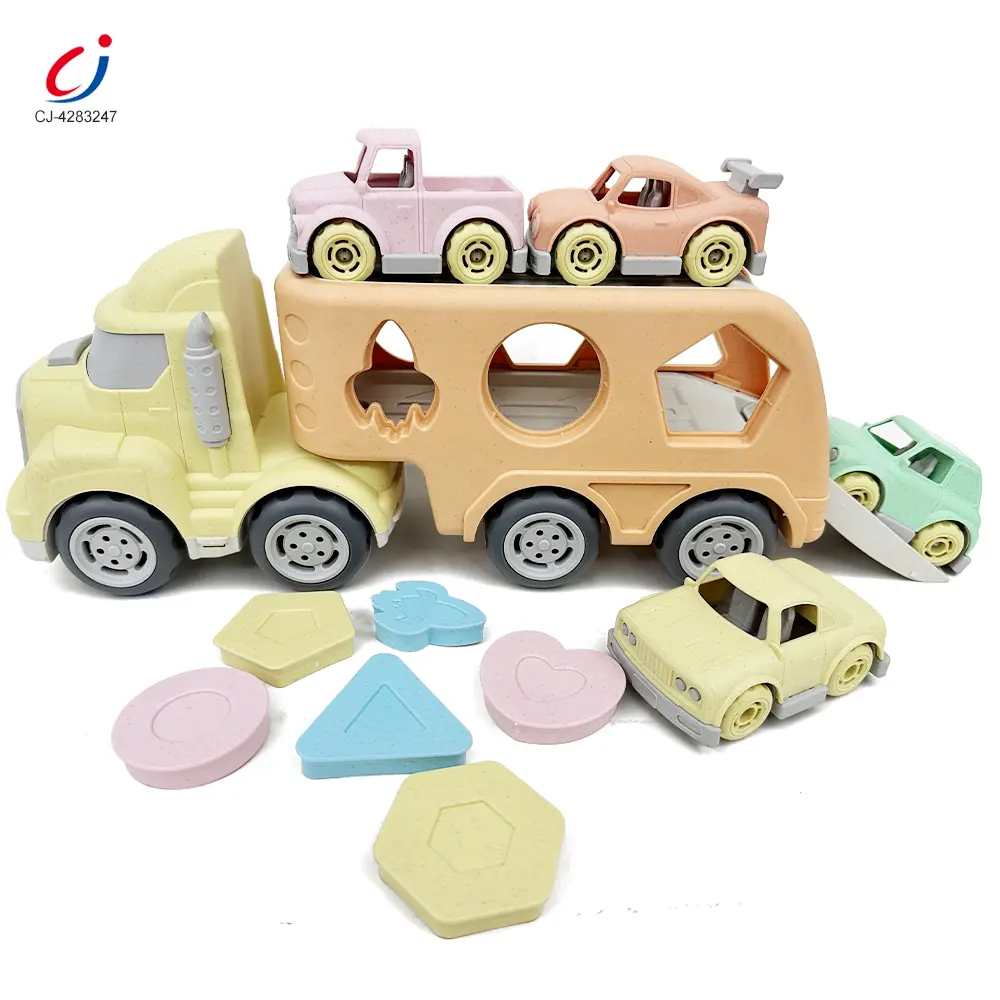
Wheat straw plastic is not a one-size-fits-all material for custom toys. The most suitable categories include:
- Educational toys
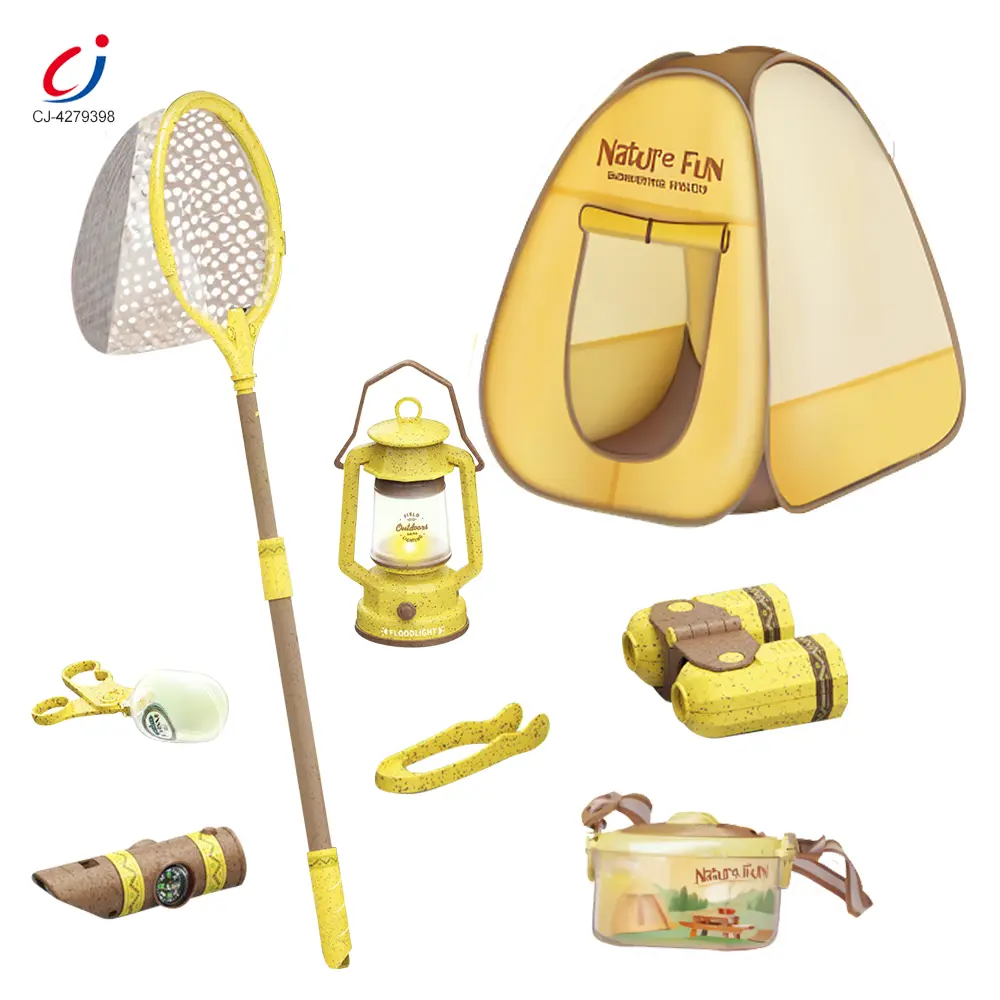
- Pretend play sets
- Simple construction toys
- Baby and early learning products
High-stress mechanical parts or precision components are less suitable.
Step 2 — Choose the Right Wheat Straw Toy Factory
The most common mistake that toy buyers make is sourcing with a price-oriented mindset. Quality takes time to forge. So the wrong strategy is to prioritize the low price only.
What Most Buyers Get Wrong
They compare:
- unit cost
- MOQ
- lead time
But ignore:
- material source and consistency
- formulation control
- manufacturing stability
The unqualified wheat straw material leads to unstable product quality and long-term cost increases through toy defects and returns.
What Actually Matters
A capable custom toy factory must demonstrate:
- controlled wheat straw and polymer ratio
- stable injection molding performance
- consistent color and texture output
- export compliance experience
Working with a professional proveedor de juguetes ensures that the material is not just “eco-labeled,” but engineered for production consistency.
Sustainable Toy Supplier Evaluation Checklist
Before committing, verify:
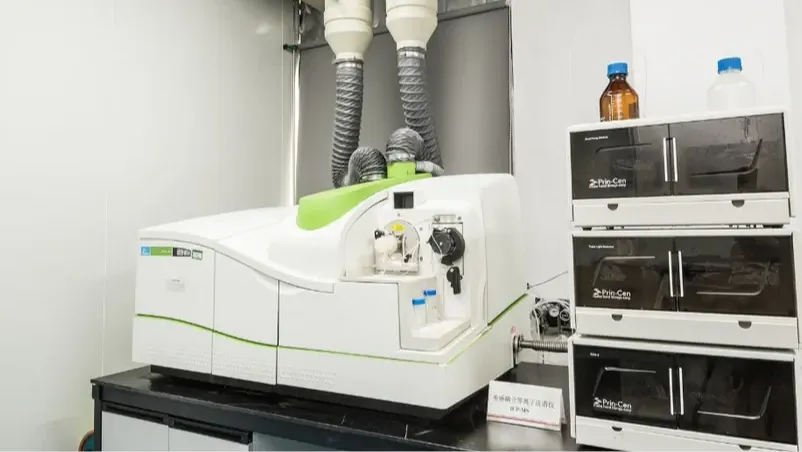
- Can they provide material composition data?
- Do they have experience with international markets?
- Can they support OEM/ODM development?
- Do they offer test reports and certifications?
Step 3 — Product Design & Custom Development (OEM/ODM)
Before production, understanding the limitations of wheat straw material for custom toy manufacturing will give you a buffer when expectations fall short.
Practical Wheat Straw Toy Customization Scope
A qualified custom toy manufacturer should support:
- product shape and structure design
- custom color matching
- logo integration
- packaging development
Design Constraints of Wheat Straw Material
Wheat straw composite has limitations:
- Reduced transparency compared to ABS
- Natural textured surface
- Limited color brightness range
Step 4 — Cost Structure & MOQ Planning
Cost is not just about material price.
Cost Breakdown
Typical cost components:
- mold/tooling cost (one-time investment)
- raw material cost
- production cost (labor + processing)
Wheat straw composite can reduce raw material cost, but only when production is stable.
MOQ Strategy
Two practical approaches:
- trial order (risk control)
- bulk production (cost efficiency)
Starting too large without market validation increases risk.
Cost Advantage Insight
Compared to toy material alternatives:
- ABS → stable but fully petroleum-based
- wood → high cost and processing complexity
- wheat straw → balanced cost-performance
Wheat straw plastic is not the cheapest option, but it is one of the most cost-efficient sustainable materials at scale.
Step 5 — Compliance & Safety Requirements
Compliance is the identity card for your product to travel around the world market. It is a market entry requirement.
Key Certifications to Look For
Depending on the market:
- EN71 (Europe)
- ASTM F963 (USA)
- CPSIA (USA children’s products)
Material Safety
Most wheat straw products are:
- BPA-free (when using PP base)
- non-toxic (if properly manufactured)

Step 6 — Sampling, Testing & Quality Control
Skipping this step is one of the fastest ways to lose money.
Prototype Validation
Check:
- structural integrity
- surface finish
- user experience
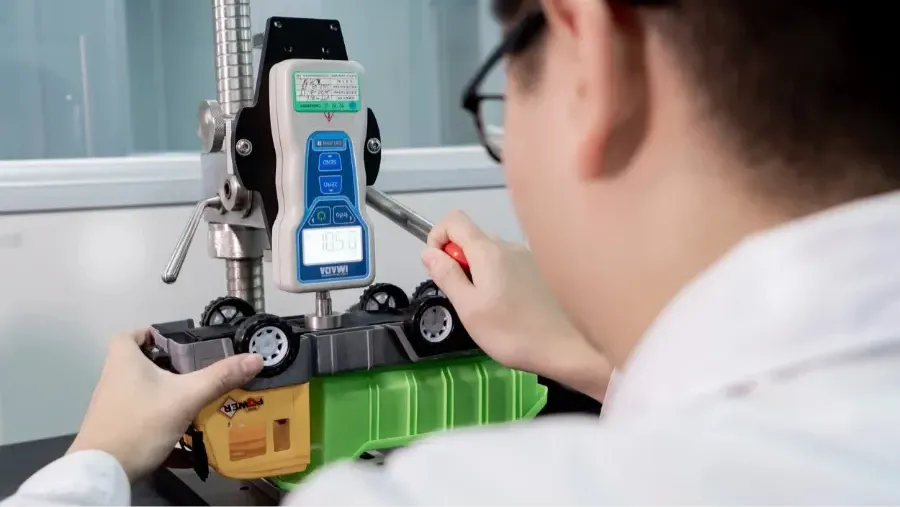
Quality Control Process
A professional wheat straw proveedor de juguetes should implement:
- incoming material inspection
- in-line production checks
- final product inspection
Step 7 — Production & Supply Chain Planning
Lead Time
Typical timeline:
- sampling: 7–15 days
- mass production: 30–60 days
Capacity Planning
Peak seasons (Q3–Q4) require early booking:
- factory capacity
- raw material allocation
Logistics Strategy
Consider:
- shipping timelines
- customs clearance
Missing the sell window is usually planning failures, not factory failures.
Step 8 — Branding & Market Positioning
How to Market Your Wheat Straw Toy Brand
Effective messaging includes:
- Reduced plastic usage
- Safer material perception
- Environmental responsibility
Price Positioning
Wheat straw toys can:
- match standard plastic pricing (mass market)
- justify a slight premium (eco positioning)
A sustainability concept supports margin positioning, not just cost control. Eco-labeled products often achieve higher perceived value in retail.
Common Mistakes When Launching Wheat Straw Toy Lines
- assuming all eco materials perform the same
- choosing suppliers based only on price
- overpromising “biodegradable” claims
- skipping sampling and testing
- forcing unsuitable product designs
Each mistake increases cost indirectly through returns, delays, or lost market trust.
FAQ Section
Are wheat straw toys safe for children?
Yes, if they meet safety standards such as EN71 or ASTM and are produced with controlled materials.
Are wheat straw toys biodegradable?
Most are not fully biodegradable. They are composite materials combining plant fiber and plastic.
Is wheat straw more expensive than plastic?
Not necessarily. It can be cost-efficient depending on production scale and design.
What products work best with wheat straw material?
Non-load-bearing items such as educational toys, pretend play sets, and casings.
Conclusión
Launching a wheat straw toy line is not about following a trend. It is about making a calculated shift toward sustainable manufacturing.
Wheat straw composite offers a balance between cost, performance, and environmental positioning. But material alone does not guarantee success. The outcome depends on how well you define your product strategy, select your factory, control quality, and position your brand.
The most effective approach is not the full replacement of traditional materials. It is selective integration, supported by a capable wholesale toy supplier with OEM/ODM expertise, stable production systems, and global export experience.
Acerca de Chengji
Chengji es un wholesale kids’ toy supplier providing full-category solutions for B2B clients. With an experienced team, we ensure stable material formulation, consistent production quality, and reliable supply across product lines, including wheat straw toys and traditional plastic toys.
Backed by our professional custom toy factories, we offer OEM/ODM toy customization covering design, structure, color, and packaging to match market positioning. Focused on long-term cooperation, we help brands, distributors, and retailers reduce sourcing risk, streamline operations, and build consistent, market-ready toy lines.