Brazil is a highly regulated toy market where success depends on INMETRO certification, Portuguese labeling, and complete import documentation—not just product selection or price.
For importers, distributors, retailers, and brands sourcing from China, most delays come from compliance gaps rather than supplier availability.
として おもちゃの卸売業者 based in China, Chengji summarizes key requirements and explains how we support product development, documentation, and packaging preparation to reduce compliance risks and speed up market entry.
Why Brazil Has Stricter Toy Import Requirements Than Many Other Markets
Brazil maintains strict safety regulations to protect consumers, especially children. Unlike some markets where importers can rely solely on international standards, toys entering Brazil must comply with local requirements before they can be legally sold.
The country’s regulatory system focuses on:
- Product safety
- Chemical compliance
- Mechanical safety
- Proper consumer information
- Product traceability
Failure to meet these requirements may result in:
- Customs clearance delays
- Product detention
- Additional testing expenses
- Retail distribution restrictions
- Financial losses
For importers, compliance is not simply a legal requirement—it is a critical part of successful market entry.
What Is INMETRO Certification and Why Does It Matter?
INMETRO (National Institute of Metrology, Standardization and Industrial Quality) is the Brazilian authority responsible for product conformity assessment.
Most toys sold in Brazil require INMETRO certification before entering the market. The certification process helps ensure that products meet Brazilian safety standards and can be legally distributed to consumers.
Which Toys Typically Require INMETRO Certification?
The certification requirement generally applies to many toy categories, including:
- Educational toys
- Plastic toys
- Plush toys
- Electronic toys
- Sports toys
- Preschool toys
- Activity toys
- Promotional toys intended for children
Because certification requirements may vary depending on product type, importers should evaluate compliance requirements before placing production orders.
Who Is Responsible for Certification?
While manufacturers play an important supporting role, the responsibility for placing compliant products on the Brazilian market generally falls on:
- Importers
- Brand owners
- Authorized representatives
This is why selecting an experienced toy manufacturer is often just as important as understanding the regulations themselves.
How the INMETRO Certification Process Works
The certification process generally involves product evaluation, testing, technical documentation review, and ongoing compliance management.
Product Testing Requirements
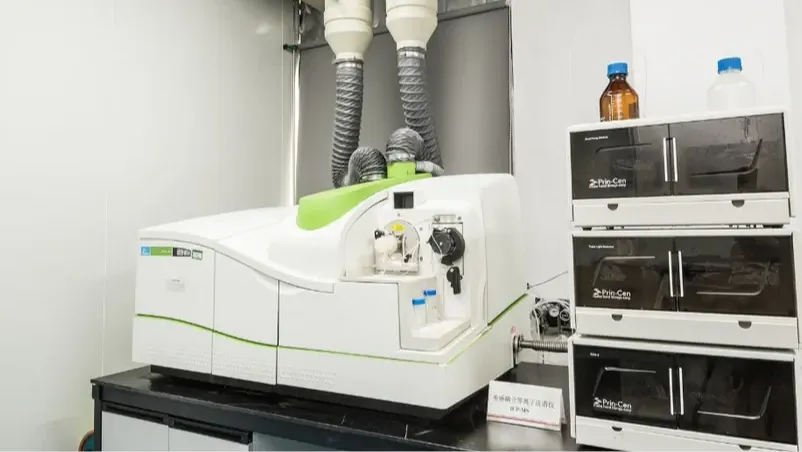
Testing may include:
- Mechanical safety testing
- Physical safety testing
- Chemical substance evaluation
- Electrical safety testing (for applicable products)
- Age suitability assessment
Any design changes made after testing may require additional evaluation or retesting.
Factory Assessment Requirements
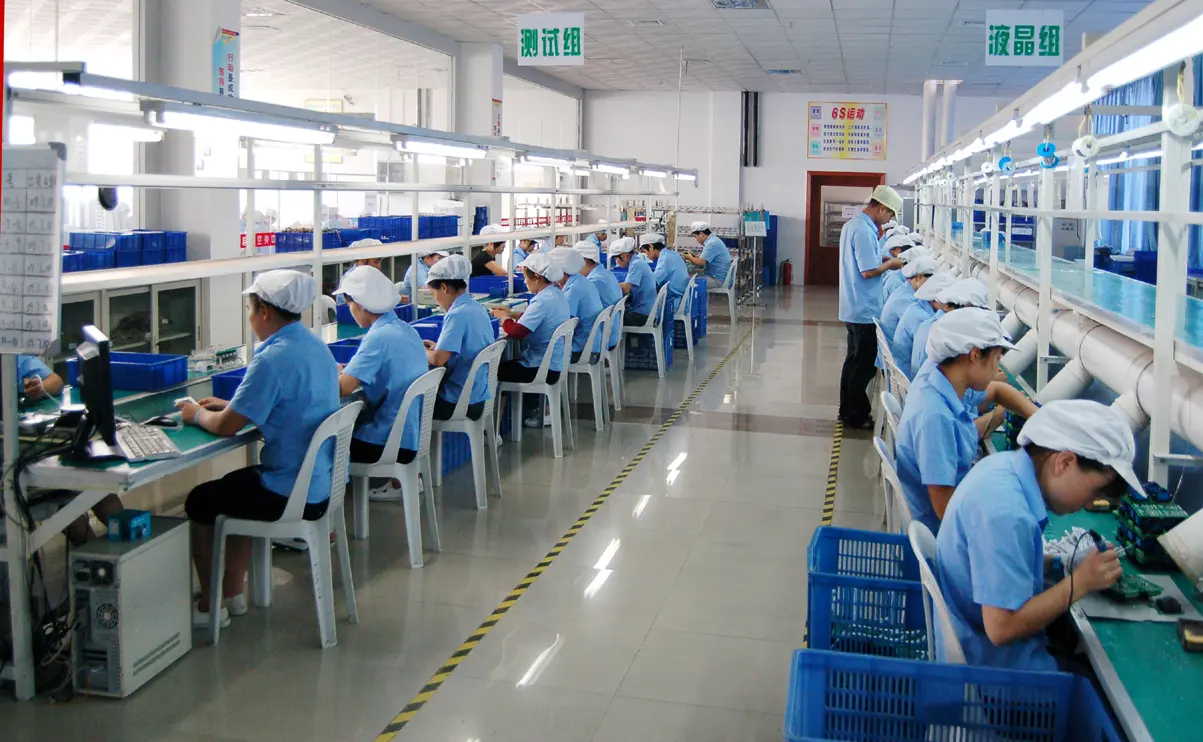
Depending on the certification model, production facilities may also undergo assessments to verify manufacturing consistency and quality management practices.
This is often where experienced toy manufacturers provide substantial value. Well-documented production processes and quality systems can simplify compliance preparation and reduce administrative delays.
Common Reasons Certification Gets Delayed
Many certification delays are not caused by the testing process itself but by preparation mistakes, including:
- Incomplete technical documentation
- Product modifications after testing
- Missing material information
- Inconsistent product specifications
- Packaging changes during certification
These issues can significantly increase both costs and lead times.
Why Product Development Should Be Finalized Before Certification
One of the most common mistakes importers make is starting certification before finalizing product specifications.
A change that appears minor from a commercial perspective may trigger additional compliance requirements.
Examples include:
- Material changes
- Component replacements
- Dimension modifications
- Structural adjustments
- Packaging claims related to safety or age grading
The Cost of Retesting
Retesting not only increases certification expenses but can also delay market entry by several weeks or months.
For wholesalers preparing seasonal programs, distributors planning retail launches, or brands coordinating marketing campaigns, such delays can have significant commercial consequences.
Professional Toy Manufacturers Can Help to Reduce Compliance Risks
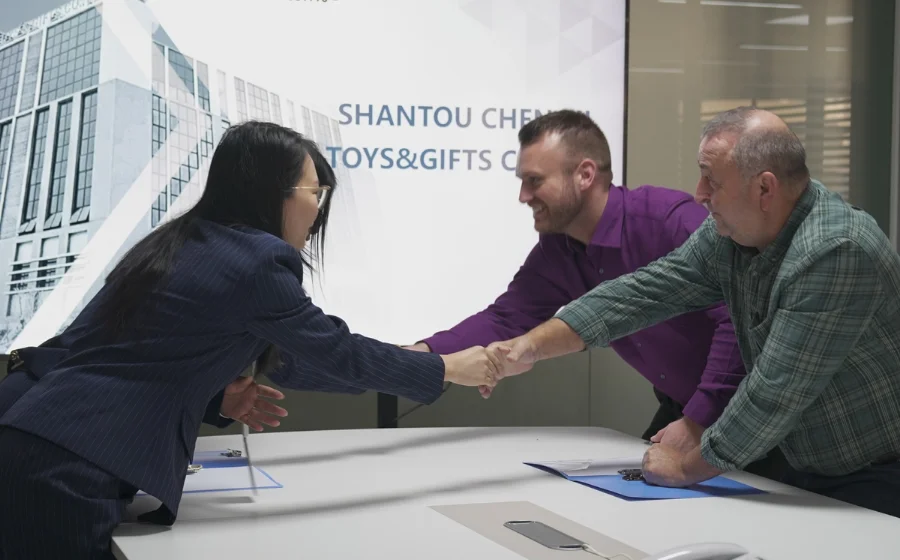
として オーダーメイド玩具メーカー, Chengji works with customers during the early stages of product development rather than after production begins.
Through the custom solution process, we help buyers:
- Finalize product specifications
- Select suitable materials
- Develop customized packaging
- Review artwork requirements
- Prepare technical documentation
By addressing these elements before certification begins, Chengji has helped importers reduce the likelihood of costly retesting and project delays.
Brazil Toy Labeling Requirements
Labeling is another area where importers frequently encounter problems.
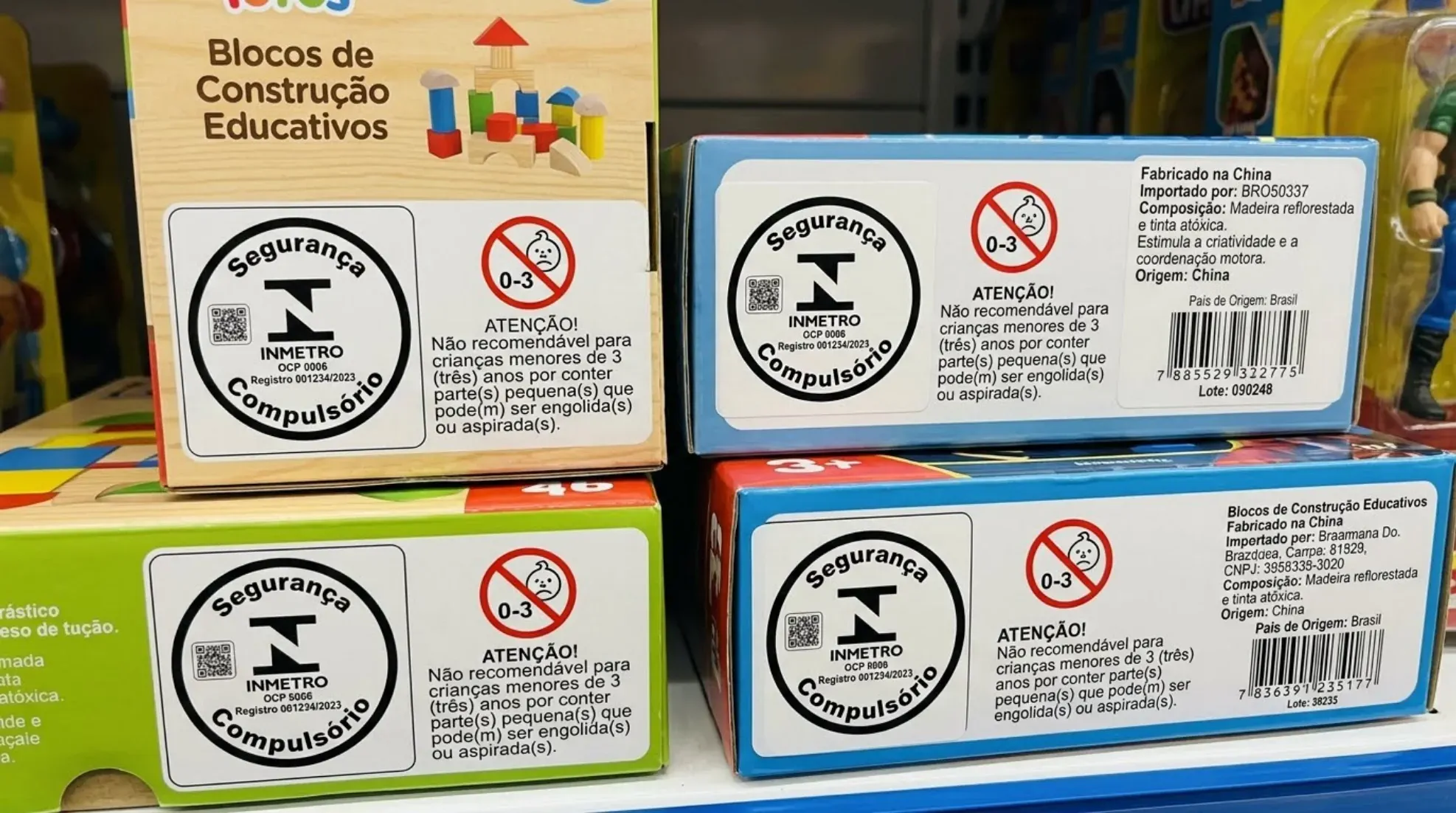
Brazil generally requires consumer-facing information to be presented in Portuguese. Incorrect or incomplete labeling can create customs issues even when the product itself meets safety requirements.
Information Commonly Required on Toy Labels
Depending on product type and applicable regulations, labels may include:
- Product name
- Recommended age range
- Safety warnings
- Country of origin
- Manufacturer information
- Importer information
- Certification markings
- Product identification details
Packaging Labels vs Product Labels
Importers should understand that requirements may apply to:
- Individual products
- Retail packaging
- Master cartons
- Instruction manuals
Many compliance issues arise because labeling requirements are considered too late in the sourcing process.
Chengji Supports Label Preparation For Our Clients
For private-label projects and customized products, Chengji assists customers with packaging development and artwork preparation during production planning.
This helps importers align branding objectives with regulatory requirements before products enter mass production.
Essential Supplier Documents Required for Brazil Toy Imports
Documentation plays a major role in successful customs clearance and certification management.
Importers commonly require the following supplier documents:
コマーシャル・インボイス
Provides transaction details for customs valuation.
パッキングリスト
Identifies packaging quantities and shipment contents.
Bill of Lading or Air Waybill
Serves as transportation documentation.
Product Specifications
Defines product dimensions, materials, and technical characteristics.
Test Reports
Provides evidence of product compliance and safety testing.
Technical Files
Supports certification and product evaluation processes.
Production Records
Demonstrates manufacturing consistency when required.
Why Documentation Quality Matters
Certification authorities and importers rely on accurate documentation throughout the compliance process.
Incomplete or inconsistent records often become a major source of delays.
として experienced toy supplier, Chengji maintains organized technical documentation and production records that support customers throughout development, certification, and export procedures.
Why Supplier Selection Matters for INMETRO Compliance
Many importers focus heavily on unit price when sourcing toys from China.
However, the lowest-priced supplier may become the most expensive option if compliance issues delay market entry.
Technical Documentation Must Be Consistent
Certification projects often require information from multiple sources, including:
- Product specifications
- Material declarations
- Test reports
- Packaging details
- Manufacturing records
Any inconsistencies may create additional review requirements.
Manufacturing Experience Reduces Risk
Manufacturers with established quality systems are generally better prepared to support regulated markets.
Chengji serves wholesalers, distributors, retailers, and toy brands worldwide, providing support throughout:
- Product development
- Manufacturing
- Quality control
- Documentation preparation
- Export coordination
This integrated approach helps reduce compliance-related uncertainty for buyers entering the Brazilian market.
How Wholesalers and Distributors Can Reduce Certification Costs
Importers managing multiple SKUs often face significant certification expenses.
Fortunately, strategic planning can help reduce these costs.
Plan Compliance Before Production
Certification should be considered during sourcing, not after products are completed.
Evaluate Product Families
In some cases, similar products may be grouped within certification programs depending on regulatory requirements and product characteristics.
Proper planning can help optimize certification budgets.
Avoid Unnecessary Product Variations
Every variation may introduce additional documentation and testing requirements.
Early evaluation of product portfolios can help distributors and wholesalers streamline certification efforts.
Working with an Experienced Toy Supplier
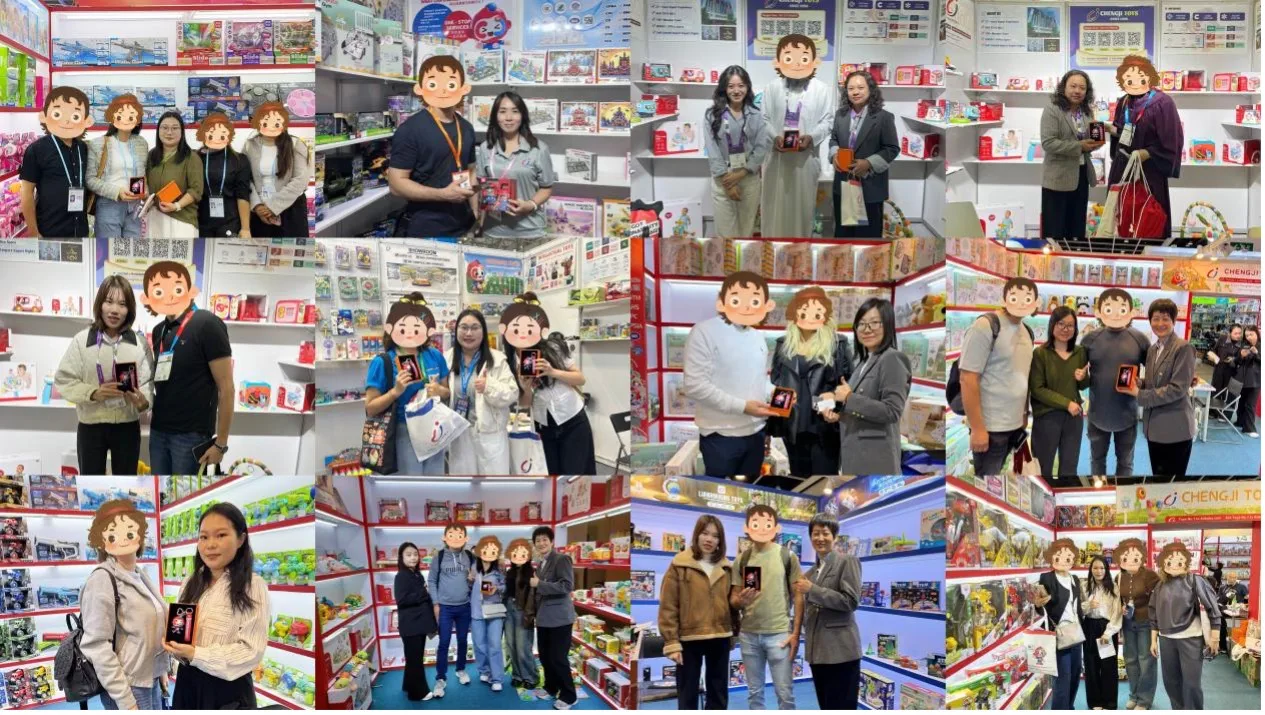
By participating early in product selection and development discussions, Chengji Toy helps buyers evaluate product configurations, customization options, and documentation requirements before production begins.
Choosing a Toy Manufacturer for the Brazilian Market
Before selecting a toy manufacturer, importers should evaluate more than pricing.
Key questions include:
- Can the supplier support third-party testing?
- Can the supplier provide complete technical documentation?
- Does the supplier offer OEM and ODM services?
- Can packaging be customized for Brazilian labeling requirements?
- Can product consistency be maintained after certification?
- Does the supplier have experience supporting international compliance projects?
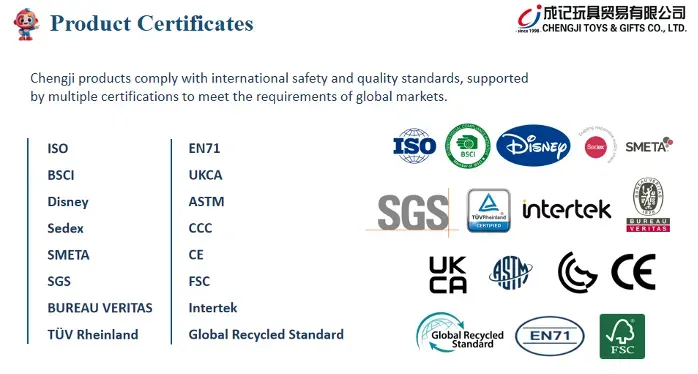
For importers targeting Brazil, a supplier’s ability to support compliance preparation may have a greater impact on project success than small differences in unit cost.
Step-by-Step Checklist for Importing Toys Into Brazil
- Step 1: Select products suitable for the Brazilian market
- Step 2: Confirm applicable certification requirements
- Step 3: Finalize product specifications
- Step 4: Prepare technical documentation
- Step 5: Complete testing and certification activities
- Step 6: Develop compliant Portuguese labeling
- Step 7: Arrange export and shipping documents
- Step 8: Complete customs clearance procedures
- Step 9: Launch products through distribution channels
結論
Importing toys into Brazil requires more than competitive pricing and attractive product designs.
Successful market entry depends on proper certification planning, accurate labeling, complete documentation, and reliable manufacturing support.
For wholesalers, distributors, retailers, and private-label brands sourcing toys from China, working with an experienced toy manufacturer early in the process can significantly reduce certification risks, prevent costly delays, and improve overall project efficiency.
Through custom product development, OEM and ODM services, quality control systems, documentation support, and export experience, Chengji Toy helps buyers navigate the challenges of bringing compliant toy products into the Brazilian market.
成吉について
At Chengji Toy, we are a factory-direct toy manufacturer with extensive experience serving importers, distributors, retailers, and private-label brands in Brazil and other international markets. We understand the challenges of INMETRO certification, Portuguese labeling, technical documentation, and compliance preparation, helping customers reduce risks before production begins.
With large-scale manufacturing capacity, stable quality control systems, and reliable delivery performance, we support both high-volume toy orders and customized projects. Our OEM and ODM toy services cover product development, packaging customization, artwork support, and documentation preparation. By combining manufacturing expertise with customer-focused service, Chengji helps B2B buyers source compliant, market-ready toy products efficiently and confidently.
よくある質問
Do all toys sold in Brazil require INMETRO certification?
Many toy categories require certification before they can be legally sold in Brazil. Requirements should be verified based on the specific product category.
Can a Chinese toy manufacturer support INMETRO certification?
Yes. While certification responsibilities generally rest with the importer or brand owner, experienced manufacturers can provide testing support, technical documentation, and compliance-related information.
How long does INMETRO certification take?
Generally above 4 months. Timelines vary depending on product complexity, testing requirements, documentation readiness, and certification procedures.
Can CE certification replace INMETRO certification?
No. Compliance with European requirements does not automatically satisfy Brazilian regulatory requirements.
What documents are required for importing toys into Brazil?
Common documents include commercial invoices, packing lists, shipping documents, technical specifications, and compliance-related records.
What is the biggest compliance mistake importers make?
Starting certification before finalizing product specifications is one of the most common and costly mistakes.
How can wholesalers reduce certification costs?
Early planning, product family evaluation, and supplier collaboration can help optimize certification expenses.
Why should compliance be considered during product development?
Integrating compliance requirements early helps reduce redesigns, retesting expenses, and launch delays.