Brazil’s educational toy market is becoming broader than traditional learning products. At ABRIN 2026, educational, inclusive, sensory, and therapeutic toys were prominent, while creativity, construction, games, and hands-on activities also remained important market directions.
For businesses entering the market, the opportunity is not simply to find a “trending toy.” The more useful approach is to identify which trend fits your business model, target customer, and sales channel.
What Educational Toy Trends Are Emerging in Brazil?
Screen-Free and Hands-On Learning
Educational play does not necessarily require a digital device. ABRIN 2026 highlighted products designed around creativity, coordination, autonomy, emotional development, and hands-on activities. Examples included educational coloring products, emotion puzzles, creative sewing kits, and multi-purpose educational games.
This creates opportunities for businesses looking for screen-free educational toys that are easy to demonstrate and explain through physical play. Puzzles, creative kits, activity products, and other hands-on toys can serve both educational and general toy retail channels.
Technology That Complements Physical Play
Technology is not necessarily replacing traditional play. ABRIN describes a growing balance between technological products and physical play, with technology increasingly used to enhance rather than completely replace the hands-on experience.
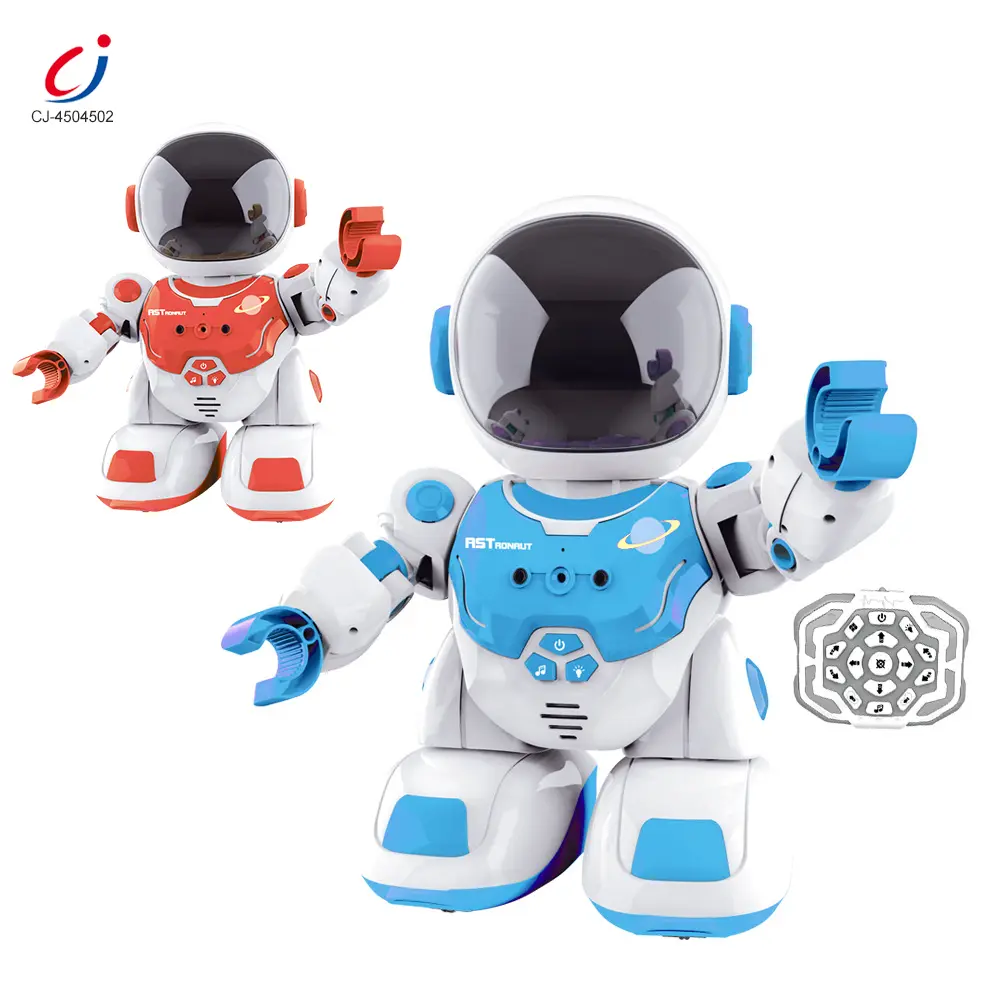
For businesses interested in educational technology toys, this can mean interactive products, technology-enhanced classic toys, or products that combine physical activities with digital functions.
However, technology should match the target market and price position. Adding electronics does not automatically make a toy more educational or commercially attractive.
Creative, DIY, and Construction-Based Play
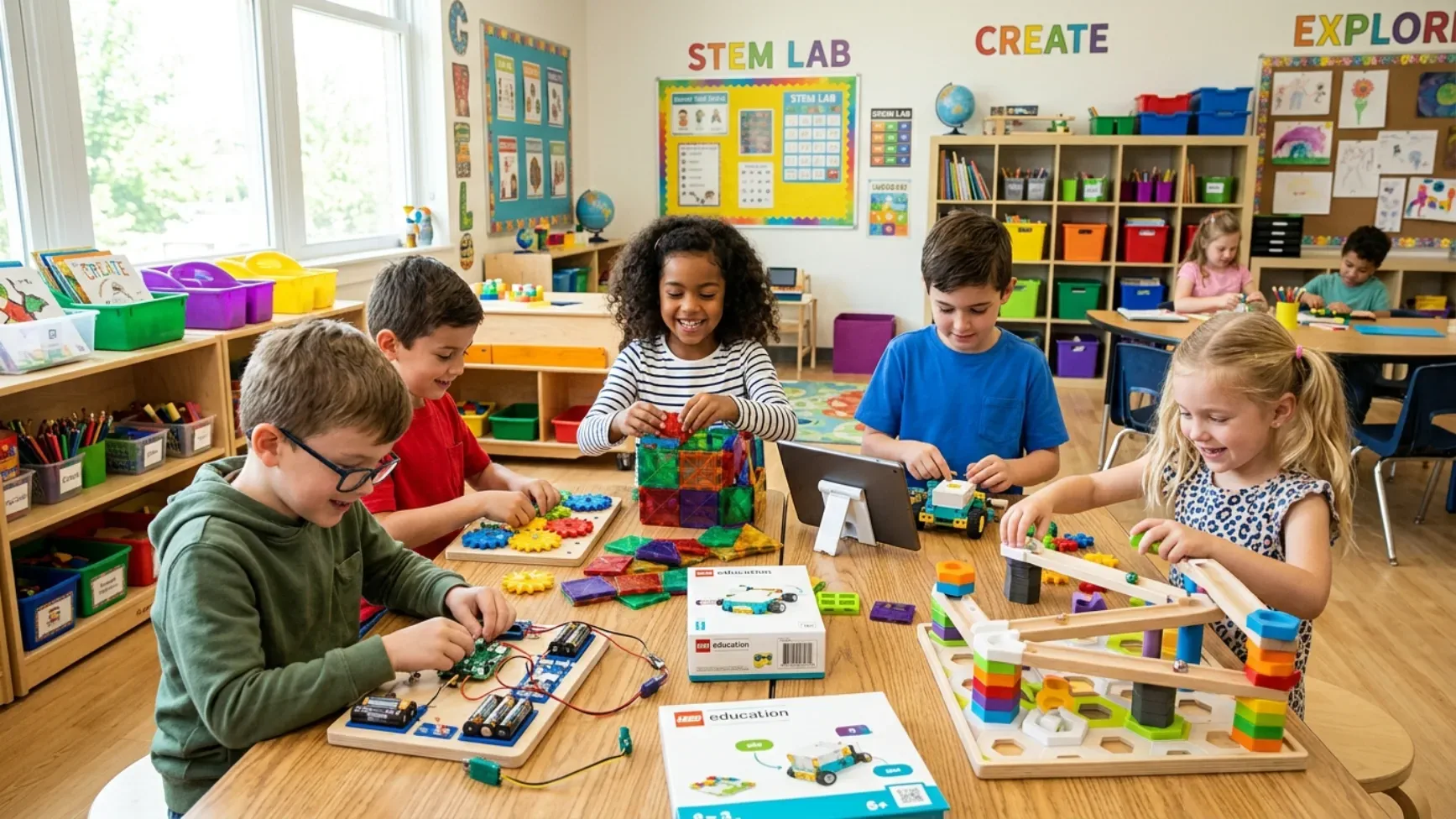
Creative activities remain another relevant direction. ABRIN 2026 highlighted creativity, construction blocks, and manual activities, while educational launches included DIY-oriented products that develop fine-motor skills, concentration, and autonomy.
This makes DIY educational toys, building sets, puzzles, and creative activity kits worth considering for businesses that want products with visible, demonstrable play value.
Learning Through Real-World Skills
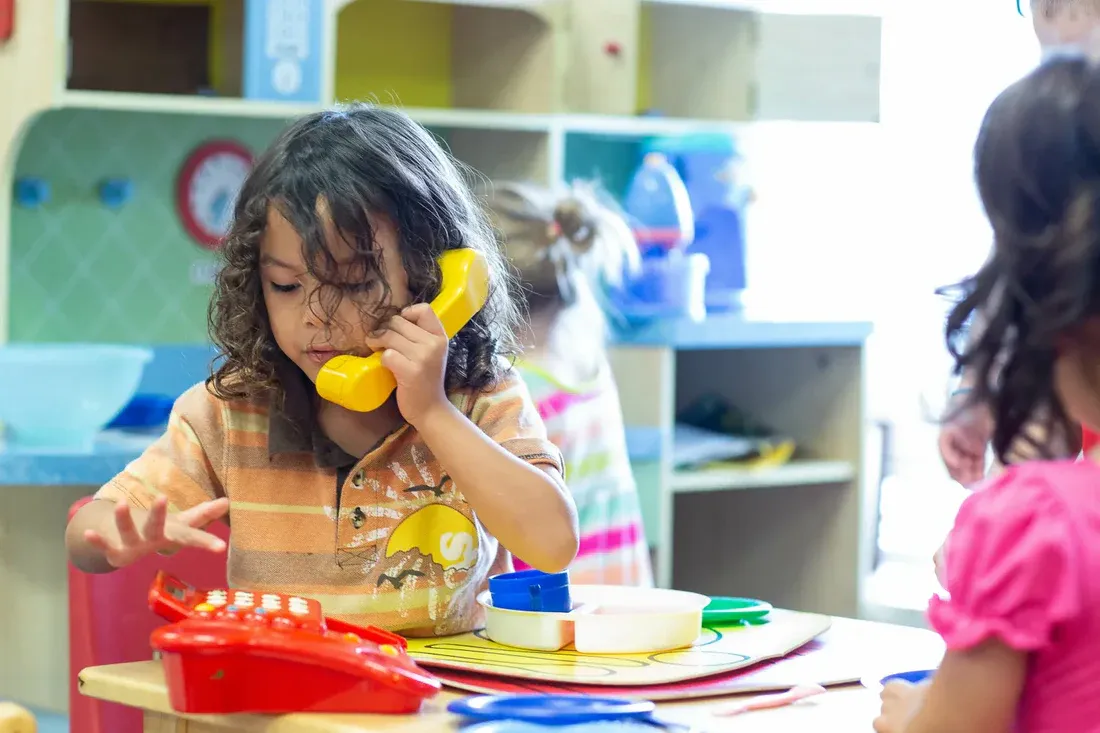
Educational toys are also moving beyond basic academic learning. Products can introduce concepts such as emotions, communication, problem-solving, creativity, and practical skills through play.
ABRIN’s 2026 educational launches included products focused on emotional recognition, empathy, communication, autonomy, and creativity.
For retailers, this provides an opportunity to organize products around what children learn or practice, rather than simply grouping everything under the broad “educational toy” label.
Which Educational Toy Opportunity Fits Your Business?
Different business models can approach the same trends differently.
| Business type | Suitable direction | Product focus |
|---|---|---|
| Wholesalers/distributors | Broad educational portfolio | Games, blocks, DIY, learning toys |
| E-commerce sellers | Easy-to-demonstrate products | DIY, puzzles, creative toys |
| Educational retailers | Skill-based assortment | Logic, science, construction, learning |
| Private-label brands | Differentiated concepts | Custom educational toys |
| Education-focused suppliers | Structured learning | Science, logic, creativity, fine-motor activities |
For Toy Wholesalers and Distributors: Build a Broad Portfolio
Wholesalers and distributors generally need more than one product type. A practical 卸売教育玩具 portfolio could combine construction toys, puzzles, DIY products, games, and other learning-oriented products.
This reduces dependence on one specific trend and gives downstream retailers more options across different age groups and price points.
Chengji provides access to more than 2 million toy styles and 30,000+ partner factories, with educational categories covering products such as DIY toys, blocks, puzzles, and other learning products. Samples are also available before bulk orders.
For New E-Commerce Sellers: Start With Demonstrable Products
New online sellers have a different challenge: the product must be easy to communicate through images, video, and product descriptions.
DIY kits, building toys, puzzles, and creative activity products can be practical starting points because the activity itself can be demonstrated visually. Instead of building a large catalog immediately, sellers can test a smaller group of related products and expand based on customer response.
Chengji’s educational toy sourcing model and sample service allow buyers to evaluate products before moving to larger orders.
For Educational Retailers: Build Around Learning Activities
Educational retailers can go deeper rather than simply offering more products.
For example, an assortment can be organized around:
- Logic and problem-solving
- Construction and engineering
- Creativity and fine-motor skills
- Science-oriented activities
- Puzzles and cognitive play
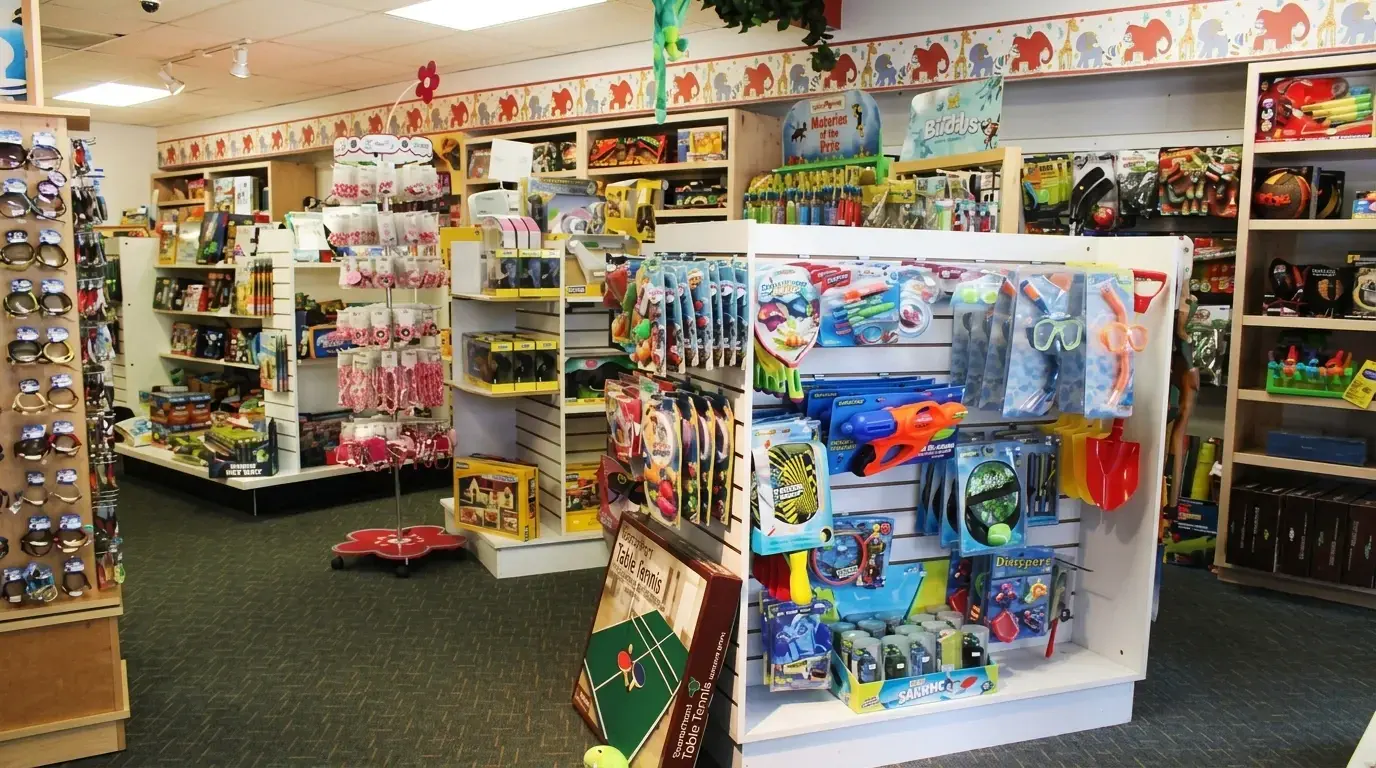
This makes the product range easier for retailers and customers to understand. Chengji’s educational toy range includes blocks and puzzles, DIY products, wooden educational toys, and other learning-oriented categories.
For Private-Label Brands: Combine Education With Differentiation
Private-label brands do not have to compete only by reselling generic educational toys. A more differentiated approach can combine an educational concept with a specific theme, activity format, visual identity, or packaging strategy.
For example, a brand could build a product line around creative problem-solving, hands-on science activities, or construction-based learning.
For this model, an OEM educational toy partner becomes more relevant because customization can help create a consistent product and brand concept rather than another interchangeable catalog item. Chengji provides OEM/ODM and customized branding services alongside its wholesale sourcing.
How to Turn a Trend Into a Practical Product Portfolio
Following a trend is only the first step. Before buying, businesses should narrow the opportunity down to a specific customer and sales channel.
Start With One Buyer Group
Decide whether the initial target is general toy retail, educational stores, e-commerce, distributors, or another channel. The same educational product can require different packaging, pricing, positioning, and assortment decisions depending on the channel.
Choose Two or Three Complementary Directions
Rather than launching a large collection of unrelated products, combine complementary categories.
For example:
Screen-free learning + puzzles + construction toys
or:
DIY activities + creativity + fine-motor learning
This creates a more coherent product range while leaving room to expand.
Test Before Expanding
Evaluate samples, product presentation, packaging, pricing, and customer response before committing to a broader assortment. This is particularly important for new businesses that are still determining which educational toy concept fits their market.
Chengji supports this process through product sourcing, samples before bulk orders, wholesale supply, and OEM/ODM services.
How Chengji Helps Buyers Explore Educational Toy Opportunities in Brazil
Chengji can support different entry strategies rather than limiting buyers to a single educational toy category.
Our current educational toy offering covers DIY products, blocks and puzzles, wooden educational toys, and other learning-focused products, while its broader sourcing network includes more than 2 million toy styles and 30,000+ partner factories.
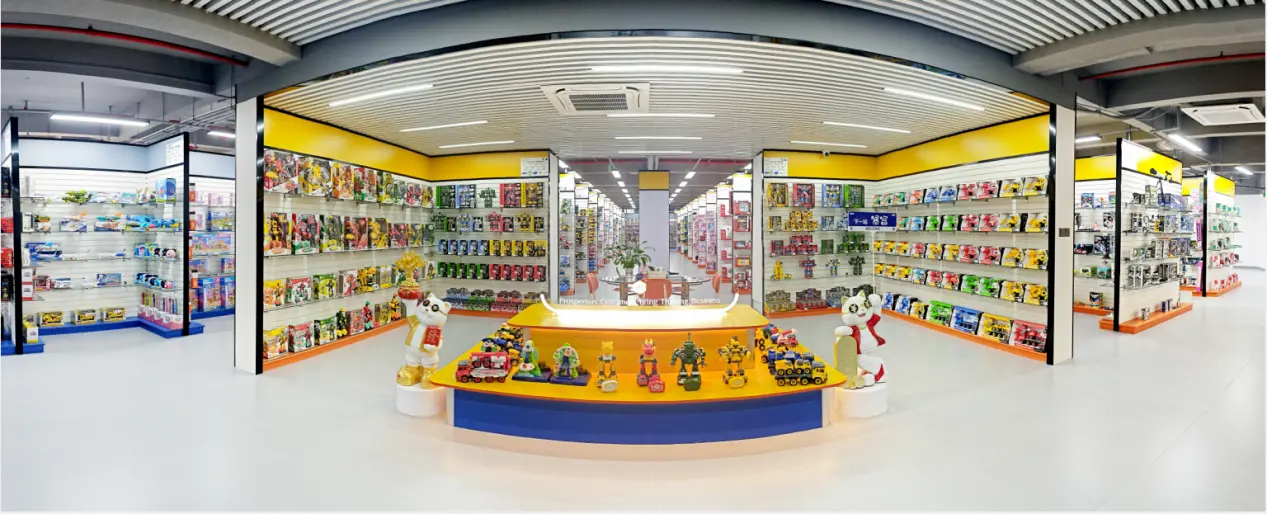
For buyers starting with existing products, Chengji provides wholesale sourcing and samples before bulk orders. For brands seeking differentiation, its OEM/ODM services can support customized products and branding.
This gives wholesalers, e-commerce sellers, retailers, and private-label brands different ways to explore the Brazilian educational toy opportunity without committing to the same product strategy.
Conclusion: Choose the Trend That Matches Your Business Model
The most useful educational toy trends in Brazil are not necessarily the categories with the strongest headlines. The better opportunity is the trend that fits your target customer, sales channel, price position, and ability to present the product.
For a new business, starting with a focused combination of two or three complementary educational toy directions can be more practical than trying to cover the entire market. Once the product-market fit becomes clearer, the assortment can expand through additional sourcing or customized product development.