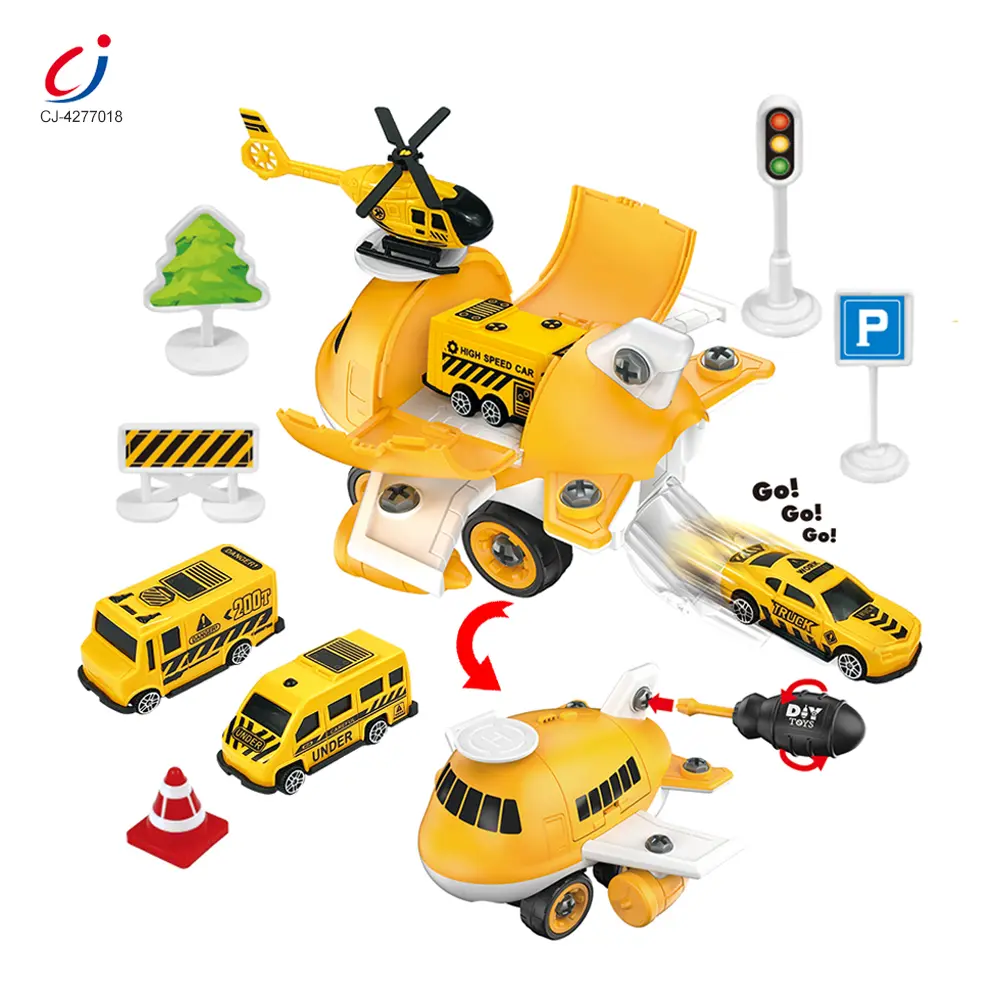
The Middle Eastern toy market has been experiencing steady growth in recent years, driven by a young population, rising disposable income, and evolving retail infrastructure. For any 장난감 공급업체 or distributor looking to expand globally, this region presents a compelling opportunity. However, success in this market depends on understanding one key factor: family culture is at the center of purchasing decisions.
Unlike Western markets, where individual play and digital entertainment dominate, the Middle East places strong emphasis on family interaction, shared experiences, and group activities. This cultural foundation directly influences which toy categories perform best—and why family-oriented toys consistently dominate demand.
A Family-Centric Consumer Landscape
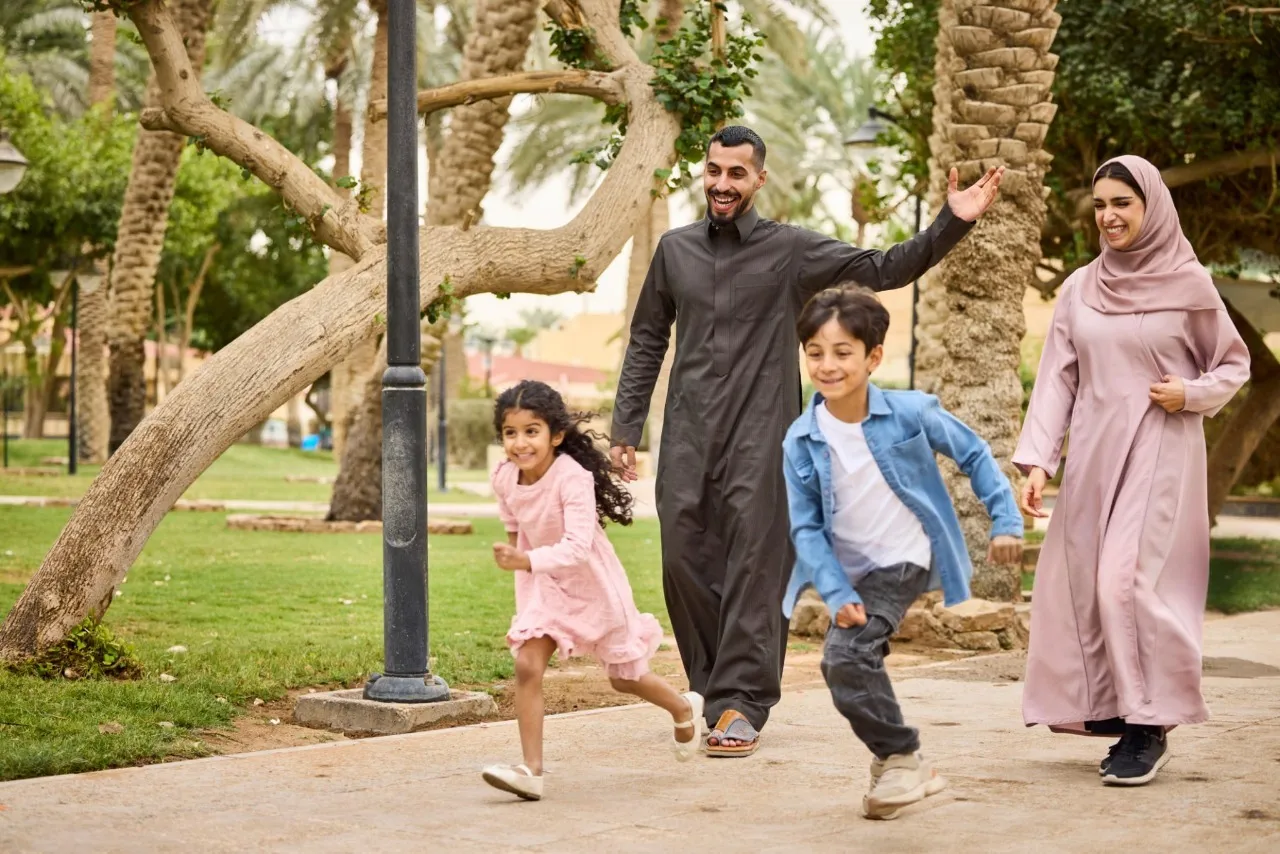
One of the defining characteristics of the Middle East is its large family structure. Households often include multiple children, and in many cases, extended family members living together or frequently gathering. This naturally creates a preference for toys that can be shared among siblings and enjoyed collectively.
At the same time, increasing household income has led parents to spend more on toys that offer long-term value. Instead of single-use or individual toys, buyers are prioritizing products that deliver multi-child usability, durability, and educational benefits—a key insight for any business involved in wholesale toys.

Why Family-Oriented Toys Perform Better
1. Toys as Tools for Family Bonding
In the Middle East, toys are not just for keeping children occupied—they are tools that encourage interaction between parents and children. This is why toys designed for group participation consistently outperform those focused on solo play.
Parents are actively involved in playtime, especially with younger children. As a result, toys that simulate real-life scenarios or encourage collaboration tend to generate higher engagement and repeat purchases.
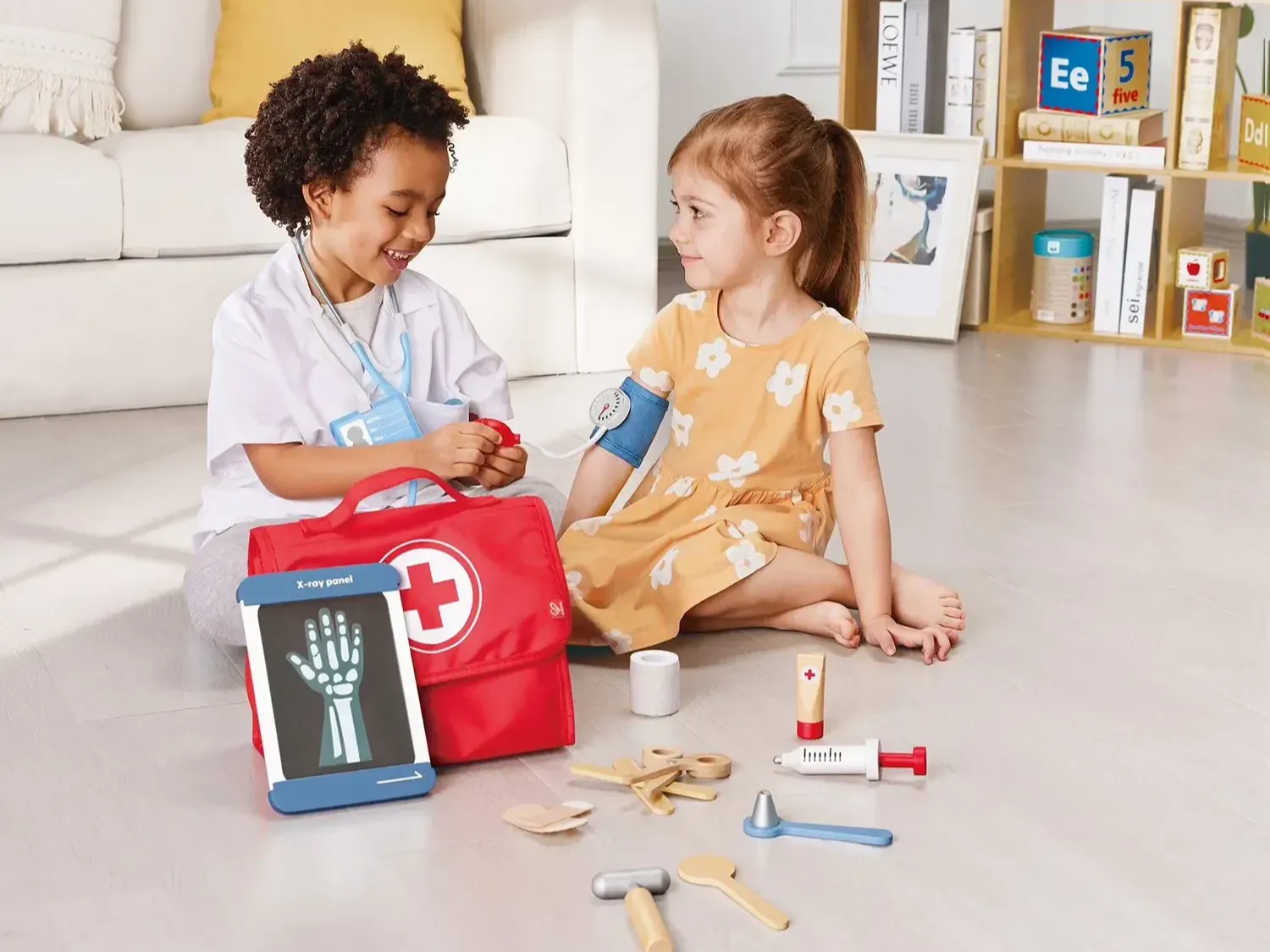
2. The Strong Appeal of Pretend Play Toys
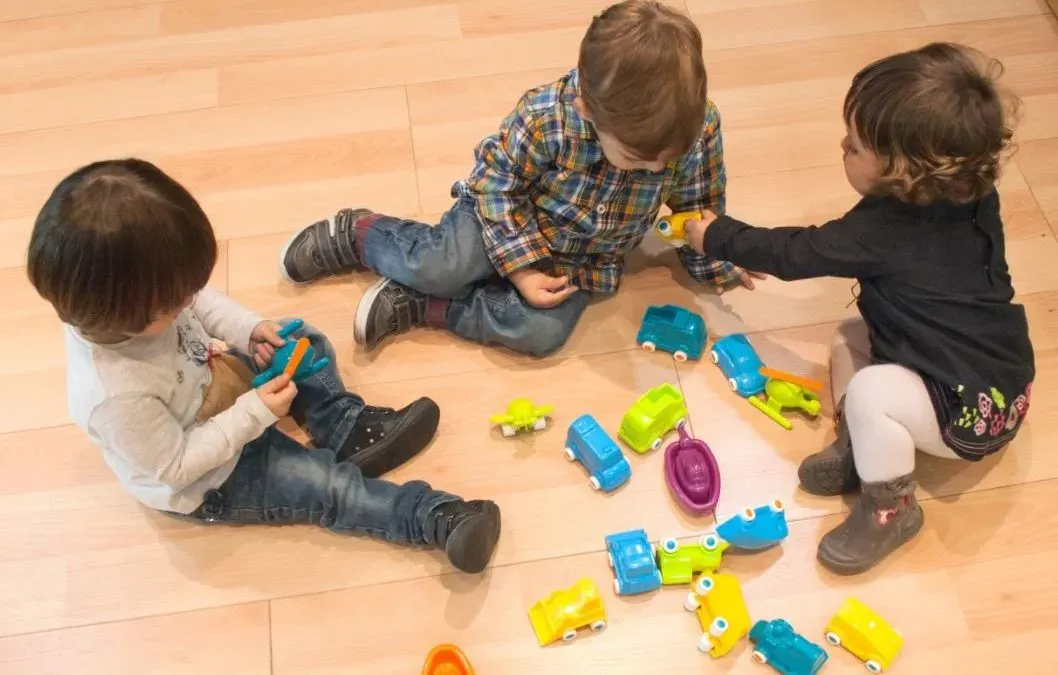
Pretend play toys are among the most popular categories in the region. These toys mirror everyday family life, making them culturally relevant and highly engaging.
Common examples include:
- Play kitchen sets
- Dollhouses
- Supermarket and doctor playsets
These products allow children to imitate real-life roles such as cooking, caregiving, or shopping—activities deeply rooted in family environments. More importantly, they encourage interactive play between siblings and parents, making them ideal for multi-child households.
의 경우 장난감 공급업체, this category also offers excellent opportunities for OEM and customization, such as:
- Localized food accessories
- Region-specific color palettes
- Cultural design elements
This adaptability makes pretend play toys a high-margin, high-demand segment in the wholesale market.
3. Growing Demand for Outdoor Toys
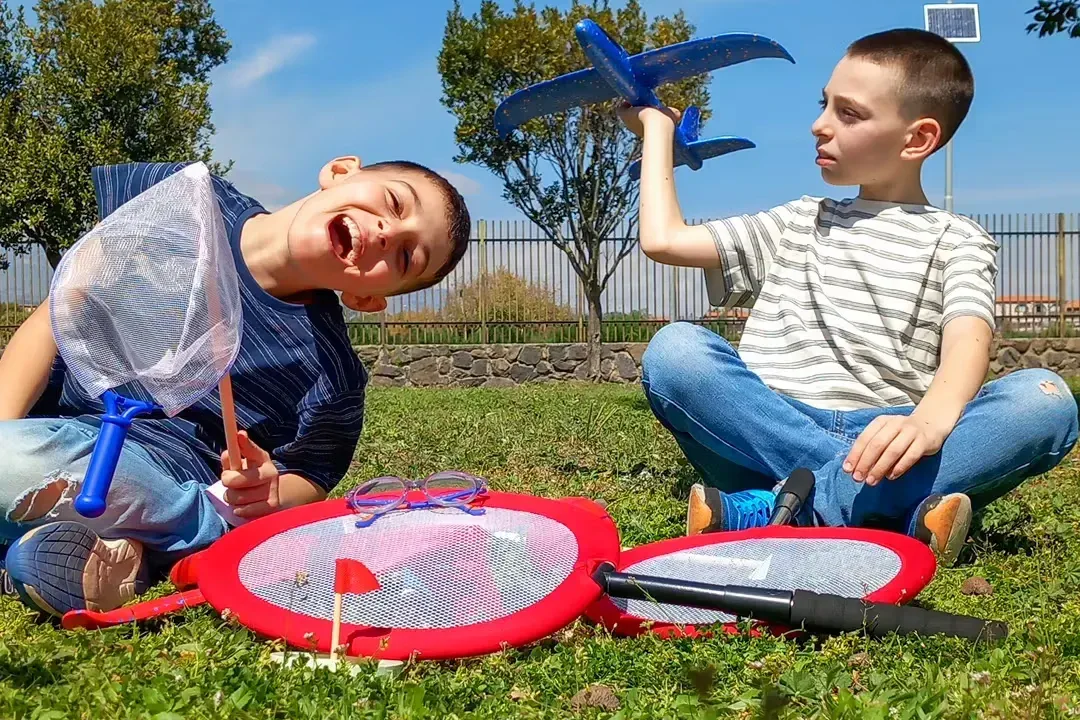
Despite the region’s hot climate, outdoor toys remain a strong category—especially for evening and seasonal use. Family outings to parks, gardens, and desert camps are common, creating demand for toys that support physical activity and group play.
Popular outdoor toy categories include:
- Slides and climbing frames
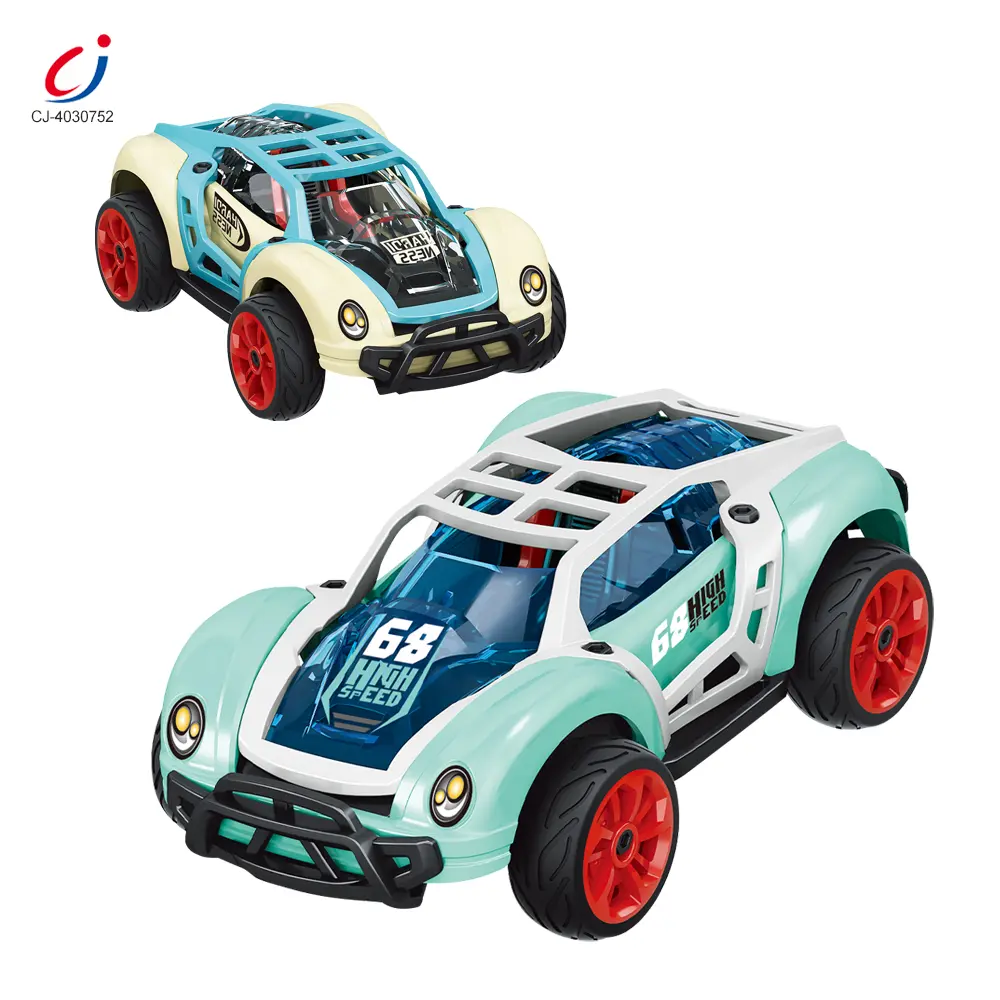
- Ride-on cars
- Water play equipment
- Sand and beach toys
Parents increasingly value toys that promote healthy lifestyles and motor skill development, especially when combined with social interaction. For wholesalers, durable and weather-resistant materials are key selling points in this segment.
4. Board Games and Group Entertainment
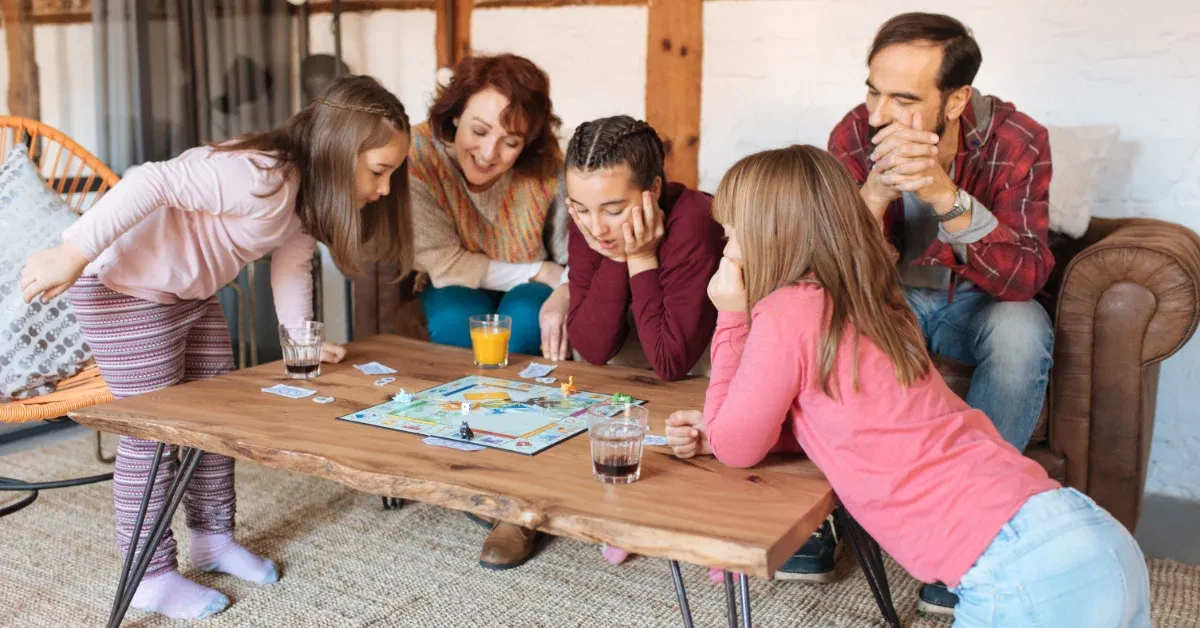
Board games and family games are another essential category driven by the region’s social culture. These products are widely used during:
- Family gatherings
- Weekend activities
- Festive occasions
They offer a simple but effective way to bring family members together, reinforcing the importance of communication and shared experiences.
5. Educational and STEM Toys with Family Appeal
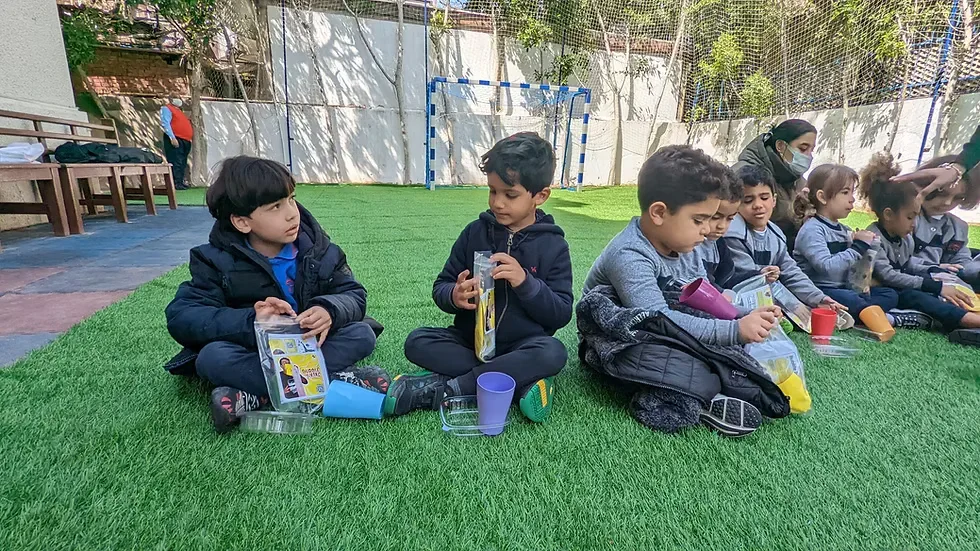
Education is a high priority for Middle Eastern parents, and this extends to toy purchasing decisions. However, what makes this market unique is that educational toys are often used together with parents, rather than independently.
Top-performing products include:
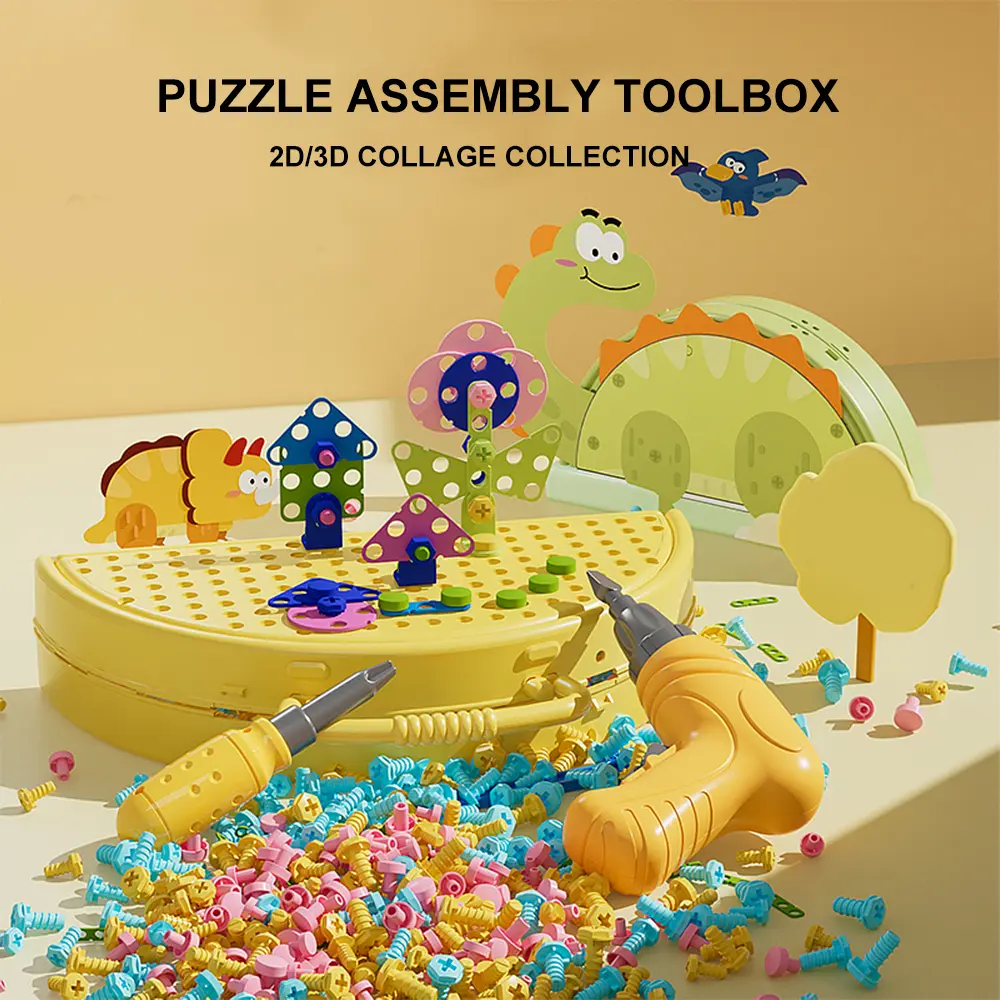
- Building block sets
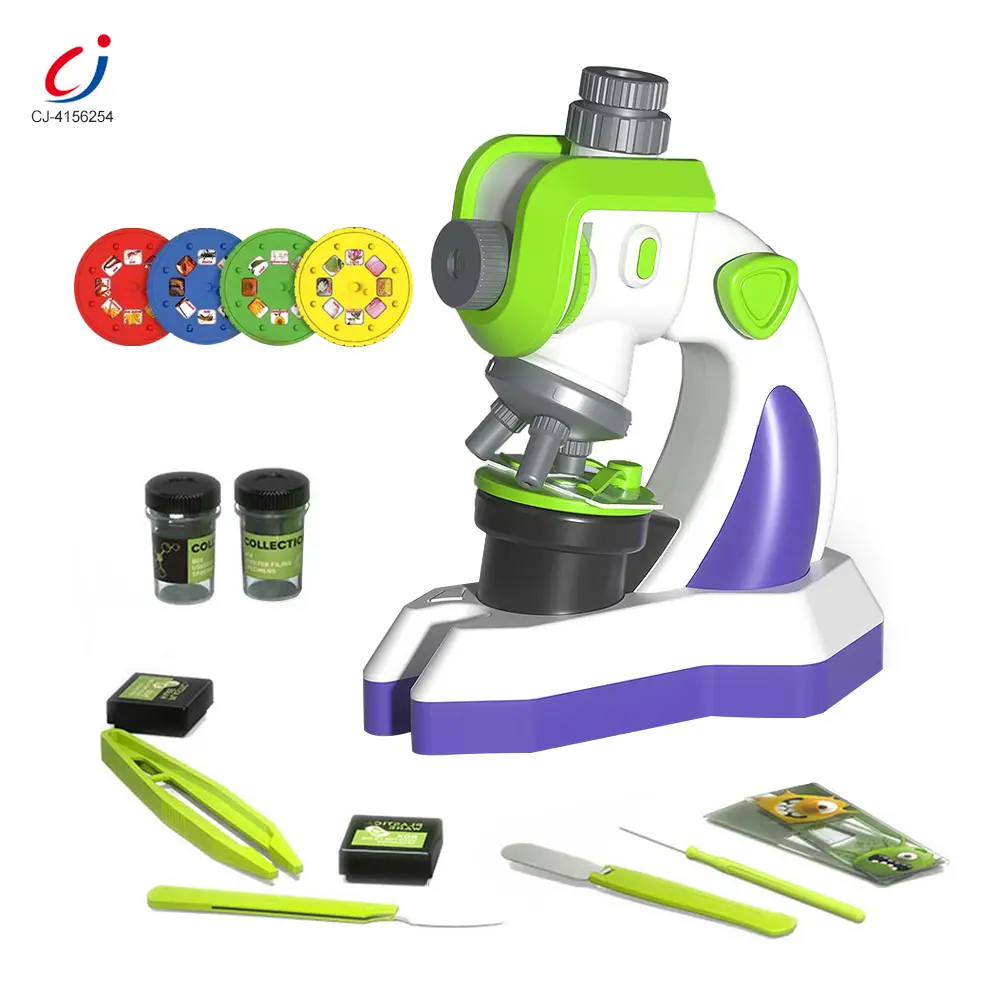
- STEM kits
- Puzzle games
For businesses in 장난감 도매, combining education + interaction is a winning formula that aligns perfectly with regional expectations.
Climate and Lifestyle Influence Toy Demand
The Middle East’s climate plays a subtle but important role in shaping toy preferences. High daytime temperatures encourage indoor activities, increasing demand for:
- Role-play toys
- Creative play kits
- Family games
At the same time, cooler evenings create opportunities for outdoor play, supporting demand for versatile indoor-outdoor toys. This dual behavior makes it essential for suppliers to offer diverse product lines.
Festivals and Gifting Culture Drive Sales
Festive occasions such as Eid significantly boost toy sales across the region. Toys are one of the most popular gift categories, particularly for children.
During these periods, buyers tend to favor:
- High-value gift sets
- Visually appealing packaging
- Multi-functional toys suitable for group play
의 경우 장난감 공급업체, aligning product development and inventory planning with these seasonal peaks can lead to substantial sales growth.
High Spending Power and Premium Preferences
Many Middle Eastern countries, particularly in the Gulf Cooperation Council (GCC), demonstrate strong purchasing power. Families are willing to invest in:
- High-quality toys
- Safe, certified materials
- Educational and developmental value
This creates a favorable environment for:
- Premium family board games
- Large-scale playsets
- Outdoor activity kits
A 맞춤형 장난감 제조업체 can leverage this by offering premium finishes, customizable themes, and durable materials that align with local expectations.
Comparing Middle East vs. Western Toy Trends
| Factor | Middle East Market | Western Market |
|---|---|---|
| Core Focus | Family interaction | Individual play |
| Popular Categories | Board games, role-play, group toys | Digital toys, collectibles |
| Purchase Drivers | Cultural values, group use | Trends, branding |
| Product Design | Multi-user | Single-user |
| Seasonality | Religious festivals | Christmas, Black Friday |
This comparison highlights why family-oriented toys dominate in the Middle East—they align naturally with lifestyle and values.
What This Means for Toy Suppliers and Wholesalers
To succeed in the Middle Eastern market, businesses must move beyond generic product offerings and focus on family-oriented design and positioning.
Key Strategies:
- Develop toys that support multi-player interaction
- Prioritize pretend play and outdoor categories
- Emphasize educational value combined with fun
- Offer customization options for cultural relevance
- Highlight safety, durability, and quality in marketing
Additionally, packaging and branding should clearly communicate themes like:
- “Family bonding”
- “Interactive play”
- “Learning through play.”
These messages resonate strongly with both distributors and end consumers.
결론
The dominance of family-oriented toys in the Middle Eastern market is no coincidence—it is deeply rooted in cultural values, lifestyle patterns, and purchasing behavior. From pretend play toys that replicate daily family life to outdoor toys that support group activities, the most successful products are those that bring people together.
For any 장난감 공급업체 or business involved in 장난감 도매, the takeaway is clear:
👉 Products that encourage shared experiences, cultural relevance, and family interaction will always have a competitive edge in this region.
By aligning your product strategy with these insights, you can not only enter the Middle Eastern market but also thrive in it.
FAQ Section
Why are family-oriented toys popular in the Middle East?
Family-oriented toys are popular because Middle Eastern cultures emphasize social bonding, group activities, and family interaction, making multiplayer toys more appealing.
What types of toys sell best in the Middle East?
Top categories include role-playing toys, board games, outdoor group toys, and educational toys designed for multiple users.
How can toy suppliers enter the Middle Eastern market?
Suppliers should focus on cultural adaptation, offer OEM/ODM customization, ensure product safety compliance, and partner with reliable regional distributors.
Are educational toys in demand in the Middle East?
Yes, especially those that allow parents and children to learn together, combining education with family interaction.
What should importers look for in a toy manufacturer?
Importers prioritize quality control, customization capabilities, bulk production capacity, competitive pricing, and reliable delivery.