Importing toys into Mexico involves more than paying the supplier and arranging international shipping. Import duties, customs clearance fees, labeling adjustments, and unexpected logistics charges can significantly increase the final cost of imported toys.
Some expenses are predictable, while others arise from documentation errors, packaging changes, or shipment delays. Understanding these hidden costs of importing toys into Mexico helps importers estimate landed costs, manage cash flow, and make better purchasing decisions.
Import Duties and Taxes in Mexico
Import duties and taxes are among the largest expenses buyers need to calculate before placing an order. However, the amount depends on the toy’s classification, origin, and applicable import rules.
Import Duties and Tariff Classification
Toy import duties in Mexico are generally determined by the product’s tariff classification under the Mexican customs tariff schedule.
A tariff amendment published on December 29, 2025, and effective January 1, 2026, established a 30% general import duty for multiple toy tariff lines under heading 9503. These include certain construction toys, puzzles, dolls, and other toy categories.
However, not every imported toy automatically pays the same rate. The applicable duty depends on the specific Mexican tariff code, any subsequent amendments, and whether preferential tariff treatment is available.
Importers should confirm the classification and applicable rate with their Mexican customs broker rather than relying on a general HS code or an outdated shipping estimate.
Import VAT and Customs Processing Charges
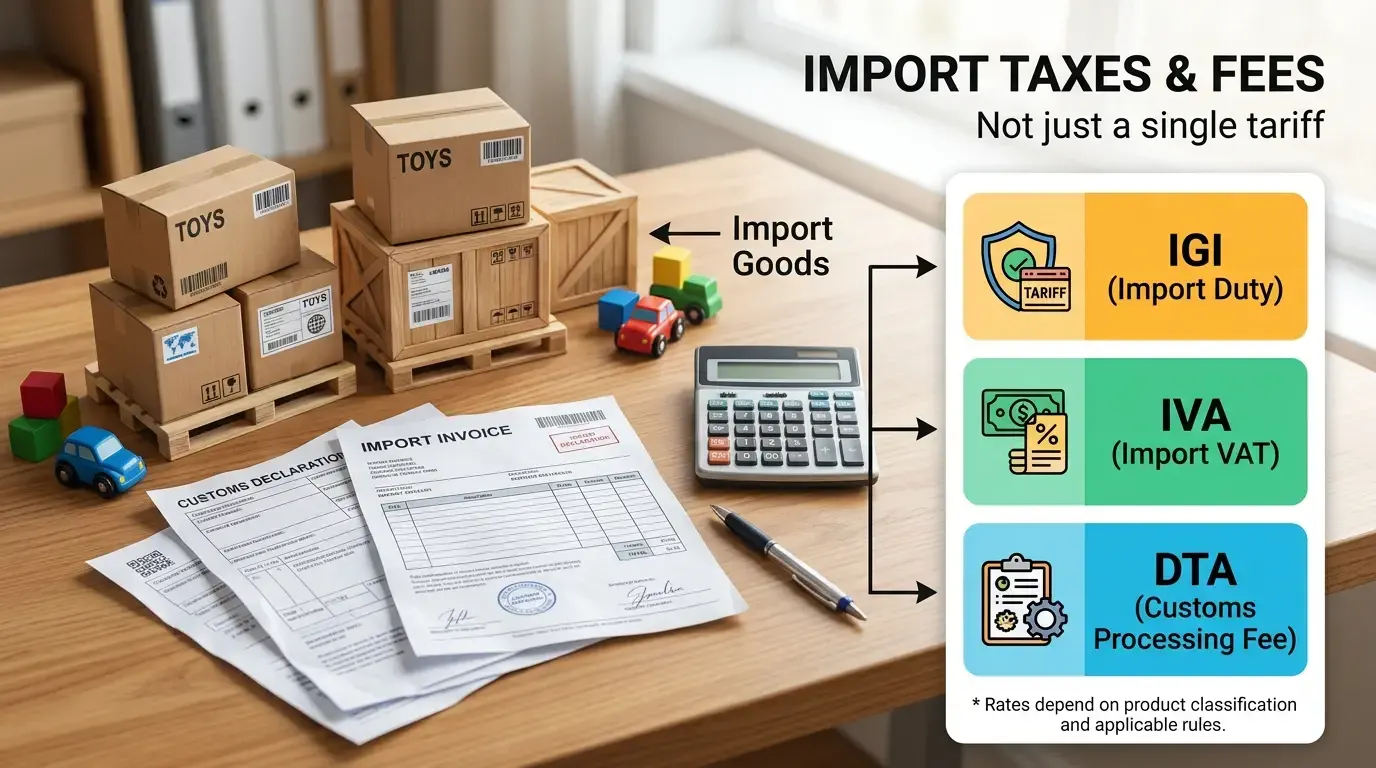
Mexico toy import taxes may also include:
- IVA (Value-Added Tax): The general VAT rate is 16%. For imported goods, the taxable base generally includes the customs value, import duty, and other applicable import-related contributions and charges.
- DTA (Customs Processing Fee): An applicable customs processing charge that should be calculated according to the import operation and current rules.
Import VAT may be creditable when the importer meets the legal requirements. Even when recoverable through tax credits, it can create an immediate cash-flow requirement.
Some toy tariff lines may also be subject to Mexico’s estimated-price customs guarantee mechanism. Where applicable, this can require additional financial security if the declared customs value falls below the relevant benchmark. Such a guarantee should not automatically be treated as an additional import duty.
These distinctions matter because the amount an importer needs to pay or secure at customs may differ from the shipment’s permanent economic cost.
Customs Clearance and Port Charges
International freight quotations do not always include every expense incurred when goods arrive in Mexico.
Depending on the shipping arrangement, additional charges may include:
- Customs broker fees for preparing and processing import declarations.
- Port and terminal handling charges for receiving and handling containers or cargo.
- Documentation and processing fees charged by logistics providers.
- Inland transportation costs from the port or customs facility to the importer’s warehouse.
The exact charges depend on the port, shipment size, service providers, and agreed delivery terms.
Documentation problems can create further costs. For example, differences between the commercial invoice, packing list, and bill of lading may trigger additional verification or delay customs release.
Importers should review their toy import clearance documents before shipment and ensure that product descriptions, quantities, weights, and shipping information are consistent.
The goal is not merely to prepare paperwork but to reduce avoidable delays and the expenses they may create.
Toy Labeling and Compliance Costs
Toy labeling costs are another expense that importers may underestimate, particularly when sourcing multiple products with different packaging requirements.
Labeling and Packaging Adjustments
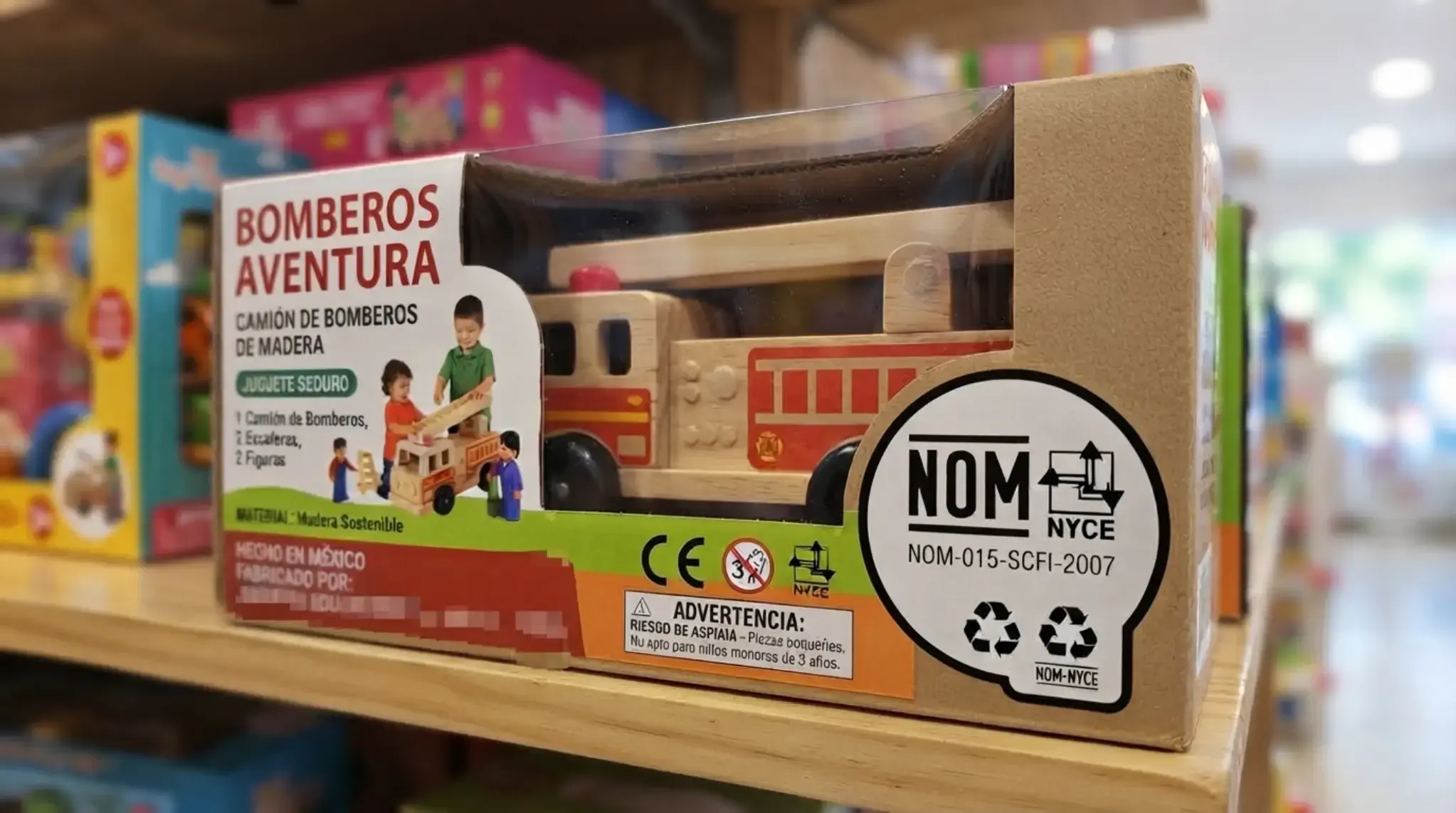
Mexico’s NOM-015-SCFI-2007 establishes commercial labeling requirements for toys within its scope.
Depending on the product, mandatory information may include Spanish-language product details, country of origin, recommended age, relevant warnings, and importer information.
If packaging was originally designed for another market, additional expenses may arise from:
- Translating and revising label artwork.
- Printing Spanish-language labels or packaging.
- Applying additional stickers or replacing packaging.
- Correcting missing or inaccurate product information.
These costs can become more substantial when a shipment contains multiple SKUs requiring different packaging versions.
Certain importer information may be added in Mexico after customs clearance but before commercialization, as permitted by the standard. Nevertheless, reviewing labeling requirements before production can reduce unnecessary rework.
Testing and Documentation Expenses
Depending on the toy’s characteristics and applicable regulations, importers may also need specific product testing, documentation, or compliance verification.
These requirements should be assessed separately from commercial labeling. NOM-015-SCFI-2007 is a labeling standard, not a universal toy safety testing certificate.
For more information about customs procedures and Mexico-specific product requirements, see our guide to importing toys from China to Mexico.
Unexpected Freight and Storage Costs
Shipping costs can increase after the original quotation, especially when cargo arrives later than expected or cannot be released promptly.
Common potential expenses include freight surcharges, destination handling fees, storage charges, and container-related penalties.
Three charges are particularly important to distinguish:
| Charge | When It May Apply |
|---|---|
| Demurrage | A container remains at the terminal beyond its applicable free period. |
| Detention | A container is returned later than permitted after leaving the terminal. |
| Storage | Cargo or containers remain in a storage facility beyond the applicable terms. |
These charges are not unavoidable expenses for every shipment. They depend on the carrier, terminal, contractual arrangements, and actual handling conditions.
Toy packaging also affects transportation efficiency.
Large playsets, ride-on toys, and other bulky products may occupy considerable container space relative to their purchase value. As a result, freight costs per unit can be higher than those of compact toys.
For less-than-container-load shipments, importers should also confirm the destination charges included in the freight quotation.
A relatively low ocean freight rate does not necessarily mean a lower total transportation cost.
Additional Costs Buyers May Overlook Before Ordering
Several smaller expenses can affect the final purchasing budget even before the products reach Mexico.
Currency conversion and banking fees: Exchange-rate differences, international transfer charges, and payment processing fees can increase the actual amount paid.
Sample and packaging revisions: Changes to product samples, labels, or packaging artwork may generate additional charges, particularly after designs have been approved.
Pre-shipment inspections: Inspection costs may apply when buyers arrange independent quality checks before shipping.
Cargo insurance: Buyers should confirm the coverage included in their shipping arrangements and whether additional insurance is needed.
Another common source of confusion is the agreed Incoterms rule.
FOB, CIF, and DAP allocate transportation responsibilities, risks, and expenses differently. Importers should confirm the exact named place and what their quotations include.
"(《世界人权宣言》) International Chamber of Commerce’s Incoterms 2020 guidance provides the framework for understanding these responsibilities.
Comparing supplier quotations on an equivalent delivery basis is more useful than comparing product prices alone.
How to Calculate the True Landed Cost of Imported Toys
Calculating the landed cost of toys helps importers understand their actual purchasing expenses and estimate profit margins more accurately.
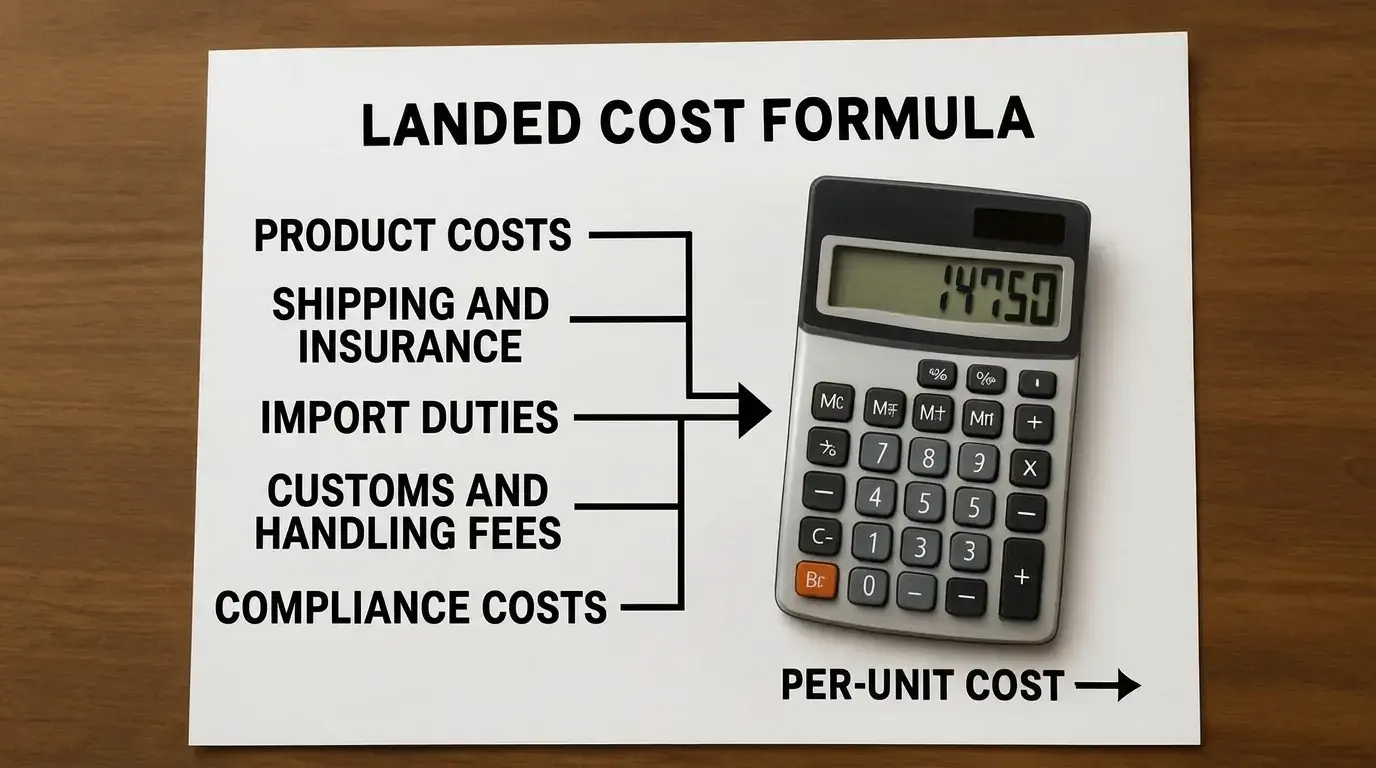
A simplified formula is:
Landed Cost per Toy = Total Import Costs ÷ Number of Saleable Toys
Total import costs generally include:
- Product costs: The purchase price of the toys.
- Shipping and insurance: International freight and applicable insurance expenses.
- Import duties: Taxes determined by the applicable tariff classification.
- Customs and handling fees: Customs clearance, port handling, and inland transportation.
- Compliance costs: Necessary labeling, testing, or packaging adjustments.
Avoid counting expenses already included in the supplier’s quotation or freight charges twice. Recoverable import VAT and refundable customs guarantees should also be tracked separately as cash-flow requirements rather than permanent costs.
By calculating the total cost per saleable toy, importers can compare sourcing options and set more realistic wholesale prices.
How to Reduce Avoidable Toy Import Costs
Not every import expense can be eliminated. Duties and legally required charges must still be paid where applicable, but better preparation can reduce some avoidable costs.
Before confirming an order, importers should:
- Verify tariff classifications and applicable import charges with a qualified Mexican customs professional.
- Review labels and packaging before production to reduce unnecessary modifications.
- Request detailed freight quotations showing destination charges and service exclusions.
- Check shipping documents for consistency before dispatch.
- Evaluate carton dimensions and container utilization when comparing products.
- Clarify cost responsibilities with suppliers, freight forwarders, and customs brokers.
When sourcing multiple toy categories, coordinating product information, packaging requirements, and shipping arrangements can also make purchasing more manageable.
Chengji Toys supports B2B buyers through product sourcing, partner-factory coordination, order follow-up, and project-dependent inspection and shipment coordination.
Buyers planning purchases for Mexico can explore Chengji’s wholesale toy product selection and confirm product specifications, packaging options, and order requirements before proceeding. Chengji can help with your procurement all the way from the very beginning.
We understand that sourcing toys often starts with questions rather than a finalized product list. In one of our baby toy sourcing projects, we worked closely with a buyer to explore suitable products, review samples, refine packaging details, and coordinate their first trial order. We believe getting these details right early on is just as important as managing the order itself, especially when buyers are navigating a new market.

结论
The hidden costs of importing toys into Mexico extend beyond the supplier’s quoted price. Import duties, customs services, labeling adjustments, transportation expenses, and unexpected delays can all affect the final cost.
By distinguishing predictable charges from avoidable expenses and calculating landed costs accurately, importers can prepare more realistic budgets, manage cash-flow requirements, and make better-informed sourcing decisions.