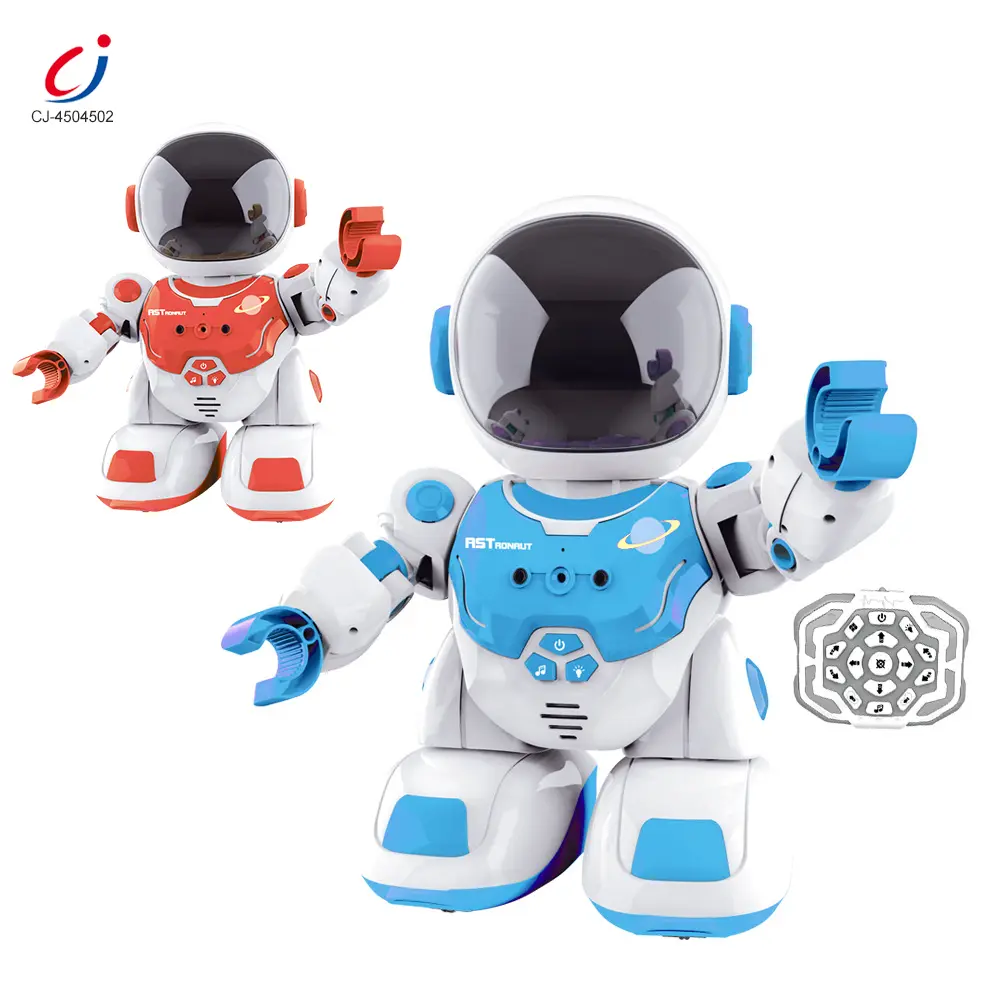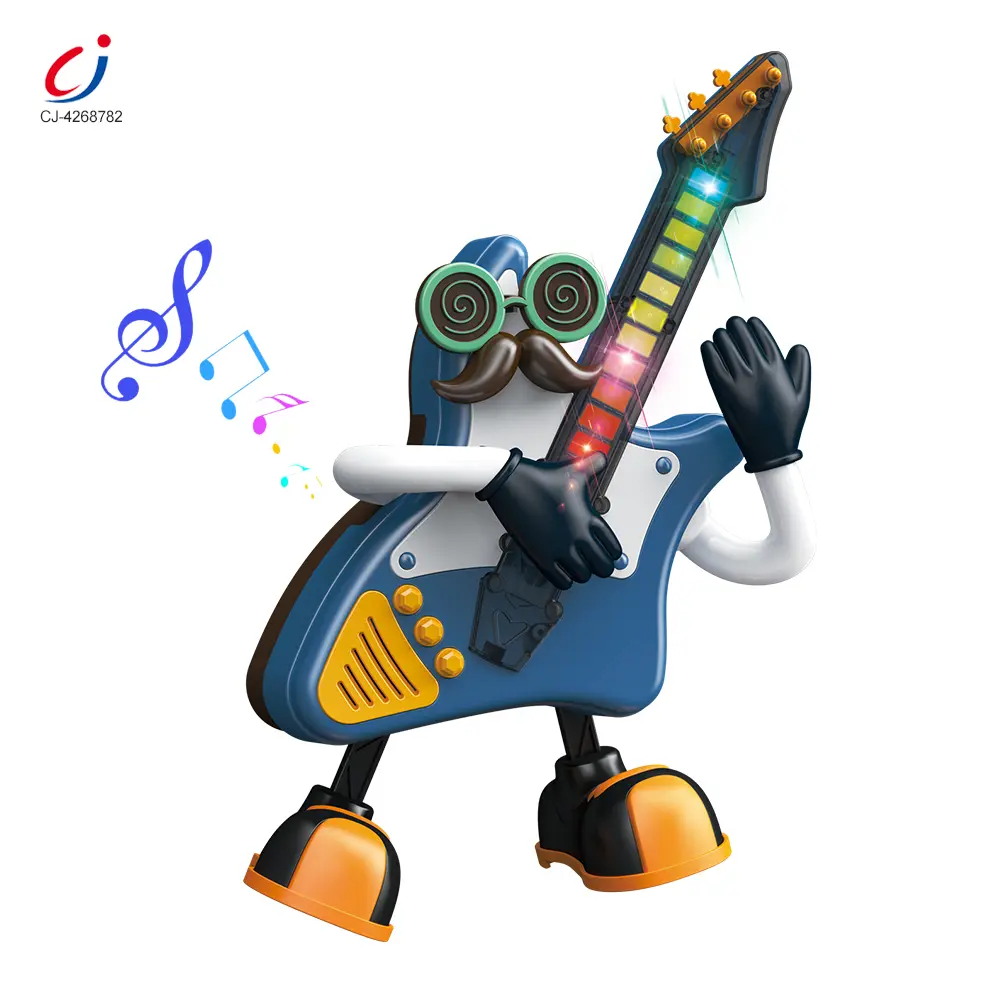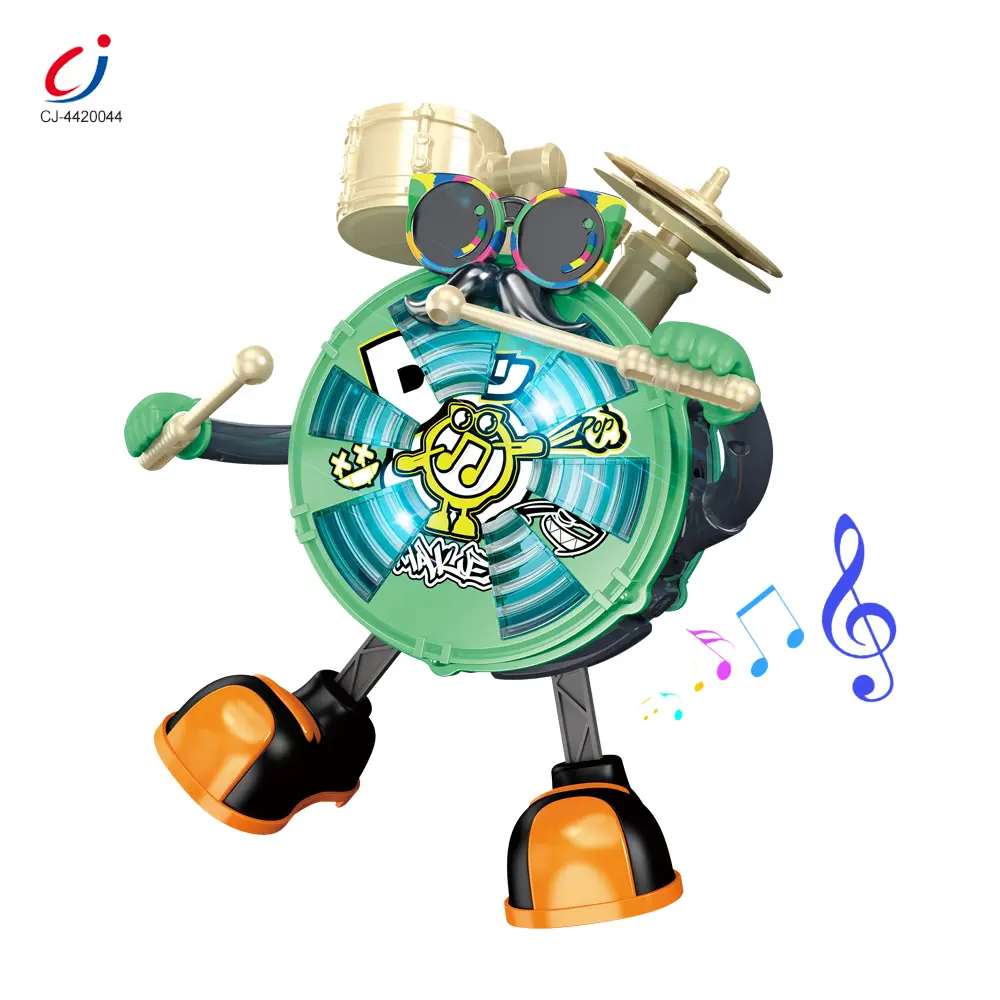
The radio system determines how reliably an RC toy responds to its controller. For modern 2.4GHz RC toys, the frequency band supports multi-device operation and can provide responsive wireless control, but it does not by itself determine range or guarantee immunity from interference.
En tant que Fabricant de jouets RC, Chengji can tell that the actual performance depends on several factors, including the radio system, transmitter and receiver, distance, obstacles, antenna arrangement, and surrounding wireless environment. Understanding these factors helps explain why an RC toy may perform differently indoors, outdoors, at different distances, or when several toys are operating together.
How 2.4 GHz Affects RC Toy Communication
Frequency Is Only One Part of the Communication System
In a basic RC system, the controller sends commands through a radio signal, the receiver in the toy detects those commands, and the control system converts them into actions such as steering, acceleration, or stopping.
Les 2.4 GHz designation describes the radio frequency band used for communication. It does not specify the maximum range, receiver sensitivity, antenna design, or overall signal stability.
This distinction is important when comparing RC toys. Two products can both use 2.4 GHz while delivering different communication performance because their radio hardware and system design are different.
Why 2.4 GHz Supports Multiple RC Toys
One major advantage of modern 2.4 GHz RC systems is their ability to support multiple users without requiring each toy to operate on a manually selected fixed frequency.
Modern systems can use pairing and frequency-management techniques to establish communication between a particular controller and receiver. Some 2.4 GHz RC reference designs, for example, were specifically developed to allow multiple cars to race without changing physical crystals.
This is why several properly designed 2.4 GHz RC toys can normally operate in the same area without one controller simply taking control of another toy.
However, this should not be interpreted as complete interference immunity. Pairing helps maintain the correct transmitter-receiver relationship; it does not eliminate every possible source of radio-frequency interference.
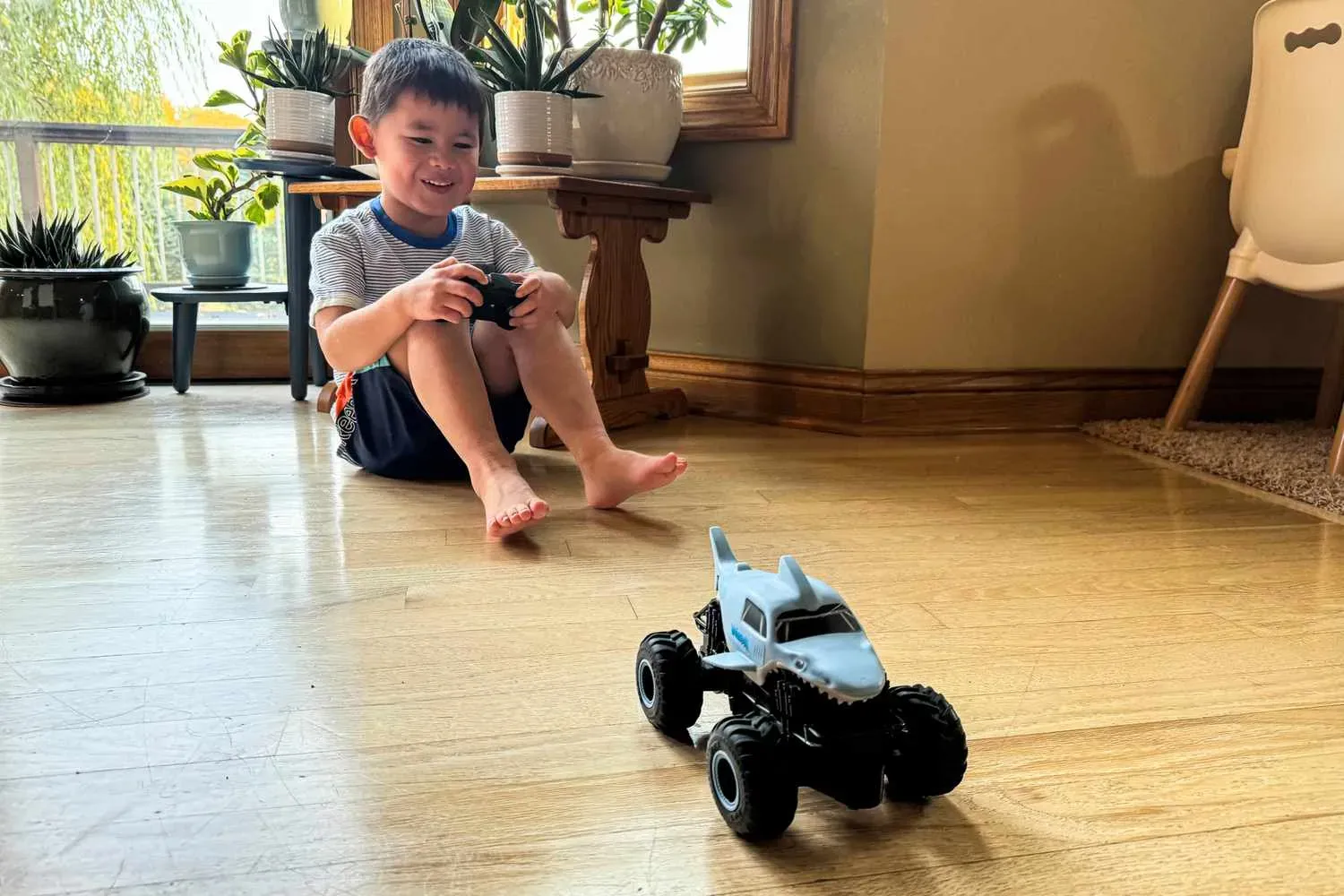
Can Multiple 2.4 GHz RC Toys Interfere With Each Other?
Pairing Helps Keep Each Transmitter Connected to the Correct Toy
When multiple RC toys are switched on, the communication system needs to distinguish between the different controller-receiver pairs.
A properly designed pairing or channel-management system prevents a controller from simply responding to every compatible receiver nearby. This makes group play much more practical than older fixed-frequency systems, where two devices using the same frequency could interfere directly with one another.
Therefore, if several 2.4 GHz RC cars are being used together, cross-control is not normally the expected behavior of a properly functioning system.
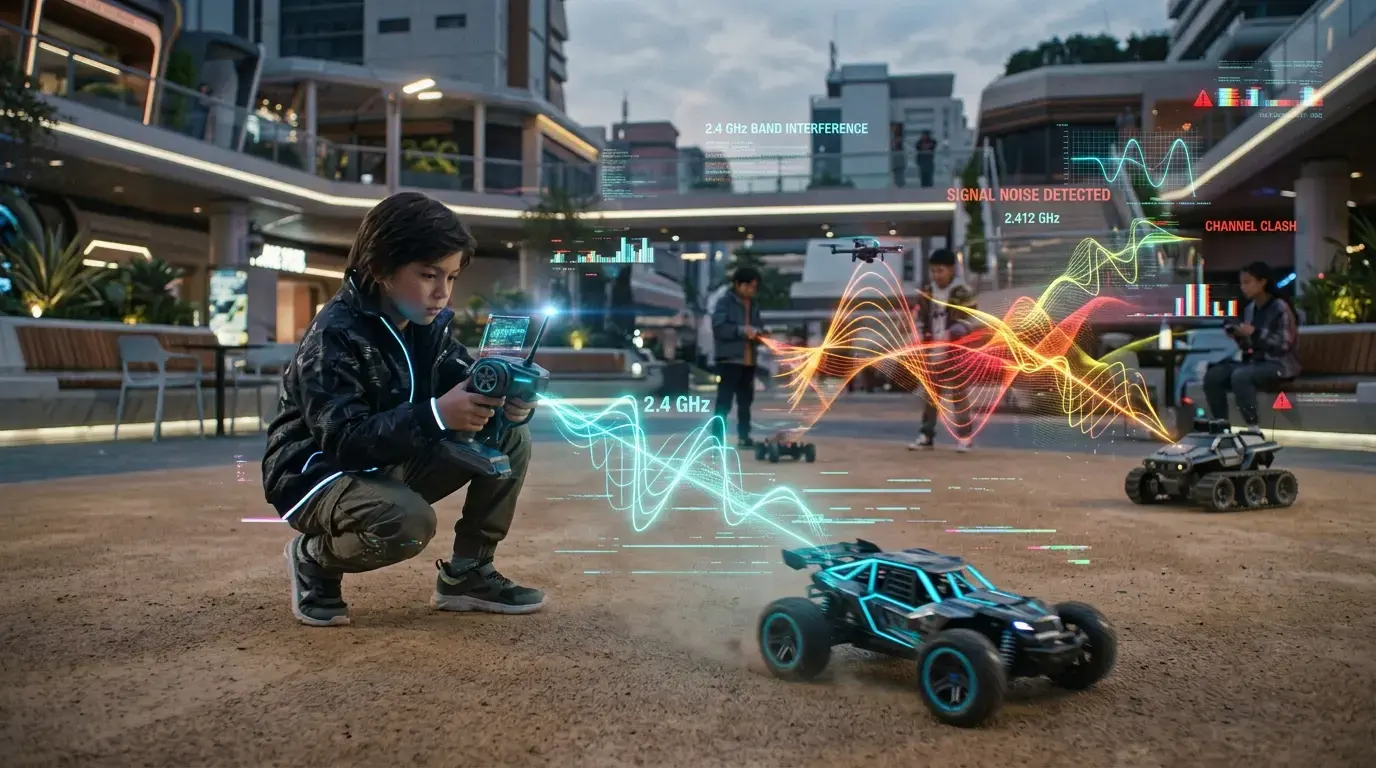
Interference Can Still Occur in a Crowded RF Environment
Cross-control and signal interference are not the same thing.
A controller may remain paired with the correct toy while the communication link becomes less reliable. Depending on the system and environment, interference may appear as delayed response, intermittent control, reduced usable range, or temporary loss of connection.
The 2.4 GHz band is also used by other wireless technologies, so RC toys operate within a broader radio environment rather than in an isolated frequency space.
This means the question is not simply whether another 2.4 GHz device is nearby. The more useful question is whether the combined radio environment affects the stability of the particular RC system.
Why Radio Design Matters
Interference can also originate from the RC product itself. Radio performance depends on factors such as transmitter behavior, receiver characteristics, antenna design, and control of unwanted emissions.
This is not merely a theoretical concern. In a 2026 EU-funded market-surveillance campaign, 88 radio-controlled toys and other radio-enabled children’s products were tested. Of the 50 RC vehicles tested, 36 failed the applicable interference requirements. The European Commission identified spurious emissions and excessive radiated power among the principal causes.
For B2B products, this highlights an important distinction: using 2.4 GHz is not itself evidence that a product has good interference performance. The complete radio implementation and applicable compliance requirements still matter.
What Determines RC Toy Signal Range and Stability?
Transmitter and Receiver Performance
Signal range depends on the complete communication link rather than frequency alone.
Relevant factors include:
- Transmitter output characteristics
- Receiver sensitivity
- Antenna design and positioning
- Radio protocol and communication architecture
- Power supply condition
- Physical environment
A stronger or better-designed communication system can maintain a usable connection under conditions where another system may become unstable.
For this reason, two 2.4GHz RC toys should not automatically be expected to have the same operating range simply because they use the same frequency band.
Distance Reduces the Margin for Stable Communication
As the distance between the controller and toy increases, the received signal generally becomes weaker. Eventually, the system reaches a point where the receiver can no longer maintain reliable communication.
This creates an important distinction between maximum range et stable usable range.
An RC toy may still respond at the outer edge of its specified range, but the control link may have less margin against obstacles or local interference. Technical discussions of 2.4 GHz systems also emphasize that range is highly dependent on the environment rather than being a fixed property of the frequency itself.
Therefore, a range claim should be understood in the context in which it was measured rather than treated as a universal distance that will apply everywhere.
Obstacles and Orientation Also Matter
Physical obstacles can affect 2.4 GHz communication, particularly when they interrupt a clear signal path. Walls, furniture, vehicles, structures, and even people can alter the propagation environment.
Nordic Semiconductor specifically notes that RC systems operating in the 2.4 GHz band can be more susceptible to line-of-sight challenges because obstacles can attenuate higher-frequency signals.
This is why an RC toy that works consistently across an open area may show weaker performance after moving behind a wall or large obstruction.
Why Indoor and Outdoor RC Toy Performance Can Differ
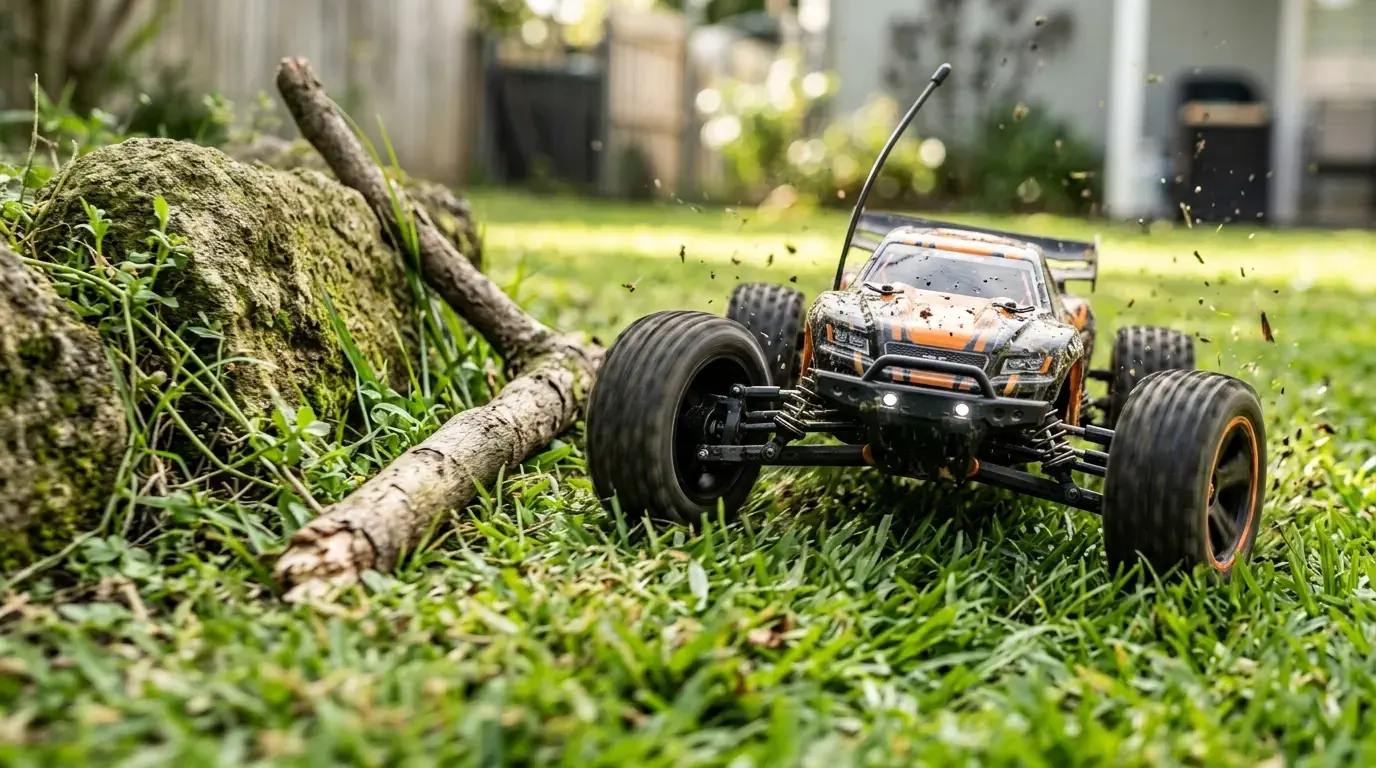
The same RC toy can behave differently indoors and outdoors because the radio environment changes with the surroundings.
| Environment | Main factors affecting communication |
|---|---|
| Open outdoor space | Fewer physical obstacles and a clearer signal path |
| Indoor room | Walls, furniture, people, and reflections |
| Dense indoor environment | More obstacles and potentially more wireless devices |
| Large outdoor area | Greater distance becomes increasingly important |
| Crowded venue | More wireless devices and competing RF activity |
Indoor Use: Obstacles and Wireless Congestion
Indoor environments introduce more physical structures between the controller and toy.
A toy moving around a room may repeatedly pass behind furniture, walls, or other objects. These obstacles can reduce the signal margin, particularly when the toy is already approaching the practical limit of its communication range.
Indoor environments can also contain numerous wireless devices operating around the same spectrum. However, it would be inaccurate to assume that the presence of Wi-Fi automatically causes an RC toy to malfunction. The actual effect depends on the radio systems involved and their ability to coexist.
Outdoor Use: Distance and Line of Sight
Outdoor environments often provide a clearer path between the controller and toy, which can make communication more predictable.
The trade-off is that users can usually drive the toy much farther away. At longer distances, signal strength becomes increasingly important, and the usable range eventually becomes the limiting factor.
An open field therefore does not mean unlimited range. It simply removes some of the physical obstacles that can complicate indoor operation.
How to Interpret Common RC Toy Signal Problems
A signal problem does not always mean that the radio system itself is defective. Looking at when and where the problem occurs can provide useful clues.
| Symptom | Possible factors |
|---|---|
| Normal response nearby but unstable at greater distance | Distance, receiver sensitivity, antenna, or power |
| Several toys work individually but become unstable together | RF congestion or radio-system limitations |
| Stable outdoors but weaker indoors | Obstacles or local RF environment |
| No response immediately after startup | Pairing, binding, or power issue |
| Intermittent response only in one location | Local RF environment |
| Communication weakens as the battery drains | Power-related issue rather than necessarily RF interference |
Separate RF Problems From Other Causes
For example, a toy that suddenly stops responding may have a communication problem, but it could also have a weak battery or a pairing issue.
Similarly, inconsistent movement does not automatically indicate radio interference. A motor, controller, mechanical component, or power supply can produce symptoms that appear similar from the user’s perspective.
The most useful diagnostic clue is therefore the pattern of the problem. If the issue consistently appears only at greater distances or in a particular environment, RF conditions become more relevant. If it occurs regardless of distance, other parts of the system should also be considered.
What Should Be Evaluated When Testing RC Toy Signal Performance?
The appropriate evaluation depends on whether the goal is simply to assess the user experience or to evaluate a product for commercial use.
From the Consumer Perspective: Does the Toy Stay Responsive?
For consumers, the main question is straightforward: does the RC toy remain responsive under its intended conditions of use?
Useful observations include:
- Does the toy respond consistently at the intended operating distance?
- Does control become delayed or intermittent as distance increases?
- Does performance change when the toy moves behind obstacles?
- Can multiple toys operate together without noticeable control problems?
- Does the problem happen consistently or only in a particular location?
Consumers generally do not need to measure RF parameters themselves. The practical concern is whether the toy provides predictable control during normal use.
From the B2B Buyer Perspective: Is the Communication Performance Consistent?
For B2B buyers, the evaluation needs to go beyond one successful demonstration.
A more useful assessment can compare:
- Different operating distances.
- Single-toy and multiple-toy operation.
- Open and obstructed environments.
- Normal and crowded wireless environments.
- Response delay, intermittent control, and connection loss.
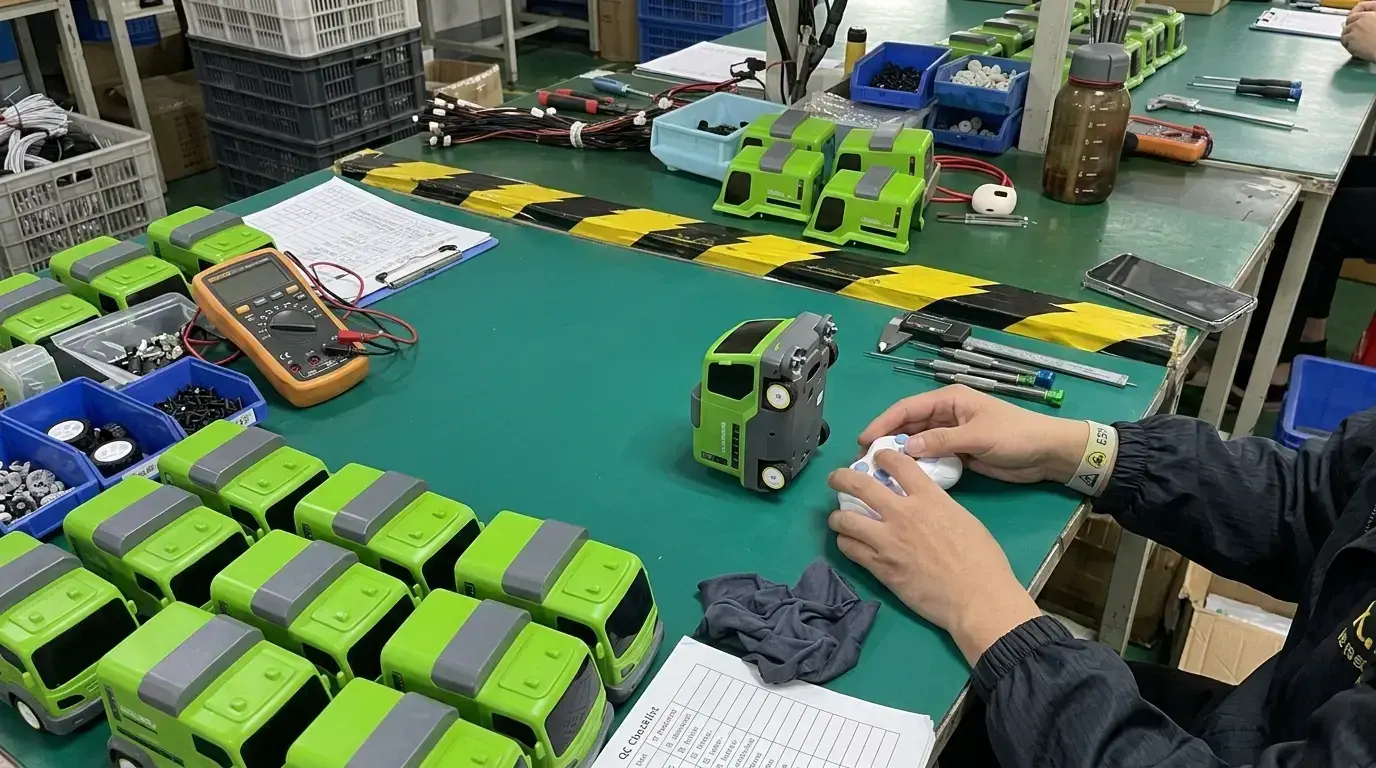
- Multiple units of the same product rather than only one sample.
This helps determine whether the communication performance is repeatable, rather than simply confirming that one sample works under ideal conditions.
It is also important to separate RF performance from other variables. Battery condition, controller power, pairing, motor operation, and mechanical faults can all affect the observed behavior.
For B2B evaluation, the most meaningful test conditions are therefore those that resemble the product’s intended market and usage scenario. A nominal 2.4GHz RC toy specification is a starting point, not a complete assessment of signal performance.
Conclusion: Frequency Is Only the Starting Point
2.4 GHz has become an important foundation for modern RC toy communication because it supports practical multi-device operation without the fixed-frequency limitations of older systems. But the frequency itself does not guarantee a particular range or complete immunity from interference.
Signal stability depends on the complete radio system, operating distance, obstacles, antenna and receiver performance, and surrounding RF environment.
For consumers, the key question is whether the toy remains responsive and predictable during normal use. For B2B buyers, the more important question is whether that performance remains consistent across distances, environments, and multiple units.