Building toys have remained one of the most popular toy categories because they encourage creativity, problem-solving, and hands-on learning. From classic wooden blocks to modern magnetic construction sets, these toys help children develop important skills while keeping playtime engaging.
Among today’s educational toys, magnetic building blocks and traditional building blocks are two major categories attracting attention from parents, retailers, and toy brands.
For parents, the main question is which type of building toy is better for their child’s development. For retailers and wholesalers, the key question is how to select the right products to satisfy different customer groups.
Here is what parents, retailers, and shopkeepers need to know: the answer depends on children’s ages, learning goals, and play preferences. Instead of replacing traditional blocks, magnetic building blocks offer another option that expands children’s creative and educational experiences.
Magnetic Building Blocks vs Traditional Blocks: Key Differences
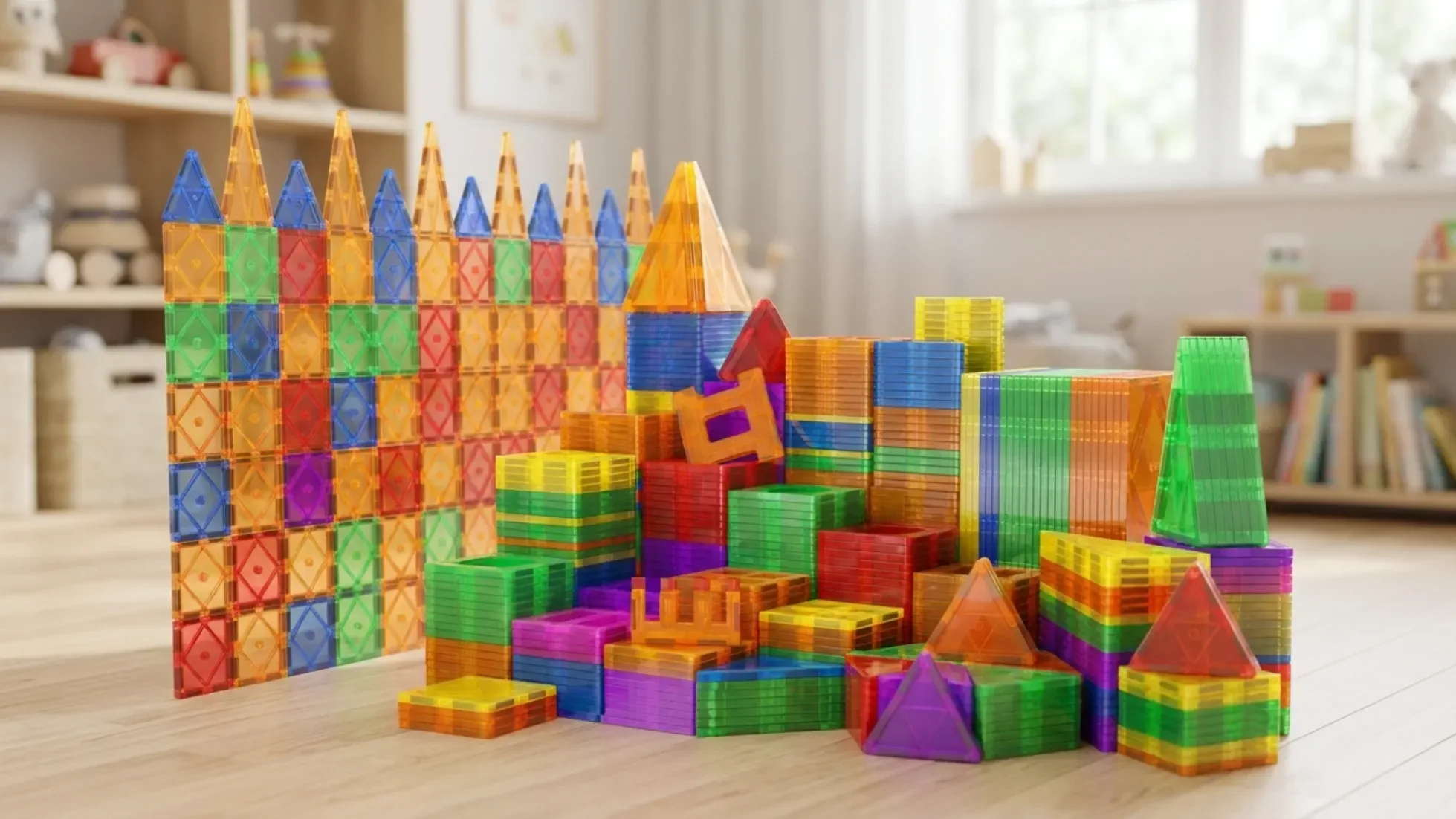
Magnetic Building Blocks
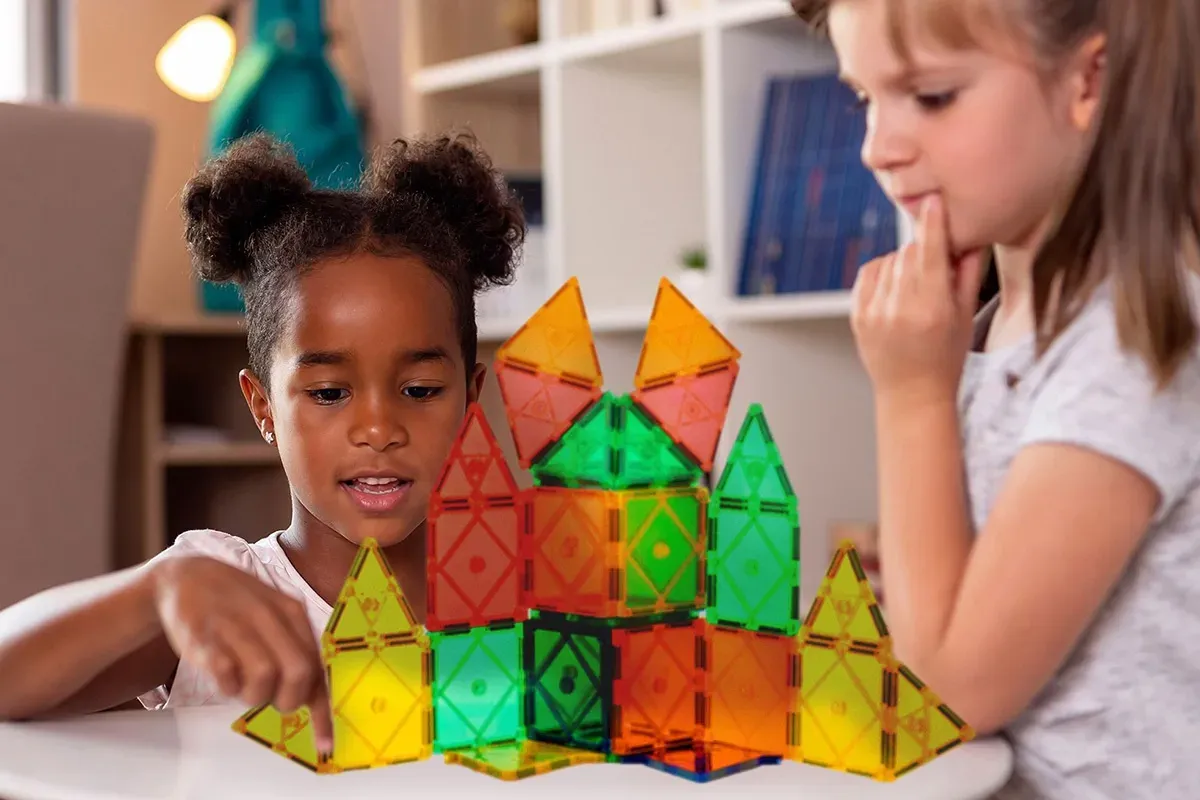
Magnetic building blocks are construction toys that use built-in magnets to connect different pieces together. Most products include geometric shapes such as squares, triangles, and panels that allow children to create various structures.
Because magnetic pieces can connect quickly and easily, children can build houses, vehicles, towers, and other creative designs with less frustration.
Many magnetic building toys are also positioned as STEM toys because they introduce basic concepts related to:
- Geometry
- Balance
- Shapes
- Spatial thinking
- Engineering principles
These features make magnetic building blocks especially popular among preschool and early school-age children.
Traditional Building Blocks
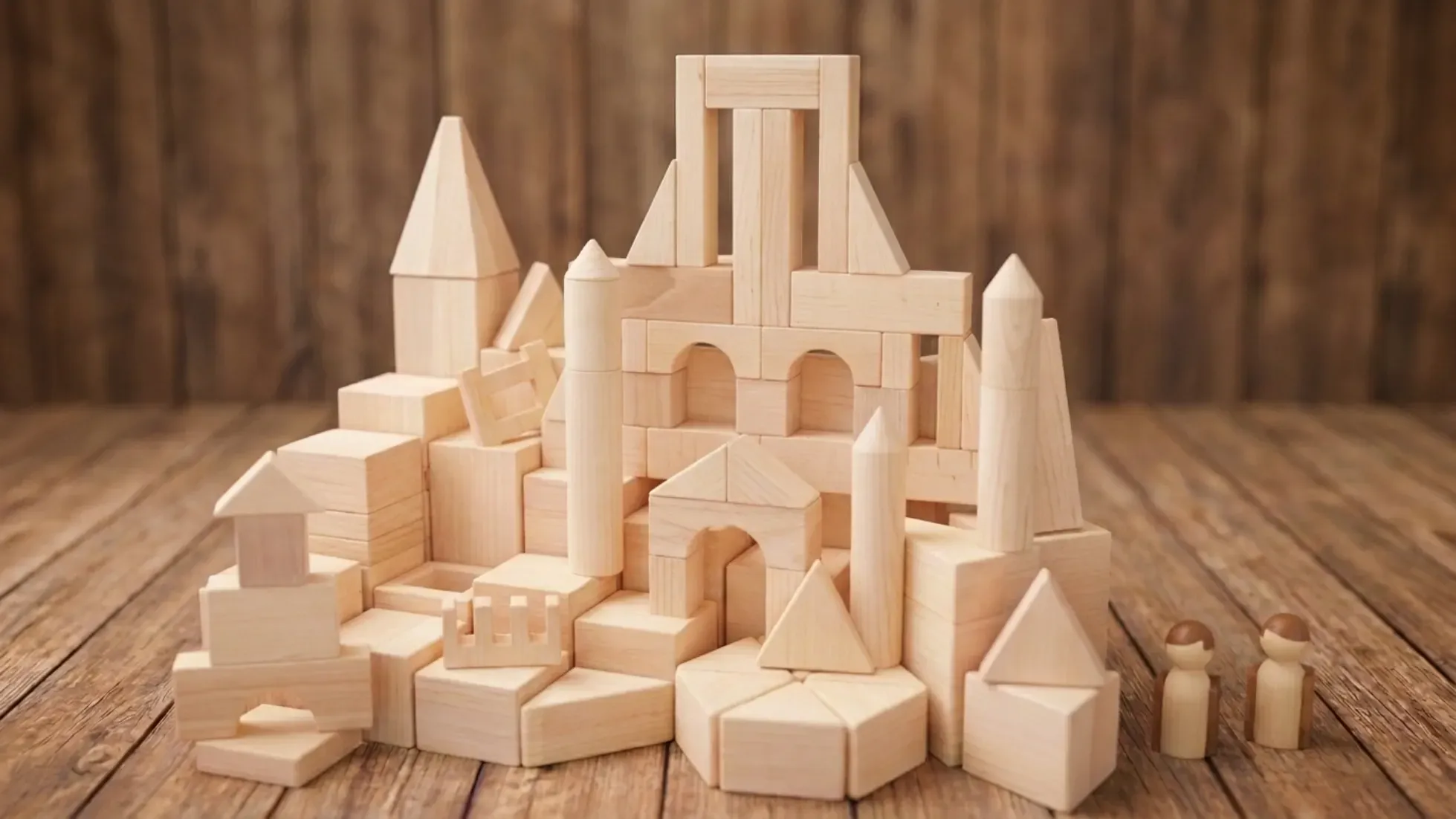
Traditional building blocks refer to classic construction toys that rely on stacking, balancing, or connecting pieces manually.
Common examples include:
- Wooden blocks
- Plastic bricks
- Stackable blocks
- Construction sets
Unlike magnetic blocks, traditional blocks require children to carefully place and balance pieces. This process helps develop patience, coordination, and problem-solving skills.
Because of their simple design, traditional blocks remain suitable for a wide range of ages, from toddlers discovering basic shapes to older children creating complex structures.
| Factor | Magnetic Building Blocks | Traditional Building Blocks |
|---|---|---|
| Connection Method | Magnetic connection | Stacking or interlocking |
| Recommended Age | Usually preschool and above | Suitable for toddlers and older children |
| Learning Focus | STEM concepts, creativity, spatial awareness | Fine motor skills, patience, imagination |
| Building Speed | Faster construction | Requires more planning and adjustment |
| Play Experience | Open-ended design and experimentation | Hands-on building and problem-solving |
| Product Positioning | Educational and innovative toy | Classic developmental toy |
Both categories provide educational value, but they support children’s development in different ways.
Benefits of Magnetic Building Blocks for Kids
Encourage STEM Learning
One of the biggest advantages of magnetic building blocks is their connection with early STEM education.
Children can explore how different shapes work together and understand basic construction concepts through play.
For example, when children build a bridge or tower, they naturally learn about:
- Stability
- Balance
- Structure design
- Spatial relationships
This makes magnetic building toys attractive to parents who are looking for educational products beyond entertainment.
Improve Creativity and Problem-Solving Skills
Magnetic building blocks allow children to experiment freely.
A child may create one structure, discover that it does not work, and then adjust the design. This process encourages:
- Logical thinking
- Trial-and-error learning
- Creative problem-solving
Because there are usually many possible combinations, children can continue creating new designs instead of following only one fixed play method.
Provide Faster and More Engaging Play
Compared with traditional blocks, magnetic pieces are easier to connect and rebuild.
This advantage is especially important for younger children who may become frustrated when structures collapse frequently.
The faster building process allows children to focus more on creativity rather than only construction techniques.
Benefits of Traditional Building Blocks for Kids
Develop Fine Motor Skills
Traditional blocks require more precise hand movements.
Children need to:
- Pick up pieces
- Position blocks carefully
- Balance structures
- Adjust their designs
These activities help improve hand-eye coordination and fine motor development.
For toddlers, simple stacking blocks are often one of the first construction toys that introduce basic building skills.
Build Patience and Concentration
Traditional blocks usually require more planning.
A child may need several attempts to create a stable structure. Through repeated practice, children learn:
- Persistence
- Focus
- Planning skills
These skills are valuable during early childhood development.
Support Imaginative Play
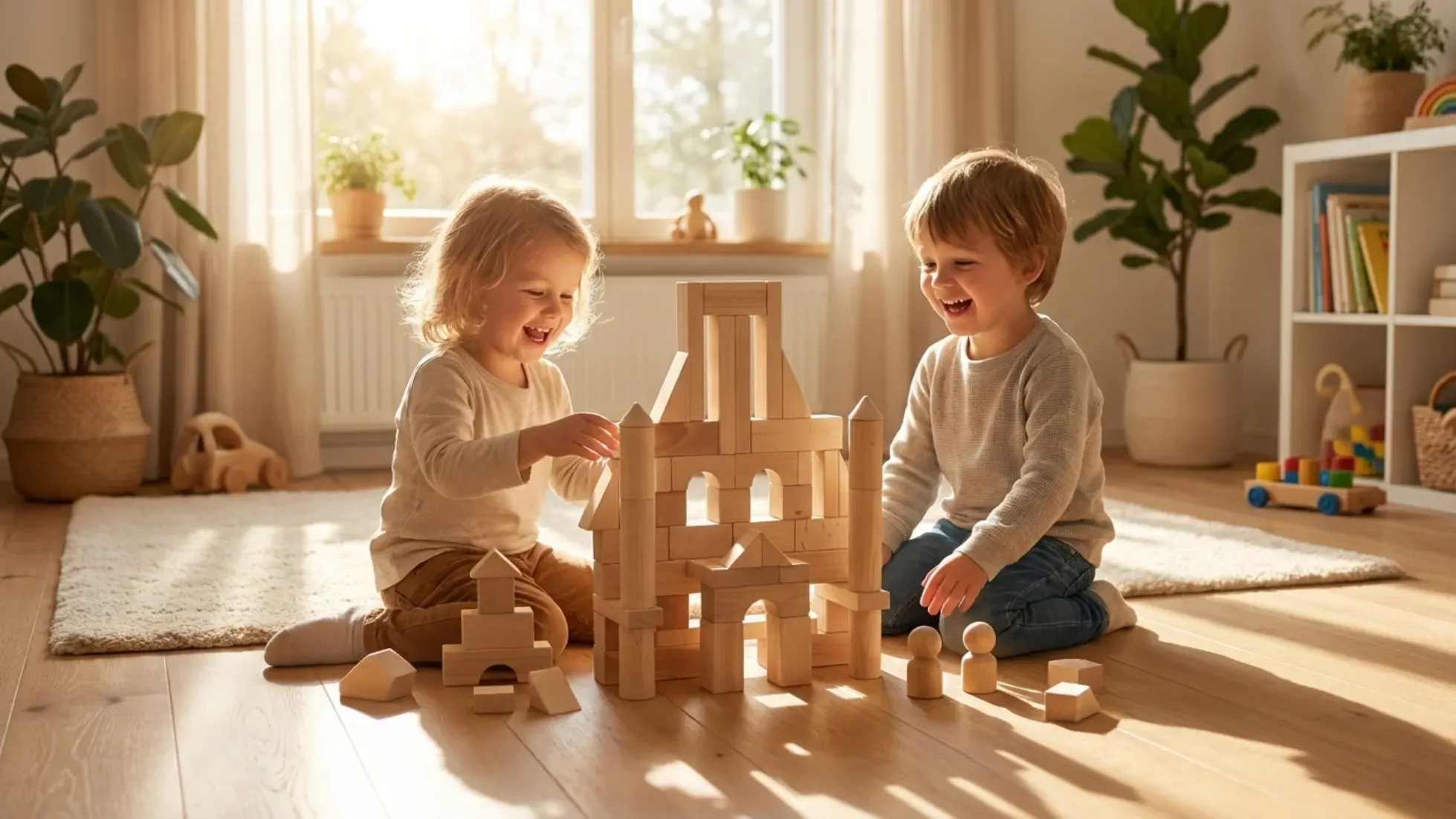
Traditional blocks have simple designs, which allows children to use their imagination.
A few basic blocks can become:
- A house
- A castle
- A city
- A vehicle
Because there are fewer restrictions, traditional blocks encourage open-ended storytelling and creative play.
Which Building Toy Is Better for Different Age Groups?
There is no universal answer because children’s abilities change significantly as they grow.
Choosing the right building toy according to age can provide a better play experience.
Ages 1–3: Traditional Blocks Are Usually More Suitable
For toddlers, traditional blocks are often a better starting point.
At this stage, children are developing:
- Hand coordination
- Basic shape recognition
- Balance skills
Recommended products include:
- Large wooden blocks
- Soft building blocks
- Simple stacking toys
These products are easier for young children to handle and usually have fewer small components.
Ages 3–6: Magnetic Building Blocks Become More Valuable
Preschool children generally have stronger coordination and better understanding of shapes.
Magnetic building blocks can introduce more advanced concepts, including:
- Construction
- Symmetry
- Creative design
- Basic engineering thinking
This age group is also a major market segment for educational toys because parents increasingly look for products that combine learning and entertainment.
Ages 6+: Both Categories Support Advanced Learning
Older children can benefit from both types of building toys.
Traditional construction sets can improve:
- Planning ability
- Detailed construction skills
Magnetic building blocks can support:
- STEM learning
- Complex structures
- Creative experimentation
For this age group, combining both categories can provide a broader learning experience.
How Retailers Should Build Their Building Toy Product Portfolio
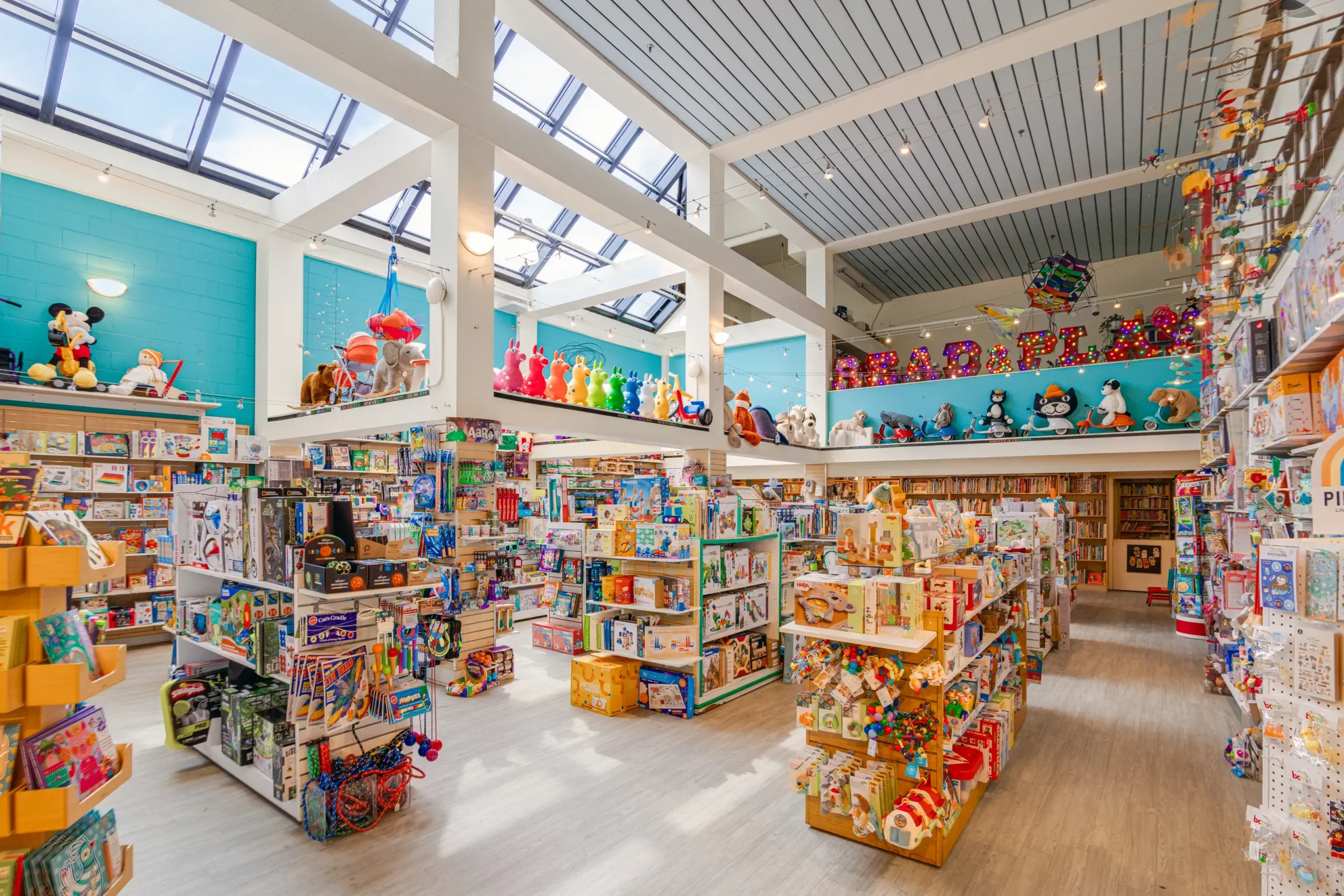
For retailers and wholesalers, magnetic building blocks and traditional blocks should not be viewed as competing products.
They serve different customer needs and age groups.
A balanced product portfolio can help businesses attract more customers.
Offer Products for Different Age Segments
Retailers should consider product segmentation:
Toddlers:
- Large traditional blocks
- Soft construction toys
- Simple stacking products
Preschool children:
- Magnetic building blocks
- Creative construction sets
- Educational building toys
Older children:
- Advanced STEM construction kits
- Complex building sets
This approach helps retailers cover multiple purchasing occasions.
Combine Educational Value with Market Trends
Parents increasingly prioritize toys that provide developmental benefits.
Products with educational positioning, especially STEM toys and construction toys, have stronger appeal among modern consumers.
Retailers can strengthen their product selection by offering toys that combine:
- Fun experiences
- Learning value
- Creative development
Work with Flexible Toy Manufacturers
For businesses, selecting the right supplier is as important as selecting the right products.
A reliable toy supplier should provide:
- Multiple toy categories
- Stable production capacity
- OEM and ODM services
- Quality control
- Packaging customization
Working with an experienced wholesale toy supplier allows retailers to build a complete product line instead of sourcing individual products from different factories.
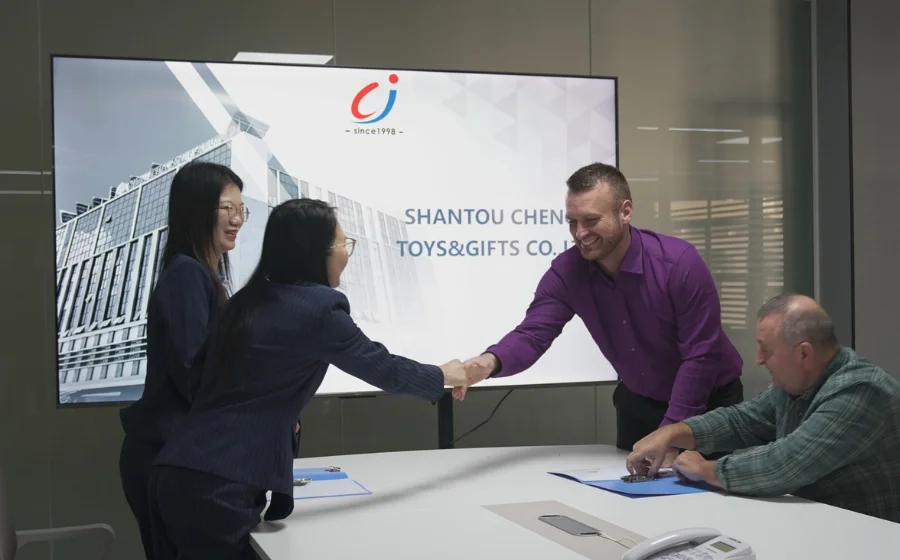
How Chengji Helps Businesses Source Building Toys
For brands, wholesalers, and retailers, developing a competitive building toy collection requires more than finding products.
It requires a manufacturing partner that understands market needs and can provide flexible solutions.
Diverse Building Toy Solutions
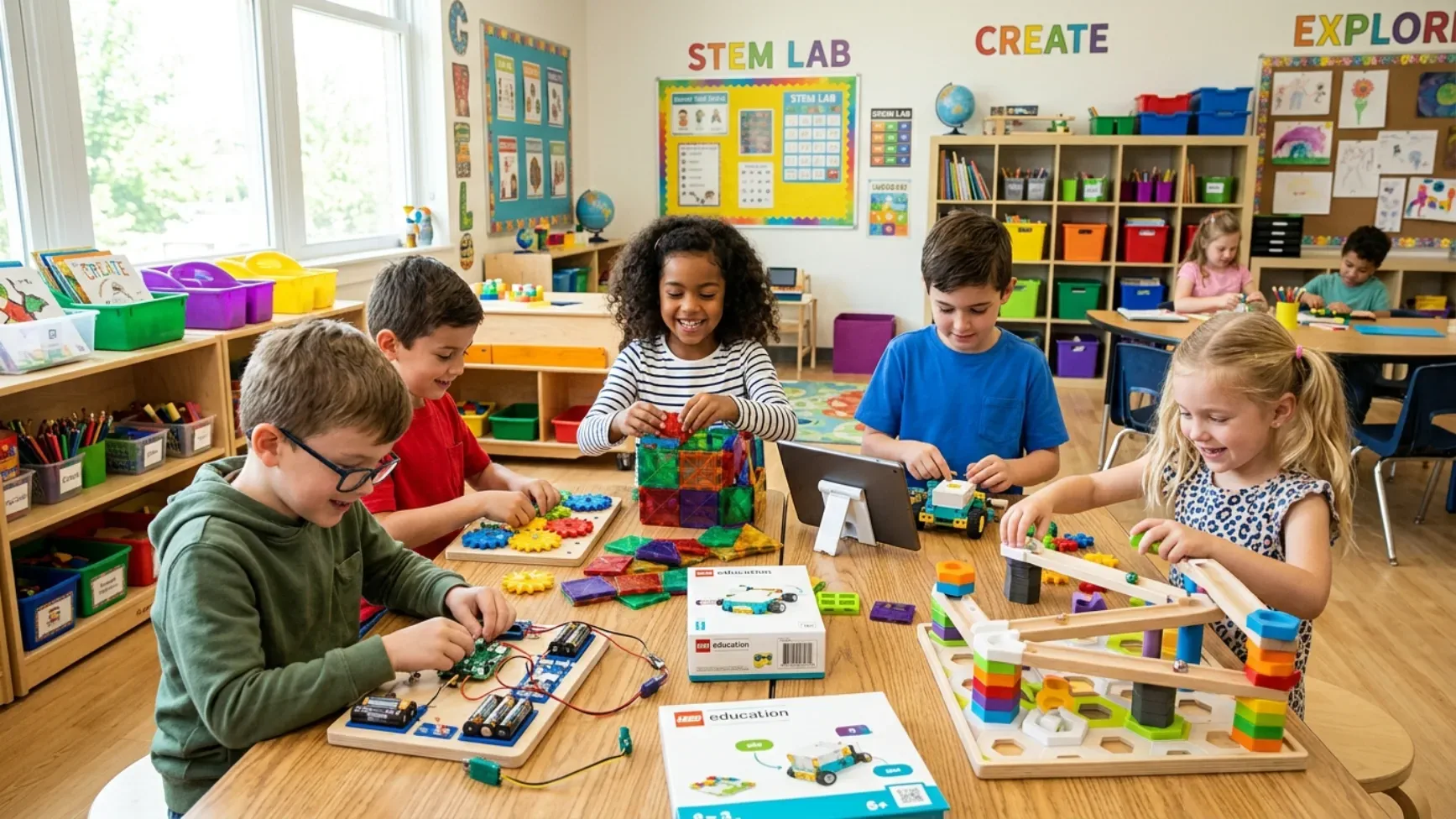
Chengji supports customers with various toy categories, helping businesses develop product lines for different age groups and markets.
From educational toys to creative construction products, Chengji helps buyers source products that match their target customers.
OEM and ODM Customization
Different markets often require different product designs and packaging strategies.
As a custom toy manufacturer, Chengji supports customization including:
- Product design adjustments
- Color customization
- Packaging solutions
- Private-label branding
This helps brands create differentiated products instead of competing only on price.
Reliable Manufacturing and Export Support
A professional supplier should provide consistent production quality and reliable delivery.
Chengji helps customers through:
- Manufacturing coordination
- Quality control
- Bulk production
- Export support
For businesses expanding their building toy categories, working with an experienced toy supplier helps reduce sourcing complexity and improve supply chain stability.
Final Recommendation: Magnetic or Traditional Blocks?
Both magnetic building blocks and traditional blocks provide valuable learning opportunities.
For parents:
- Younger children often benefit more from traditional blocks because they support basic motor skills and coordination.
- Preschool children may gain more from magnetic building blocks because they introduce creativity and STEM concepts.
- Older children can use both types to develop different abilities.
For retailers:
- Do not choose only one category.
- Traditional blocks provide a stable foundation product.
- Magnetic building blocks attract customers looking for educational and innovative toys.
- A balanced product portfolio can serve wider customer groups.
Understanding the differences between these two categories helps both parents and businesses make better decisions.
Frequently Asked Questions
Are magnetic building blocks better than traditional blocks?
Neither is universally better. Magnetic building blocks are stronger for STEM learning and creative construction, while traditional blocks are excellent for developing motor skills and patience.
What age is suitable for magnetic building blocks?
Most magnetic building blocks are suitable for children aged 3 and above, depending on product design and safety requirements.
Are magnetic building blocks educational?
Yes. They help children develop spatial awareness, creativity, problem-solving skills, and early engineering concepts.
Do traditional blocks help child development?
Yes. Traditional blocks support fine motor skills, concentration, imagination, and planning ability.
Should retailers sell both magnetic and traditional building blocks?
Yes. These products target different age groups and customer needs, making them complementary categories in a toy product portfolio.
How can retailers choose the right building toy supplier?
Retailers should evaluate suppliers based on product range, customization capability, quality control, production capacity, and export experience.