When comparing rechargeable vs. AA battery RC toys, the better choice depends on how often customers play, their purchasing budget, and their access to batteries or charging facilities.
Rechargeable RC toys are generally more practical for frequent use, while AA-powered models offer convenient battery replacement and can provide a lower initial purchase price. However, neither option guarantees longer playtime or better performance.
For wholesalers, importers, and retailers, understanding these differences helps identify products that match customer expectations and target price ranges.
What Is the Difference Between Rechargeable and AA Battery RC Toys?
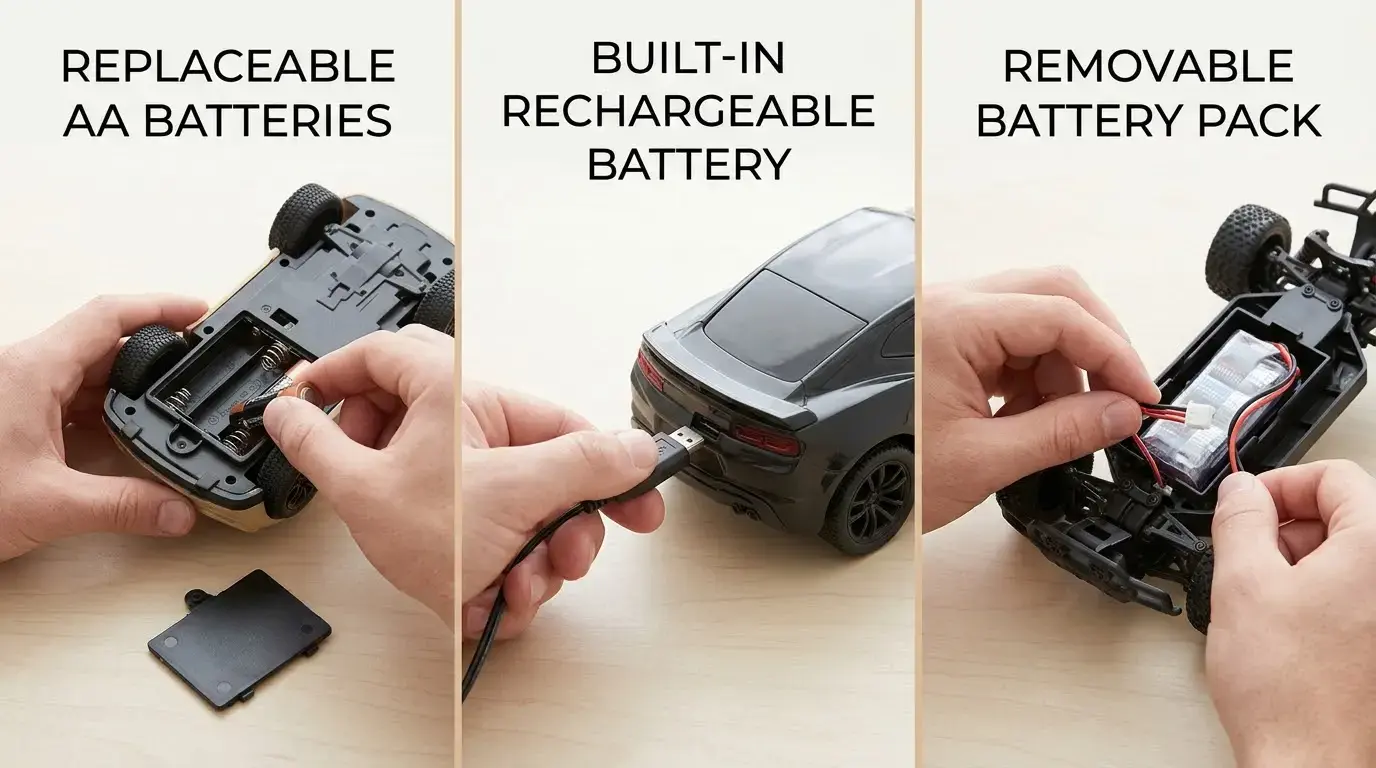
RC toys generally use three common power configurations:
- Replaceable AA batteries: Users insert individual batteries into the toy’s battery compartment and replace them when depleted.
- Built-in rechargeable batteries: The battery remains inside the toy during normal use and is recharged through a designated charging port.
- Removable rechargeable battery packs: Users can remove the rechargeable battery pack for charging or replace it with a compatible spare.
It is important to understand that AA refers to battery size rather than rechargeability. AA battery RC toys may support disposable alkaline batteries, rechargeable AA batteries, or both.
When selecting AA batteries for RC cars, compatibility matters. Standard alkaline AA batteries typically have a nominal voltage of 1.5V, while rechargeable NiMH AA batteries typically provide 1.2V. Check the product specifications before substituting one for the other, as explained in Panasonic’s battery FAQ.
Rechargeable battery packs also differ in chemistry and operating characteristics. Our guide to RC toy battery types provides a more detailed comparison of NiMH, Li-ion, and LiPo batteries.
Rechargeable vs AA Battery RC Toys: Key Differences
The main differences between rechargeable and AA-powered RC toys involve purchase price, operating costs, convenience, performance, and maintenance.
| Comparison | Rechargeable RC Toys | AA Battery RC Toys |
|---|---|---|
| Initial price | May be higher | Can offer a lower entry price |
| Running cost | Repeated charging; eventual battery replacement | Recurring purchases when using disposable batteries |
| Playtime | Depends on battery capacity and power consumption | Depends on battery type, capacity, and power consumption |
| Restoring power | Recharge or install a compatible charged battery pack | Replace depleted batteries |
| Performance | Can support products designed for higher power demands | Depends on battery and motor specifications |
| Battery replacement | May be difficult with built-in batteries | Standard batteries are generally easier to replace |
| Maintenance | Charging and battery aging | Battery replacement and leakage prevention |
| Shipping | Lithium batteries may require additional shipping arrangements | Depends on battery chemistry and shipping configuration |
Initial Price vs Long-Term Running Cost
AA-powered models can be attractive to customers who prioritize affordability or only use their toys occasionally.
However, frequent battery replacement increases operating costs when disposable batteries are used. Rechargeable RC cars can reduce this recurring expense, although charging accessories and eventual battery replacement also contribute to ownership costs.
For retailers, a lower product purchase price does not necessarily translate into better value for the end customer.
Playtime, Charging Time and Performance
RC toy battery life should be evaluated in terms of both runtime per charge or battery set and the battery’s overall service life.
A rechargeable toy is not automatically faster or longer-lasting than an AA-powered model. Performance depends on the motor, battery output, electronic design, and operating conditions.
AA-powered toys allow users to resume playing by installing fresh batteries. Rechargeable models require charging unless a compatible, fully charged replacement battery pack is available.
Battery Replacement and Maintenance
Built-in rechargeable batteries simplify routine charging but may be difficult to replace when their capacity declines. Removable battery packs offer greater flexibility if compatible replacements remain available.
AA batteries are generally easier to replace. However, removable batteries should not be left inside unused toys for extended periods, as leakage may damage electrical contacts. Customers should also follow the product’s battery installation and charging instructions.
Which Type of RC Toy Is Better for Your Market?
The right battery configuration depends more on customer behavior and sales conditions than on geographic location alone.
| Target Market or Sales Scenario | Recommended Direction |
|---|---|
| Budget-conscious consumers | Compare affordable AA-powered and entry-level rechargeable models |
| Occasional users | Consider AA-powered RC toys |
| Frequent users | Prioritize rechargeable RC toys |
| Gift and seasonal purchases | Prioritize ready-to-play packaging |
| Performance-oriented customers | Consider rechargeable battery packs suited to the product’s power requirements |
| Markets with limited charging access | Consider AA-powered models where compatible batteries are readily available |
Gift buyers, for example, may value immediate usability more than long-term operating costs. A rechargeable toy supplied with a charging cable may still require charging before first use, while an AA-powered toy may require a separate battery purchase.
For a broader retail assortment, offering both configurations can address different budgets and usage preferences.
Battery configuration is only one part of product positioning. Our guide to choosing the right RC cars for your market covers additional considerations for matching products to sales channels and customer segments.
What Should Buyers Check Before Stocking RC Toys?
An RC toy’s power configuration affects packaging requirements, customer experience, and potential after-sales support.
Before placing a wholesale order, confirm the following details:
| Specification | What to Confirm |
|---|---|
| Toy battery | Battery type, voltage, and capacity |
| Controller battery | Battery type and quantity required |
| Package contents | Whether batteries and charging accessories are included |
| Runtime | Expected playtime under stated operating conditions |
| Charging time | Time required to recharge the battery |
| Replacement options | Availability of compatible replacement batteries |
| Shipping documentation | Applicable documentation for battery-powered products |

A rechargeable RC car may still require disposable batteries for its remote controller. This distinction should be clearly communicated on product listings and packaging to prevent unexpected purchases after delivery.
For products containing lithium batteries, buyers should also confirm applicable transportation requirements with their supplier and logistics provider. IATA’s battery transport guidance explains the importance of battery configuration and specifications in air transportation.
Source Rechargeable and AA Battery RC Toys with Chengji
Chengji Toys helps wholesalers, importers, and retailers source RC toys through its partner-factory network. Our product range includes RC racing cars, drift cars, stunt cars, remote-controlled animals, and other RC toys.
Available product configurations include AA-powered racing trucks, Type-C rechargeable desktop drift cars, and RC cars with replaceable battery packs.
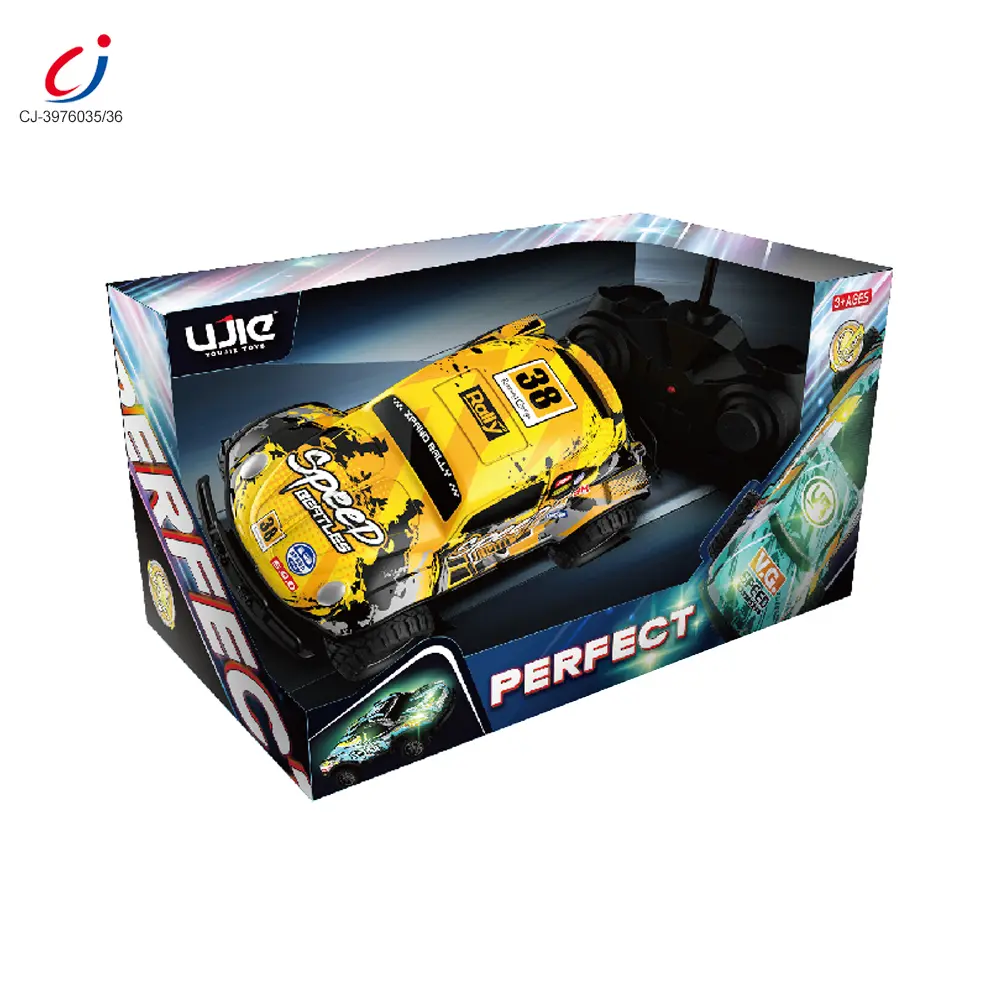
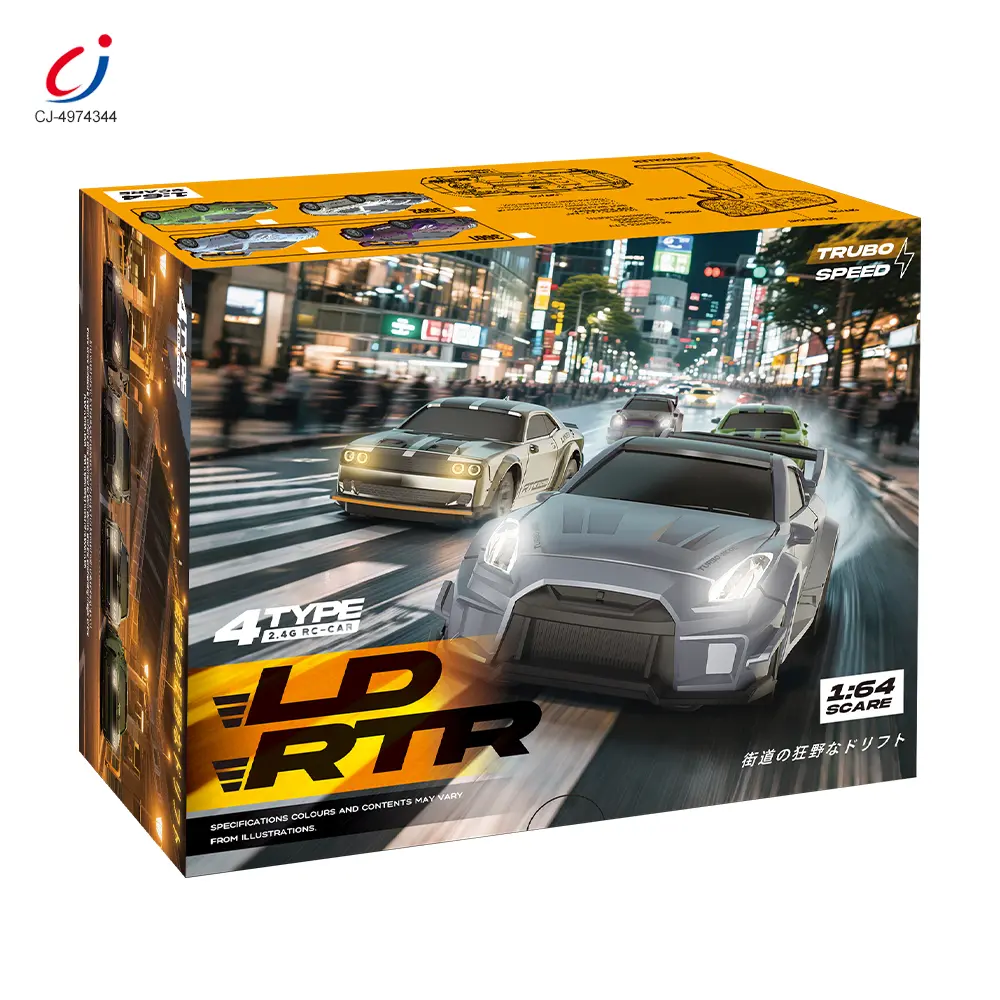
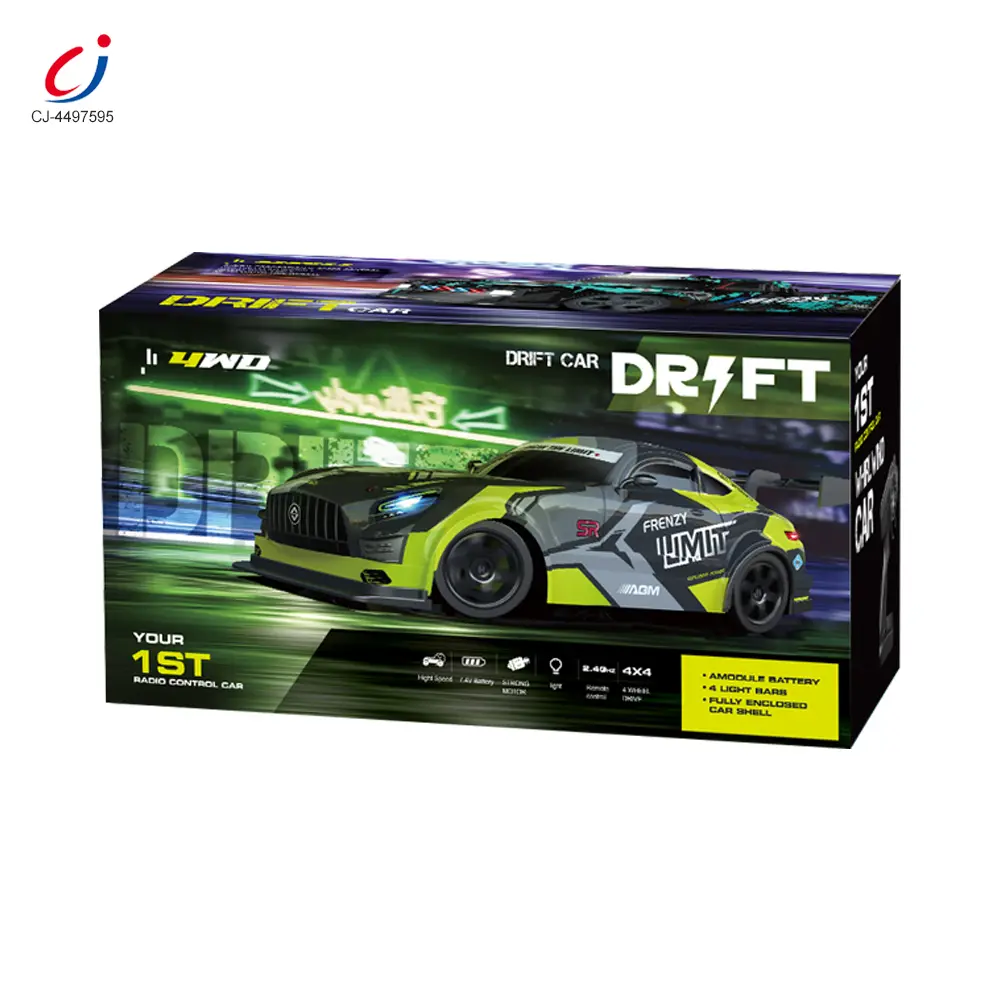
Whether you are building an affordable toy assortment or introducing rechargeable products for frequent use, Chengji can help shortlist suitable options based on your target market, price range, and product requirements.
Explore our wholesale RC toys or discuss your preferred battery configurations with our team to find products suited to your business.