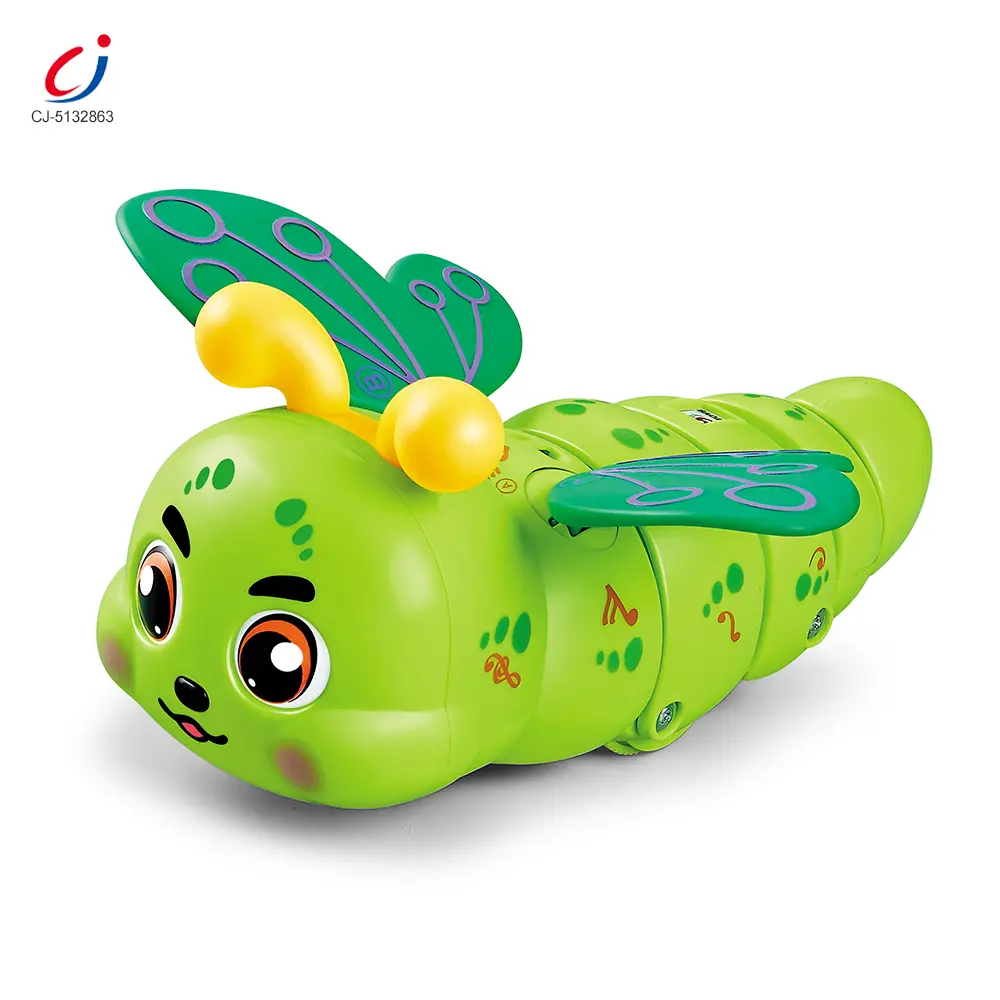
Wooden and plastic pretend play toys both offer valuable opportunities for children to explore everyday activities through imaginative play. From miniature kitchen sets and toy food to doctor kits and tool sets, each material brings different practical advantages.
Wooden toys are often associated with a natural appearance, solid construction, and a tactile play experience. Plastic toys, on the other hand, offer lightweight designs, bright colors, and greater flexibility in shape and detail.
But which material is better for kids?
There is no universal answer. The right choice depends on the toy’s intended use, the child’s age, product construction, and how the toy will be cleaned and maintained. Understanding these differences can help parents choose more suitable toys and help buyers build a more balanced pretend play product range.
What Makes Wooden and Plastic Pretend Play Toys Different?
The main difference lies in their material properties and how manufacturers use them in toy design.
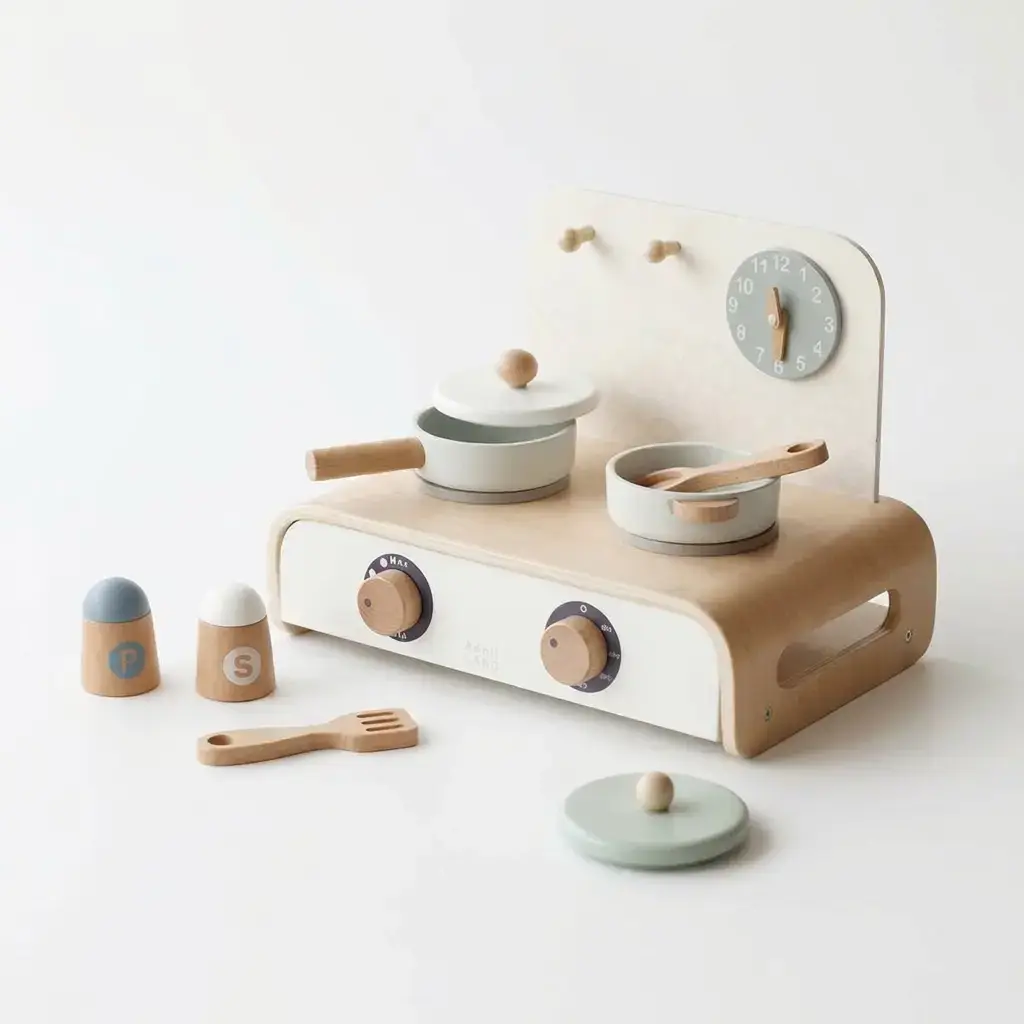
Wooden pretend play toys are commonly made from solid wood, plywood, or engineered wood. They are frequently used for play kitchens, dollhouse furniture, toy food, and other accessories where a solid structure and natural finish are desirable.
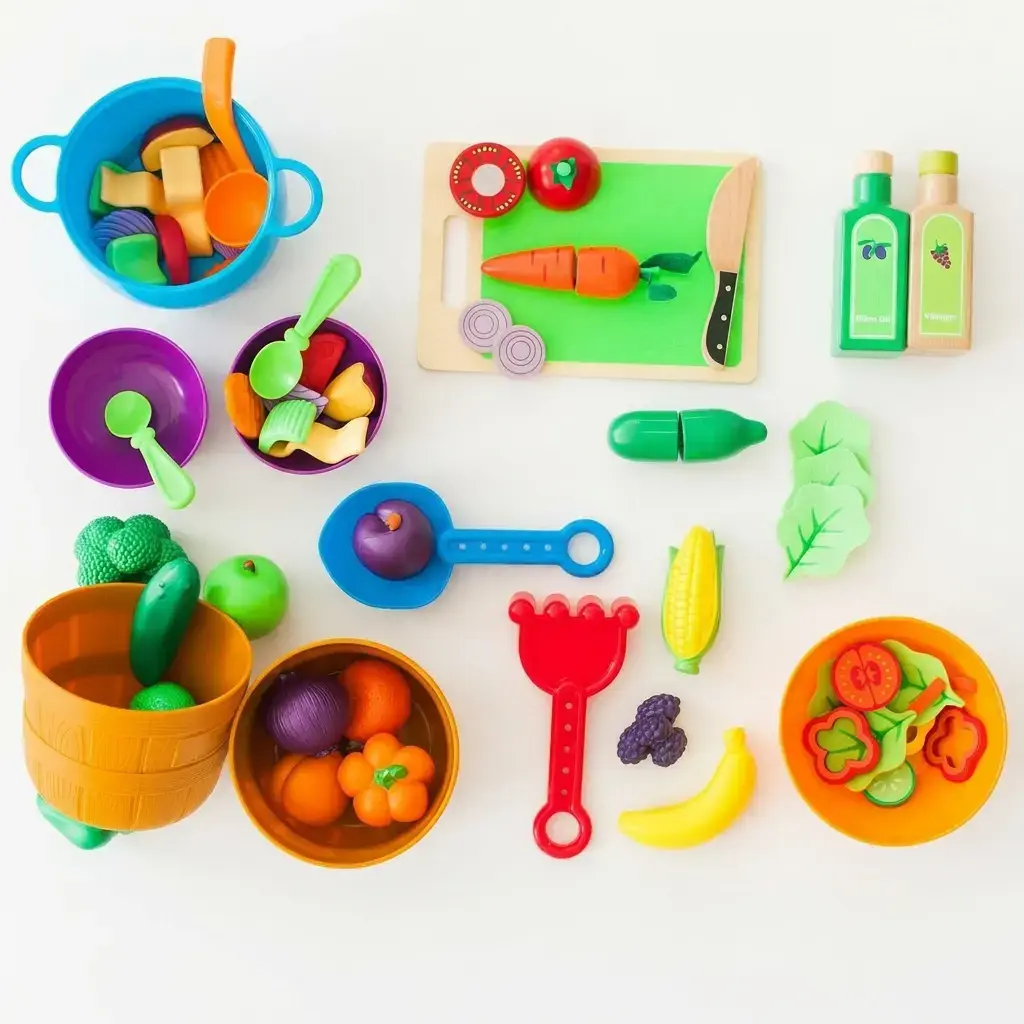
Plastic pretend play toys are typically produced through molding processes using different types of plastic. They are common in doctor kits, toy tools, kitchen accessories, play food, and electronic pretend play products because plastic can accommodate complex shapes, multiple colors, and lightweight components.
Neither material automatically guarantees better quality or safety. The actual performance depends on the material grade, manufacturing process, surface treatment, structural design, and quality control.
Wooden vs. Plastic Pretend Play Toys: Key Differences Compared
| Comparison Factor | Wooden Pretend Play Toys | Plastic Pretend Play Toys |
|---|---|---|
| Weight | Generally heavier and more solid | Usually lighter and easier to carry |
| Durability | Can last for years with proper construction and maintenance | Durable in everyday use, but some products may crack under impact |
| Appearance | Natural textures and traditional designs | Wide range of colors, shapes, and surface details |
| Play Experience | Solid, tactile feel | Lightweight and often more interactive |
| Design Flexibility | Better suited to simple, structured shapes | Supports complex shapes and detailed components |
| Cleaning | Requires care to prevent moisture damage | Generally easier to wipe and wash, depending on construction |
| Water Resistance | Can be affected by prolonged moisture exposure | Often more resistant to water |
| Portability | Larger wooden sets can be difficult to move | Lightweight accessories are easier for children to handle |
These are general characteristics rather than guarantees. A well-designed plastic toy may outlast a poorly constructed wooden one, while a high-quality wooden toy can provide years of use.
Benefits of Wooden Pretend Play Toys for Kids
Wooden toys remain popular in pretend play because of their solid construction and natural appearance. They are particularly suitable for products that benefit from a stable structure and a tactile play experience.
1. Solid Construction for Long-Term Play
Wooden play kitchens, dollhouse furniture, and toy storage units often have sturdy structures. When properly manufactured and maintained, they can withstand repeated everyday play.
This makes wooden toys suitable for play environments where children frequently handle, arrange, and reuse the same accessories.
However, durability depends on more than the material itself. Wood quality, joint construction, surface finishing, and component thickness all influence product lifespan.
2. Natural Appearance and Tactile Experience
Wood has a distinctive texture and appearance that differs from molded plastic. Its natural grain and solid feel can make pretend play environments look more realistic and visually consistent.
For example, a wooden kitchen set or miniature dining table can create a more traditional home-play atmosphere.
3. Suitable for Simple, Structured Designs
Wood works particularly well for products with relatively simple shapes and stable structures, such as:
- Miniature kitchen cabinets and tables
- Dollhouse beds, chairs, and furniture
- Wooden toy food
- Pretend play storage and organization accessories
These products do not always require intricate molded details, making wood a practical material choice.
4. Can Support Repeated Use
A well-made wooden toy can remain functional across different play sessions and may be suitable for reuse or passing down to younger children.
Nevertheless, buyers should pay attention to surface wear, loose joints, cracks, and splinters. Damaged wooden toys should be repaired appropriately or removed from use.

Benefits of Plastic Pretend Play Toys for Kids
Plastic is widely used in pretend play products because it offers design flexibility, convenient handling, and practical maintenance.
1. Lightweight and Easy to Handle
Plastic accessories are generally lighter than comparable wooden products. This makes them easier for young children to pick up, carry, arrange, and put away.
For example, plastic doctor kits may include toy stethoscopes, thermometers, syringes, and other accessories. A lightweight design allows children to move these items between different play areas.
2. More Flexible Colors and Shapes
Plastic molding allows manufacturers to produce products with varied shapes, colors, and surface details.
This is useful for pretend play categories that rely on recognizable accessories or realistic visual features, including:
- Doctor and medical kits
- Toy tools and repair sets
- Kitchen utensils and appliances
- Toy food with detailed shapes and colors
- Cash registers and interactive play accessories
Some designs can also incorporate movable parts or electronic functions, depending on the product requirements.
3. Convenient Cleaning and Maintenance
Many plastic toys can be cleaned by wiping their surfaces with a suitable damp cloth. Some simple, non-electronic plastic accessories may also be washable.
However, not every plastic toy should be immersed in water. Products with batteries, electronic components, stickers, or multiple connected parts may require specific cleaning instructions.
4. Suitable for Portable Pretend Play Sets
Because plastic accessories are often lightweight, they work well in portable kits and products containing multiple small components.
Children can carry a doctor kit, toy tool set, or shopping accessories from one room to another. This flexibility makes plastic a practical option for pretend play products designed for frequent movement and varied scenarios.
Which Material Is Better for Different Pretend Play Sets?
Rather than choosing one material for every product, it is more useful to evaluate the specific requirements of each pretend play category.
| Pretend Play Category | Suitable Material Considerations | Why It Matters |
|---|---|---|
| Kitchen Sets | Wood for cabinets and furniture; plastic for utensils and accessories | Furniture benefits from a stable structure, while accessories benefit from lightweight handling and detailed shapes |
| Doctor Sets | Plastic is commonly practical | Medical accessories often require lightweight designs and recognizable details |
| Dollhouses | Wood for furniture and structural components; plastic for detailed accessories | Different components have different requirements for stability and design flexibility |
| Tool Sets | Plastic for many handheld tools; wood for selected larger components | Lightweight accessories are easier to handle, while wooden components can provide a solid feel |
| Toy Food | Both materials can work | Wood offers a solid tactile experience, while plastic supports varied colors and detailed food shapes |
Are Wooden or Plastic Pretend Play Toys Safer?
Neither wood nor plastic is inherently safer. A toy’s safety depends on its design, materials, manufacturing quality, and suitability for the child’s age.
Parents and buyers should evaluate the following factors.
Safety Considerations for Wooden Toys
- Smooth surfaces: Check for splinters, rough edges, cracks, and exposed wood fibers.
- Non-hazardous finishes: Paints, coatings, and other surface treatments should be appropriate for children’s products and meet applicable requirements.
- Secure construction: Furniture, handles, and attached components should not loosen easily during normal play.
- Appropriate size: Small wooden accessories may present choking risks for younger children.
Safety Considerations for Plastic Toys
- Material suitability: Plastic materials and additives should comply with the relevant requirements for the intended market and product category.
- Structural integrity: Check for cracks, sharp broken edges, and weak connection points.
- Small components: Detachable accessories should be suitable for the intended age group.
- Surface quality: Poorly finished edges or protruding parts can create avoidable hazards.
For products sold in the United States, buyers should consider applicable requirements under ASTM F963, which is incorporated into the federal toy safety regulations in 16 CFR Part 1250. Other markets have their own applicable toy safety requirements.
Age grading and product-specific testing also matter. For example, toys intended for children under three must be evaluated for hazardous small parts under applicable regulations.
The key point is simple: choosing wood instead of plastic does not eliminate safety risks. Buyers should assess the complete product, including its components, coatings, assembly, and intended age range.
How to Choose Between Wooden and Plastic Pretend Play Toys
The right material depends on the product’s purpose and the needs of its intended users. Consider these questions before making a purchase.
1. What Is the Intended Age Group?
Younger children may need lightweight products that are easy to grasp and handle. Regardless of material, avoid toys with unsuitable small parts, weak connections, or poorly finished surfaces.
For older children, more detailed accessories and complex pretend play scenarios may be appropriate.
2. What Type of Play Experience Do You Want?
If the product is designed around furniture, structured environments, or a natural appearance, wood may be suitable.
If it requires colorful accessories, intricate shapes, or lightweight handheld components, plastic may be more practical.
3. How Will the Toys Be Cleaned and Maintained?
Plastic accessories are often easier to wipe clean, while wooden toys need more care around moisture and surface coatings.
For products used in childcare centers, preschools, or shared play environments, cleaning instructions should be considered during product selection.
4. Is a Combination of Materials More Practical?
A pretend play set does not need to use only one material.
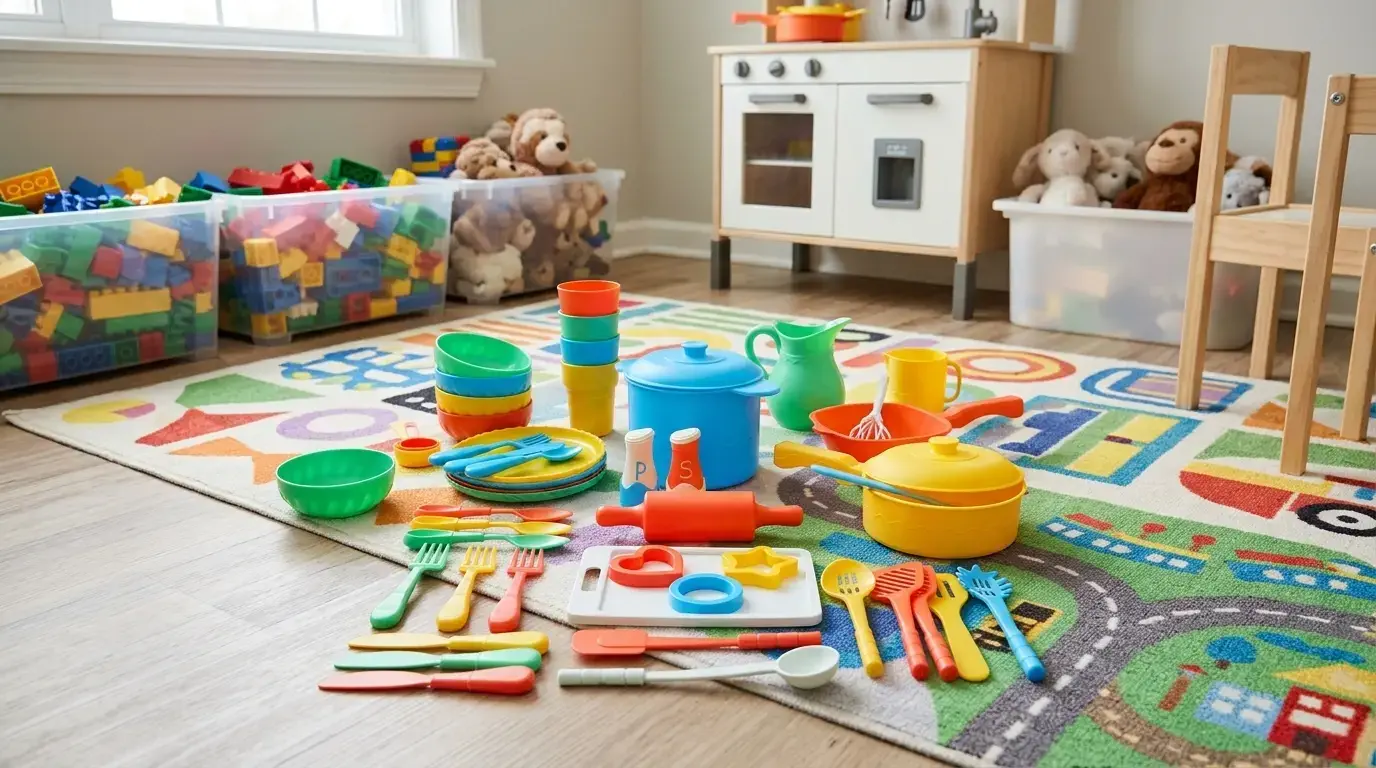
For example, a kitchen set could combine wooden cabinets with plastic utensils and food accessories. A dollhouse could use wooden furniture alongside plastic decorative components.
This approach allows each component to use a material suited to its function.

Conclusion
Wooden and plastic pretend play toys each offer distinct advantages. Wood is often suitable for stable furniture, natural-looking designs, and tactile play experiences. Plastic is practical for lightweight accessories, colorful designs, and products requiring detailed molded components.
Neither material is automatically better or safer. Product construction, material quality, surface finishing, age suitability, and maintenance requirements should guide the final decision.
For parents, the best choice is the toy that fits the child’s age and play needs. For retailers, wholesalers, and distributors, offering a combination of wooden and plastic pretend play products can help address different customer preferences and product applications.
About Chengji Toys
Chengji Toys supports global toy buyers with product sourcing and supply-chain coordination across a network of more than 3,000 partner factories and a catalog of over 1,000,000 products.
For buyers developing a pretend play collection, Chengji can help match product requirements with suitable suppliers, coordinate production and delivery, and arrange quality inspections and testing based on product specifications and target markets.
Whether you are sourcing wooden kitchen sets, plastic doctor kits, dollhouse accessories, or mixed-material pretend play collections, Chengji helps wholesalers, distributors, importers, and retailers coordinate product sourcing and customization through a one-stop supply-chain service.
FAQs
Are wooden pretend play toys more durable than plastic ones?
Not necessarily. Well-constructed wooden toys can last for years, but their durability depends on wood quality, joints, and surface finishing. Plastic toys can also be durable, although some products may crack under strong impact. Construction quality matters more than material alone.
Are plastic pretend play toys safe for toddlers?
Plastic pretend play toys can be suitable for toddlers when they are designed and tested for the intended age group. Buyers should check material compliance, small detachable parts, sharp edges, and applicable toy safety requirements. Always follow the product’s age recommendations and warnings.
Can wooden and plastic pretend play toys be used together?
Yes. Combining materials can make a pretend play set more practical. For example, wooden kitchen furniture can be paired with plastic utensils, plates, and toy food. The materials should be compatible with the product’s design and intended use.
How should wooden and plastic pretend play toys be cleaned?
Plastic toys can often be wiped with a damp cloth and a suitable mild cleaning solution, depending on the manufacturer’s instructions. Wooden toys should generally be cleaned with a slightly damp cloth and dried promptly. Avoid soaking wooden components or immersing electronic toys in water. Always follow the product-specific care instructions.