Since the label “STEM” has been abused in the toy market, wholesalers, distributors, and brand owners often find this label too vague to support real purchasing decisions and selling strategies.
The problem is structural. Robotics kits, magnetic building blocks, and math learning tools are all categorized as STEM toys, yet these types of STEM toys differ significantly in manufacturing complexity, pricing logic, and after-sales requirements. Treating them as one category leads to predictable issues: mismatched inventory, unclear positioning, and unstable margins.
The objective of this guide is to break them into operational categories that buyers can actually use to make sourcing decisions.
What Defines a Real STEM Toy
Core Characteristics of a Real STEM Toy
A functional STEM toy is defined less by its label and more by its design logic. Across categories, effective products typically share three traits:
- Active engagement: the user participates, rather than presses a button
- Problem-solving requirement: outcomes are not immediate or automatic
- Scalable complexity: the toy can support progression in difficulty
These characteristics determine whether a product delivers repeat play value or becomes a one-time novelty.
Why This Matters for Buyers
For B2B buyers, these design traits translate directly into commercial outcomes:
- Better engagement → higher customer satisfaction
- Higher replay value → lower return rates
- Scalable complexity → longer product lifecycle
This is why experienced buyers often work with a STEM toy factory-direct supplier that understands not only production, but also product design logic and market fit.
Type 1. Robotics STEM Toys
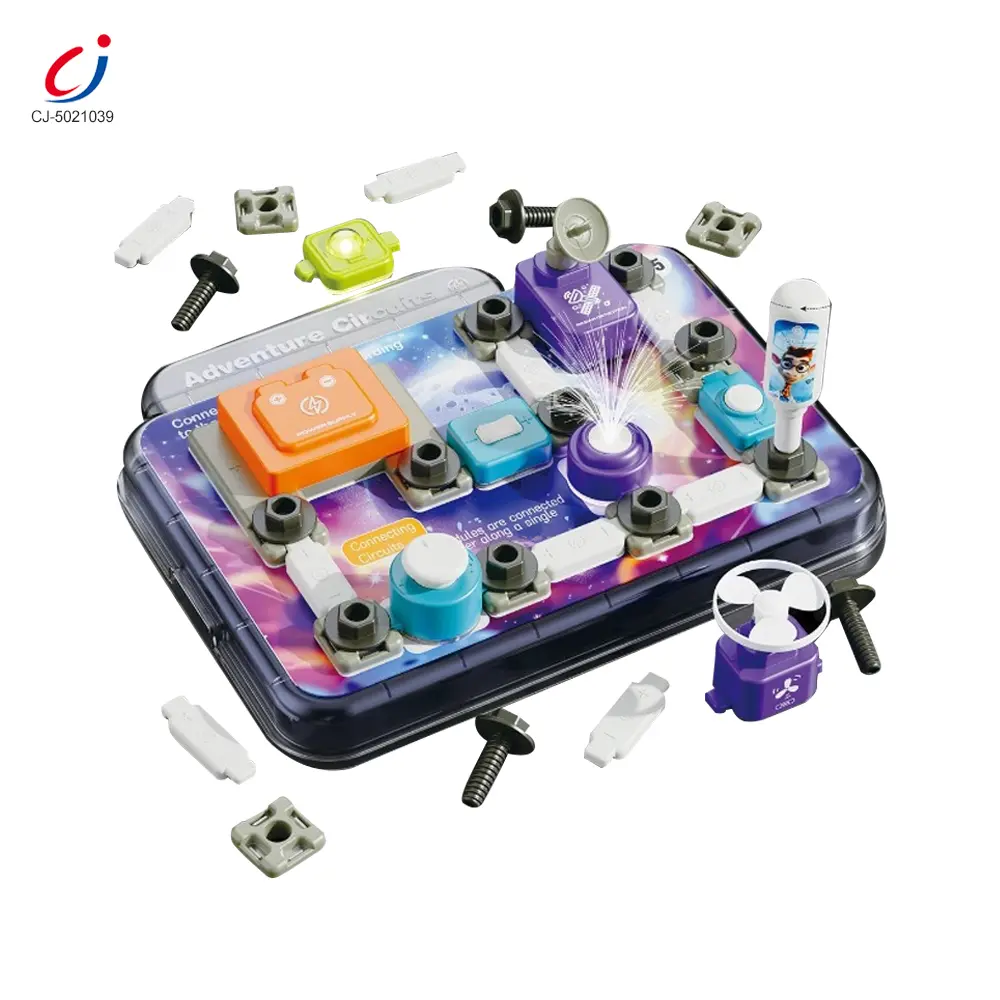
Robotics STEM toys are system-based products built from:
- motors
- sensors
- control boards
- structural components
These elements work together to create programmable or semi-autonomous functions.
Learning Value of Robotics STEM Toys
Robotics toys integrate multiple disciplines:
- mechanical engineering
- electronics
- logical sequencing
- system interaction
They are designed to simulate real-world engineering environments in simplified form.
Buyer Considerations
Robotics products are typically positioned in higher price segments, but they also introduce operational complexity:
- Higher defect sensitivity due to electronics
- Need for stable firmware or app systems
- Increased after-sales support
This category is suitable for buyers targeting premium markets or education-focused channels. For consistent output, many brands rely on a custom STEM toy manufacturer capable of handling electronics integration and OEM development.
Type 2. Coding STEM Toys
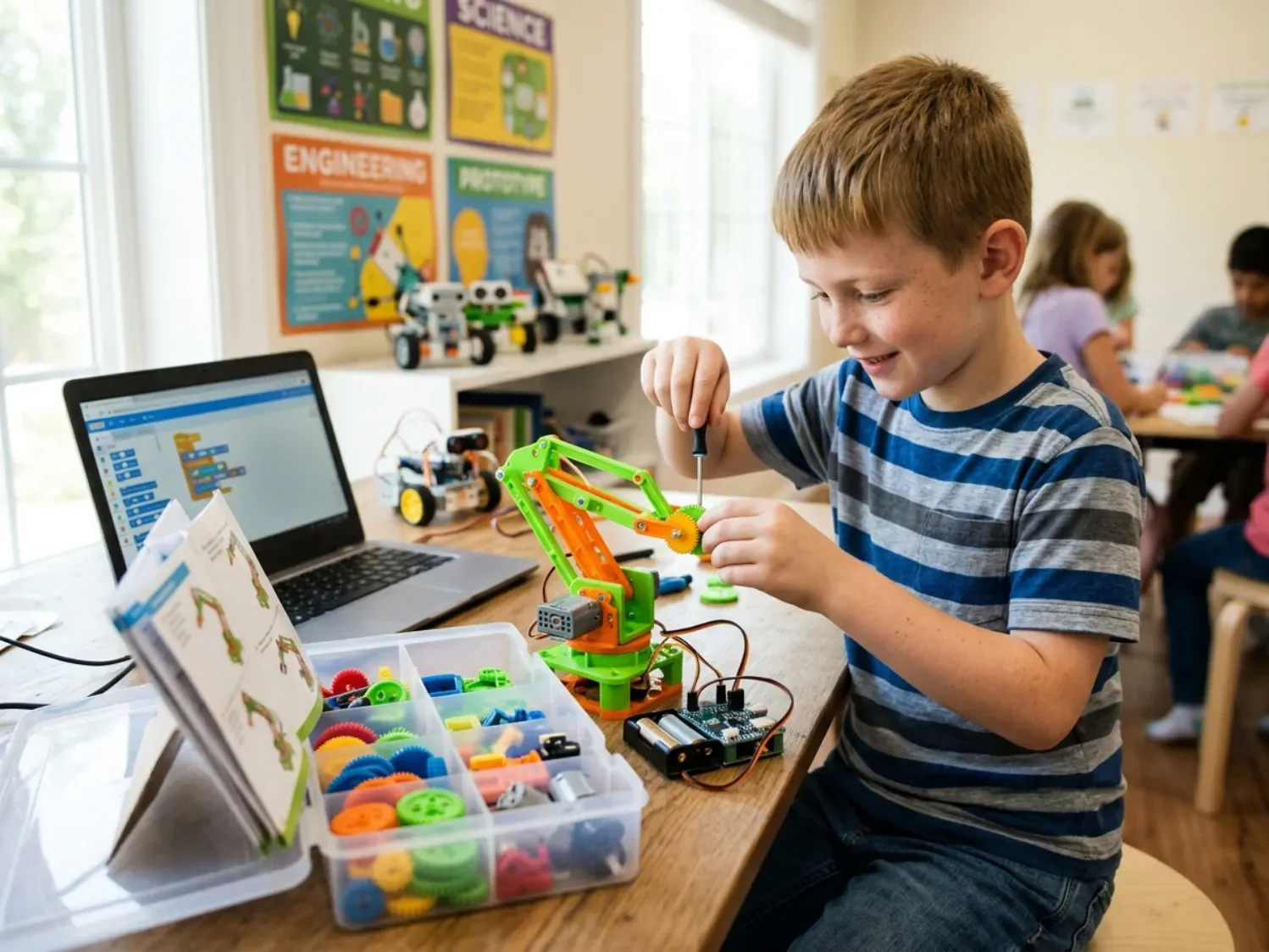
Coding toys fall into several formats:
- app-based programmable robots
- screen-free logic coding kits
- step-sequencing boards
They reduce complexity by focusing on instruction logic rather than mechanical systems.
What is the Value of Coding STEM Toys
Coding toys develop:
- logical sequencing
- algorithmic thinking
- cause-and-effect reasoning
The user interacts with instructions rather than physical construction.
Market & Localization Challenges
Coding toys perform well in structured education markets, but they require localization:
- language adaptation
- curriculum compatibility
- app ecosystem adjustments
Buyers entering multiple markets often need a wholesale STEM toy supplier that can support these variations without rebuilding the product from scratch.
Type 3. Engineering STEM Toys
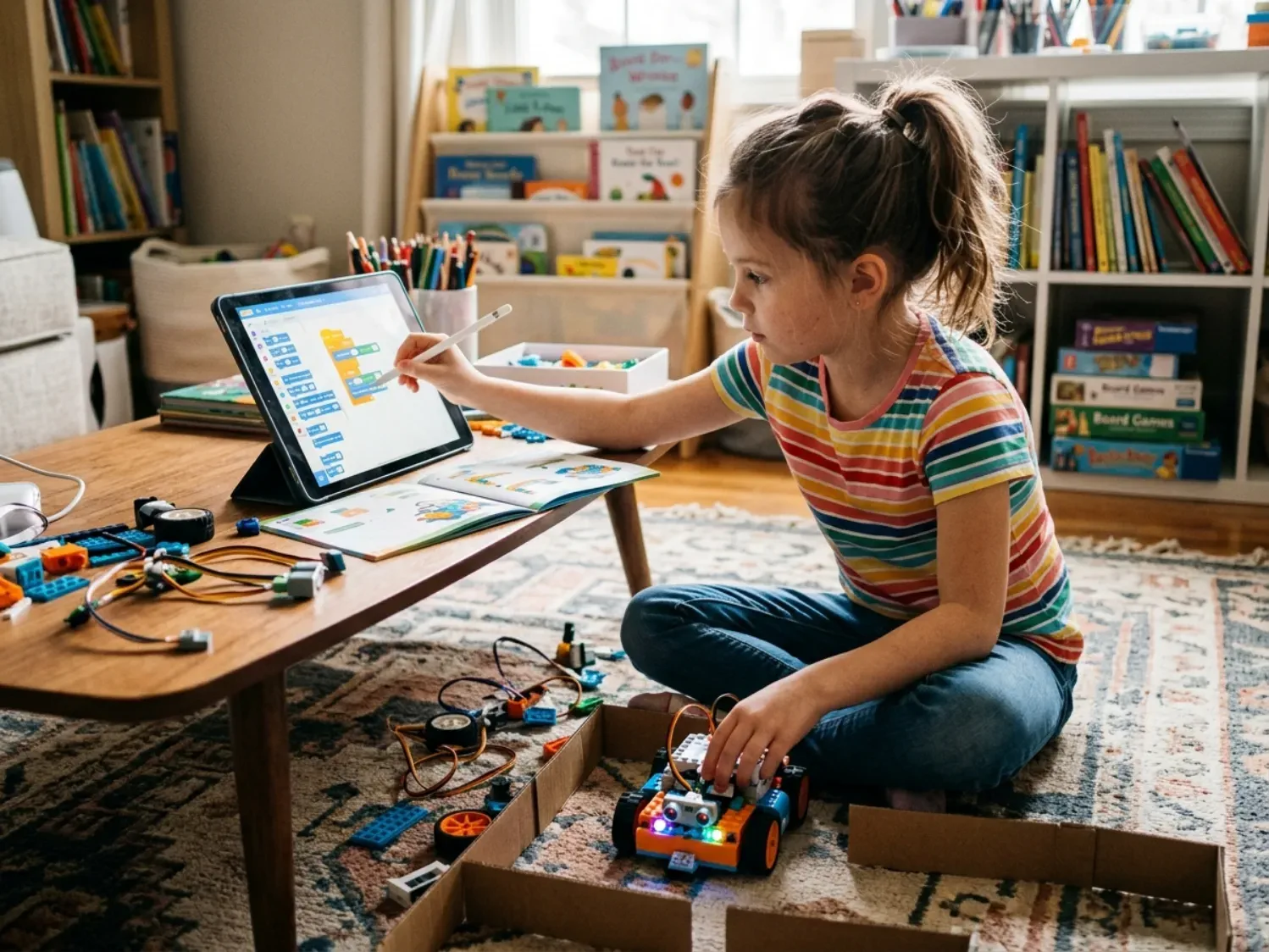
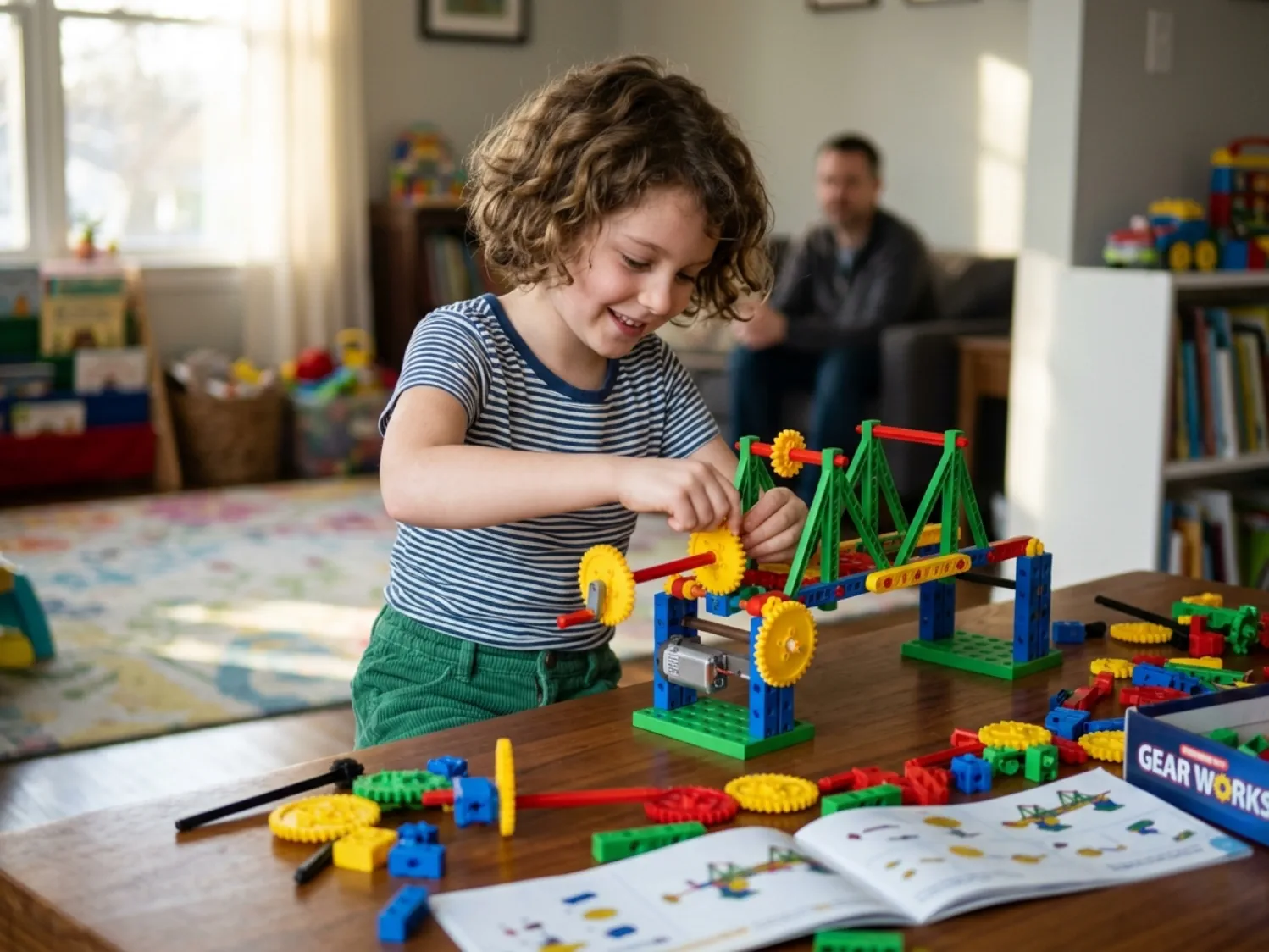
Engineering toys include:
- magnetic building blocks
- plastic construction systems
- gear-based kits
- structural building sets
These products are typically modular and open-ended.
How Engineering STEM Toys Benefit Kids
They focus on:
- spatial reasoning
- balance and structure
- design iteration
- creative problem-solving
The feedback loop is direct: build → test → adjust → rebuild.
Commercial Strength
Engineering toys are the most stable STEM category for wholesale:
- broad age applicability
- low technical complexity
- strong repeat play value
- scalable product lines
From a manufacturing standpoint, they benefit from mature injection molding processes and predictable quality control. A reliable STEM toy supplier can support bulk production, private labeling, and SKU expansion efficiently.
Type 4. Science Kits
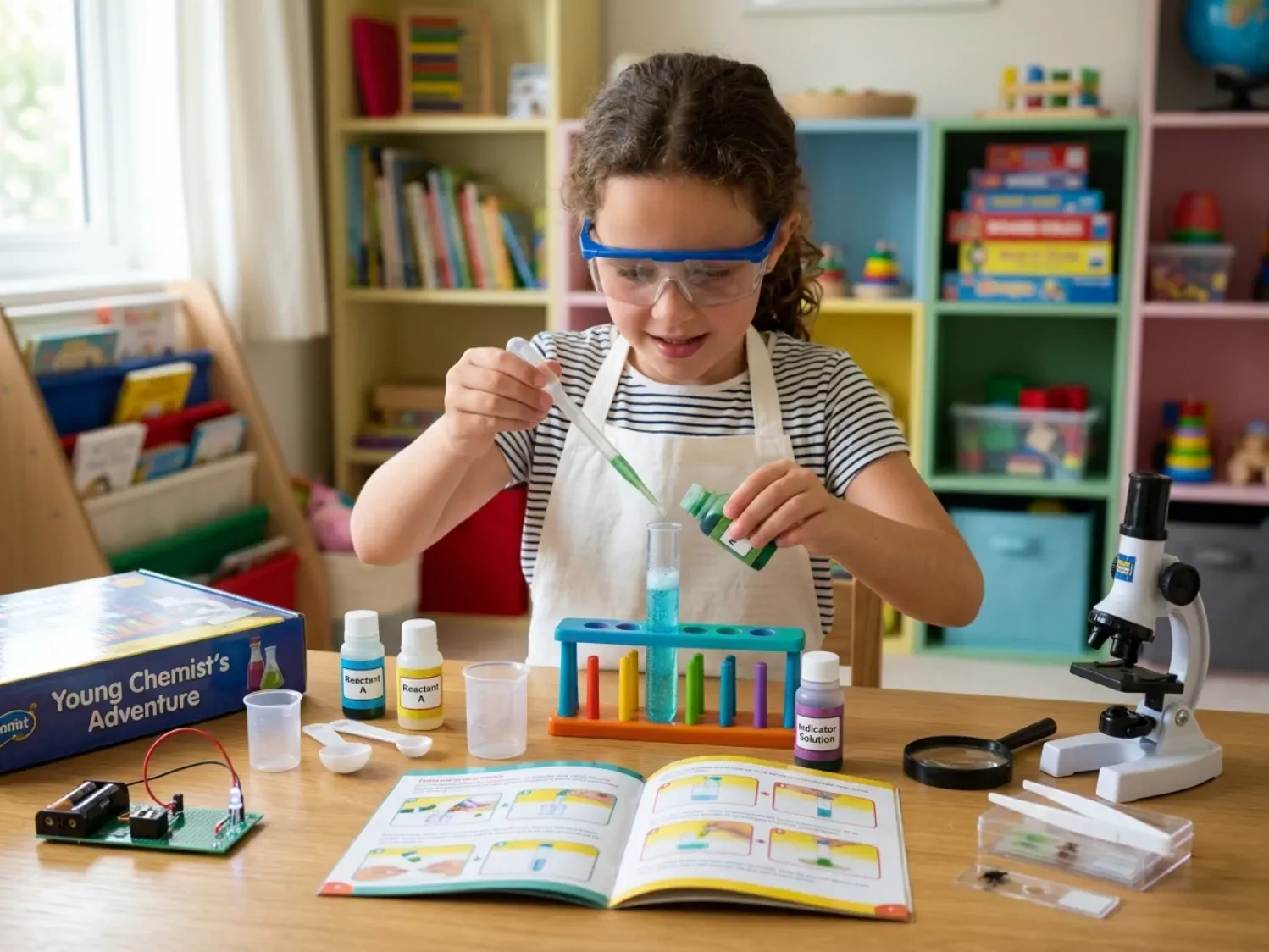
Science kits include:
- chemistry experiment kits
- physics demonstration sets
- biology exploration tools
They are typically structured around guided activities.
Learning Value of Science Kits
Science kits emphasize:
- experimentation
- observation
- hypothesis testing
- analytical thinking
They bridge the gap between theory and application.
Compliance & Risk
Science kits introduce higher compliance requirements than most STEM categories:
- material safety verification
- regulatory certifications (EN71, ASTM, CPSIA)
- clear usage instructions and labeling
Improper compliance can block entire shipments. This risk can be mitigated by working with a wholesale STEM toy supplier that provides full documentation and testing support.
Type 5. Mathematics STEM Toys
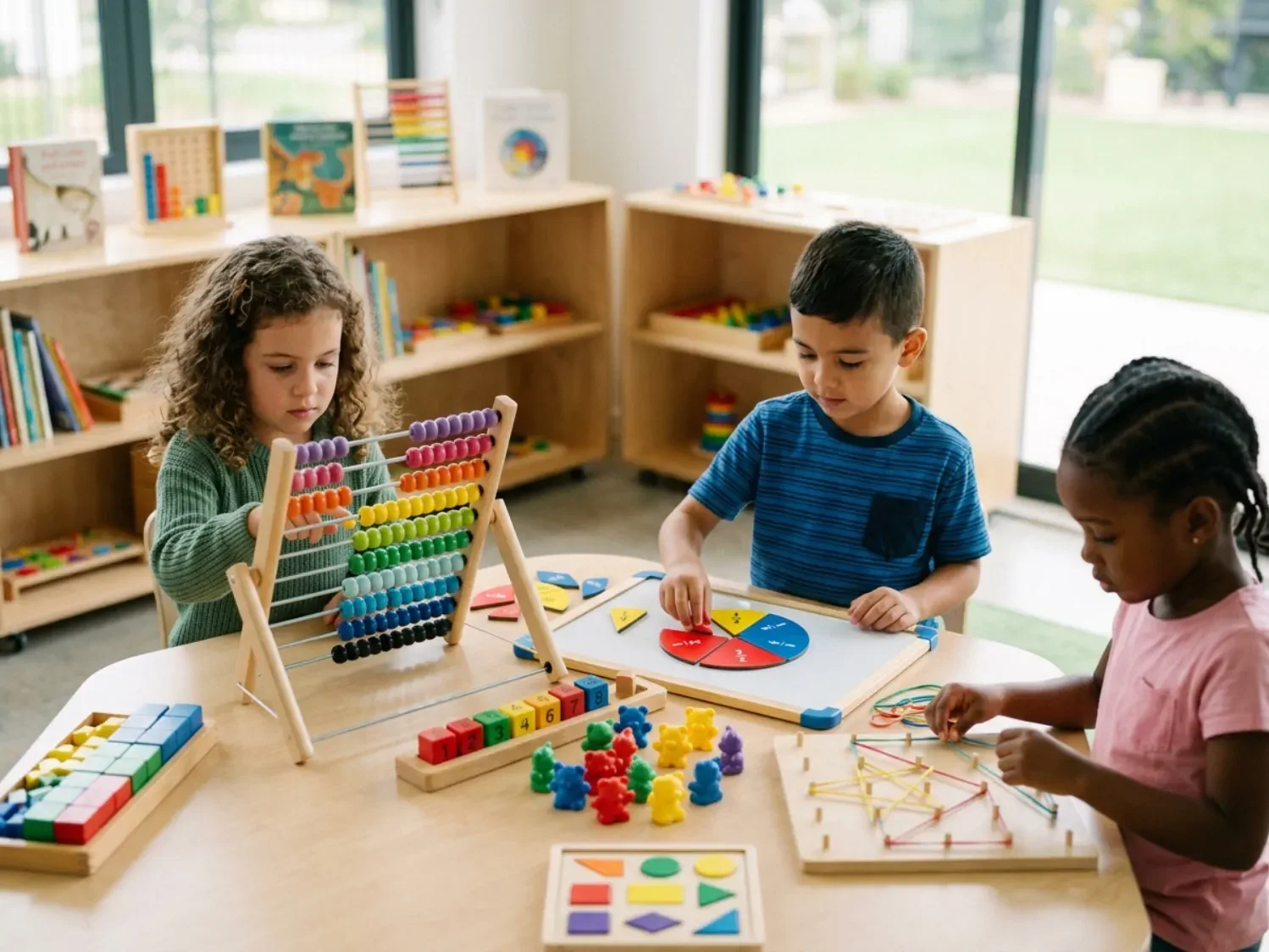
Mathematics toys include:
- counting tools
- abacus systems
- fraction kits
- logic puzzles
- geometry boards
These products focus on abstract thinking through physical interaction.
How it Supports Kids
They support:
- number recognition
- pattern understanding
- logical reasoning
- early arithmetic skills
They form the cognitive base for more advanced STEM learning.
Market Role
Mathematics toys are often underestimated because they lack visual complexity. However, they provide:
- stable demand in early education
- low return rates
- easy integration into learning systems
For balanced product portfolios, they serve as a reliable baseline category.
Comparative Table of STEM Toy Categories
| Category | Complexity | Margin Potential | Risk Level | Масштабируемость |
|---|---|---|---|---|
| Robotics | Высокий | Высокий | Высокий | Medium |
| Coding | Medium–High | Medium–High | Medium | Medium |
| Engineering | Medium | Medium | Низкий | Высокий |
| Science Kits | Medium | Medium | Высокий | Low–Medium |
| Mathematics | Low–Medium | Low–Medium | Низкий | Высокий |
How to Choose the Right STEM Toy Category
Based on the Market
- Developed markets: robotics and coding perform well
- Emerging markets: engineering and math toys offer better accessibility
Based on the Channel
- E-commerce: engineering toys and coding kits
- Retail stores: construction toys and math products
- Education channels: science kits and coding systems
Based on Business Goal
- Volume-driven strategy → engineering and math toys
- Margin-driven strategy → robotics and coding
- Brand positioning → science kits and coding
Common Sourcing Mistakes
- Treating STEM toys as a single category
- Overinvesting in high-tech products without support capability
- Ignoring compliance for science kits
- Underestimating after-sales requirements for electronics
These mistakes directly impact profitability and operational stability.
FAQ – STEM Toy Sourcing Strategy
What are the main types of STEM toys?
Robotics, coding toys, engineering construction toys, science kits, and mathematics toys.
Which STEM toy category sells best?
Engineering toys typically offer the most stable volume due to broad usability and lower complexity.
Are robotics toys risky for wholesalers?
Yes, they carry a higher risk due to electronics, quality control, and after-sales requirements.
Do science kits require certification?
Yes, they must meet safety standards such as EN71, ASTM, or CPSIA, depending on the market.
Заключение
STEM toys are not a single trend category. They are a structured system of product types, each with its own role in the market.
Robotics drives innovation and premium positioning. Coding builds logic and future-facing value. Engineering ensures volume and scalability. Science kits deliver educational credibility. Mathematics toys provide foundational stability.
For buyers, the competitive advantage does not come from selling “STEM toys.” It comes from understanding how these categories work together and building a balanced, market-aligned product portfolio supported by a capable manufacturing partner.
О Чэнцзи
Чэнцзи - это trusted B2B toy supplier focused on long-term partnerships and stable supply. We support wholesalers, distributors, and brands with consistent production, strict quality control, and certified products that meet international safety standards.
Our team works closely with clients to solve product, design, and compliance challenges directly, reducing sourcing risk. With strong OEM/ODM toy capabilities, we provide flexible customization across robotics, engineering, and educational toy lines, helping clients build scalable, market-fit product portfolios with confidence.