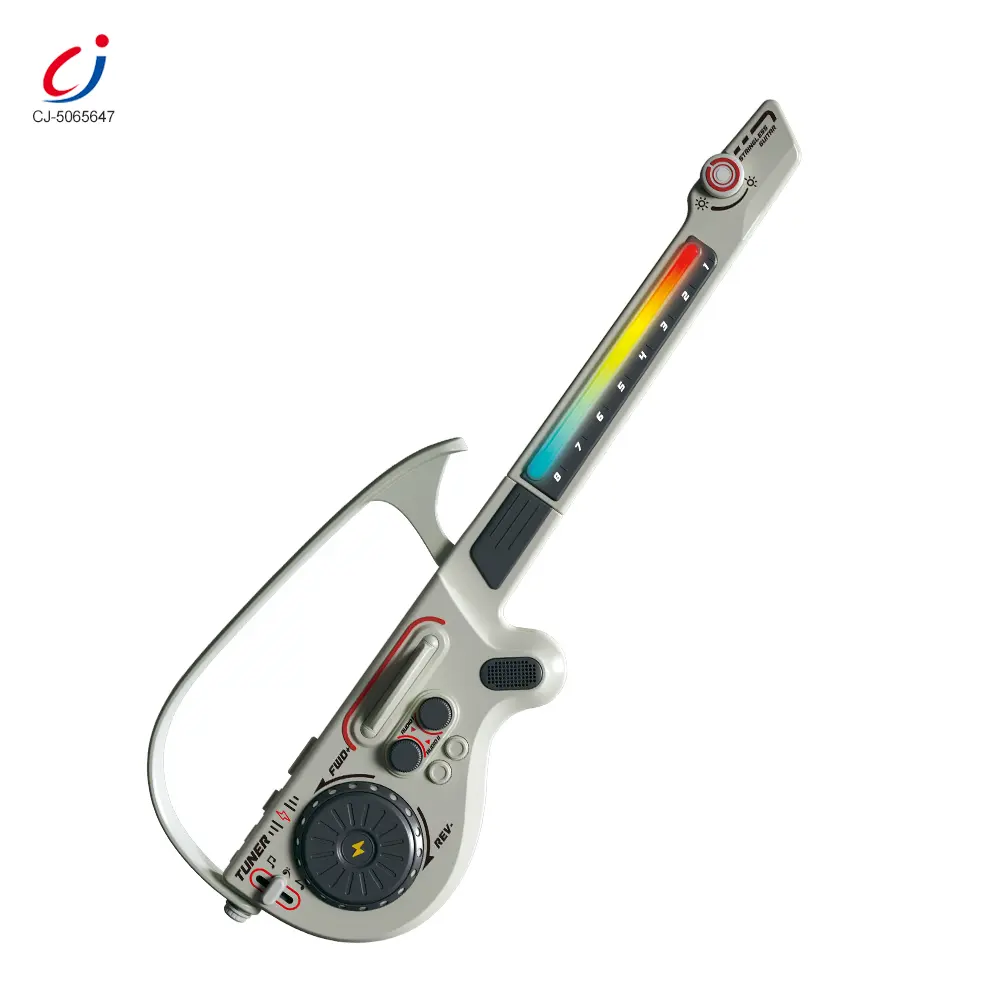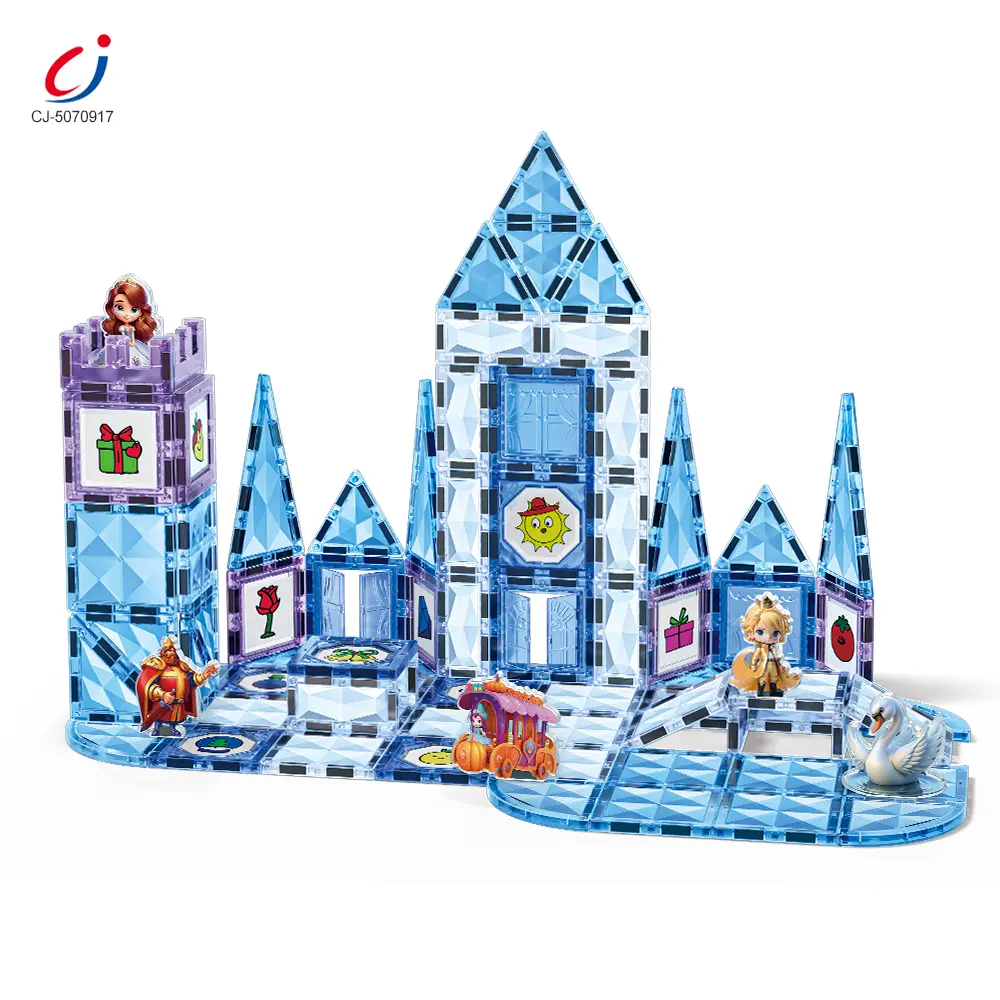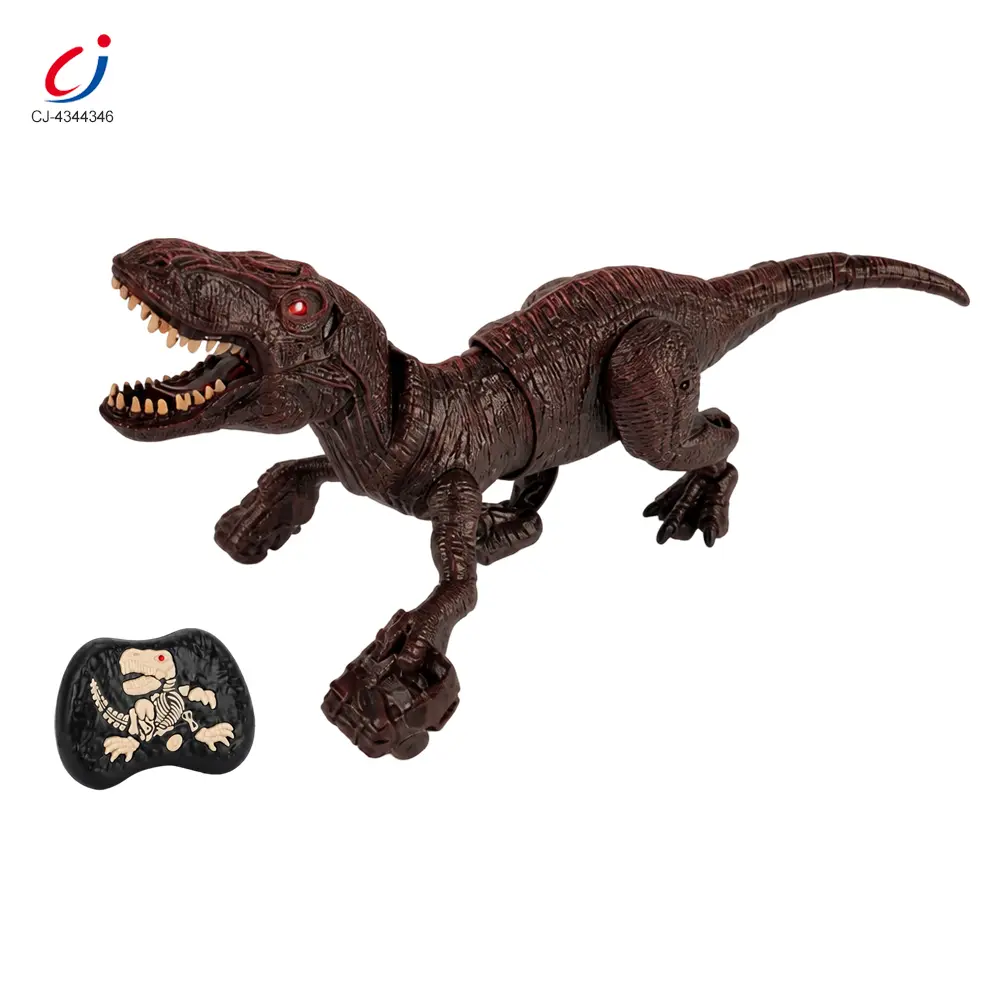
Le label “STEM” ayant fait l'objet d'abus sur le marché du jouet, les grossistes, les distributeurs et les propriétaires de marques estiment souvent que ce label est trop vague pour étayer de véritables décisions d'achat et stratégies de vente.
Le problème est structurel. Les kits de robotique, les blocs de construction magnétiques et les outils d'apprentissage des mathématiques sont tous classés dans la catégorie des jouets STEM, mais ces types de jouets STEM diffèrent considérablement en termes de complexité de fabrication, de logique de tarification et d'exigences en matière de service après-vente. Le fait de les traiter comme une seule catégorie entraîne des problèmes prévisibles : stocks mal assortis, positionnement peu clair et marges instables.
L'objectif de ce guide est de les décomposer en catégories opérationnelles que les acheteurs peuvent réellement utiliser pour prendre des décisions en matière d'approvisionnement.
Qu'est-ce qui définit un vrai jouet STEM ?
Caractéristiques essentielles d'un véritable jouet STEM
Un jouet STEM fonctionnel se définit moins par son étiquette que par sa logique de conception. D'une catégorie à l'autre, les produits efficaces partagent généralement trois caractéristiques :
- Engagement actifL'utilisateur participe, plutôt que d'appuyer sur un bouton.
- Exigence en matière de résolution de problèmesles résultats ne sont pas immédiats ou automatiques
- Complexité évolutiveLe jouet peut supporter une progression de la difficulté
Ces caractéristiques déterminent si un produit offre une valeur ludique répétée ou s'il devient une nouveauté unique.
L'importance pour les acheteurs
Pour les acheteurs B2B, ces caractéristiques de conception se traduisent directement par des résultats commerciaux :
- Meilleur engagement → plus grande satisfaction des clients
- Valeur de relecture plus élevée → taux de retour plus faibles
- Complexité évolutive → cycle de vie du produit plus long
C'est pourquoi les acheteurs expérimentés travaillent souvent avec un STEM toy factory-direct supplier qui comprend non seulement la production, mais aussi la logique de conception du produit et l'adéquation au marché.
Type 1. Robotique Jouets STEM
Les jouets robotiques STEM sont des produits basés sur des systèmes construits à partir de.. :
- moteurs
- capteurs
- cartes de contrôle
- éléments structurels
Ces éléments fonctionnent ensemble pour créer des fonctions programmables ou semi-autonomes.
La valeur éducative des jouets robotiques STEM
Les jouets robotiques intègrent plusieurs disciplines :
- génie mécanique
- électronique
- l'enchaînement logique
- l'interaction des systèmes
Ils sont conçus pour simuler des environnements d'ingénierie réels sous une forme simplifiée.
Considérations relatives à l'acheteur
Les produits robotiques sont généralement positionnés dans des segments de prix plus élevés, mais ils introduisent également une complexité opérationnelle :
- Sensibilité accrue aux défauts en raison de l'électronique
- Nécessité d'un micrologiciel ou d'un système d'application stable
- Augmentation de l'assistance après-vente
Cette catégorie convient aux acheteurs ciblant les marchés haut de gamme ou les chaînes axées sur l'éducation. Pour obtenir un rendement constant, de nombreuses marques s'appuient sur un Fabricant de jouets STEM sur mesure capable de prendre en charge l'intégration électronique et le développement OEM.
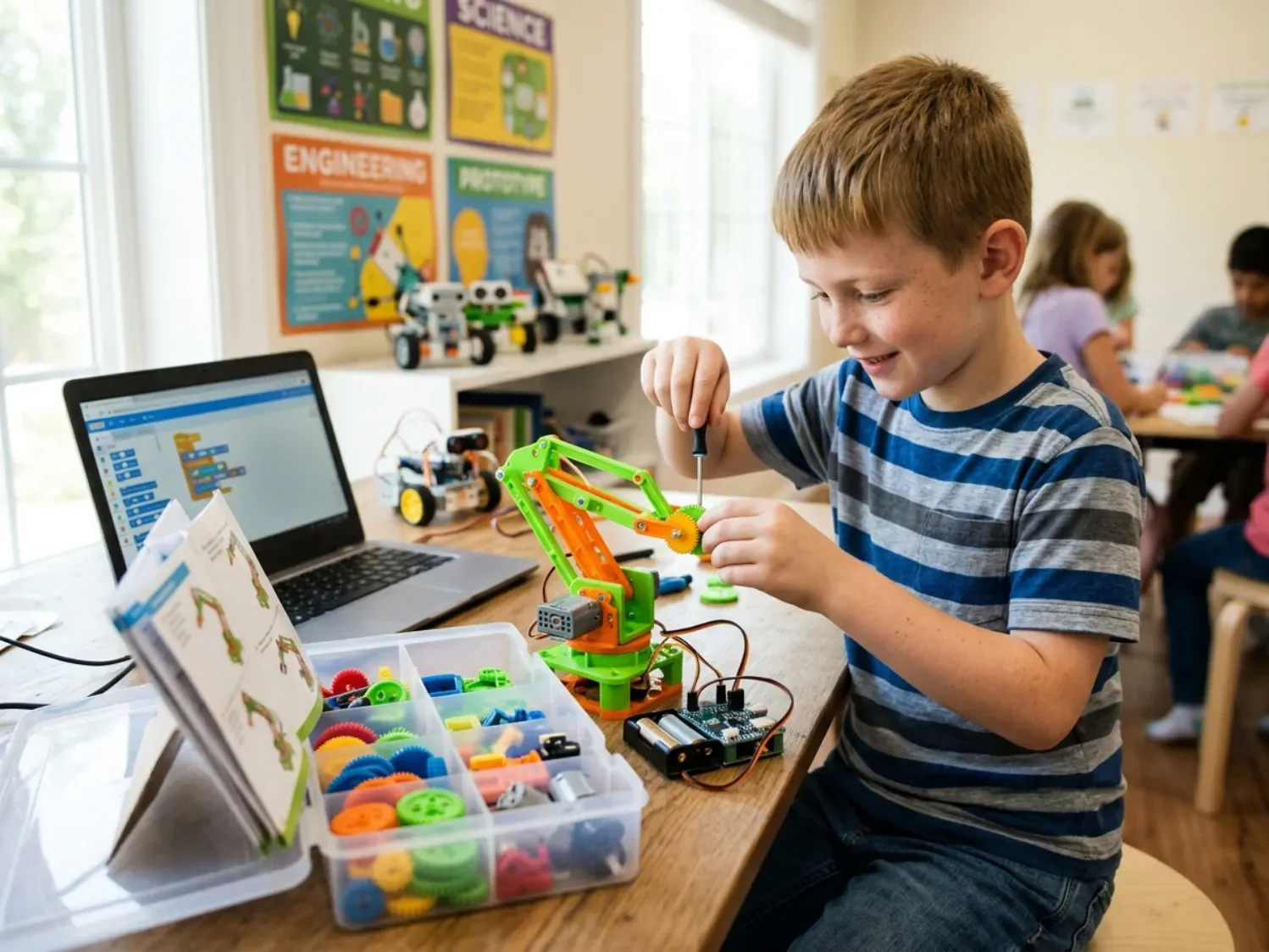
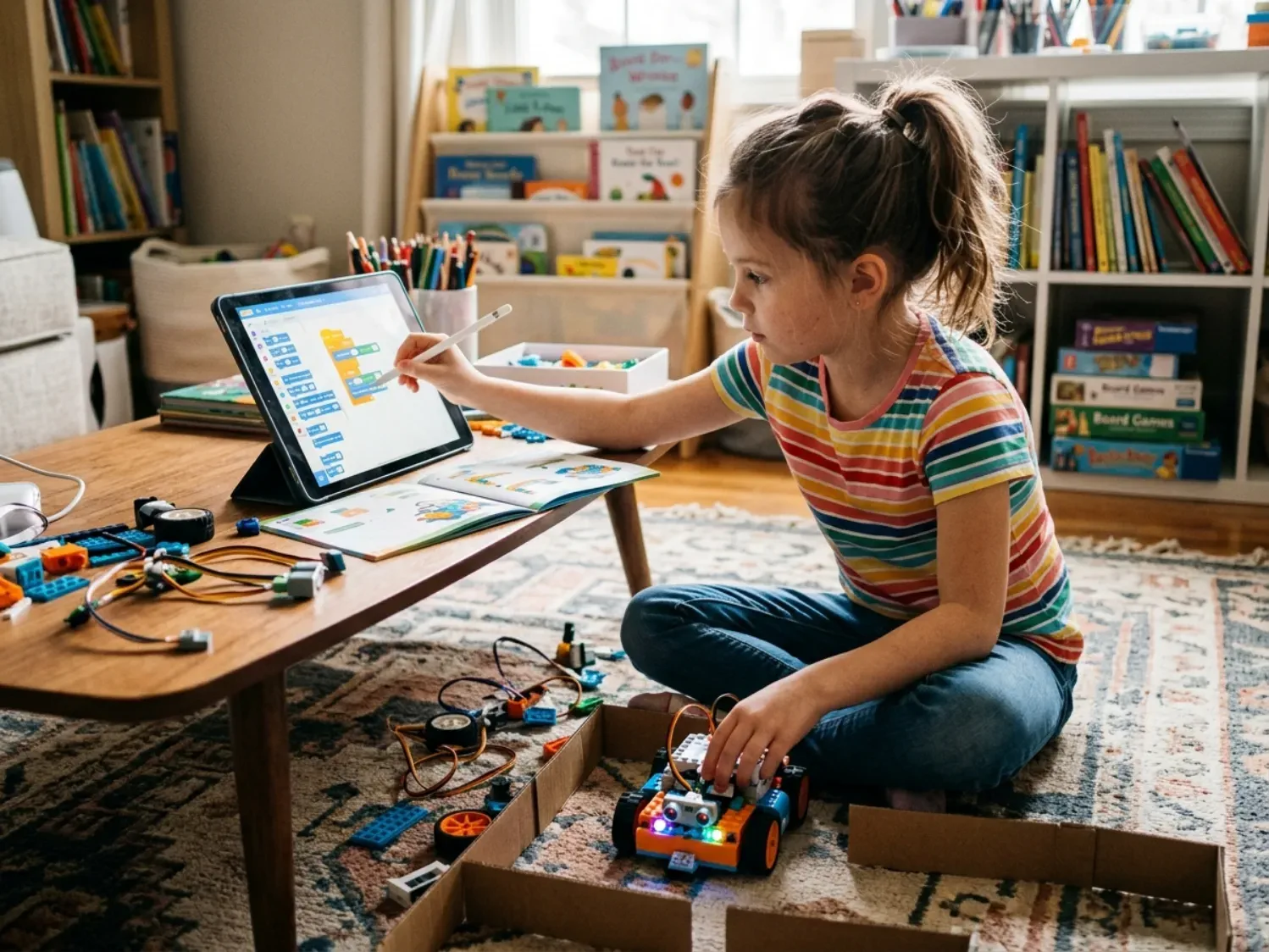
Type 2. Jouets STEM de codage
Les jouets de codage se présentent sous plusieurs formes :
- robots programmables basés sur des applications
- kits de codage logique sans écran
- tableaux de séquencement des étapes
Ils réduisent la complexité en se concentrant sur la logique des instructions plutôt que sur les systèmes mécaniques.
Quelle est la valeur des jouets STEM de codage ?
Les jouets de codage se développent :
- l'enchaînement logique
- la pensée algorithmique
- raisonnement de cause à effet
L'utilisateur interagit avec des instructions plutôt qu'avec une construction physique.
Défis liés au marché et à la localisation
Les jouets de codage donnent de bons résultats sur les marchés structurés de l'éducation, mais ils doivent être localisés :
- adaptation linguistique
- compatibilité des programmes d'études
- ajustements de l'écosystème des applications
Les acheteurs qui pénètrent sur plusieurs marchés ont souvent besoin d'un Fournisseur en gros de jouets STEM qui peut prendre en charge ces variations sans reconstruire le produit à partir de zéro.
Type 3. Jouets STEM d'ingénierie
Les jouets d'ingénierie comprennent :
- blocs de construction magnétiques
- systèmes de construction en plastique
- kits à base d'engrenages
- jeux de construction structurelle
Ces produits sont généralement modulaires et ouverts.
Comment les jouets STIM d'ingénierie profitent aux enfants
Ils se concentrent sur :
- raisonnement spatial
- équilibre et structure
- itération de la conception
- la résolution créative de problèmes
La boucle de rétroaction est directe : construire → tester → ajuster → reconstruire.
Force commerciale
Les jouets techniques sont la catégorie STEM la plus stable pour le commerce de gros :
- un large éventail d'âges
- faible complexité technique
- forte valeur de rediffusion
- des lignes de produits évolutives
Du point de vue de la fabrication, ils bénéficient de processus de moulage par injection matures et d'un contrôle de qualité prévisible. Un système Fournisseur de jouets STEM peut prendre en charge efficacement la production en vrac, l'étiquetage privé et l'expansion des UGS.

Type 4. Kits scientifiques
Les kits scientifiques comprennent
- kits d'expériences de chimie
- ensembles de démonstration de physique
- outils d'exploration de la biologie
Ils sont généralement structurés autour d'activités guidées.
Valeur éducative des kits scientifiques
Les kits scientifiques mettent l'accent sur :
- expérimentation
- observation
- test d'hypothèse
- la pensée analytique
Ils comblent le fossé entre la théorie et l'application.
Conformité et risques
Les kits scientifiques présentent des exigences de conformité plus élevées que la plupart des catégories STEM :
- vérification de la sécurité des matériaux
- certifications réglementaires (EN71, ASTM, CPSIA)
- des instructions d'utilisation et un étiquetage clairs
Une mauvaise mise en conformité peut bloquer des expéditions entières. Ce risque peut être atténué en travaillant avec un Fournisseur en gros de jouets STEM qui fournit une documentation complète et un support de test.

Type 5. Jouets STEM pour les mathématiques
Les jouets mathématiques comprennent :
- outils de comptage
- systèmes abacus
- kits de fraction
- puzzles logiques
- planches géométriques
Ces produits mettent l'accent sur la pensée abstraite par le biais d'une interaction physique.
Comment il soutient les enfants
Ils soutiennent :
- reconnaissance des nombres
- compréhension des schémas
- raisonnement logique
- compétences arithmétiques précoces
Ils constituent la base cognitive d'un apprentissage STEM plus avancé.
Rôle du marché
Les jouets mathématiques sont souvent sous-estimés en raison de leur manque de complexité visuelle. Cependant, ils fournissent :
- une demande stable dans le domaine de l'éducation préscolaire
- des taux de retour faibles
- intégration facile dans les systèmes d'apprentissage
Pour les portefeuilles de produits équilibrés, ils constituent une catégorie de référence fiable.

Tableau comparatif des catégories de jouets STEM
| Catégorie | Complexité | Marge potentielle | Niveau de risque | Évolutivité |
|---|---|---|---|---|
| Robotique | Haut | Haut | Haut | Moyen |
| Codage | Moyenne-élevée | Moyenne-élevée | Moyen | Moyen |
| Ingénierie | Moyen | Moyen | Faible | Haut |
| Kits scientifiques | Moyen | Moyen | Haut | Faible-Moyen |
| Mathématiques | Faible-Moyen | Faible-Moyen | Faible | Haut |
Comment choisir la bonne catégorie de jouets STEM
Sur la base du marché
- Marchés développés : la robotique et le codage enregistrent de bons résultats
- Marchés émergents : les jouets d'ingénierie et de mathématiques sont plus accessibles
Sur la base de la chaîne
- Commerce électronique : jouets d'ingénierie et kits de codage
- Magasins de détail : jouets de construction et produits mathématiques
- Chaînes éducatives : kits scientifiques et systèmes de codage
En fonction de l'objectif de l'entreprise
- Stratégie axée sur le volume → jouets d'ingénierie et de mathématiques
- Stratégie axée sur la marge → robotique et codage
- Positionnement de la marque → kits scientifiques et codage
Erreurs courantes en matière d'approvisionnement
- Traiter les jouets STIM comme une seule catégorie
- Surinvestissement dans des produits de haute technologie sans capacité de soutien
- Ignorer la conformité pour les kits scientifiques
- Sous-estimation des besoins en service après-vente pour l'électronique
Ces erreurs ont un impact direct sur la rentabilité et la stabilité opérationnelle.
FAQ - Stratégie d'approvisionnement en jouets STEM
Quels sont les principaux types de jouets STEM ?
Robotique, jouets de codage, jouets de construction technique, kits scientifiques et jouets mathématiques.
Quelle catégorie de jouets STEM se vend le mieux ?
Les jouets techniques offrent généralement le volume le plus stable en raison de leur grande facilité d'utilisation et de leur faible complexité.
Les jouets robotiques présentent-ils un risque pour les grossistes ?
Oui, ils présentent un risque plus élevé en raison des exigences en matière d'électronique, de contrôle de la qualité et de service après-vente.
Les kits scientifiques doivent-ils être certifiés ?
Oui, ils doivent répondre à des normes de sécurité telles que EN71, ASTM ou CPSIA, selon le marché.
Conclusion
Les jouets STIM ne constituent pas une catégorie tendance unique. Il s'agit d'un système structuré de types de produits, chacun ayant son propre rôle sur le marché.
La robotique favorise l'innovation et le positionnement haut de gamme. Le codage crée une logique et une valeur tournée vers l'avenir. L'ingénierie garantit le volume et l'évolutivité. Les kits scientifiques apportent une crédibilité éducative. Les jouets mathématiques assurent une stabilité fondamentale.
Pour les acheteurs, l'avantage concurrentiel ne vient pas de la vente de “jouets STEM”. Il s'agit de comprendre comment ces catégories fonctionnent ensemble et de construire un portefeuille de produits équilibré, aligné sur le marché et soutenu par un partenaire de fabrication compétent.
À propos de Chengji
Chengji est un Fournisseur de jouets B2B de confiance axée sur les partenariats à long terme et la stabilité de l'approvisionnement. Nous soutenons les grossistes, les distributeurs et les marques avec une production cohérente, un contrôle de qualité strict et des produits certifiés qui répondent aux normes de sécurité internationales.
Notre équipe travaille en étroite collaboration avec les clients pour résoudre directement les problèmes liés aux produits, à la conception et à la conformité, réduisant ainsi les risques liés à l'approvisionnement. Grâce à une Jouet OEM/ODM nous offrons une personnalisation souple des gammes de jouets robotiques, techniques et éducatifs, ce qui permet aux clients de constituer en toute confiance des portefeuilles de produits évolutifs et adaptés au marché.