Traditional toys are not simply being replaced by digital entertainment or artificial intelligence. Instead, the toy market is evolving, with buyers balancing familiar play experiences against growing interest in creativity, education, interaction, and product differentiation.
For wholesalers, importers, distributors, and brands, the key question is how to identify products with lasting market potential while managing sourcing costs and inventory risks. Understanding these trends can help businesses build more competitive toy assortments.
1. The Current State of the Traditional Toy Market
Traditional Toys Face a Changing Competitive Landscape
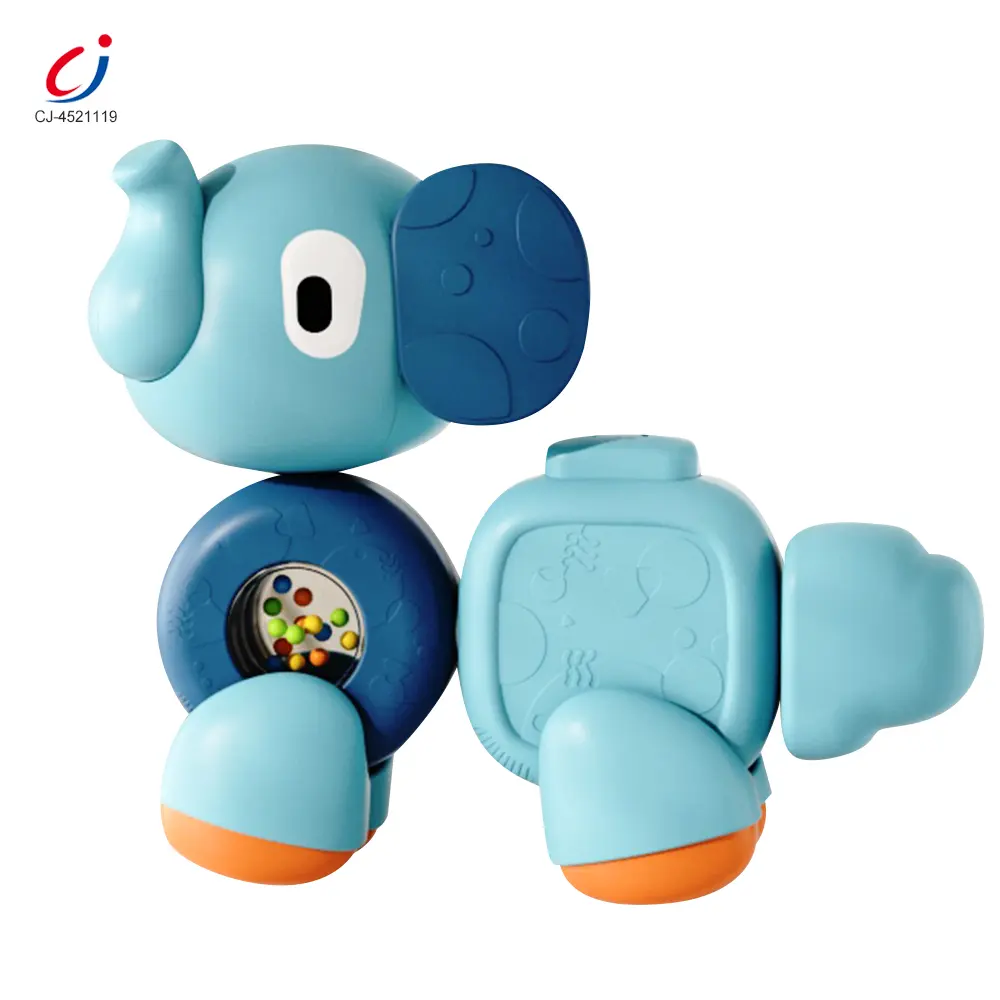
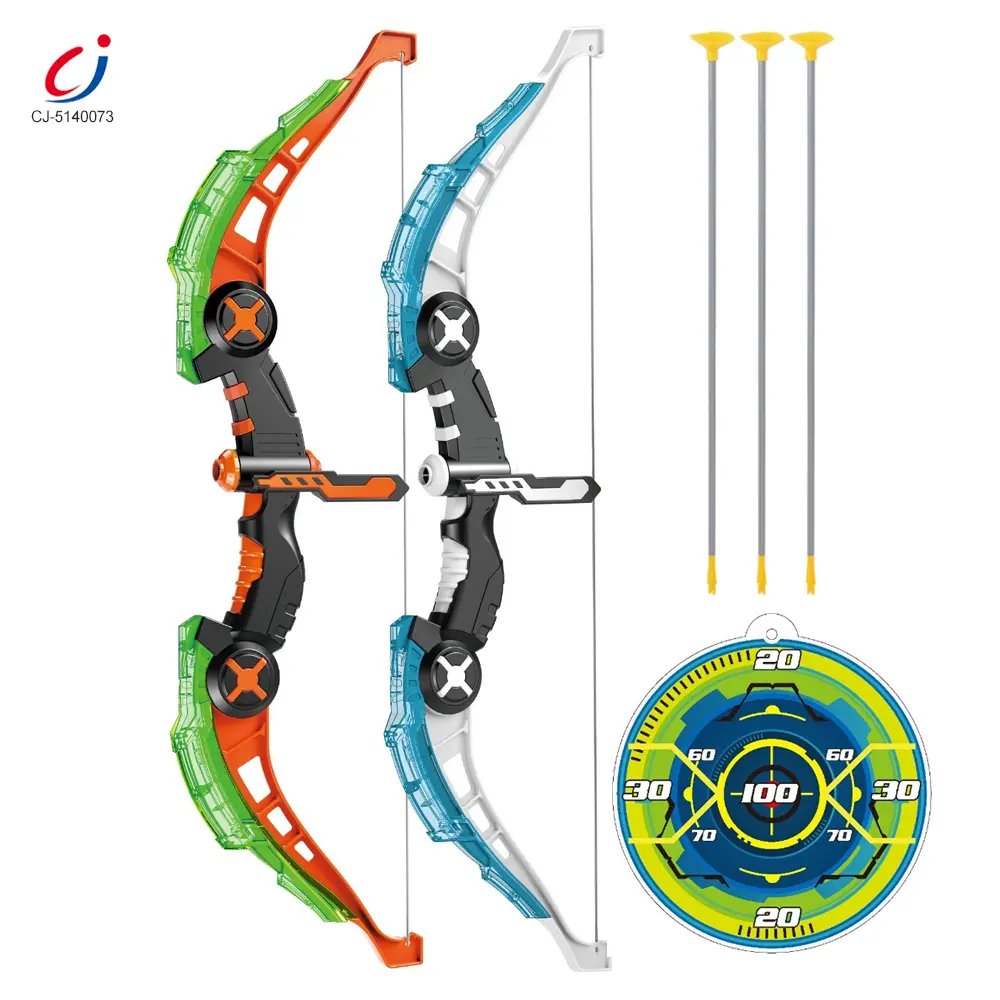
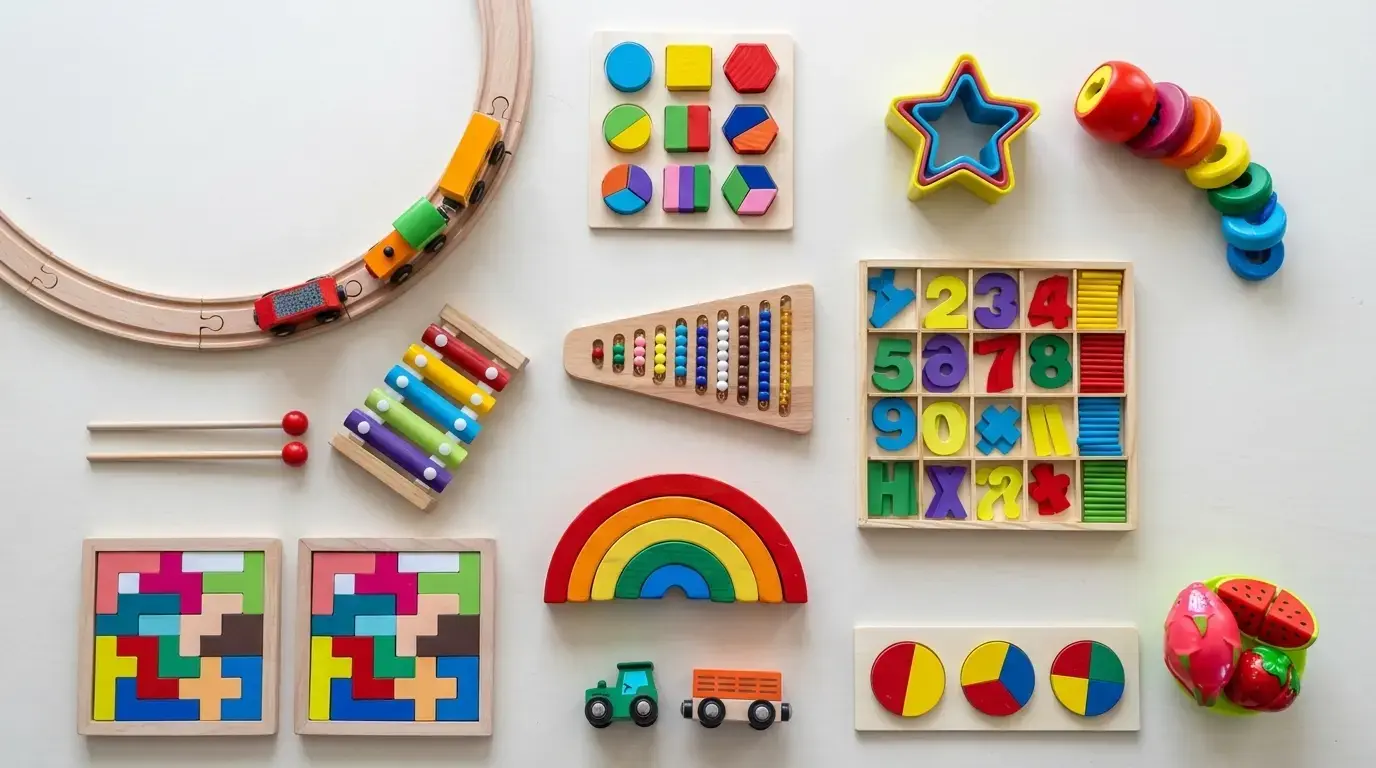
Traditional toys, including building blocks, puzzles, dolls, toy vehicles, and pretend-play sets, compete with digital entertainment, licensed products, and interactive electronics.
However, the available data does not suggest that traditional toys are simply disappearing. According to Circana, U.S. toy retail sales increased by 6% in 2025. This reflects the overall toy market, not traditional toys alone, so individual categories must be evaluated separately.
For buyers, product performance depends on factors such as target audience, price point, design, and distribution channel. Familiar products can remain commercially relevant when they offer clear value, while undifferentiated products may struggle with price competition.
Why Traditional Toys Still Have Market Potential
Traditional toys offer several advantages:
- Hands-on play: Building, assembling, drawing, and role-playing encourage active participation.
- Accessible use: Many products do not require batteries, connectivity, or software support.
- Flexible experiences: Open-ended toys can support different activities and imaginative play.
- Category diversity: Puzzles, construction sets, educational toys, and vehicles serve different customer groups.
These characteristics create opportunities, but they do not guarantee sales. Buyers should assess product quality, pricing, local demand, and competitive differentiation. For example, jouets éducatifs en gros may suit buyers targeting customers interested in learning-oriented play.
2. What Will Shape the Future of Traditional Toys?
AI Integration and the Evolution of Traditional Toys
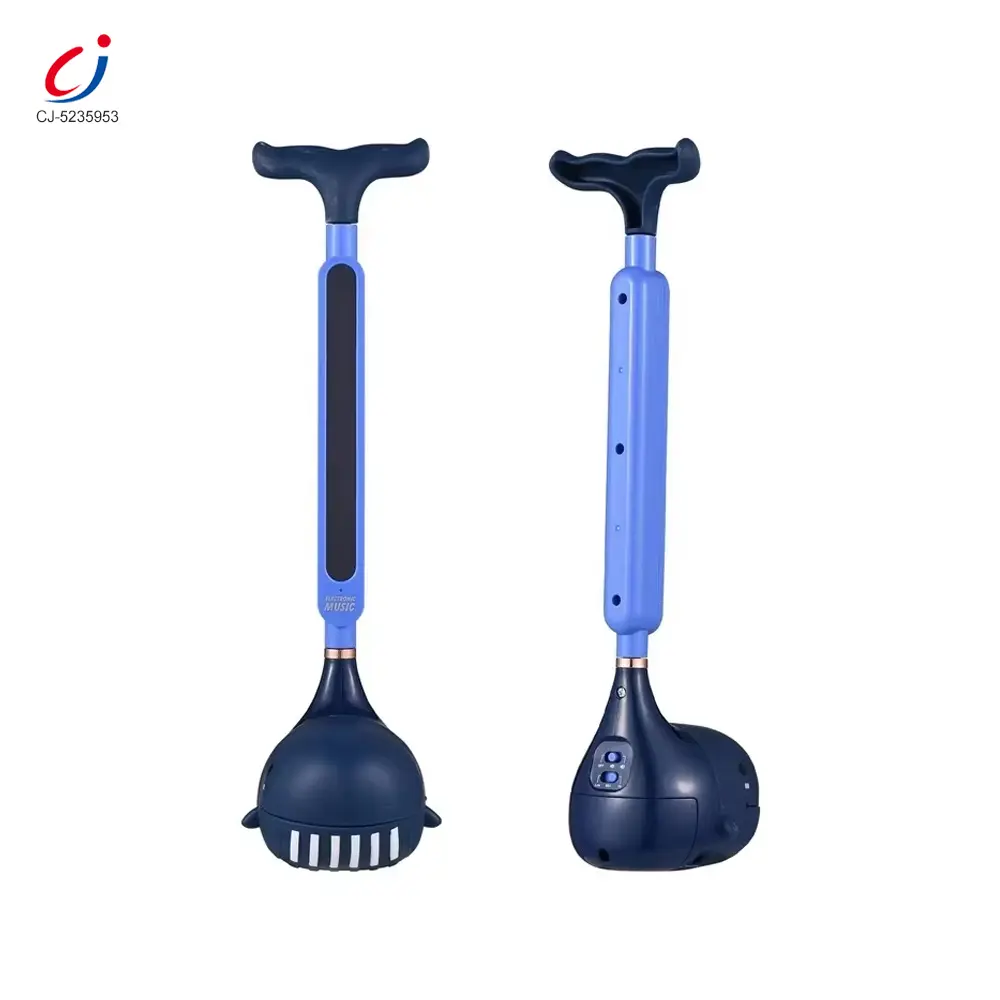
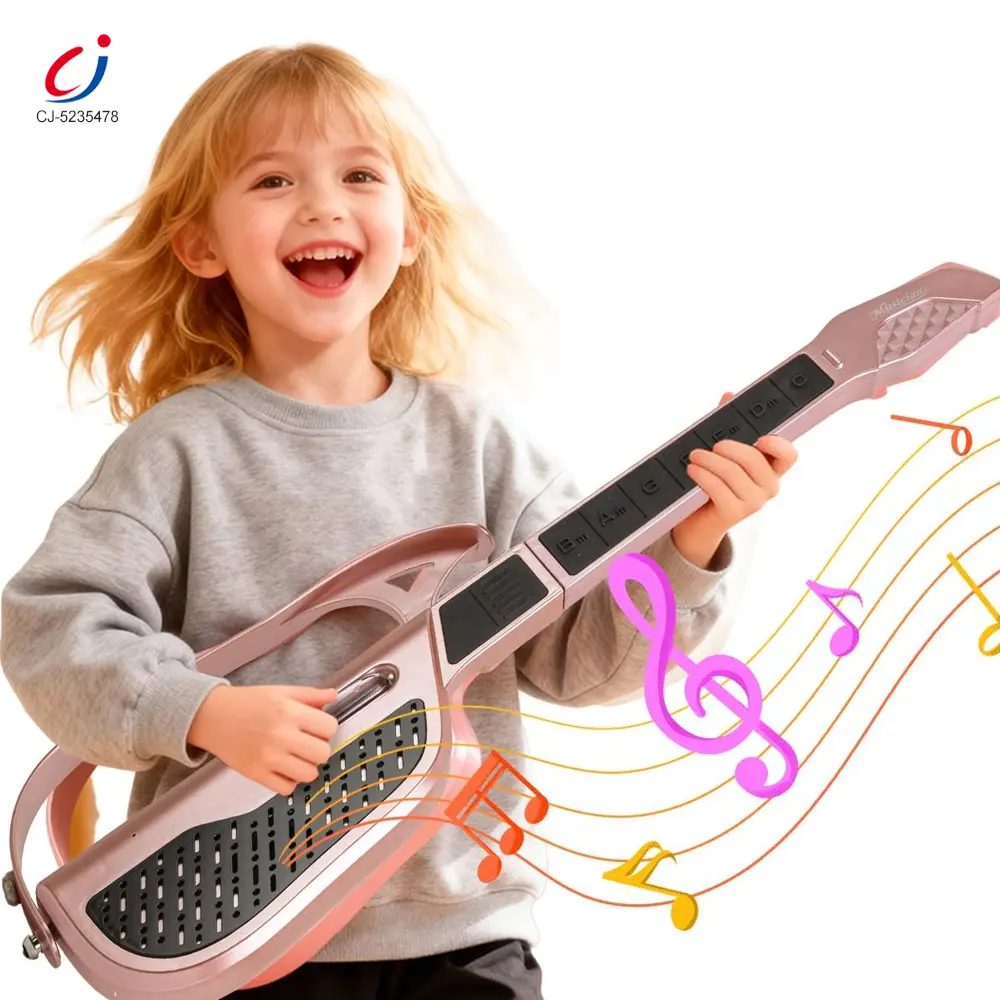
Artificial intelligence is introducing new possibilities, including conversational toys, personalized responses, and interactive learning experiences. Some products combine these features with familiar formats such as plush toys and robots.
AI does not need to be added to every toy. Traditional products can remain competitive through thoughtful design and engaging play mechanics. Buyers should evaluate whether a new technology improves the customer experience enough to justify its additional costs.
Before sourcing AI-enabled toys, consider:
- Whether the feature addresses a genuine customer need.
- Development costs and expected retail pricing.
- Software support, product reliability, and after-sales requirements.
- Applicable safety, privacy, and regulatory obligations.
For example, U.S. COPPA requirements may apply to certain connected toys and online services that collect personal information from children under 13. Buyers should verify relevant obligations before bringing such products to market.
Product Innovation and Differentiation
Traditional toys can evolve without advanced technology. Distinctive designs, new play mechanics, themed collections, improved packaging, and customization can help products stand out.
For private-label buyers, OEM/ODM services may support logo application, packaging changes, product modifications, or more extensive development. However, deeper customization may involve tooling costs, higher minimum order quantities, additional testing, and longer lead times.
The objective is not to make every product more complicated. It is to give customers a clear reason to choose one product over comparable alternatives.
Educational and Interactive Play
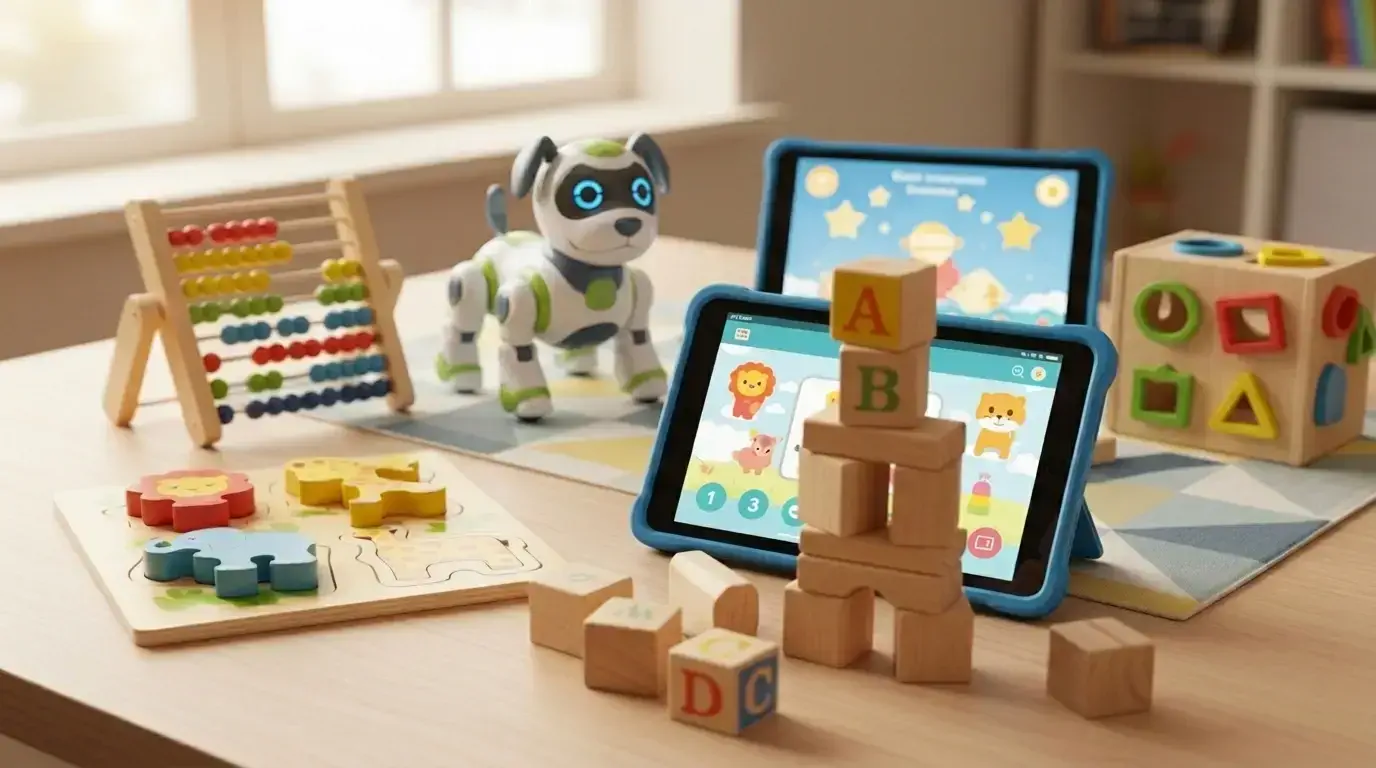
Educational toys, puzzles, construction sets, and creative activities offer opportunities to serve specific customer groups. Buyers can differentiate products according to age range, learning activity, retail channel, and price point.
However, educational positioning should be supported by the actual product experience. Buyers should verify age suitability, instructions, durability, and any developmental claims rather than relying on the word “educational” alone.
3. Challenges and Growth Opportunities
Product Homogeneity, Pricing, and Inventory Risk
When multiple suppliers offer similar products, price becomes a major competitive factor. This can reduce margins and make brand differentiation more difficult.
Trend-driven products create another challenge: demand may decline before inventory sells through. Buyers can reduce exposure by evaluating more than the initial unit price.
Key considerations include:
- Minimum order quantity and replenishment flexibility.
- Freight, duties, packaging, and other landed costs.
- Product testing and compliance expenses.
- Expected retail margins and evidence of demand.
- Opportunities for repeat orders or product variations.
A balanced assortment can reduce dependence on a single product or short-lived trend.
Opportunities Through Product Development
Product innovation is most effective when guided by a clear market need. Buyers and suppliers can test new designs, packaging, themes, or interactive features without committing immediately to large production runs.
A practical process is to define the target market, compare existing products, request samples, confirm compliance requirements, and agree on specifications before production. Sales feedback can then guide replenishment and future development.
This approach helps businesses explore new opportunities while controlling sourcing and inventory risks.
4. What These Changes Mean for Buyers Sourcing Toys from China
Why Consider Chinese Toys for Wholesale Sourcing?
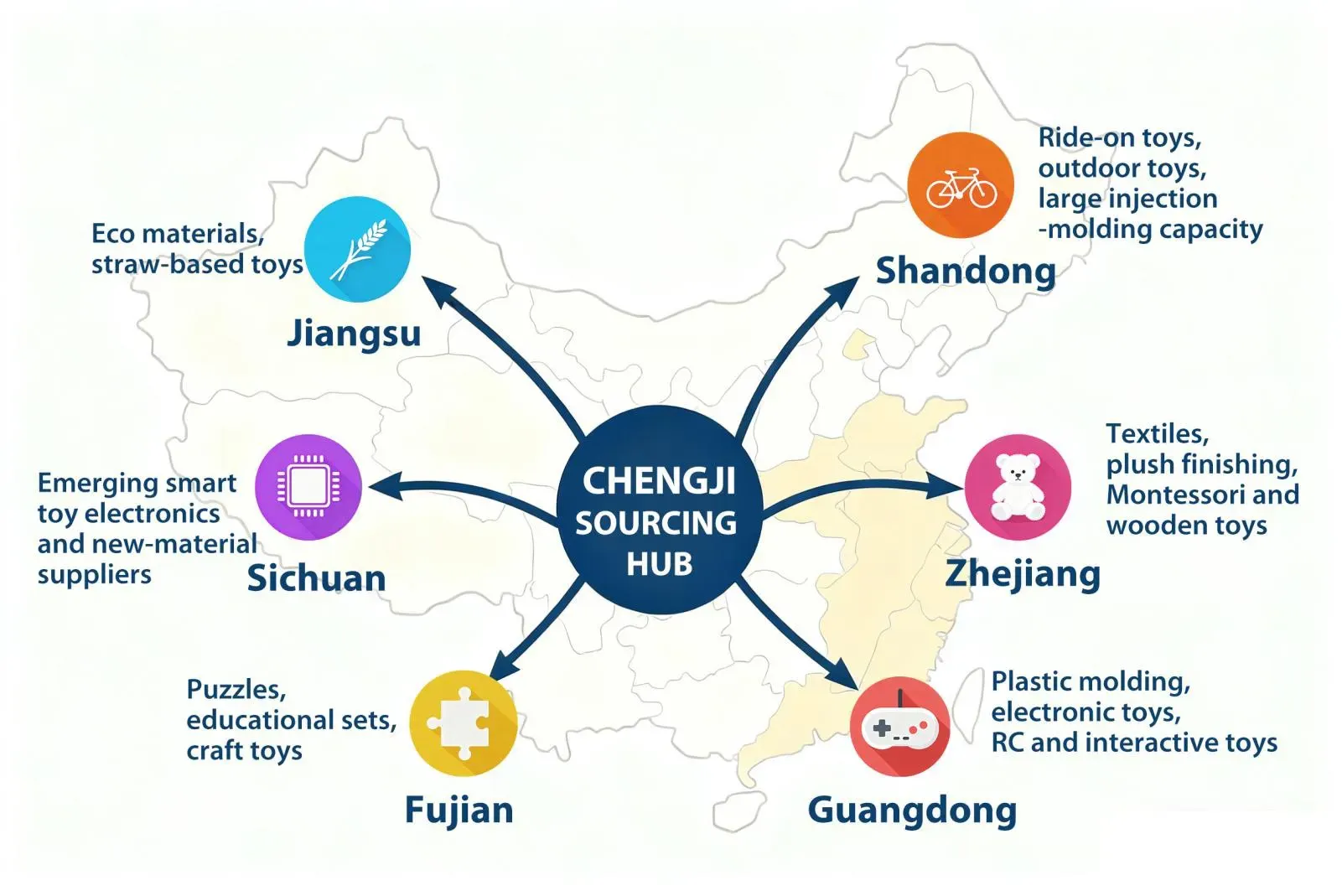
China offers a broad toy supply base, with diverse product categories and potential manufacturing and customization options. These capabilities can help international buyers compare products and develop assortments for different channels.
However, sourcing decisions should not depend on price alone. Product suitability, quality, communication, documentation, lead time, and order flexibility all affect the overall value of a supplier.
Buyers exploring toy sourcing and custom solutions should define their product requirements and target market before comparing quotations.
How to Evaluate a China Toy Supplier
Before placing a bulk order, buyers should verify:
- Product quality: Request samples and confirm materials, dimensions, functions, and packaging.
- Testing and compliance: Check which standards and documents apply to the destination market and product.
- OEM/ODM capabilities: Clarify available customization options, costs, MOQs, and development timelines.
- Order execution: Confirm production schedules, inspection arrangements, and delivery responsibilities.
- Communication: Document specifications, approved samples, and order changes clearly.
For businesses comparing customization models, Chengji’s OEM and ODM toy solutions guide provides further information.
How to Build a Balanced Wholesale Toy Assortment
A balanced assortment may combine established toy categories, educational products, interactive toys, and selected customized items.
The right mix depends on the target market. An educational retailer may prioritize learning-oriented products, while a general distributor may need broader category coverage. Online sellers may place greater emphasis on differentiation and packaging.
Rather than investing heavily in an untested trend, buyers can evaluate samples, test demand where feasible, and adjust purchasing decisions based on sales performance.
5. How Chengji Can Help
Access a Broad Range of Toy Categories
Chengji offers a range of toy categories for business buyers. Our wholesale toy categories allow wholesalers, distributors, and retailers to explore available products and identify options relevant to their target markets.
Coordinate Product Sourcing and Customization
We provide OEM/ODM toy services and customization options across all the categories we sell. Depending on the product, buyers can discuss branding, packaging, and other requirements with the team.
Clear specifications, target quantities, and market requirements help establish the feasibility, costs, and timelines of a project before production begins.
Support Wholesale Purchasing Requirements
Successful sourcing requires agreement on samples, product specifications, quality expectations, packaging, quantities, and delivery schedules. Clarifying these details helps buyers compare quotations and manage bulk orders more effectively.
Businesses can explore Chengji’s product range and discuss their sourcing or customization requirements with the team.
Conclusion: Adapting to the Future of Traditional Toys
The future of traditional toys will not be determined by AI alone. Hands-on play, educational products, and familiar toy categories can remain relevant, while thoughtful innovation creates opportunities for differentiation.
For wholesalers, importers, and brands, the priority is to balance established demand with carefully evaluated new products. When sourcing from China, buyers should look beyond unit price and assess product suitability, quality, customization capabilities, and order execution.
FAQs About the Future of Traditional Toys
Are Traditional Toys Still Popular Today?
Traditional toys remain relevant in categories such as building sets, puzzles, creative toys, and pretend play. Demand varies by market, product, and sales channel, so buyers should evaluate individual categories.
How Will AI Affect the Traditional Toy Industry?
AI may introduce conversational features and personalized interactions to selected products. However, many traditional toys can remain competitive through physical play, creativity, and thoughtful design without AI.
What Are the Main Challenges Facing Traditional Toy Suppliers?
Major challenges include product similarity, price competition, changing trends, inventory risk, and market-specific compliance requirements.
Why Do Buyers Source Toys from China?
China offers a broad supply base, diverse toy categories, and potential customization options. Buyers should still evaluate each supplier’s quality, capabilities, documentation, and delivery performance.
How Can Buyers Choose a Reliable China Toy Supplier?
Verify samples, specifications, relevant testing documents, customization capabilities, MOQ, lead times, and quality-control arrangements before placing a bulk order.